How to Make a Boy Scout Wilderness Survival Kit?
Imagine you're out in the wild, surrounded by the beauty of nature, but suddenly, you realize you're not as prepared as you thought. It's a scenario you never want to face, especially if you're a Boy Scout aiming to earn your Wilderness Survival badge.
That's why building your own wilderness survival kit isn't just a task; it's a vital skill that could make all the difference. You might wonder, what exactly needs to go into this kit? How can you ensure it has everything necessary to keep you safe and secure in the wild?
In this guide, you'll discover the essential items to include, practical tips to customize it for your needs, and insider secrets that even seasoned scouts swear by. By the end, you'll not only know how to make a Boy Scout wilderness survival kit but also feel confident and prepared for any outdoor adventure. Keep reading to transform your outdoor experiences and equip yourself like a pro!
Purpose Of A Wilderness Survival Kit
A wilderness survival kit is essential for any outdoor adventure. It helps you face unexpected challenges in the wild. This kit contains tools and items necessary for survival. It ensures safety and boosts confidence in nature. Knowing the purpose of each item is vital. It prepares scouts for emergencies and makes outdoor trips safer.
Safety And Preparedness
Safety is the main goal of a survival kit. It provides essential items like a first aid kit and fire starters. These tools help handle emergencies effectively. Being prepared reduces fear during unexpected situations. A well-packed kit ensures scouts stay safe in the wild. It also prevents minor issues from becoming major problems.
Building Confidence In The Wild
A survival kit builds confidence in young scouts. It empowers them to handle challenges independently. Knowing they have the right tools boosts their courage. This confidence encourages them to explore and learn. Scouts become more resilient and resourceful. They learn to trust their instincts and skills.
Key Components Of A Survival Kit
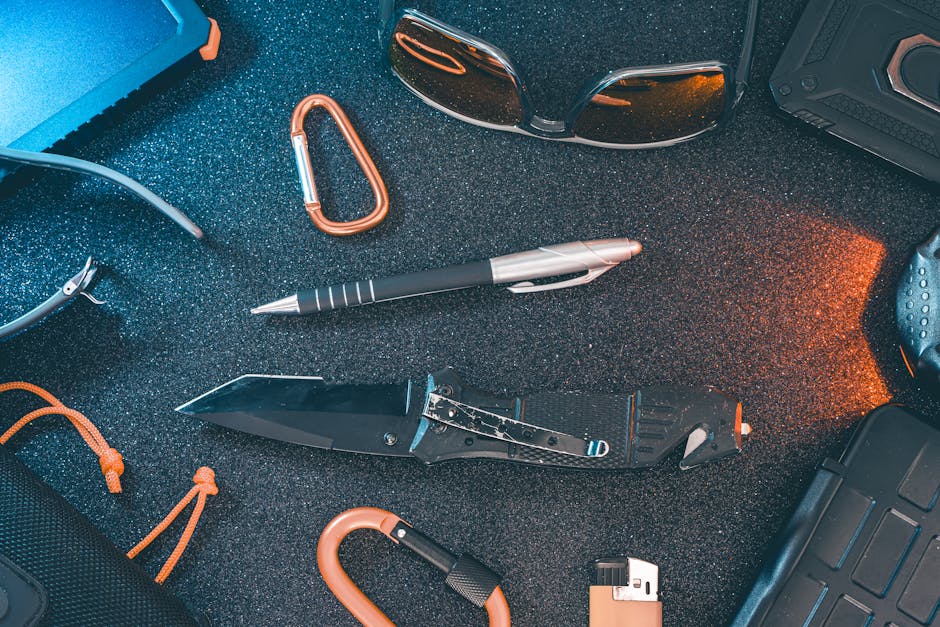
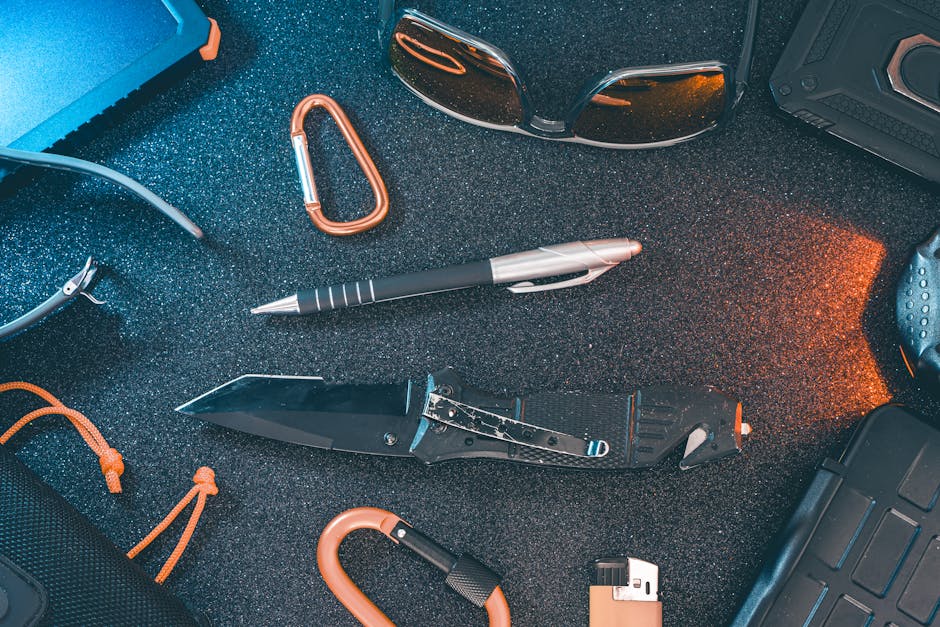
Crafting a Boy Scout wilderness survival kit involves essential components. Include a sturdy knife, waterproof matches, and a compass. Also pack a first aid kit, flashlight, and emergency blanket. Each item plays a vital role in ensuring safety and preparedness during outdoor adventures.
When heading into the wilderness, preparation is your best tool for survival. A well-stocked Boy Scout Wilderness Survival Kit can be the difference between a successful adventure and a struggle. But what exactly should go into this vital pack? Let's break down the key components you should include to ensure your safety and readiness in the wild.
Essential Tools
The right tools can make all the difference in a survival situation. A multi-tool is crucial; its versatility allows you to tackle a range of tasks, from cutting rope to opening cans. A reliable compass paired with a detailed map of the area ensures you stay on track. Have you ever tried to start a fire without matches? A fire starter or waterproof matches can keep you warm and help you cook food. Also, consider a whistle for signaling, which can be a lifesaver when you need to alert others to your location.
First Aid Supplies
Injuries can happen when you least expect them, especially in the wilderness. A compact first aid kit should be at the top of your list. Include bandages, antiseptic wipes, and pain relievers. Remember, even minor cuts can become serious if not properly cleaned. If you've ever dealt with blisters on a hike, you know how important it is to have moleskin or similar blister treatment. It's not just about having the supplies—it's about knowing how to use them. Brush up on basic first aid skills before you head out.
Food And Water Provisions
While foraging can be fun, it’s not a reliable source for sustenance. Pack non-perishable, high-energy snacks like granola bars and nuts. These can keep your energy levels up when you need it most. Water purification tablets or a portable water filter are essential. Even if you find water, it may not be safe to drink. Have you considered how much water you’ll need? Always carry more than you think you’ll require, as hydration is critical in maintaining your strength and focus. Packing a wilderness survival kit is about more than just the gear. It's about being proactive and thinking ahead. Which item do you think would be most crucial in an emergency? Your input could help others be better prepared.
Choosing The Right Tools
Selecting appropriate tools is crucial for creating an effective Boy Scout wilderness survival kit. Essential items include a reliable knife, waterproof matches, and a compact first-aid kit. These tools ensure preparedness and safety during outdoor adventures, making them indispensable for young scouts.
Choosing the right tools for a Boy Scout wilderness survival kit is crucial. The right gear can make the difference between a challenging adventure and a dangerous situation. When preparing for the wilderness, it's essential to select tools that are reliable, compact, and versatile.
Multi-tool Options
A multi-tool is the Swiss Army knife of the modern age. It combines various functions into a single, pocket-sized device. Consider tools that include a knife, pliers, scissors, and screwdrivers. The Leatherman Wave Plus is a popular choice among scouts for its durability and versatility. It's lightweight and fits easily in your pocket or pack. Always ensure the blades are sharp and the tool is in good working condition before heading out.
Reliable Fire Starters
Fire is essential for warmth, cooking, and signaling for help. Matches can get wet, and lighters can run out of fuel, so having multiple fire-starting options is wise. A magnesium fire starter is a reliable choice. It works even when wet and can produce a spark in adverse conditions. Pack some cotton balls soaked in petroleum jelly as tinder for an easy fire-starting aid.
Navigation Aids
Getting lost in the wilderness is a risk, but you can mitigate it with the right navigation tools. A compass and a map are traditional yet effective tools. Digital gadgets like GPS devices are convenient but shouldn't be your only option. Batteries die, and signals can be lost. As a scout, learn to read a map and use a compass—it’s a skill that could save your life. Have you ever found yourself in a situation where the right tool made all the difference? Preparing your survival kit with these tools could be the key to a successful adventure. Always test your gear before you need it, ensuring it’s ready for the unexpected.
First Aid Necessities
Creating a Boy Scout Wilderness Survival Kit is exciting and essential. The kit must include first aid necessities. These supplies are vital for handling minor injuries. They ensure safety during outdoor adventures. A well-prepared first aid kit addresses unexpected situations effectively.
Basic Medical Supplies
Basic medical supplies are the backbone of any survival kit. Include band-aids for cuts and scrapes. Pack adhesive tape for securing bandages. Gauze pads help with bleeding wounds. Antiseptic wipes clean and disinfect injuries. An antibiotic ointment prevents infections in open cuts. Consider adding pain relievers like ibuprofen. These help manage pain and reduce inflammation. Tweezers are useful for removing splinters. A small pair of scissors can trim bandages. A thermometer checks for fever. All these items are crucial for basic medical care.
Emergency Contacts
Emergency contacts are crucial in any survival situation. Write down important phone numbers. Include family members and close friends. Add local emergency services numbers. Park rangers can offer quick assistance. Keep these contacts in a waterproof bag. This ensures they remain readable and dry. A small notebook can hold these details. Include a pen or pencil for writing new information. Teach children how to use emergency contacts. This preparation is vital for their safety.
Food And Water Strategies
Creating a wilderness survival kit for Boy Scouts involves packing essential items for food and water strategies. Include water purification tablets and lightweight, non-perishable food items. A small fishing kit can also be useful for sourcing food in the wild.
Surviving in the wilderness requires careful planning. Food and water are vital. Proper strategies ensure you stay nourished and hydrated. This section will guide you through essential food and water tips. Learn how to choose the right food and purify water effectively.
Non-perishable Food Choices
Non-perishable foods last longer. They are ideal for survival kits. Choose items high in energy. Dried fruits and nuts are great options. They are compact and nutritious. Energy bars provide quick calories. Canned goods offer variety. Select light cans to reduce weight. Consider instant oatmeal for easy preparation. Pack foods you enjoy eating. It boosts morale in tough times.
Water Purification Techniques
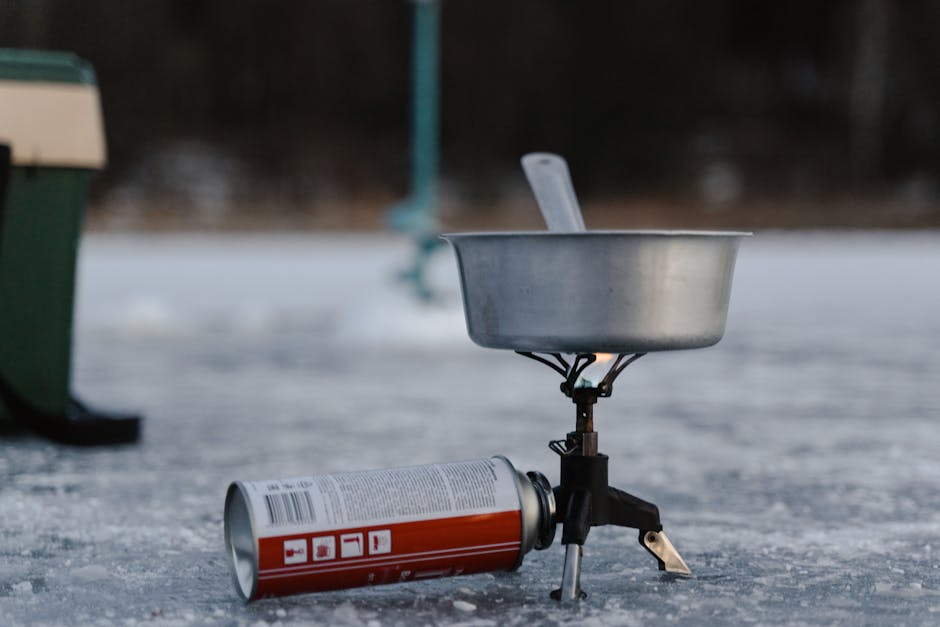
Clean water is crucial. Always have purification tools. Water filters are reliable. They remove bacteria and protozoa. Tablets and drops work well too. They kill harmful pathogens. Boiling is effective if you can make fire. It kills most microorganisms. Carry a metal container for boiling. Learn to identify safe water sources. Always prioritize water safety. `
Shelter And Clothing Considerations
Creating a Boy Scout wilderness survival kit requires attention to shelter and clothing needs. Choose compact, lightweight materials for easy carrying. Include a durable poncho and thermal blanket to stay warm and dry.
When preparing a Boy Scout Wilderness Survival Kit, shelter and clothing are crucial. They protect you from weather and help maintain body temperature. Let’s delve into the essentials of portable shelter and suitable attire.
Portable Shelter Options
A portable shelter is vital in the wilderness. Tents are the most common choice. Lightweight and easy to set up. Tarps also work well. They are versatile and compact. Bivy sacks offer a snug option. They act like personal cocoons. Emergency blankets are a last resort. They reflect body heat and are ultra-light. Choose based on your trip's needs.
Weather-appropriate Attire
Dress smartly for the wilderness. Layering is key. It helps regulate body temperature. Start with a moisture-wicking base layer. Add an insulating middle layer. Finish with a waterproof outer layer. Choose materials like wool or synthetic fibers. They dry fast and keep you warm. Don't forget a hat and gloves. They prevent heat loss from your head and hands. Always check the weather forecast before heading out. Adjust your clothing to suit expected conditions.
Packing And Organizing The Kit
Creating a Boy Scout wilderness survival kit requires careful planning. Prioritize essentials like a sturdy knife, waterproof matches, and a reliable compass. Organize items in a waterproof bag to ensure easy access and protection.
Packing and organizing your Boy Scout wilderness survival kit can be a fun and rewarding task. It’s not just about cramming gear into a bag; it’s about making sure you have what you need, when you need it. Think of your kit as your lifeline, each item serving a purpose, each pocket strategically filled.
Space-saving Techniques
When packing your survival kit, space is your biggest challenge. Roll your clothes tightly. This simple technique saves room and keeps them wrinkle-free. Use small containers for toiletries and essentials like sunscreen or bug spray. Tiny bottles take up less space and are easier to organize. Utilize ziplock bags for items like matches or snacks. They keep things dry and can be flattened to save space. How do you make sure you pack everything without bulking up your kit?
Accessibility And Efficiency
Your kit needs to be as accessible as it is compact. Pack frequently used items at the top or in side pockets. Think of items like a flashlight or first aid kit. Label sections if your bag has multiple compartments. This helps you find things quickly without unpacking everything. Consider the order of use. Place items needed during setup, like a tent or tarp, near the top. This approach ensures efficiency when you’re setting up camp in fading daylight. Have you ever struggled to find something in your bag just when you needed it most? Packing and organizing your Boy Scout wilderness survival kit is an art. Each choice impacts your experience outdoors. By planning carefully, you enhance not only your survival chances but also your enjoyment of nature. What would you pack differently next time?
Maintenance And Updates
Maintaining your Boy Scout Wilderness Survival Kit ensures it remains effective and reliable. Regularly updating the kit helps prepare for unexpected challenges. Keeping the kit in top condition is crucial for safety and preparedness. Let's explore how to maintain and update your survival kit efficiently.
Regular Checks
Conduct regular checks of your wilderness survival kit. Inspect each item for damage or wear. Ensure all components are present and functional. Check the condition of tools and equipment. Verify that batteries are charged and operational. Regular checks prevent surprises in emergencies.
Replacing Expired Items
Keep track of expiration dates on perishable items. Replace expired food, water, and medical supplies promptly. Check the condition of fire starters and matches. These items can degrade over time. Ensure all perishables are safe and effective for use. Keeping your kit updated ensures readiness for any situation.
Tips For Using The Kit Effectively
Organize the kit for easy access during emergencies. Keep essential items like a compass and first aid supplies at the top. Practice using each tool to ensure familiarity and effectiveness in real situations. Regularly check and update the kit to maintain readiness for unexpected challenges in the wilderness.
When you venture into the wilderness with a Boy Scout survival kit, knowing how to use it effectively can make all the difference. It's not just about having the right tools; it's about mastering their use. The kit is designed to empower you in challenging situations, but its true potential shines when paired with the right skills and preparation. Let's dive into some actionable tips to maximize your survival kit's effectiveness.
Training And Practice
The key to using your survival kit effectively is training and practice. Familiarize yourself with each item in the kit. Understand its purpose and how to use it in real-life scenarios. Consider this: how confident are you in starting a fire with a flint and steel? Practice regularly until it becomes second nature. This hands-on experience will boost your confidence and efficiency. You might want to simulate different situations where you use the kit. Try setting up a shelter or purifying water. The more you practice, the more prepared you'll be when facing unexpected challenges.
Scenario Planning
Plan for various scenarios. Think about what you might encounter in the wilderness. Is there a chance of rain, extreme cold, or getting lost? Your survival kit should be a tool that adapts to these situations. Consider creating a checklist of potential challenges. For instance, what would you need if the temperature suddenly dropped? Having a clear plan helps you prioritize and use your kit wisely. Ask yourself: what if you had to spend a night in the woods unexpectedly? Preparing for such scenarios ensures your kit is not just a collection of items but a lifeline. This foresight can transform a daunting experience into an adventure. Engage with these tips actively, and your survival kit will become a trusted companion, ready to support you in any wild adventure.
Frequently Asked Questions
What Items Are Essential For A Wilderness Survival Kit?
A wilderness survival kit should include a multi-tool, compass, flashlight, first aid supplies, and fire starters. Pack water purification tablets and a space blanket. Consider adding a whistle, fishing line, and a small sewing kit. Ensure all items are compact and lightweight for easy carrying during outdoor adventures.
How Can Scouts Purify Water In The Wild?
Scouts can purify water using portable water filters or purification tablets. Boiling water for at least one minute is effective. Solar disinfection is another method, using clear bottles and sunlight. Always choose the method based on available resources and environmental conditions to ensure safe drinking water.
Why Is A First Aid Kit Important For Scouts?
A first aid kit is crucial for treating injuries and preventing infections. It provides necessary supplies like bandages, antiseptics, and pain relievers. Being prepared enhances safety during outdoor activities. Scouts can handle minor emergencies and stabilize conditions until professional help arrives, ensuring a safer wilderness experience.
How Does A Compass Help In Wilderness Survival?
A compass helps navigate and find direction when maps are unavailable. It aids in orienting oneself and locating trails or campsites. Scouts can avoid getting lost and determine their position relative to landmarks. Mastering compass use is essential for effective wilderness navigation and safety.
Conclusion
Creating a Boy Scout wilderness survival kit is important. It prepares you for unexpected situations outdoors. Each item in the kit serves a purpose. Matches, a compass, and a first-aid kit are essential. They help in emergencies and ensure safety.
Regularly check and update your kit. Keep it ready for any adventure. A well-prepared Scout stays confident and secure in the wild. So, gather your tools and pack wisely. Be prepared, stay safe, and enjoy your time in nature. Your survival kit is your lifeline in the wilderness.