Imagine being surrounded by the serene beauty of untouched nature, with the crisp air filling your lungs and the sound of rustling leaves in the distance. But what if, amidst this tranquility, you find yourself lost or in an unexpected situation?
In such moments, a well-equipped wilderness survival kit becomes your lifeline, turning potential panic into confidence. Have you ever wondered what essentials should be in your kit to ensure safety and peace of mind? Knowing the right items can make all the difference when adventure takes an unexpected turn.
Dive into this guide to discover exactly what you need in your wilderness survival kit and why each item is crucial for your safety and comfort. Your next adventure could depend on it.
Choosing The Right Container
Selecting the perfect container for a wilderness survival kit is crucial. It should be durable, lightweight, and waterproof. These qualities ensure your essentials stay safe and dry in challenging conditions.
Choosing the right container for your wilderness survival kit is crucial. It’s not just about storing items; it’s about ensuring they are safe, accessible, and ready when you need them most. Imagine being in a dense forest with a sudden downpour and realizing your matches are soaked because of a poor container choice. Let’s delve into the best options to keep your gear dry and secure.
Backpack Options
The backpack is often the go-to choice for many outdoor enthusiasts. It offers ample space and allows for easy organization. When selecting a backpack, consider one with multiple compartments. This way, you can separate essential items like first aid supplies from tools and food. Look for a backpack with padded straps for comfort and durability. A personal experience taught me the value of this when a long hike turned into an all-day trek. A comfortable backpack made a world of difference. Consider the weight of the backpack itself; lightweight options can save you energy.
Waterproof Bags
Waterproof bags are a game-changer for keeping your gear dry. They are perfect for protecting electronics, food, and any other items that must stay dry. A waterproof bag can fit inside your main backpack, adding an extra layer of protection. You might wonder, is it worth the extra space? Absolutely. Picture crossing a river or getting caught in a storm. Your gear remains dry, and you stay prepared. Some waterproof bags even offer transparent designs, making it easy to see your items without unpacking everything. Consider using different sizes for various items. This system can help you locate what you need quickly, saving time when every second counts. It’s a small step that can make a huge difference in a survival situation. Choosing the right container is about planning for the unexpected. Have you thought about what container could best serve your needs in the wild? Your choice could be the difference between a good story and a survival challenge.
Navigation Tools
Venturing into the wilderness can be thrilling, but it's crucial to have reliable navigation tools. Whether you're hiking in dense forests or exploring vast deserts, knowing where you are and where you're going is essential for safety. Let’s dive into some key navigation tools that should be in your wilderness survival kit.
Compass
A compass is a fundamental tool that can guide you through unfamiliar terrains. It's reliable, doesn't require batteries, and can be a lifesaver when technology fails. Imagine you're deep in the woods, your phone's dead, and you need to find your way back to camp. A compass can point you in the right direction, ensuring you stay on course. Have you ever tried using a compass? It's simpler than you might think. Just align the needle with the north and follow your desired direction.
Maps
Maps are visual guides that complement the compass. They provide detailed information about the area, including trails, elevation, and landmarks. Holding a map can make you feel like an explorer navigating uncharted territories. Have you ever unfolded a map and planned your route? It offers a sense of control and adventure. Ensure your survival kit includes waterproof maps, protecting them from unexpected rain or accidental spills.
Gps Devices
While traditional tools are invaluable, GPS devices bring modern convenience to wilderness navigation. They offer real-time location tracking, making it easier to pinpoint your position. Have you ever been in a situation where a GPS device saved you from getting lost? Their accuracy is unmatched, especially in vast open spaces where landmarks are scarce. Remember to carry extra batteries or a portable charger to keep your GPS device running smoothly.
As you prepare your wilderness survival kit, consider the terrain and conditions you'll face. Which navigation tool will be your go-to companion? Combining these tools will give you confidence and security in the wild. Equip yourself well and embrace the adventure!
Shelter Essentials
In the heart of the wilderness, shelter is crucial for survival. It shields you from harsh weather, wild animals, and insects. A well-prepared survival kit should include essential items that provide reliable shelter. Let's explore some must-have shelter essentials for your wilderness survival kit.
Tents
Tents are the backbone of any shelter plan. They offer protection from rain, wind, and cold. Compact, lightweight tents are ideal for survival kits. Look for options that are easy to set up and pack down quickly. Make sure your tent is durable and waterproof. This ensures a dry, safe space in adverse conditions.
Emergency Blankets
Emergency blankets are small but mighty. They conserve body heat efficiently. These blankets are often made of reflective material. They are compact and easy to store. In emergencies, they can double as ground cover or a rain poncho. Always keep an emergency blanket in your kit.
Tarps
Tarps are versatile shelter tools. They can be used to create a makeshift tent. Use them to protect gear from rain or snow. Choose a tarp that is lightweight yet durable. Ensure it has reinforced grommets for secure anchoring. Tarps are invaluable for quick shelter solutions.
Fire Starting Equipment
A wilderness survival kit should include essential fire starting equipment. Tools like waterproof matches, lighters, and flint strikers are crucial. These items help ensure warmth and cooking ability in the wild.
When you're out in the wilderness, the ability to start a fire can mean the difference between a warm, cozy night and a chilly, uncomfortable one. Fire is not just for warmth; it's a tool for cooking, signaling for help, and even providing a morale boost. So, what's the best way to ensure you can ignite a flame in any condition? Your survival kit should have a variety of fire-starting equipment. Let's dive into the essentials.
Matches
Matches are the quintessential fire-starting tool. They are simple, lightweight, and reliable. Opt for waterproof matches if you expect rain or damp conditions. A small matchbox or waterproof container can keep them safe from moisture. Have you ever tried starting a fire with wet matches? It's frustrating. Protect your matches like your life depends on them, because it might.
Fire Starters
Fire starters are designed to ignite quickly and burn for a long time. This can be crucial when the weather is against you and kindling is scarce. Consider packing a few commercial fire starters or making homemade ones from dryer lint and wax. These are your secret weapon in the wilderness. Imagine sitting around a roaring fire, knowing you made it happen with just a spark and a fire starter. It's empowering.
Lighters
Lighters offer convenience and ease, but they require maintenance. Choose a windproof lighter for unpredictable weather. Check the fuel level before heading out and pack extra fuel if needed. Have you ever run out of lighter fluid miles from civilization? It's a hard lesson in preparedness. Make sure your lighter is reliable, because when you're cold and desperate, you'll be glad you did. In your wilderness survival kit, variety is key. By including matches, fire starters, and lighters, you ensure multiple ways to create warmth and safety. What will you choose to keep the flame alive when it matters most?
Water Purification
A wilderness survival kit must include water purification tools. Clean water is vital for health and safety outdoors. Portable filters or purification tablets help remove harmful bacteria and viruses, ensuring safe drinking water.
In the wild, securing clean water is crucial for survival. Contaminated water can lead to severe illness, which is the last thing you want when you're trying to navigate through nature. A well-prepared wilderness survival kit should include essential water purification methods to ensure you stay hydrated and healthy.
Filtration Systems
Filtration systems are a reliable choice for removing sediments and pathogens from water. Compact and easy to use, these systems are perfect for individual hikers or small groups. I remember a time when a portable filter saved my group during a hiking trip when we ran out of bottled water. These systems typically use a pump or straw mechanism. They’re straightforward and can filter water directly from a source. Ensure you pack one that suits your needs and understand how to operate it before your adventure.
Purification Tablets
Purification tablets are lightweight and effective. Ideal for when you need a backup solution. They work by releasing chemicals into the water, killing harmful organisms. Once during a camping trip, we found ourselves by a stream without a filter. The tablets were a lifesaver, making the water safe to drink within 30 minutes. Always check the expiration date and dosage instructions on the packaging.
Boiling Methods
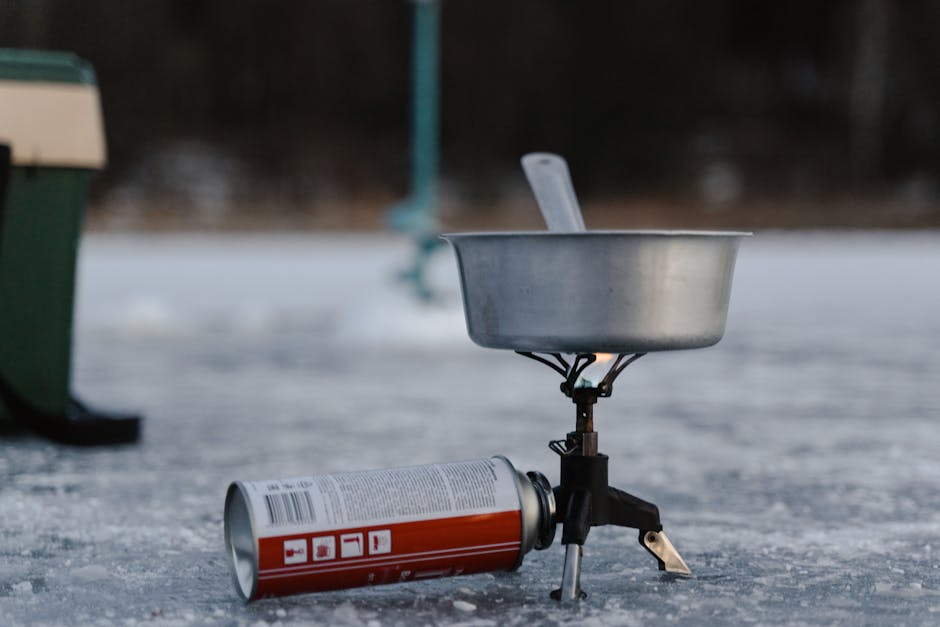
Boiling is a tried and true method for purifying water. It kills bacteria and viruses effectively. All you need is a heat source and a pot or metal container. When you're out in the wilderness, a simple campfire can be your best friend. I often use this method when camping, as it also provides warmth. Do you have a reliable way to start a fire and a container to boil water in your kit? Incorporating these water purification methods ensures you're prepared for the unpredictable nature of the wilderness. Prioritize your health and safety by making sure your survival kit is equipped with these tools.
Food Supplies
A wilderness survival kit should include non-perishable food supplies. Canned beans, energy bars, and nuts offer essential nutrients. Lightweight and easy to carry, they help sustain energy in challenging conditions.
When you're out in the wilderness, having the right food supplies can mean the difference between thriving and just surviving. It's crucial to pack items that are not only lightweight and compact but also offer enough nutrition to keep you going. Whether you're planning for a day trip or an extended adventure, preparing your food supplies with care is key. Let's dive into the essentials that should make it into your wilderness survival kit.
Non-perishable Foods
Choosing non-perishable foods ensures you have a reliable source of nutrition that won't spoil quickly. Think about items like energy bars, dried fruits, and nuts. They are lightweight, packed with energy, and can last for months. Canned goods are another great option. They provide a hearty meal, like beans or tuna, without needing refrigeration. However, remember to pack a can opener, unless you're confident in your ability to MacGyver your way through a survival situation! Instant oatmeal packets are perfect for a quick breakfast. Just add hot water and you have a warm meal to start your day. What's your go-to non-perishable snack on a hike?
Cooking Utensils
Having the right cooking utensils can transform your wilderness experience. A lightweight, compact stove is indispensable for boiling water and cooking meals. Make sure it’s easy to set up and fueled by a source you can easily carry. A small pot or pan should be in your kit. Look for ones with foldable handles for easy packing. And don't forget a spork or a multi-tool utensil to eat with! If you've ever tried cooking without a utensil, you know how challenging it can be. A little preparation goes a long way towards comfort and safety.
Food Storage
Proper food storage is crucial for keeping your supplies safe from wildlife and the elements. Use sealable bags or airtight containers to protect your food from moisture and pests. These also help in organizing your meals, making them easy to access when hunger strikes. A bear-proof container is essential if you're camping in bear country. It might seem cumbersome, but it’s a small price to pay for safety. Consider hanging your food from a tree or using a food locker if available. How do you plan to store your food to keep it safe and secure? Packing the right food supplies with thoughtful consideration can greatly enhance your wilderness adventure. By ensuring you have non-perishable foods, the right cooking utensils, and secure food storage, you set yourself up for a successful and enjoyable trip.
First Aid Kit
A well-stocked first aid kit is vital in the wilderness. It ensures minor injuries don't become major problems. Simple supplies can make a big difference. Let's explore what you should include.
Basic Medical Supplies
Start with basic medical supplies. Include adhesive bandages in various sizes. Add sterile gauze pads and adhesive tape. These items help cover and protect wounds. Scissors and tweezers are also useful. Scissors cut tape and bandages. Tweezers remove splinters and debris.
Wound Care
Proper wound care prevents infection. Include antiseptic wipes to clean cuts. Antibacterial ointment helps prevent bacteria growth. Bandages and gauze keep the wound covered. Consider adding butterfly closures. They help close small, deep cuts.
Pain Relievers
Pain can slow you down in the wild. Include pain relievers in your kit. Ibuprofen and acetaminophen are good options. They reduce pain and inflammation. Pack antihistamines for allergic reactions. They help with insect bites and stings.
Clothing And Footwear
A wilderness survival kit must include durable clothing and sturdy footwear. They protect against harsh weather and rough terrain. Lightweight, waterproof items are ideal for easy movement. Layers offer warmth and flexibility in changing conditions.
When preparing for a journey into the wilderness, selecting the right clothing and footwear is crucial for survival and comfort. Imagine navigating through dense forests or rocky terrains without adequate protection; the wrong choice could lead to discomfort or even danger. In this section, we'll explore the essentials you need in your wilderness survival kit to ensure you're dressed for success.
Layering Systems
Layering is key for maintaining body temperature. Start with a moisture-wicking base layer to keep sweat away from your skin. Add an insulating layer, like a fleece or down jacket, to retain warmth. The outer layer should be wind-resistant, providing protection against harsh elements. Think of your clothing as a system that adapts to changing weather. Peel off layers when you're warm and add them back when it gets chilly. This flexibility can prevent hypothermia, a serious risk when temperatures drop unexpectedly.
Waterproof Clothing
Staying dry is essential in the wilderness. Waterproof jackets and pants are lifesavers when rain strikes. Opt for breathable materials that allow sweat to escape while blocking water from entering. This combination ensures you remain dry and comfortable, even in relentless downpours. Remember a time when a sudden rainstorm drenched you to the bone. Wasn't it miserable? Proper waterproof clothing can prevent that discomfort and keep spirits high.
Durable Footwear
Your feet are your most valuable asset in the wild. Choose durable, sturdy boots with good ankle support to prevent injuries. A pair with a thick sole and good grip can tackle uneven terrain, giving you confidence with each step. Have you ever faced a hike where every step hurt because of poor footwear? Don’t let that happen in the wilderness. Invest in quality boots that fit well, and consider waterproof options to keep your feet dry. In the wild, clothing and footwear are not just about style; they're about survival. What will you pack in your wilderness kit to ensure you're ready for the challenges ahead?
Tools And Repair Kits
In the wild, a survival kit becomes your lifeline. Tools and repair kits are essential for fixing, building, and maintaining gear. They ensure you are prepared for unexpected challenges. These kits keep your equipment functional and reliable.
Multi-tools
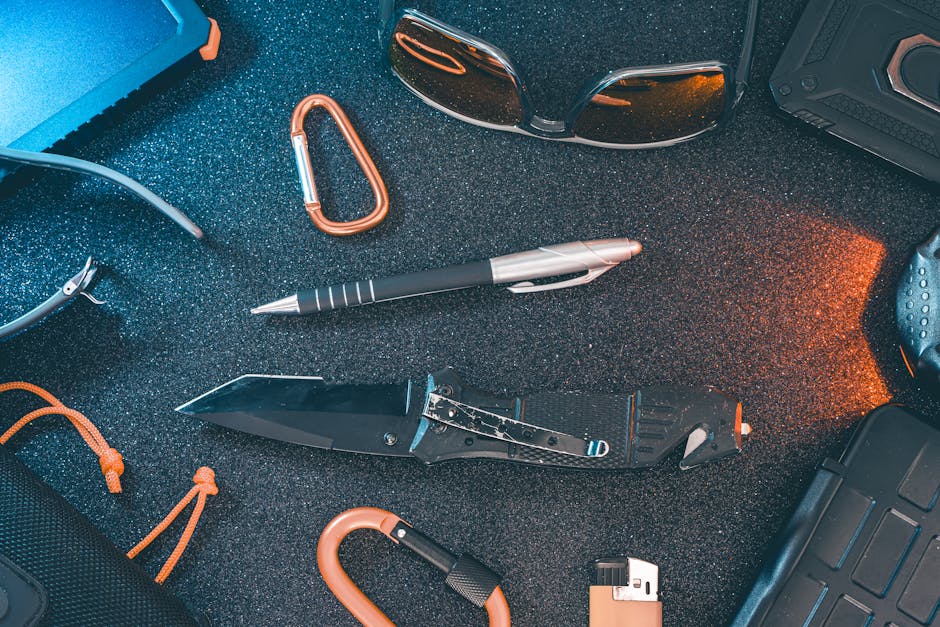
A multi-tool is versatile and compact. It includes pliers, knives, screwdrivers, and more. These tools handle various tasks like cutting, twisting, and tightening. They save space and weight in your kit. They are essential for quick fixes and small repairs.
Duct Tape
Duct tape is incredibly useful. It repairs torn clothing and broken gear. It can patch holes in tents and backpacks. Its strong adhesive helps in many situations. Keep a small roll in your kit. It is a reliable and simple solution.
Sewing Kits
A sewing kit repairs clothing and gear. It includes needles, thread, and scissors. Use it to mend tears and holes. It ensures your gear stays functional. A small kit fits easily in your backpack. It's an essential part of any survival kit.
Signaling Devices
In the wilderness, signaling devices are vital for survival. They help you get noticed by rescuers quickly. Without them, you might remain lost for days or weeks. Let’s explore some key signaling devices you should have in your survival kit.
Whistles
Whistles are small and easy to carry. They create a loud noise that travels far. If you blow a whistle three times, it means SOS. This signal is known worldwide. It's a simple tool but can save your life.
Mirrors
Mirrors reflect sunlight to catch attention. They can reach rescuers miles away. Aim the mirror towards the sky or rescue team. Make sure you practice before heading out. A few minutes could make a big difference.
Flares
Flares produce bright light that is hard to miss. They are effective during the night or in foggy weather. Use flares to signal planes or helicopters. They are reliable but must be used carefully. Always check the expiration date before packing.
Lighting Equipment
A wilderness survival kit must include lighting equipment for safety and guidance in the dark. Flashlights and headlamps are essential for navigating unfamiliar terrains. Always pack extra batteries to ensure your light source remains reliable during emergencies.
In the heart of the wilderness, lighting equipment is your beacon of safety and security. Whether you're navigating a trail in the fading light or setting up camp after sunset, reliable lighting ensures you won't be left in the dark. It's not just about finding your way; it's about maintaining your confidence and peace of mind in challenging environments.
Flashlights
A flashlight is an essential tool in your survival kit. Compact and powerful, it provides a focused beam of light that can cut through the darkest night. Choose one that's durable and water-resistant. It should withstand harsh conditions, like sudden rain or accidental drops. A flashlight with multiple modes—like high, low, and strobe—can adapt to different situations.
Headlamps
Headlamps offer the freedom of hands-free lighting. Imagine setting up your tent or cooking dinner with both hands available. A headlamp makes these tasks easier. Look for models with adjustable straps for comfort and a tilting head to direct light precisely where needed. They're invaluable during night hikes or emergencies when you need to move quickly and efficiently.
Spare Batteries
Spare batteries are crucial for ensuring your lighting equipment is always ready to go. Running out of power can leave you stranded, possibly leading to dangerous situations. Always pack extra batteries for each device, preferably in a waterproof container. Consider rechargeable options if you're on a longer trip and have access to a solar charger. Have you ever been caught in the dark unexpectedly? That moment of panic can be avoided with proper preparation. Lighting equipment might seem like a small part of your survival kit, but it plays a vital role in your overall safety. Don't overlook its importance when planning your next adventure.
Frequently Asked Questions
What Essentials Are In A Wilderness Survival Kit?
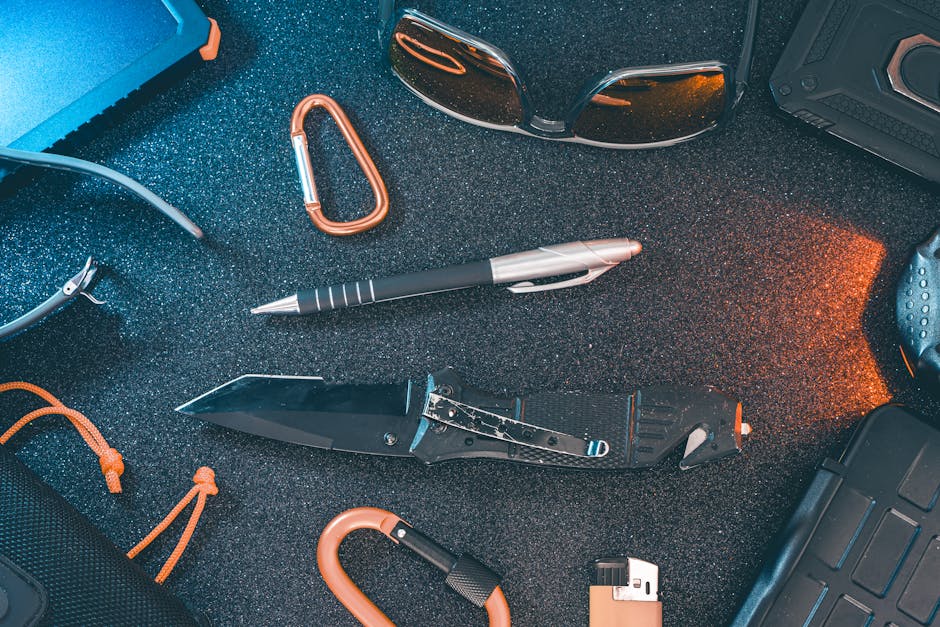
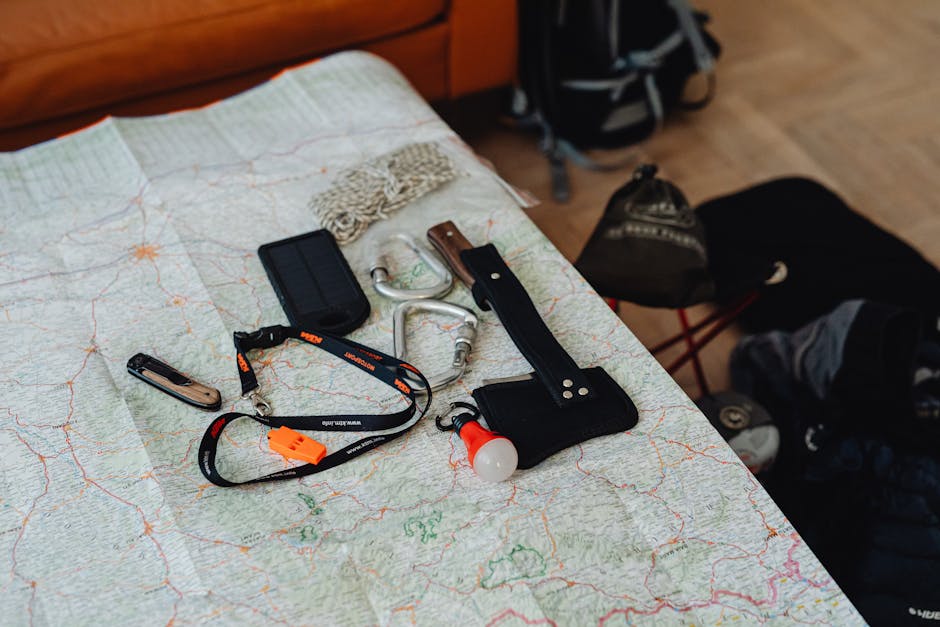
A wilderness survival kit should include a compass, firestarter, whistle, knife, and first-aid kit. Pack a map of the area, water purification tablets, and a space blanket. These essentials help you stay safe and navigate effectively in the wild.
How To Choose A Wilderness Survival Knife?
Choose a knife with a fixed blade and full tang. It should have a comfortable grip. The blade should be durable and not too long. A high-quality knife is essential for building shelters and preparing food.
Why Is A Firestarter Important In Survival Kits?
A firestarter is crucial for warmth, cooking, and signaling for help. It ensures you can start a fire in any weather. Matches or lighters may fail, so a firestarter is reliable. It aids survival by providing heat and light.
How Do Water Purification Tablets Work?
Water purification tablets kill harmful bacteria and viruses in water. They make it safe to drink. Simply dissolve them in water and wait for the recommended time. Always carry purification tablets as a backup to prevent illness from contaminated water.
Conclusion
A wilderness survival kit is crucial for outdoor adventures. It holds essential tools. Think compass, fire starter, and first aid supplies. Each item plays a vital role. They ensure safety and preparedness. Packing wisely can save lives. Always check your kit before heading out.
Tailor it to your specific needs. Consider the environment and duration. Practice using the items too. Familiarity boosts confidence during crises. Remember, nature is unpredictable. A well-prepared kit offers peace of mind. It allows you to enjoy the wild safely.
Prioritize safety and preparedness always. Happy and safe exploring!