Imagine you’re out in the wild, surrounded by the beauty of nature. The air is fresh, the scenery breathtaking.
But suddenly, the adventure takes a turn, and you need to rely on your instincts to get back to safety. Are you prepared? Having a well-equipped wilderness survival kit can make all the difference in such a situation. It’s not just for seasoned explorers or outdoor enthusiasts; it’s for anyone who loves to venture into the great outdoors.
You never know when you might face unexpected challenges, and being prepared could save your life. You’ll discover the essential items you need in your survival kit. Each item plays a crucial role in ensuring your safety and comfort in the wild. Whether you're an occasional hiker or an avid camper, understanding what to include in your kit is vital. Stick with us, and you’ll be equipped with the knowledge to tackle any wilderness adventure with confidence.
Basic Shelter Supplies
A wilderness survival kit should include basic shelter supplies like a durable tarp or emergency blanket. These items provide protection from harsh weather conditions. Lightweight and easy to pack, they ensure safety and warmth outdoors.
When you're out in the wilderness, your survival hinges on having the right gear. Basic shelter supplies are vital to protect you from harsh weather conditions and keep you warm. Whether you're hiking, camping, or exploring unknown terrains, being prepared with these essentials can make a significant difference in your experience. Ever found yourself shivering under the stars, wishing for warmth? Let’s dive into what you should pack for effective shelter.
Tarp Or Emergency Blanket
A tarp or emergency blanket is a lifesaver in the wilderness. It serves multiple purposes, from shielding you against rain to wrapping around you for warmth. They're lightweight and easy to carry, making them ideal for any survival kit. Picture yourself caught in a sudden downpour; a tarp can quickly transform into a makeshift roof, keeping you dry. Have you ever used a tarp as a reflector to signal for help? It's a clever trick that many wilderness enthusiasts swear by.
Rope Or Paracord
Rope or paracord is another indispensable item. It's versatile, strong, and can be used to construct shelters or secure gear. You can use it to tie your tarp between trees or fashion a rudimentary shelter. Have you considered how you might need it to hoist your food out of reach of wildlife? Paracord can even be unraveled for emergency fishing lines or threads for sewing. Ever improvised with a paracord bracelet that doubled as a life-saving tool?
Compact Sleeping Bag
A compact sleeping bag provides warmth and comfort after a long day in the wild. It's designed to be lightweight yet effective in retaining heat. Imagine settling down in a snug sleeping bag as the temperatures drop, feeling the warmth enveloping you. How about using it as extra insulation by stuffing it with leaves or clothing? A good sleeping bag can be the difference between a restful night and a cold, uncomfortable one. These basic shelter supplies are not just gear; they're your lifeline in unpredictable environments. What would you prioritize if you had to pick only one?
Fire Starting Tools
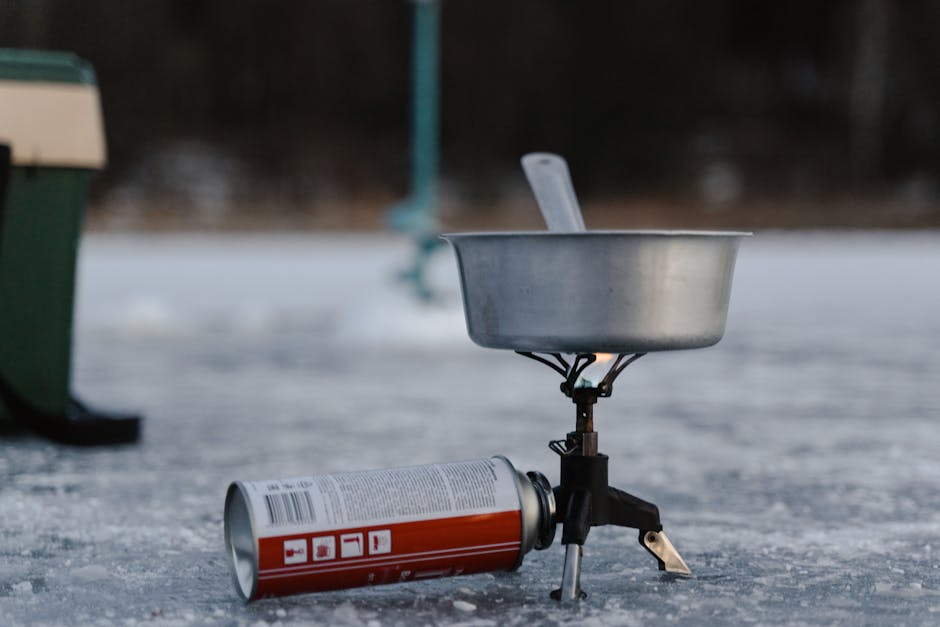
Carrying fire starting tools is vital for wilderness survival. Matches, lighters, and fire starters create warmth and cook food. Keep them dry and accessible in your survival kit.
Venturing into the wilderness is both exhilarating and unpredictable. Being prepared can mean the difference between a memorable adventure and a dire situation. One of the most crucial elements in a survival kit is the fire starting tools. These tools not only provide warmth but also help you cook food, purify water, and signal for help. Let's dive into what specific fire starting tools you should pack in your wilderness survival kit.
Waterproof Matches
When you're out in the wild, rain or damp conditions can be a real challenge. Regular matches might fail you, but waterproof matches are a game-changer. Imagine you're caught in a sudden downpour. Your gear is soaked, but you still need a fire to warm up and dry off. Waterproof matches are designed to light even when wet, ensuring you're never left stranded in the cold.
Fire Starter Rod
A fire starter rod is a must-have for any survival kit. It's a reliable tool that can produce sparks in any weather condition. Unlike lighters that run out of fuel, a fire starter rod can be used thousands of times. Picture yourself in a windy, open field where lighting a match seems impossible. Striking a fire starter rod can create the sparks you need to ignite your tinder material. It's a small investment for peace of mind in the wild.
Tinder Material
Having the right tinder material is just as important as having a source of sparks. Without it, starting a fire can become an arduous task. Natural materials like dry leaves, grass, or bark can work, but they might not always be available. Consider packing some compact and lightweight tinder materials like cotton balls soaked in petroleum jelly or commercial fire cubes. Have you ever tried to start a fire with damp wood? With the right tinder, your chances of success increase dramatically. Incorporating these fire starting tools into your wilderness survival kit is essential for ensuring safety and comfort. Have you packed your kit yet?
Navigation Aids
Navigation aids are crucial in a wilderness survival kit. Finding your way in the wild can be challenging. Having the right tools can make a big difference. You might be exploring unfamiliar terrain. Accurate navigation aids will help you stay on track.
Compass
A compass is a must-have for wilderness navigation. It helps you find direction easily. Compasses are reliable and don't need batteries. Learn how to use it before you go. Practice basic compass skills at home. This tool will guide you through dense forests or open fields.
Topographical Map
A topographical map shows the terrain in detail. It includes hills, valleys, and water bodies. This map helps you understand the land better. Study the map before your trip. Look for landmarks and trails. This knowledge will aid your journey and keep you safe.
Gps Device
A GPS device provides accurate location data. It uses satellites to pinpoint your position. Always keep the GPS fully charged. Carry extra batteries or a power bank. Learn how to operate the device efficiently. A GPS can be a lifesaver in unknown territory.
Water And Purification
A wilderness survival kit must include essential water purification tools. Reliable methods like filters or tablets help ensure safe drinking water. These items prevent dehydration and protect from harmful bacteria.
Navigating the wilderness can be an exhilarating adventure, but ensuring your safety and well-being should always be a priority. One of the most critical aspects of survival is access to clean water. Without it, even the most experienced explorer can face dire consequences. Having the right tools for water collection and purification can make the difference between a successful adventure and a risky predicament. Let's explore what your wilderness survival kit needs to ensure you stay hydrated and healthy.
Water Bottle
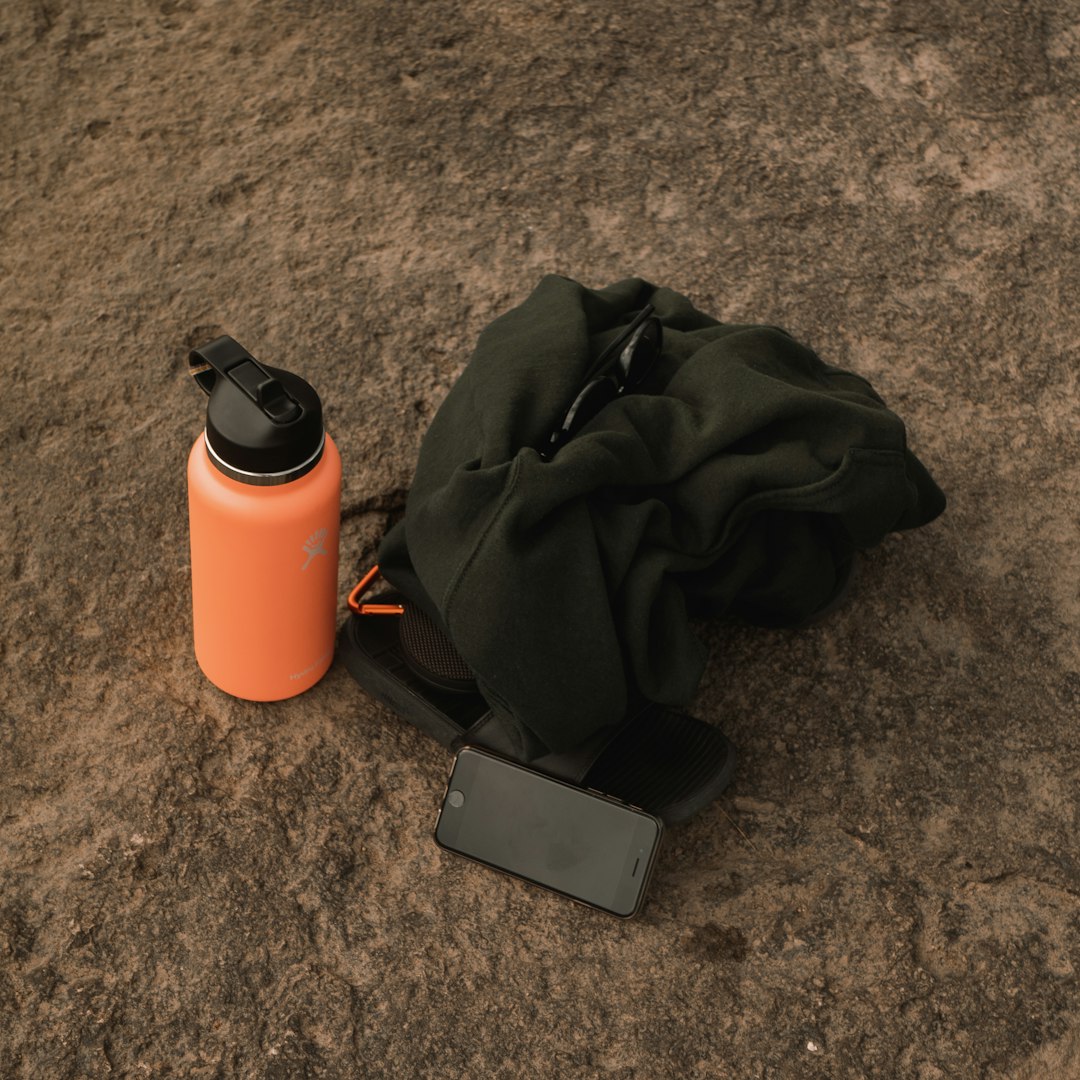
A durable water bottle is a must-have in any survival kit. It not only serves as a vessel for hydration but also as a tool for collecting water from natural sources. Opt for a bottle made of stainless steel or BPA-free plastic. These materials are robust and can withstand the rugged conditions of the wild. Imagine trekking through a dense forest and coming across a stream. Your trusty water bottle becomes your lifeline, allowing you to gather and transport water efficiently. Have you ever considered the peace of mind a simple water bottle can bring when you're miles away from civilization?
Purification Tablets
Purification tablets are small yet powerful tools that can purify water quickly and effectively. When you're out in the wild, it's crucial to treat any water you collect to eliminate harmful bacteria and pathogens. These tablets are compact and lightweight, making them easy to carry. Simply drop one into your water bottle, wait for the recommended time, and your water is ready to drink. Have you ever thought about how a tiny tablet can transform murky river water into a safe hydration source? It's a game-changer for any wilderness adventure.
Portable Water Filter
A portable water filter is another essential component of your survival kit. These filters can remove impurities and contaminants from water, providing you with a clean, drinkable supply. Many filters are designed to be used directly from a water source, offering immediate access to purified water. Picture yourself in a remote mountain range with only a small creek nearby. With a portable filter, you can confidently drink from the creek without worries. Isn't it reassuring to know that technology has made safe drinking water accessible, no matter where you are? By equipping yourself with a reliable water bottle, purification tablets, and a portable water filter, you prepare for any water-related challenges the wilderness may throw your way. Stay hydrated, stay safe, and make the most of your wilderness experience.
Food And Nutrition
Pack lightweight, non-perishable foods like nuts, dried fruits, and energy bars for a wilderness survival kit. Include water purification tablets for safe drinking water. A compact fishing kit can provide additional food sources.
Surviving in the wilderness requires more than just skill and grit. Food and nutrition play a vital role in keeping you energized and focused. Imagine you're trekking through rugged terrain, and suddenly, hunger strikes. Knowing that your survival kit has the right food essentials can be a game-changer. Let’s explore what should be in your wilderness survival kit to ensure your nutritional needs are met when you need them the most.
High-energy Snacks
Packing high-energy snacks is crucial. Think of nuts, dried fruits, and energy bars. These provide quick calories and are easy to carry. Once, while hiking in the Rockies, a handful of almonds kept me going till I reached camp. You'd be amazed how small snacks can boost your stamina instantly. Keep them handy for those unexpected energy dips.
Dehydrated Meals
Dehydrated meals are lifesavers in survival situations. They’re lightweight and just need a bit of water to prepare. I remember a camping trip where a warm, dehydrated pasta meal felt like a gourmet treat after a long day. They’re not just convenient; they offer comfort when you’re far from home. Consider adding a variety of flavors to keep your spirits high.
Multi-vitamins
Multi-vitamins are often overlooked, but they’re essential. Your body needs more than just calories; it requires nutrients to function well. Think about it—when was the last time you felt sluggish because of poor nutrition? A simple multi-vitamin can fill in the gaps, ensuring your body has what it needs to fight fatigue and stay healthy. Keep a small bottle in your kit for daily use. What food items do you think would make your survival kit complete? As you prepare, remember that each item in your kit serves a purpose, ensuring your adventure is both safe and enjoyable.
First Aid Essentials
A wilderness survival kit should include essential first aid items like bandages, antiseptic wipes, and pain relievers. Include a multi-tool, compass, and waterproof matches for emergencies. Lightweight and compact gear helps ensure safety and preparedness in the wild.
Venturing into the wilderness comes with its thrills and challenges. One of the key components that can make or break your experience is having a well-stocked first aid kit. You never know when an unexpected injury might occur. Being prepared can be the difference between a minor setback and a major issue. Let's dive into what you should include in your first aid essentials.
Basic First Aid Kit
A basic first aid kit should be compact yet comprehensive. Bandages and gauze are your go-to items for treating cuts and blisters. Consider adding adhesive tape to help secure these in place. Tweezers are vital for removing splinters or thorns. Have you ever tried removing a tiny splinter without them? It can be surprisingly frustrating. Don't forget a small pair of scissors for cutting tape or gauze.
Antiseptic Wipes
Antiseptic wipes might seem trivial, but they are essential for cleaning wounds. They help prevent infections, which can be particularly nasty in the wild. Imagine getting a cut while trekking and not having any means to clean it—it's a recipe for trouble. Keeping a few wipes in your kit ensures that you can quickly disinfect injuries and carry on with your adventure.
Pain Relievers
Pain relievers such as ibuprofen or acetaminophen can be a lifesaver. Whether it's a headache from the sun or sore muscles from a long hike, these medications can provide quick relief. Have you ever had to cut a hike short because of a splitting headache? A couple of pain relievers could save your day. Including them in your kit ensures you're prepared for those unexpected aches and pains. What items do you consider non-negotiable in your survival kit? Share your thoughts in the comments below!
Signaling Devices
When you're out in the wilderness, communication can mean the difference between being found quickly and spending days lost. Signaling devices are crucial components of any survival kit. They allow you to make your presence known to rescuers, even from a distance. Whether you're hiking through dense forests or trekking across vast plains, these tools can be lifesavers. Let's dive into the essentials you should include in your survival kit for effective signaling.
Whistle
A whistle is small, lightweight, and incredibly effective for signaling. Its high-pitched sound can travel longer distances than a human voice, cutting through the ambient noise of the wilderness. Imagine you're separated from your hiking group and you need to catch their attention. Blowing a whistle is far more effective than shouting. Opt for a whistle with a lanyard so you can wear it around your neck or attach it to your backpack. This ensures it's always within reach when you need it most.
Signal Mirror
A signal mirror is a surprisingly powerful tool for attracting attention. On a sunny day, its reflective surface can send a flash of light over vast distances. Practice using it to aim the reflection accurately. Consider this: if you're stuck in a remote area with no way to communicate, a signal mirror can make you visible to aircraft or distant rescue teams. Choose a compact, durable mirror designed specifically for signaling, as it often comes with a sighting hole to help direct the reflection.
Flare
Flares are especially useful in low-light conditions or during nighttime emergencies. They provide a bright, visible light that can be seen from miles away. Picture yourself trying to signal for help when daylight fades. A flare can illuminate your location, making it easier for rescuers to spot you. Keep in mind, not all flares are the same. Look for ones that are waterproof and have a burn time suitable for your needs. How prepared are you for a situation where visibility is compromised?
Signaling devices are your voice in the wild. They bridge the gap between you and safety, ensuring you're never truly alone. Make sure your survival kit is equipped with these essentials before your next adventure. Remember, the right tools can make all the difference. Are you ready to be heard when it matters most?
Multi-tools And Knives
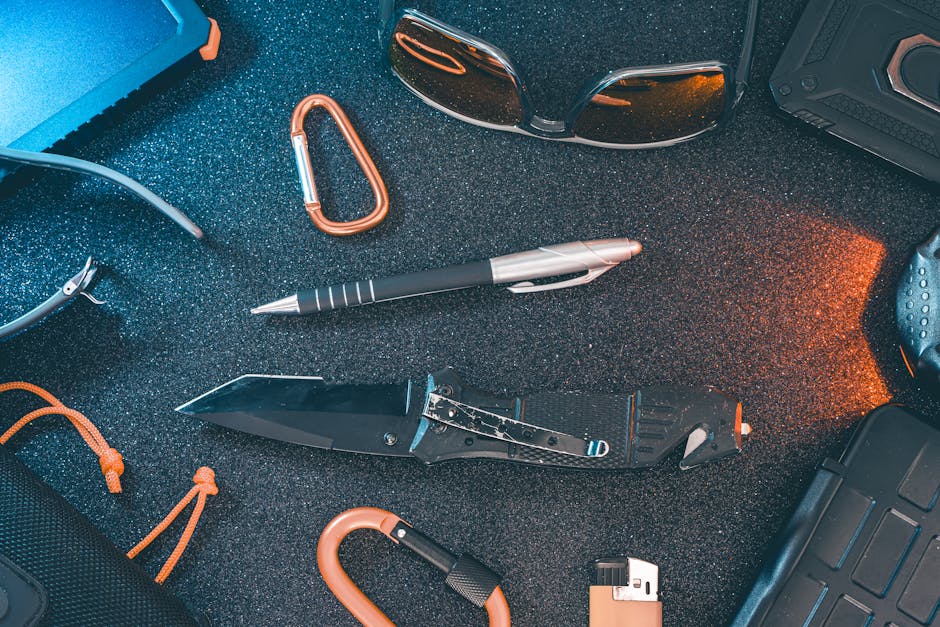
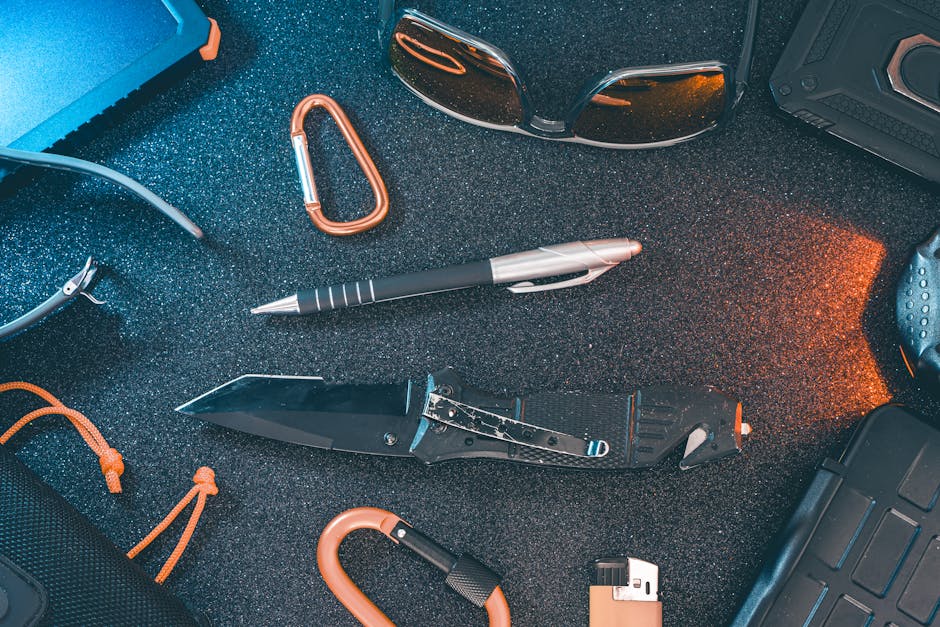
Having the right tools can save your life in the wild. Multi-tools and knives are essential for survival. They offer versatility in challenging situations. These tools help with tasks like cutting, building, and repairing. Let's explore the key items to include in your survival kit.
Folding Knife
A folding knife is compact and easy to carry. It provides precision for cutting and slicing. Choose one with a strong blade for durability. A safety lock prevents accidental opening. This knife is useful for preparing food and crafting tools.
Multi-tool
A multi-tool offers various functions in one device. It usually includes pliers, screwdrivers, and scissors. This tool handles repairs and adjustments. Compact and lightweight, it fits easily in your kit. Look for rust-resistant materials for long-lasting use.
Wire Saw
A wire saw is lightweight and efficient for cutting wood. It helps in building shelters and fires. The flexible wire makes it easy to handle. Choose one with strong metal for cutting tough branches. A wire saw is essential for any wilderness adventure.
Clothing And Protection
A wilderness survival kit needs proper clothing for protection against harsh elements. Include layers to adapt to changing weather. Waterproof jackets and sturdy boots are essential for staying dry and safe in the wild.
When heading into the wild, what you wear can make all the difference. Clothing and protection are crucial components of your wilderness survival kit. They shield you from harsh weather, insects, and other environmental hazards. The right clothing can keep you dry, warm, and safe, ensuring you stay focused on finding your way or waiting for help. Let's dive into the essentials you need to consider for your survival kit.
Waterproof Jacket
A waterproof jacket is your first line of defense against the elements. Imagine getting caught in a sudden downpour without one—uncomfortable, right? A good jacket will keep you dry and prevent hypothermia, a real risk in wet conditions. Choose a lightweight yet durable option that packs easily into your kit. Look for features like adjustable hoods and cuffs to keep out the rain. It’s like having a portable shelter on your back.
Thermal Underwear
Thermal underwear is a game-changer in maintaining body heat. Even on a mild day, temperatures can drop unexpectedly, especially at night. Wearing thermal layers keeps you warm without adding bulk. Opt for materials like merino wool or synthetic fabrics that wick moisture away from your skin. They dry quickly, which is vital if you sweat or get caught in a drizzle. Have you ever had to sleep in the cold? You’ll appreciate the warmth these layers provide.
Insect Repellent
Insects can be more than just a nuisance—they can be dangerous. Bites from mosquitoes or ticks can lead to serious illnesses. Insect repellent is crucial for your safety and comfort. Choose a repellent that protects against a wide range of insects. Products with DEET or picaridin are effective options. Always have it within easy reach, because who wants to be swatting bugs all night? By equipping yourself with these essentials, you're not just surviving—you’re making sure you’re as comfortable and safe as possible. What other clothing items do you think are critical in a survival kit? Make sure your choices keep you protected and ready for whatever nature throws your way.
Lighting Equipment
Lighting equipment is crucial for wilderness survival. Darkness can be daunting, especially in unfamiliar terrain. Proper lighting ensures safety and can signal for help. Essential lighting tools include flashlights, headlamps, and spare batteries.
Flashlight
A flashlight is a key part of any survival kit. It provides a focused beam of light. This is useful for spotting distant objects or navigating trails. Choose a durable, waterproof model. LED flashlights offer longevity and brightness. Small, portable designs fit easily into your pack.
Headlamp
Headlamps offer hands-free lighting. They are perfect for tasks requiring both hands. Adjustable straps ensure a comfortable fit. Look for headlamps with multiple light settings. Red light modes help preserve night vision. Lightweight designs prevent neck strain.
Spare Batteries
Spare batteries are vital for your lighting equipment. Batteries ensure your gear remains functional. Stock up on the correct types for your devices. Store them in a dry, cool place. Consider rechargeable batteries for sustainability. Pack a solar charger for emergencies.
Frequently Asked Questions
What Should Be In A Survival Kit?
A survival kit should include essentials like water purification tablets, a first aid kit, a multi-tool, and fire starters. These items help in emergencies. Additionally, carrying a compass and a whistle can aid in navigation and signaling. Remember, each item should be compact and lightweight for easy portability.
How Do I Choose The Right Gear?
Choose gear based on your environment and duration of stay. For cold climates, pack thermal blankets and clothing. In forests, a machete can be useful. Always prioritize lightweight, durable items. Consider multi-functional tools that save space and add versatility. Research specific regional needs before packing.
Why Is Water Purification Important?
Water purification is crucial for health and safety in the wilderness. Contaminated water can lead to illnesses. Carry water purification tablets or a portable filter. These tools ensure you can drink safely from natural water sources. Always prioritize clean drinking water in your survival kit.
How Can I Signal For Help?
Signaling for help is vital in emergencies. Use a whistle for audible signals. A mirror can reflect sunlight to catch attention. Brightly colored items, like a poncho, can be seen from afar. Knowledge of SOS signals can be lifesaving. Always keep signal tools accessible in your kit.
Conclusion
Survival kits are essential for wilderness adventures. They can save lives. Remember to include the basics. Water, food, shelter, and tools. Don't forget a first aid kit. These items are crucial. Consider your environment and needs. Tailor your kit accordingly.
Know how to use each item. Practice and preparation are key. This knowledge boosts confidence. Stay calm during emergencies. Your survival kit is your lifeline. Keep it organized and accessible. Regularly check and update its contents. Stay safe and enjoy your journey.
Nature awaits, but be prepared.