Imagine you're facing an unexpected emergency. Maybe it's a sudden storm, a power outage, or an unexpected car breakdown.
In these moments, having a well-prepared survival kit can make all the difference. But what should you put in a survival kit to ensure you're ready for anything life throws your way? The answer might surprise you. It's not just about having a flashlight or some canned food.
It's about preparing a kit that meets your unique needs and keeps you calm and collected. Your survival kit is more than just a collection of items; it's your safety net, your peace of mind. We’ll unravel the essentials every survival kit should have, tailored to your lifestyle. We'll dive into the must-haves that will keep you safe, secure, and prepared. Stick with us, and you'll discover the secrets to building a survival kit that’s not only practical but also empowering. Are you ready to find out what you truly need? Let's get started!
Basic Necessities
A survival kit should include essentials like water, non-perishable food, flashlight, first-aid supplies, and a multi-tool. It's important to have a whistle for signaling and extra batteries for devices. Don't forget a basic map and matches or a lighter for emergency situations.
When preparing a survival kit, it's crucial to prioritize the essentials that can sustain you in an emergency. These basic necessities are your lifeline when you find yourself in challenging situations. Let's explore what you should include to ensure your safety and comfort.
Water And Hydration
Water is the most critical element for survival. You need to ensure a reliable supply. Pack at least one gallon per person per day for drinking and sanitation. Consider adding water purification tablets or a portable water filter. These tools can help you access safe drinking water from natural sources. A lightweight collapsible water container can also be handy for storage and transport.
Food Supplies
Stock up on non-perishable food items that provide energy and nutrition. Think about foods with a long shelf life, like canned goods, energy bars, and dehydrated meals. You might want to include a manual can opener to access canned foods easily. Remember, comfort foods can boost morale, so consider adding some of your favorites.
Shelter And Warmth
Staying warm and protected from the elements is vital. Add items like an emergency blanket or a compact sleeping bag to your kit. These can keep you warm in cold weather. A basic tent or a tarp can provide shelter from rain or sun. Don't forget to include a few hand warmers for extra comfort in chilly conditions. What would you do if you were stranded without these essentials? Preparing your survival kit now ensures you're ready for the unexpected. Take action today to secure your peace of mind.
Safety And First Aid
A well-prepared survival kit is essential for safety and first aid. Include basic items like a first aid kit, flashlight, water, and non-perishable food. Don't forget a whistle and multi-tool for emergencies. Tailor the kit to personal needs for optimal preparedness.
In any emergency situation, having a well-prepared survival kit can be the difference between safety and catastrophe. Among the most crucial components of a survival kit are items that ensure your safety and provide first aid. Are you prepared to handle an unexpected injury or signal for help? Let's dive into the essentials you need for your safety and first aid needs.
First Aid Kit
A compact first aid kit is non-negotiable. It should include band-aids, antiseptic wipes, adhesive tape, gauze pads, and pain relievers. A few years ago, a simple splinter turned into a painful infection for me during a camping trip. Luckily, my first aid kit saved the day. Add tweezers and scissors for precision tasks. Don't forget items like a digital thermometer and a first aid manual. These can guide you through handling injuries correctly.
Personal Protection
Your personal protection items keep you safe from environmental threats. Consider packing a dust mask, goggles, and gloves. Once, while hiking, I encountered a dust storm. My mask and goggles kept the dust out and my eyes clear. A poncho or raincoat can protect against sudden weather changes. Choose durable, lightweight options that take up minimal space.
Signaling Tools
Signaling tools can be lifesavers when you're stranded. A whistle is a simple yet effective tool. Its shrill sound can travel far, alerting rescuers to your presence. A mirror is another handy item. Reflecting sunlight can signal aircraft or distant help. Flashlights or headlamps with extra batteries ensure you have light when you need it. Remember, being visible is crucial in emergencies. Think about your own experiences. Have you ever been caught unprepared? Equip yourself with these essentials to avoid future peril. Your safety and ability to provide first aid may just save a life—maybe even your own.
Navigation And Communication
A survival kit should include essential items for navigation and communication. Pack a map and compass to find directions. Bring a whistle and signal mirror for emergency communication, ensuring you can be located if needed.
When it comes to survival, being able to navigate and communicate effectively can make the difference between safety and getting lost. Imagine you're out in the wild, the sun is setting, and the trail has vanished. How do you find your way back or call for help? That's where the essentials of navigation and communication come into play. Let's dive into what you need to include in your survival kit to ensure you're prepared for these critical situations.
Maps And Compass
A good old-fashioned map never runs out of battery. It's a reliable tool that can guide you when digital devices fail. Always carry a detailed map of the area you're exploring, whether it's a national park or a remote hiking trail. Pair your map with a compass, and you have a powerful navigation duo. Learning to use a compass might seem old school, but it can be a lifesaver. Practice reading maps and using a compass before you set out. It's a skill worth mastering.
Emergency Communication Devices
In emergencies, reaching out for help is crucial. You can't always rely on your smartphone. Batteries die, and signals can be weak or nonexistent in remote areas. Consider adding a satellite phone or a personal locator beacon (PLB) to your kit. These devices can send distress signals and your location to rescue services. Two-way radios are also handy, especially if you're traveling in a group. They allow you to stay in touch with your team, even when mobile networks fail. What's your go-to device for communication in the wild?
Tools And Equipment
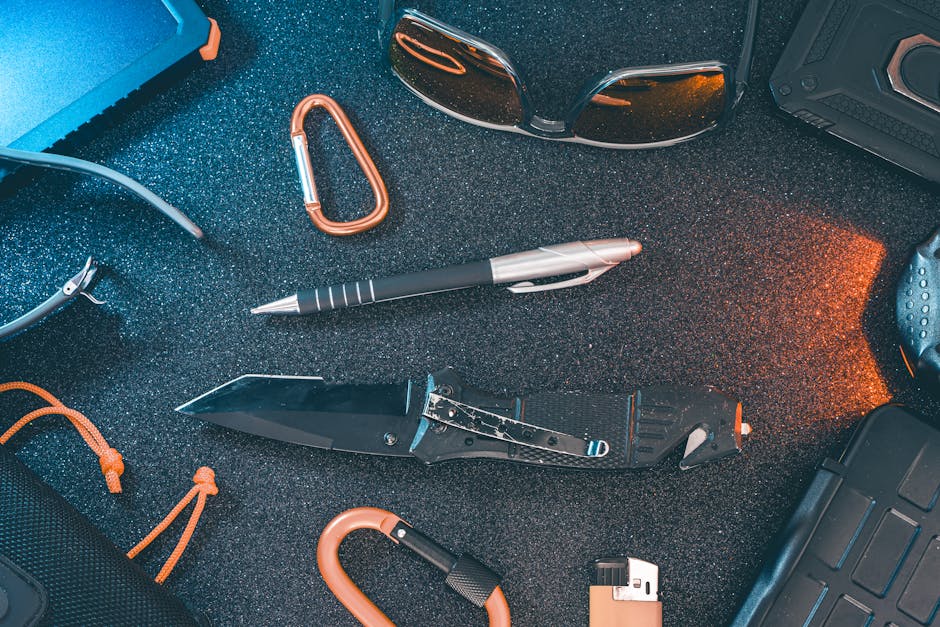
A well-prepared survival kit includes essential tools like a flashlight, multi-tool, and a reliable knife. Pack items like a first aid kit, water purification tablets, and a fire starter. These basics ensure safety and readiness during emergencies.
When it comes to preparing a survival kit, tools and equipment are essential elements that can make all the difference in an emergency situation. Think about what you need to tackle unexpected challenges effectively. The right tools can help you build a shelter, find food, or signal for help. It's not just about having equipment; it's about having the right equipment.
Multi-tool And Knife
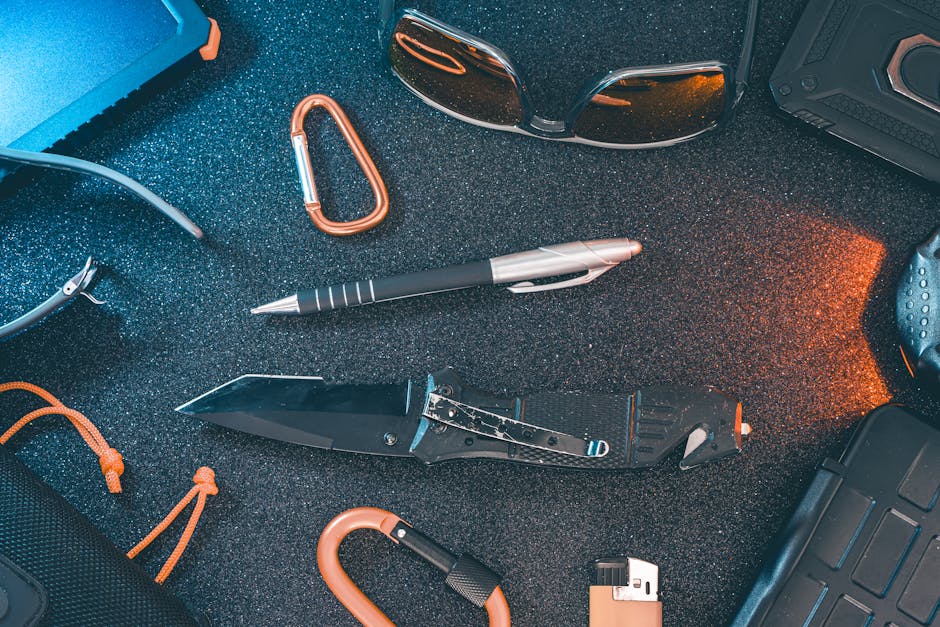
A multi-tool is like having an entire toolbox in your pocket. Picture yourself facing a broken tent pole or needing to open a can of food. A multi-tool can be your best friend, equipped with pliers, screwdrivers, scissors, and more. Don't forget a sturdy knife. It's not just for cutting; you might need it for preparing food or creating makeshift tools. A reliable knife can aid in crafting, cooking, and even protection. Think about the last time you had to cut something without proper tools – frustrating, right?
Fire Starter
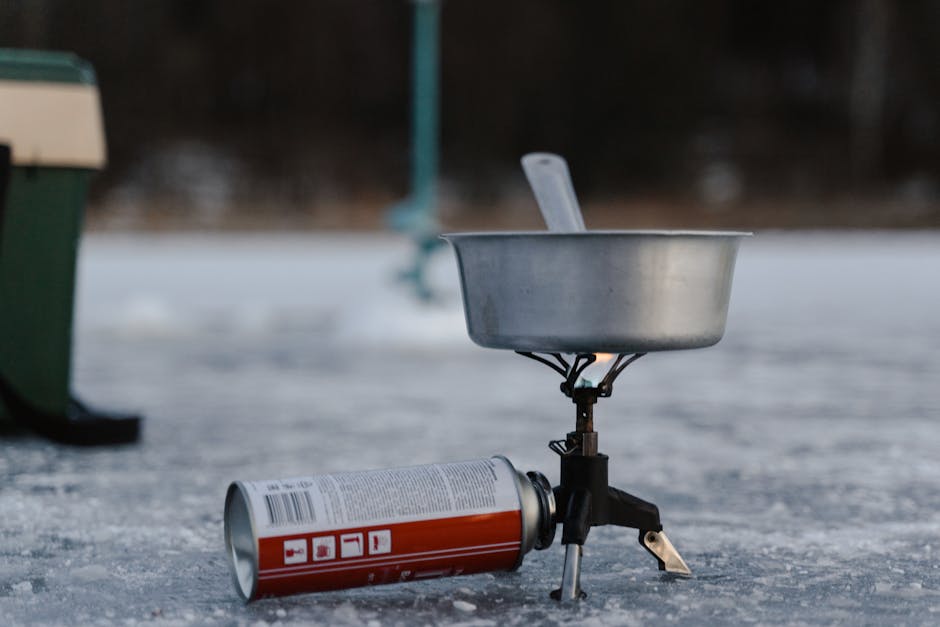
Imagine being stranded without heat or a way to cook your food. A fire starter is crucial. Matches can get wet and become useless. Consider a magnesium fire starter; it works in any weather and can be a lifesaver. How would you feel if you couldn't make a fire when you needed it the most? With the right fire starter, you can stay warm, cook food, and signal for help. It's more than just a convenience; it's a necessity.
Light Sources
Being in the dark can be terrifying, especially in an unfamiliar environment. Light sources such as flashlights or headlamps are vital for navigating and signaling. You never know when you'll need to venture out at night or read a map. Think about that time you tried to find something in the dark, using just your phone's flashlight. Not ideal, right? Ensure your survival kit includes a durable light source that can guide you when the sun goes down. In building your survival kit, ask yourself: Are you prepared for the unexpected? Equipping yourself with the right tools and equipment can mean the difference between getting through a tough situation or struggling. What tools would you trust your life with?
Clothing And Personal Items
A survival kit should include sturdy clothing, a waterproof jacket, and durable shoes. Add personal items like hygiene products, a flashlight, and a first aid kit. These essentials ensure comfort and readiness in emergencies.
Preparing a survival kit is like preparing for life's unexpected twists and turns. One crucial aspect often overlooked is clothing and personal items. These essentials can make the difference between discomfort and survival. Consider what you wear and carry, as they play a pivotal role in how you face the elements and challenges ahead.
Weather-appropriate Clothing
What if you find yourself in a torrential downpour or a sudden cold snap? Your survival kit should include weather-appropriate clothing to keep you safe and comfortable. Think layers: a thermal base layer, a warm fleece, and a waterproof outer shell. Each piece helps you adapt to different climates. Pack extra socks and underwear. A change can refresh your spirits when the going gets tough. Remember, weather can be unpredictable. Are you prepared for a chilly night or a scorching day?
Personal Identification
Your survival kit should contain essential personal identification. Imagine needing medical assistance and not having your ID. Include copies of your driver's license, passport, and any necessary medical information. Secure these in a waterproof bag. Having these documents ensures you can identify yourself and receive aid if needed. Have you ever thought about how essential these simple papers are in a crisis?
Comfort Items
In times of stress, a little comfort can go a long way. While not life-saving, comfort items can lift your spirits in dire situations. Consider packing a small family photo or a beloved book. These familiar items can provide emotional support when you need it most. Think about your favorite snack. A small treat can be an incredible morale booster. What would bring you comfort when everything else seems uncertain? Your survival kit isn't just about survival; it's about thriving in the face of adversity. What you choose to pack speaks volumes about your readiness and resilience.
Miscellaneous Supplies
Building a survival kit can be essential for emergencies. While food, water, and shelter top the list, miscellaneous supplies play a crucial role too. These items can make a significant difference in unexpected situations. Let's dive into the importance of duct tape, cordage, sanitation supplies, and emergency cash in your survival kit.
Duct Tape And Cordage
Duct tape is versatile and strong. It can mend broken items or patch torn clothes. Its waterproof nature is ideal for sealing leaks. In survival situations, duct tape can be a lifesaver. Cordage, like paracord, is equally important. It helps with building shelters or securing gear. You can use it for fishing, climbing, or creating traps. These items are light but offer great utility.
Sanitation Supplies
Maintaining hygiene is vital in emergencies. Basic sanitation supplies are crucial. Include items like soap, hand sanitizer, and wet wipes. These help prevent infections and illnesses. Garbage bags can be used for waste disposal or as emergency rain gear. Toilet paper and feminine hygiene products are also important. Cleanliness supports health and morale in tough times.
Emergency Cash
Having emergency cash is wise. Digital payments might fail in crises. Cash can buy essential items or services. Small bills are preferable for easy transactions. Keep them in a waterproof bag to protect from moisture. Coins can be useful too. They add weight but might be needed. Currency offers flexibility when options are limited.
Frequently Asked Questions
What Is Essential In A Survival Kit?
A survival kit should include water, food, first-aid supplies, and a flashlight. It's vital to have a multi-tool, blanket, and matches. Communication tools like a whistle or mirror are helpful for signaling. Ensure everything is compact and easy to access.
Regularly check and update items based on needs.
How Much Water Should Be In A Survival Kit?
It's crucial to have at least one gallon of water per person per day. This amount covers basic drinking and hygiene needs. Consider storing water purification tablets for emergencies. Rotate stored water regularly to ensure freshness. Always prioritize hydration in any survival situation.
Should I Include Food In My Survival Kit?
Yes, non-perishable food items are essential for a survival kit. Choose lightweight, calorie-dense options like granola bars or freeze-dried meals. Don't forget utensils and a manual can opener if needed. Store food in waterproof containers to prevent spoilage. Regularly check expiration dates and replace as necessary.
Are First-aid Supplies Necessary In A Survival Kit?
Absolutely, first-aid supplies are crucial for treating injuries in emergencies. Include bandages, antiseptic wipes, and pain relievers. Add tweezers, gauze, and adhesive tape for more serious wounds. Consider including a first-aid manual for guidance. Regularly update supplies to ensure effectiveness and readiness.
Conclusion
A well-prepared survival kit keeps you ready for emergencies. Pack essential items like water, food, and a first-aid kit. Don't forget tools like a flashlight and multi-tool. Extra clothing and blankets provide warmth. Important documents and cash are also vital.
Customize your kit for different situations. Regularly check and update it. Being prepared gives peace of mind. Safety is always a priority. Stay ready, stay safe.