You never know when an unexpected situation might arise. Whether it's a natural disaster, a power outage, or an unforeseen emergency, being prepared can make all the difference.
That's why having a well-stocked survival kit is crucial. Imagine the peace of mind you'll feel knowing that you're ready for anything life throws at you. But what should you include in your survival kit to ensure you're fully equipped?
This article will guide you through the essentials you need to have at your fingertips. Get ready to discover the must-have items that will not only boost your preparedness but also ensure your safety and comfort during challenging times. Keep reading to find out how you can turn uncertainty into confidence.
Emergency Food Supplies
Preparing for emergencies means having the right food supplies ready. Your survival kit needs foods that last and give energy. These foods must endure without spoiling for long times. Choose items that are easy to carry and store. They should also be simple to prepare.
Non-perishable Items
Non-perishable items are essential for any survival kit. Canned goods like beans and soups provide nutrition. They last long and are easy to store. Choose foods with high protein and fiber. They help keep you full and energized. Dried fruits and vegetables are also great choices. They offer vitamins and are lightweight.
Instant noodles and rice are easy to prepare. Just add water, and they are ready to eat. Don’t forget to include packets of salt and sugar. They add flavor and energy when needed. Always check expiration dates regularly. Replace items before they expire.
High-energy Snacks
High-energy snacks boost your stamina during emergencies. Energy bars and granola bars are compact and nutritious. They provide quick energy and taste good too. Nuts and seeds are rich in healthy fats and proteins. They keep you full longer.
Peanut butter is a fantastic high-energy food. It’s protein-packed and easy to spread on crackers. Dark chocolate can also be a valuable addition. It offers a quick energy boost and satisfies cravings. Remember, these snacks should be easy to open and consume.
Water And Hydration
Water is vital for survival. Staying hydrated is crucial in any emergency. Your survival kit must include reliable water sources and hydration solutions. Without water, you can't last long. So, let's explore the essentials for water and hydration in your survival kit.
Portable Water Filters
Portable water filters are a must-have. They remove impurities from water. Filters make unsafe water drinkable. Lightweight and easy to use, they fit in any kit. Many types of filters exist. Choose one based on your needs. Some filters even remove bacteria and viruses. Always have a backup filter. It's smart and safe.
Water Storage Solutions
Storing water is critical. You need containers that won't leak. Consider collapsible water bottles. They save space. Large water bladders are also useful. They can store more water. Make sure containers are BPA-free. This ensures water stays clean. Always have more than one storage option. Be prepared for the unexpected.
Shelter And Warmth
In times of emergency, shelter and warmth are crucial. Harsh weather can be unpredictable. A well-prepared survival kit can make all the difference. Staying warm and dry keeps you safe. Below are essential items to include.
Compact Tents
Compact tents are lightweight. They are easy to carry. They provide immediate shelter. Quick setup is important in emergencies. Choose tents with weather resistance. Ensure they fit your kit space. Size matters for comfort.
Thermal Blankets
Thermal blankets retain body heat. They are compact and easy to store. Use them in cold conditions. They are often waterproof. This protects you from rain. They are affordable and reliable. They should be in every kit.
First Aid Essentials
First Aid Essentials are crucial for survival kits. Include bandages, antiseptic wipes, and pain relievers for emergencies. Don't forget a flashlight, adhesive tape, and scissors to be fully prepared.
In any survival situation, having a well-stocked survival kit can be a lifesaver. Among the essentials, a reliable first aid kit stands out as crucial. Whether you're hiking, camping, or facing unexpected emergencies, first aid supplies help you deal with minor injuries and prevent them from becoming major problems. Imagine being miles away from help with a nasty cut or sudden allergic reaction. Would you be prepared to tackle it on your own? Let’s dive into what you need in your first aid kit to ensure you’re ready for anything.
Basic Medical Supplies
When packing your survival kit, think about the basics. A good first aid kit should include bandages of various sizes, sterile gauze pads, and adhesive tape. These are the backbone of any kit. Scissors and tweezers are also critical. You might need them for cutting tape or removing splinters. Keep a few antiseptic wipes handy to clean wounds. Consider adding a CPR mask if you have space. In emergencies, you might need to assist someone struggling to breathe.
Emergency Medications
Medications can make a huge difference in survival situations. Stock up on pain relievers like ibuprofen or aspirin. They help manage pain and inflammation. Don't forget antihistamines for allergic reactions. They can prevent minor allergies from becoming serious. If you have personal prescriptions, ensure you have extras packed. Think about stomach issues as well; medications for nausea or diarrhea can be crucial. In a survival scenario, having these essentials within reach can make all the difference. Have you thought about which items you'd prioritize?
Tools And Equipment
A good survival kit includes essential tools like a flashlight, a multi-tool, and a first aid kit. Ensure you have a water filter, matches, and a whistle for emergencies. Compact and durable items are best for easy packing and reliability.
When you think about assembling a survival kit, the tools and equipment you choose can make a significant difference in how well-prepared you are for emergencies. These items aren't just add-ons; they're essentials that can support your basic needs and keep you safe. Selecting the right tools requires a thoughtful approach, considering their practicality and versatility in various situations.
Multi-tools
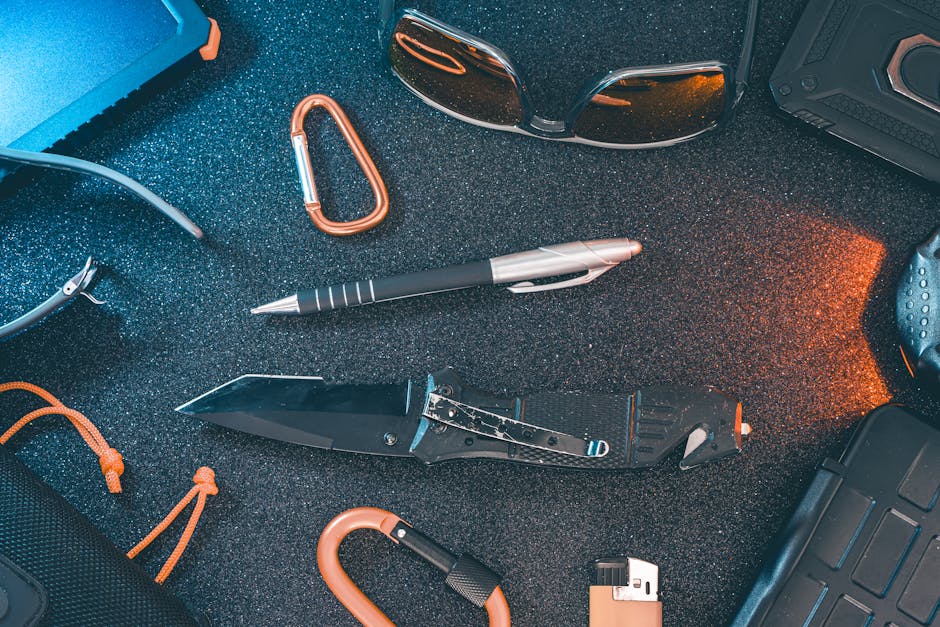
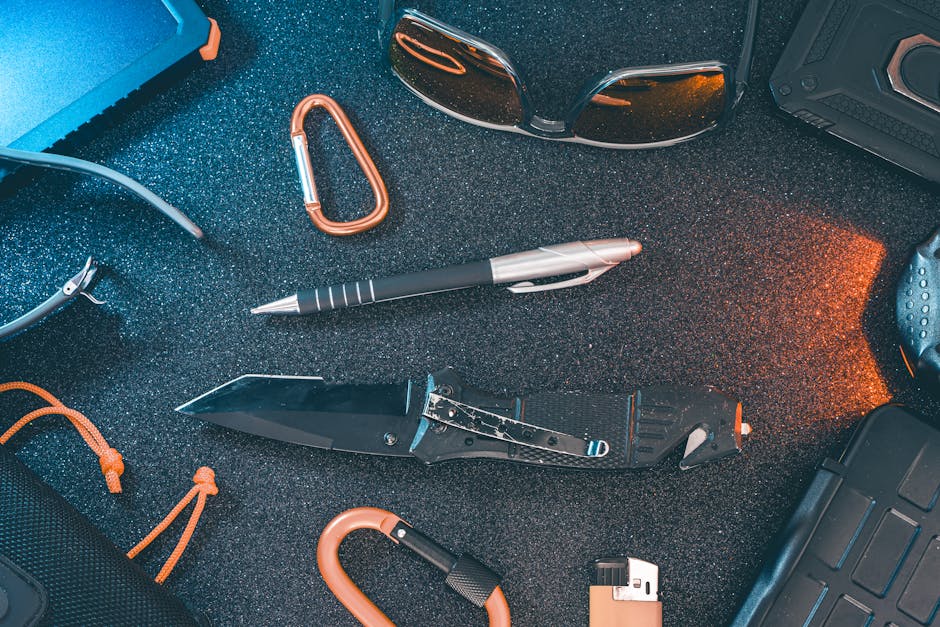
Multi-tools are like the Swiss Army knife of your survival kit. They offer a compact, portable solution to tackle various tasks. Whether you're cutting rope, opening a can, or tightening a screw, a multi-tool can handle it all. Consider carrying one with a variety of functions. A good multi-tool includes pliers, a knife, a screwdriver, and even a mini saw. These tools can be lifesavers when you're out in the wild or facing unexpected challenges. Think about your daily experiences. Have you ever needed to fix something on the spot? A multi-tool can be your go-to gadget, saving you time and stress in critical moments.
Fire Starters
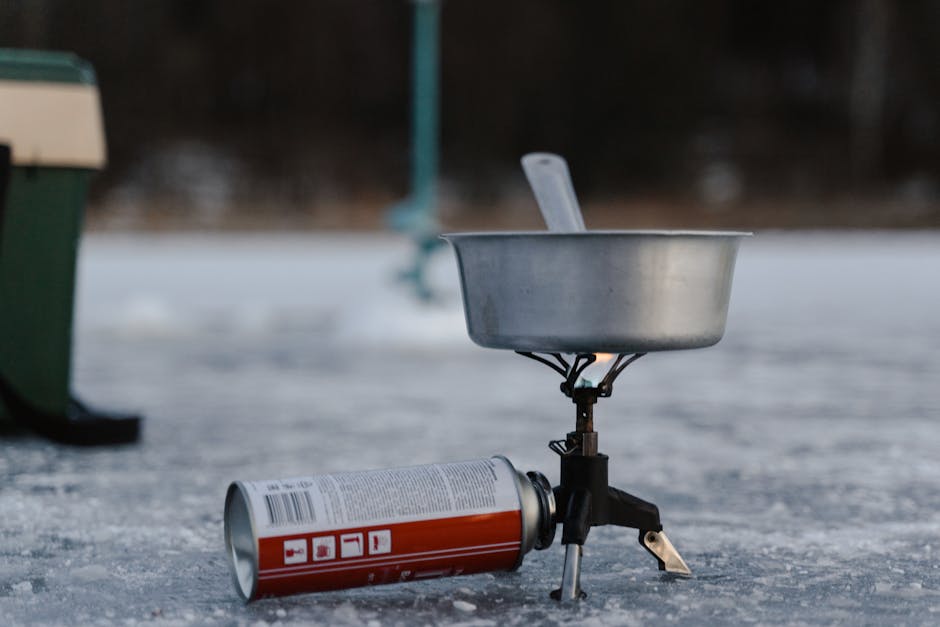
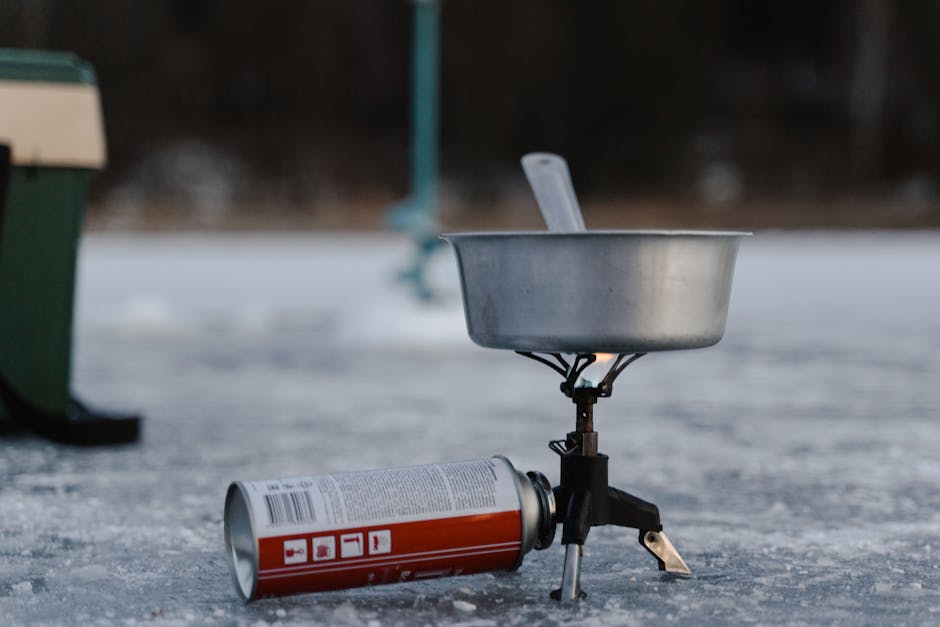
Fire starters are crucial for warmth, cooking, and signaling for help. When you're out in the wilderness, the ability to create a fire can be a game-changer. Matches might get wet or break, but a reliable fire starter can work in various conditions. Magnesium fire starters, for instance, are durable and effective. They produce a spark that can ignite tinder even in damp environments. Having one in your survival kit ensures you have a backup plan when matches or lighters fail. Reflect on a time when you needed warmth on a chilly night. A fire starter could have made all the difference, providing comfort and safety.
Do you have the right tools in your survival kit? With these essentials, you can face unexpected challenges head-on, prepared and confident.
Navigation And Communication
In emergencies, reliable navigation and communication tools are vital. Staying connected and knowing your location can save lives. These tools ensure you can find your way and call for help. A well-prepared survival kit includes both navigation and communication essentials.
Maps And Compasses
Maps are essential for finding your way in unknown areas. Keep a detailed map in your survival kit. Choose maps that show local terrain, roads, and landmarks. These details help you plan safe routes.
A compass complements a map perfectly. It helps you determine direction accurately. Even without GPS, a compass guides you effectively. Learning basic compass skills enhances your navigation ability.
Emergency Radios
Emergency radios are critical in survival situations. They keep you updated on weather and rescue operations. Choose a radio with multiple power sources. Battery, solar, and hand-crank options are best.
Some radios also feature flashlights and USB ports. These extras increase their utility in emergencies. Regularly check and maintain your radio to ensure it's always ready.
Personal Safety Items
Survival kits need essential personal safety items. Include a flashlight to light up dark spaces. Pack a whistle for signaling help. First aid supplies are critical for treating injuries. Water purification tablets ensure safe drinking water. These items enhance safety in emergencies.
In uncertain situations, personal safety items are crucial. These tools help protect and alert. They can mean the difference between safety and danger. A good survival kit includes essential personal safety items. These tools offer peace of mind and security.
Pepper Spray
Pepper spray is a powerful self-defense tool. It's compact and easy to carry. This spray causes temporary blindness and irritation. It gives you time to escape a threat. Keep it accessible in your bag or pocket. Practice using it to feel confident. Ensure it's legal in your area before purchasing.
Whistles
A whistle can save your life in emergencies. It's small, lightweight, and loud. The sound alerts others to your location. It's especially useful in remote areas. Attach it to your keychain or backpack. A whistle is a simple yet effective safety tool. Carry it at all times for added security.
Lighting And Power
A survival kit should include reliable lighting and power sources. Flashlights, lanterns, and extra batteries ensure visibility in emergencies. Portable chargers and solar panels help keep essential devices running.
When you're preparing a survival kit, lighting and power are crucial elements to consider. Imagine being in a situation where the sun sets, and you’re left in complete darkness. Without proper lighting, even simple tasks become challenging. Power sources are equally essential, ensuring that your devices remain charged and operational. A well-prepared survival kit with adequate lighting and power can make all the difference in an emergency.
Flashlights
A reliable flashlight should be at the top of your list. It's not just about seeing in the dark; a flashlight can signal for help or scare off potential threats. Choose one with a long battery life and sturdy build. LED flashlights are particularly effective because they offer bright light and conserve energy. I remember a camping trip where my flashlight was my lifeline during a sudden downpour. Its waterproof feature kept it operational, proving invaluable. Keep extra batteries in your kit. They’re lightweight and can extend the functionality of your flashlight significantly. Have you considered a headlamp? It keeps your hands free, which is vital during multitasking in emergencies.
Portable Chargers
In today's digital age, staying connected is crucial. A portable charger ensures your phone or GPS remains powered. Opt for high-capacity models that can charge your device multiple times. Solar chargers are a great backup. They harness the sun’s power, making them ideal for extended outdoor situations. On a recent trek, my solar charger kept my devices running even in remote areas, offering peace of mind. Keep in mind the charging cables specific to your devices. A versatile power bank with multiple ports can charge various gadgets simultaneously. What’s your plan if your primary charger fails? Always have a backup to ensure consistent power. Incorporating these lighting and power essentials into your survival kit prepares you for unforeseen challenges. It’s about being ready, staying safe, and maintaining your lifeline to the outside world.
Clothing And Protection
Essential clothing keeps you safe in survival situations. Choose durable fabric for protection against harsh environments. Your kit must include sturdy boots, weather-resistant jacket, and gloves.
When planning your survival kit, clothing and protection are crucial elements. They not only provide comfort but also ensure your safety in harsh environments. A well-prepared kit can make a significant difference in an emergency situation. Consider the time you got drenched in unexpected rain without a jacket—now imagine that scenario in a survival situation.
Weather-appropriate Attire
Choosing the right attire for your survival kit is essential. Your clothing should be adaptable to varying weather conditions. Think layers. A moisture-wicking base layer keeps sweat off your skin. Add an insulating layer to retain body heat. Finish with a waterproof and windproof outer layer. This combination prepares you for rain, snow, or intense sun. Don't forget a hat and gloves. A beanie can prevent heat loss on cold nights. Gloves protect your hands from blisters and cuts.
Protective Gear
Protection goes beyond clothing. Equip yourself with essentials that shield you from unexpected dangers. A sturdy pair of boots is invaluable. They offer ankle support and protection from rough terrain. Consider adding a multi-purpose scarf or bandana. They can serve as a dust mask, sun guard, or even a bandage. Sunglasses with UV protection safeguard your eyes in bright environments. Reflect on the last time you faced harsh weather without proper gear. A survival kit packed with the right clothing and protection can transform a potentially dangerous situation into a manageable one. Are you prepared for the unpredictable?
Important Documents
In a survival situation, important documents are crucial. They provide proof of identity and aid communication. Without them, accessing services or contacting loved ones can be tough. Preparing these documents ensures you're ready for any emergency.
Identification Copies
Include copies of identification in your survival kit. Keep a photocopy of your passport and driver's license. These documents confirm who you are. In case of evacuation, they are essential. Store them in a waterproof container. Protect them from damage.
Emergency Contacts
Write down emergency contacts. Include family, friends, and local services. If phones fail, having written contacts is vital. List names, phone numbers, and addresses. Keep this list updated. Ensure everyone knows where it is stored.
Frequently Asked Questions
What Items Are Essential In A Survival Kit?
A survival kit should include water, non-perishable food, a flashlight, batteries, a first aid kit, and a multi-tool. These items provide basic necessities and help in emergency situations. Make sure to customize your kit based on personal needs and local conditions.
How Much Water Should A Survival Kit Contain?
Your survival kit should have at least one gallon of water per person per day. This amount covers drinking and sanitation needs. Consider including water purification tablets or a portable filter to ensure safe drinking water during prolonged emergencies.
Why Is A Multi-tool Important In A Survival Kit?
A multi-tool is versatile and compact, providing various functions like cutting, opening cans, and making repairs. It helps handle diverse tasks during emergencies. Choose a sturdy, high-quality multi-tool that meets your specific needs and enhances your kit's effectiveness.
Should A Survival Kit Include A First Aid Kit?
Yes, a first aid kit is crucial in a survival kit. It addresses injuries and ailments during emergencies. Include bandages, antiseptic wipes, pain relievers, and any personal medications. Regularly check and update the kit to ensure it is complete and ready for use.
Conclusion
A well-stocked survival kit keeps you safe during emergencies. Essentials like water, food, and first aid are crucial. Tools for warmth and signaling help too. Remember to pack a flashlight and batteries. Maps and a compass guide you when lost.
Don't forget a multi-tool and a whistle for distress signals. Store everything in a waterproof bag. Review your kit regularly and update items as needed. Stay prepared and confident in any situation. Your survival kit is your lifeline. Keep it ready.