As temperatures drop and winter winds begin to howl, you might wonder how birds manage to survive the cold weather. It's an intriguing question, especially when you see these delicate creatures perched on bare branches or soaring through icy skies.
You might think they're vulnerable, but birds have fascinating ways to beat the chill. You’re about to discover the secrets behind their survival tactics, which will not only amaze you but may also change the way you view these feathered marvels.
So, grab a warm drink, get cozy, and prepare to delve into the captivating world of avian resilience against winter's harshest conditions.
Adaptations For Cold Weather
Birds are amazing creatures that thrive in diverse environments. As winter arrives, they face cold challenges. How do birds survive freezing temperatures? They have developed unique adaptations. These adaptations help them endure the chill. Let's explore two essential adaptations: feather insulation and body fat reserves.
Feather Insulation
Feathers play a crucial role in keeping birds warm. They provide excellent insulation against cold. Tiny air pockets trap heat, maintaining body temperature. Birds fluff their feathers to increase warmth. This creates more air pockets, enhancing insulation. Additionally, feathers repel water. This keeps birds dry and comfortable in wet conditions.
Body Fat Reserves
Birds accumulate body fat to survive winter. Fat acts as an energy source during food scarcity. It provides essential warmth and fuel for long flights. Some birds double their body weight before migration. This ensures they have enough energy stored. During cold months, fat reserves are vital for survival.
Behavioral Strategies
Birds possess remarkable behavioral strategies to endure cold weather. They adopt various tactics to conserve energy and stay warm. This adaptability ensures their survival during harsh winters. By observing these behaviors, we gain insight into their resilience.
Migration Patterns
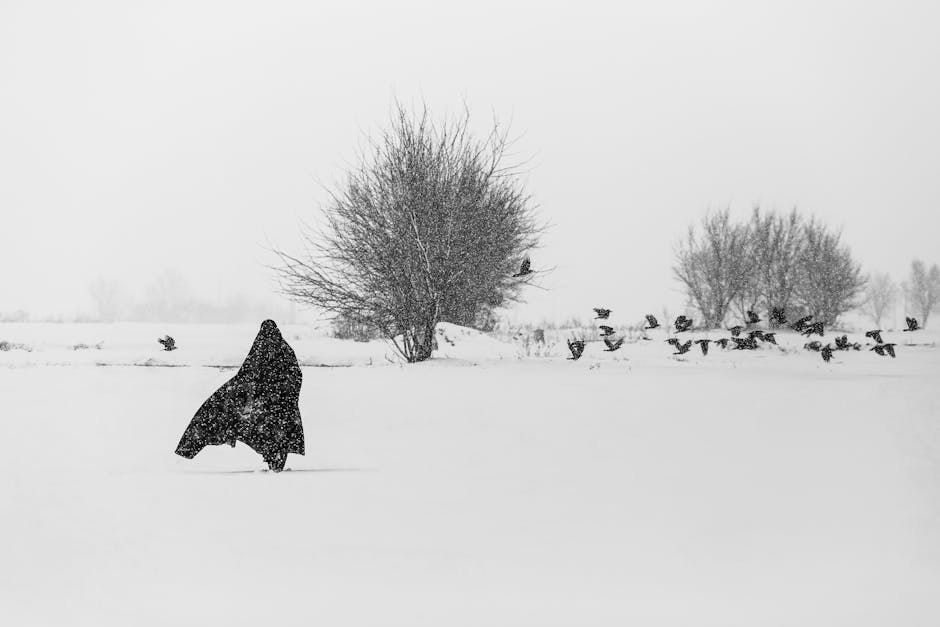
Many birds migrate to warmer regions during winter. This instinctive behavior helps them find food and shelter. Birds travel thousands of miles to escape freezing temperatures. Migration paths vary depending on species and environmental factors. Some birds fly in flocks, which provides safety and warmth. These coordinated movements ensure survival across generations.
Roosting Habits
Roosting is another strategy birds use to combat cold. Birds gather in groups to share warmth. They find sheltered spots like dense trees or buildings. Roosting reduces heat loss and conserves energy. Some species, like chickadees, fluff their feathers for insulation. This creates air pockets that trap body heat. Effective roosting habits are crucial for surviving the cold.
Physiological Mechanisms
Birds face tough challenges during cold weather. Their survival depends on specific physiological mechanisms. These mechanisms help them maintain warmth and energy levels. Understanding these adaptations reveals the wonders of avian biology.
Thermoregulation
Birds manage heat through thermoregulation. This process involves maintaining a stable body temperature. Feathers play a crucial role. They trap heat, forming an insulating layer. Fluffing up feathers increases their insulating ability. This keeps birds warm in freezing temperatures.
Birds also use counter-current heat exchange. Blood vessels in their legs help with this. Warm blood transfers heat to the cooler blood. This process reduces heat loss in the extremities.
Metabolic Adjustments
Birds adjust their metabolism to stay warm. They increase their metabolic rate in cold weather. This generates more heat, keeping their body temperature stable.
Many birds also consume more food in winter. This extra energy supports higher metabolic needs. Fat reserves become vital during this time. They provide a crucial energy source when food is scarce.
Environmental Interactions
Birds face many challenges in winter. Surviving cold weather is tough. Environmental interactions play a vital role. Birds adapt to their surroundings. They make smart choices to stay warm and find food.
Habitat Selection
Birds often choose habitats wisely. They look for areas with shelter. Trees and bushes provide cover from wind. Dense foliage traps heat, offering warmth. Some birds migrate to warmer places. Others stay and adapt locally. Suitable habitats are essential for survival.
Food Availability
Finding food in winter is challenging. Birds must locate reliable sources. Many seek out places with abundant seeds. Some rely on insects. These birds search under leaves and bark. Berries become a staple for many. Water sources are crucial too. Frozen ponds require creative solutions.
Role Of Community Dynamics
Birds have fascinating ways to survive cold weather. One important strategy is community dynamics. Birds rely on each other to stay warm and safe. They use social behaviors to adapt to harsh conditions. These behaviors allow them to find food and protect themselves. Community dynamics play a crucial role in their survival.
Flocking For Warmth
Birds often gather in large flocks during cold months. Flocking helps them stay warm. They huddle together to share body heat. This collective warmth is vital for their survival. Smaller birds benefit the most from this strategy. It reduces heat loss and conserves their energy. Flocking also protects them from predators. It creates a sense of safety in numbers.
Social Behavior
Social behavior is key to birds' survival. Birds communicate with each other through calls and songs. These sounds help them stay connected. They warn each other about danger. Social interactions also help them find food. Birds observe each other to locate food sources. This cooperation increases their chances of finding food. Sharing resources strengthens their community bonds.
Frequently Asked Questions
How Do Birds Keep Warm In Winter?
Birds keep warm by fluffing their feathers to trap heat. They also huddle together for warmth. Some species migrate to warmer areas. Their metabolism increases, helping them generate more body heat. Birds also find shelter in dense vegetation or cavities to protect themselves from the cold.
Do Birds Feel Cold In Winter?
Yes, birds can feel cold, but they have adaptations. Their feathers provide excellent insulation. Birds shiver to generate heat and maintain body temperature. They also consume more food to fuel their metabolism. Despite these adaptations, extreme cold can still pose challenges for some bird species.
What Do Birds Eat During Winter?
During winter, birds eat seeds, berries, and insects. They rely on stored fat reserves for energy. Some birds visit feeders for suet and sunflower seeds. Their diet varies depending on the availability of food sources. Birds adapt their feeding habits to survive the harsh winter conditions.
How Do Birds Find Food In Snow?
Birds use their keen eyesight to spot food beneath snow. They dig through snow to uncover seeds and insects. Some birds rely on memory to locate food caches. They also visit bird feeders for an easy meal. Birds are resourceful and adapt to find food despite snow cover.
Conclusion
Birds have fascinating ways to survive cold weather. They use their feathers for warmth. Some birds migrate to warmer places. Others stay and find food in snow. They huddle together for heat. Smart adaptations help them stay alive. Their bodies adjust to freezing temperatures.
Birds are incredible creatures. They show us resilience. Nature's way of coping with challenges. We can learn from their strategies. Observing birds can be inspiring. Their survival teaches us about nature's wonders. Understanding birds enriches our knowledge. It connects us to the natural world.
Birds are a vital part of our ecosystem. Let's appreciate their presence.