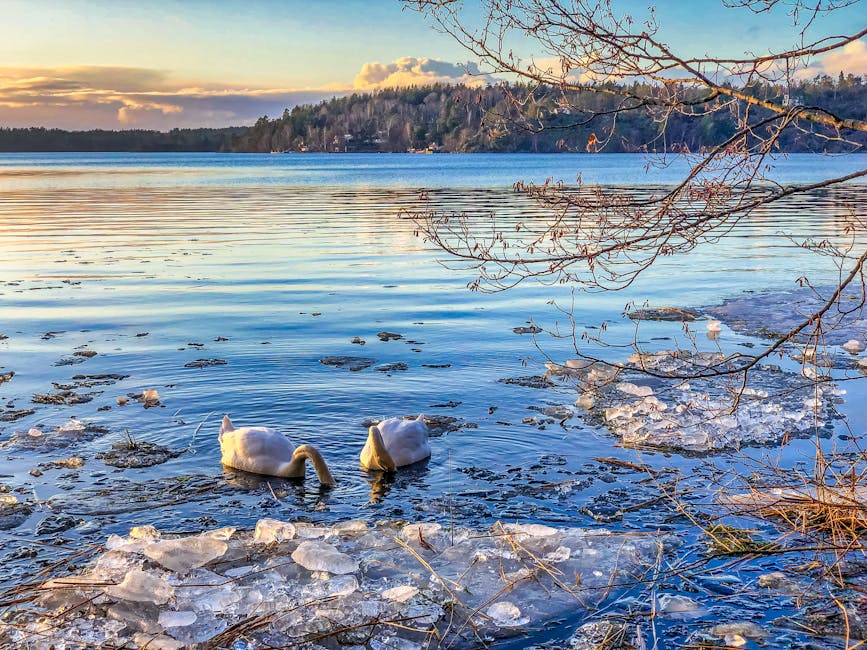
Have you ever wondered how those tiny, feathered creatures manage to survive the harsh, freezing weather while you bundle up in layers to keep warm? It's a fascinating mystery of nature that piques curiosity and stirs the imagination.
Birds, with their delicate frames, seem ill-equipped for icy temperatures, yet they thrive amidst winter’s harshest conditions. How do they do it? Discover the secrets behind their survival tactics, and unlock the mysteries of nature that might just leave you in awe.
As you read on, you'll uncover the surprising strategies and remarkable adaptations birds use to weather the winter chill, revealing insights that are not only intriguing but might change the way you view these resilient creatures forever. Dive into the world of avian survival and prepare to be amazed at the wonders of nature.
Adaptations For Cold Weather
Birds face extreme challenges during freezing weather. Yet, they thrive through remarkable adaptations. These adaptations help them endure harsh, cold climates. Understanding these survival strategies is fascinating. Let's explore how birds manage to stay warm.
Feather Insulation
Birds have specialized feathers for insulation. These feathers trap air close to their bodies. This trapped air acts as a thermal layer. It keeps warmth from escaping. Feathers can fluff up for extra insulation. This increases the air trapped, boosting warmth.
Body Fat Storage
Birds store body fat to survive cold spells. Fat acts as an energy reserve. It provides essential fuel during food scarcity. This stored energy keeps them active and warm. Birds eat more before winter to build fat reserves.
Unique Circulatory Systems
Birds have unique circulatory systems. Their legs and feet stay warm in cold. Blood vessels in legs exchange heat efficiently. Warm blood flows to cold areas. This minimizes heat loss. It prevents frostbite in exposed parts.
Behavioral Strategies
Birds face harsh winter conditions with impressive behavioral strategies. These strategies help them endure freezing weather. They have developed ways to stay warm and find food during cold months.
Huddling Together
Many birds huddle together to conserve warmth. This simple act helps them share body heat. By forming tight groups, they create a warm microclimate. Penguins are famous for this behavior. It is a survival tactic during extreme cold. Smaller birds like chickadees do it too.
Migration Patterns
Migration is a vital strategy for many bird species. Birds travel to warmer regions during winter. This journey can span thousands of miles. It ensures they find food and suitable climates. Not all birds migrate, but those that do avoid freezing temperatures. Migration routes are often well-established paths.
Foraging Techniques
Birds adapt their foraging techniques in winter. They change their diet to available food sources. Some birds store food during warmer months. Others forage in groups to increase success. They search for seeds, insects, and berries. This helps them survive when food is scarce. Innovative foraging keeps them nourished in harsh conditions.
Habitat Selection
Birds are masterful at selecting habitats to survive harsh winters. Their survival depends on choosing the right environment. This instinct ensures they stay warm and find food. Discover how these creatures make smart habitat choices.
Choosing Sheltered Areas
Birds seek places that protect them from cold winds. Dense forests and thick bushes offer natural shields. These areas provide warmth and safety from predators. Birds often select spots near water sources. This choice ensures access to liquid water, even in winter. Sheltered areas also help conserve energy. Birds need less energy to maintain body heat in such spots.
Nest Construction
Birds build nests that offer warmth and security. They choose materials that insulate, like twigs and leaves. These materials trap heat and keep nests cozy. Birds often use feathers to line their nests. Feathers add an extra layer of warmth. Nests are usually built in hidden, safe locations. This reduces the risk of being found by predators. A well-built nest is vital for winter survival.
Dietary Adjustments
When temperatures plummet, birds don't just rely on their feathers to stay warm. They make smart dietary adjustments to endure the cold. Ever wondered how they manage to survive with limited food options? Their diet undergoes strategic changes to keep them fueled and fit during the harsh winter months.
High-calorie Foods
Birds need more energy to generate body heat in freezing weather. They turn to high-calorie foods to meet this demand. Foods rich in fats and oils are the go-to choices. Imagine indulging in a hearty meal that keeps you warm for hours. Birds do the same by feasting on seeds, nuts, and suet. These foods are packed with the calories they need to keep their engines running.
Think about how you feel after a big breakfast before facing a chilly day. Birds have similar needs but scaled to their tiny bodies. During winter, you might notice them flocking to feeders more frequently. They're stocking up on these energy-rich foods to survive those icy nights.
Seasonal Diet Changes
Birds don't eat the same things year-round. Their diet shifts with the seasons to suit their changing needs. As winter approaches, they transition from a diet rich in fruits and insects to one dominated by seeds and nuts. This switch ensures they're consuming the right nutrients to withstand the cold.
Have you ever noticed how your cravings change with the seasons? Birds experience similar dietary shifts. As insects become scarce in winter, they adapt their diet to what’s available. This flexibility in eating habits is crucial for survival.
Consider how adaptable birds are. Could you make similar dietary adjustments to thrive in challenging conditions? Their ability to change their diet with the seasons is a testament to their resilience. This adaptability is key to their survival in freezing weather.
Role Of Natural Selection
Birds face harsh winters with incredible resilience. Their survival in freezing weather is a testament to nature's brilliance. Natural selection plays a crucial role in this process. Over generations, birds develop traits to endure cold climates. These traits enhance their chances of survival and reproduction. Let's explore how natural selection shapes these adaptations.
Evolutionary Traits
Birds have evolved unique traits to survive cold weather. Their feathers provide excellent insulation. Dense plumage traps heat close to their bodies. This keeps them warm even in freezing temperatures. Some species can fluff their feathers for extra warmth. This adaptation is vital for conserving body heat.
Birds also have high metabolic rates. This helps them generate body heat. They consume more food to fuel their metabolism. This ensures a steady energy supply during cold months. Their beaks and feet have special adaptations too. They minimize heat loss, allowing them to thrive in snow and ice.
Survival Of The Fittest
Natural selection favors the fittest birds. Those with the best adaptations survive and reproduce. Birds that can't withstand the cold may not survive. This process strengthens the population over time. Only the strongest genes are passed to the next generation.
Behavioral adaptations play a role as well. Some birds migrate to warmer areas. Others form flocks to conserve heat. These behaviors increase their survival odds. Natural selection refines these instincts, enhancing the species' resilience.
Human Influence
Birds survive freezing weather using unique adaptations. Their feathers provide excellent insulation, trapping heat close to the body. Some species also enter a state called torpor, reducing their metabolic rate to conserve energy during cold nights.
Birds are remarkable creatures, adapting to the harshest of environments, including freezing weather. Yet, as humans, our actions have a significant impact on their survival. From climate change to habitat destruction, our influence can either support or threaten these resilient animals.
Impact Of Climate Change
Climate change is altering the natural world at an alarming pace. Rising temperatures disrupt migration patterns, confuse breeding cycles, and reduce food availability. Consider this: when winters become erratic, birds may arrive at feeding grounds too early or too late. Have you noticed fewer birds during winter walks recently? It might be because they are struggling to adapt to these rapid changes. Your lifestyle choices can directly impact these trends. Energy consumption and waste generation contribute to climate change. Are you ready to make a difference in your daily habits? Reducing energy use and supporting green initiatives can help protect bird habitats.
Conservation Efforts
Fortunately, there are dedicated efforts to conserve bird populations. Conservation programs focus on protecting habitats, monitoring species health, and educating the public. Have you ever participated in a birdwatching event? These activities not only raise awareness but also support conservation projects. Simple actions, like planting native trees or maintaining bird feeders, can create safe havens for birds during winter. Are you willing to take action? Joining local conservation groups can amplify your impact. Together, we can ensure that birds continue to thrive despite the challenges posed by human influence. Engage with your community, share knowledge, and advocate for bird-friendly policies. Your involvement can lead to positive changes, ensuring birds are equipped to survive freezing weather for generations to come.
Frequently Asked Questions
How Do Birds Stay Warm In Winter?
Birds stay warm by fluffing their feathers, which traps heat close to their bodies. They also roost together in flocks for added warmth. Some species can lower their metabolism to conserve energy during cold nights.
What Do Birds Eat During Winter?
In winter, birds eat high-energy foods like seeds, nuts, and berries. These foods provide the necessary calories to sustain their energy. Some birds also rely on insects and small animals that they can find under snow or ice.
Do Birds Migrate To Survive Cold Weather?
Many birds migrate to warmer regions to survive cold weather. Migration allows them to find food and avoid harsh conditions. However, not all birds migrate; some adapt to the cold by changing their diet or behavior.
How Do Birds Find Water In Freezing Conditions?
Birds find water by visiting unfrozen streams, rivers, or bird baths kept ice-free. They also eat snow and rely on metabolic water from their food. Providing a heated bird bath can help them access water during winter.
Conclusion
Birds have incredible ways to survive in cold weather. They fluff up their feathers to stay warm. Some huddle together for heat. They find places that shelter them from the wind. Food is crucial, so they search for it diligently.
Migration helps them escape harsh winters. Their bodies adapt to the cold. Insulating feathers, fat reserves, and energy conservation are key. These strategies show nature's brilliance. Next time you see a bird in winter, remember its amazing survival skills. They are truly remarkable in adapting to freezing temperatures.
Nature's resilience is inspiring.