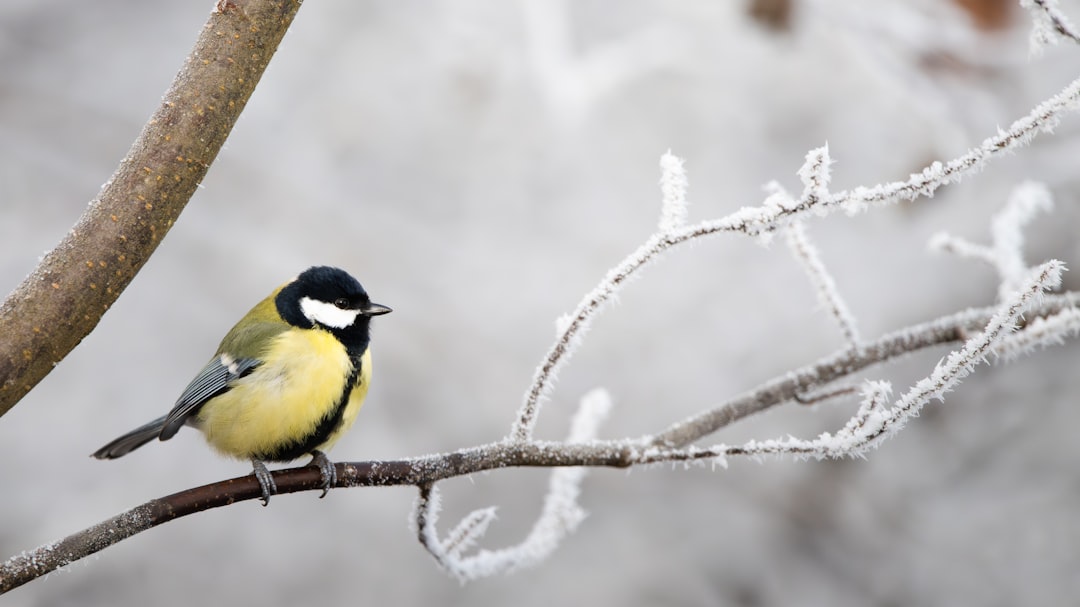
Imagine a cozy winter evening, a steaming cup of hot cocoa in your hands, while outside, snowflakes gently blanket the ground. Now, picture your beloved love birds, their vibrant plumage standing out against the stark white of winter.
As you enjoy the warmth of your home, a question might flit through your mind: Can love birds survive cold weather? You might wonder if they, too, can enjoy the beauty of winter without harm. Your love birds are more than just pets; they are companions that bring joy and life to your home.
Ensuring their well-being, especially during colder months, is likely a priority for you. As temperatures drop, it’s natural to worry about how these tropical creatures will fare. Will they be okay? How can you help them thrive when the mercury plummets? We will explore the fascinating world of love birds and their adaptability to chilly climates. We’ll uncover practical tips and insights to keep your feathered friends safe and comfortable, allowing you to rest easy knowing they're protected from the cold. Stick around to discover how you can transform your home into a winter haven for your love birds, ensuring their happiness and health all season long.
Love Birds And Cold Weather Challenges
Love birds face tough times in cold weather. These tropical creatures need warmth to thrive. Providing a cozy environment helps them survive chilly temperatures.
Love Birds and Cold Weather Challenges Keeping love birds healthy and happy during colder months can be a challenge for bird owners. These small, colorful parrots are native to Africa, where the climate is warmer. When temperatures drop, they face unique challenges that you need to be aware of. Have you ever wondered how love birds handle cold weather? Let's dive into the specifics of their temperature tolerance and physical adaptations.
Temperature Tolerance
Love birds are not naturally equipped to handle extremely cold temperatures. They thrive in environments where the temperature is between 70°F and 80°F. When the temperature drops below 60°F, they can become stressed and susceptible to illness. Keeping your love bird's cage away from drafts and providing extra warmth can help. A simple way to add warmth is by using a heat lamp or a heated perch. Have you tried using these before? They can make a world of difference for your feathered friend during chilly nights.
Physical Adaptations
While love birds are not built for cold climates, they do have some adaptations that help them cope. Their feathers provide insulation, but this is not enough in very cold weather. You might notice your love birds fluffing up their feathers; this is their way of trapping warm air close to their bodies. It's an instinctive response to cold, but it's not foolproof. Have you observed any other behaviors in your love birds when they're cold? Watching their actions can give you clues about how comfortable they are.
Taking simple steps can ensure your love birds remain comfortable and healthy throughout the cold season. How do you keep your love birds warm during winter? Share your tips in the comments!
Creating A Warm Environment
Love birds need warmth to thrive during cold weather. Providing cozy nests and controlled temperatures helps them stay healthy. Ensuring a stable environment with proper insulation and heating keeps these birds comfortable through chilly seasons.
Creating a warm environment for your love birds during cold weather is crucial for their health and happiness. These small, colorful birds are native to the warm climates of Africa, and they thrive in temperatures that mimic their natural habitat. Have you ever wondered how you can recreate this environment in your home? Let’s dive into some practical steps to ensure your feathered friends stay cozy and comfortable, no matter how chilly it gets outside.
Indoor Housing Options
When the temperature drops, bringing your love birds indoors can be the first step to creating a warm environment. You could designate a quiet corner of your living room for their cage, away from windows and doors to avoid drafts. Consider using a room that is naturally warmer due to sun exposure during the day. This little trick can help keep their surroundings snug without relying heavily on artificial heating. It's also a good idea to choose a cage that’s spacious enough for them to move around but small enough to retain warmth. Adding a cover or blanket over the cage at night can provide an extra layer of insulation.
Heating Solutions
Once you have a cozy spot, the next step is ensuring it stays warm. Adding a small, safe heater designed specifically for bird cages can be incredibly effective. Many bird owners find that ceramic heat emitters work well as they provide a gentle warmth without the risk of burning. Another option is to use a heated perch. These can be a great way to offer your love birds a warm place to rest their feet, especially if they spend a lot of time outside their cage. Don’t forget to monitor the temperature. You don't want it too hot, just comfortably warm. A simple thermometer can help you keep track of the room's temperature, ensuring it remains consistent. Creating a warm environment for your love birds doesn’t have to be a challenge. With a few thoughtful adjustments, you can make sure they stay cheerful and chirpy all winter long. How do you plan to keep your love birds warm this season?
Diet Adjustments For Winter
Love birds can thrive in chilly weather with proper diet adjustments. Offer warm foods and increase seed intake to help maintain their body heat. Providing extra vitamins ensures their immunity stays strong during the cold months.
Diet Adjustments for Winter As the temperature drops, love birds face new challenges, especially concerning their diet. These vibrant creatures require extra care to ensure they thrive during cold weather. Adjusting their diet is crucial to maintaining their health and happiness. Are you prepared to make necessary changes to support your feathered friends?
Nutritional Needs
During winter, love birds need more calories to maintain their body heat. A slight increase in protein and fat in their diet can help. You might consider adding seeds rich in oils, like sunflower seeds, to give them the energy they need. Hydration becomes even more critical as dry air can lead to dehydration. Ensure fresh water is always available. You could add a few drops of vitamins to their water for an extra boost.
Supplement Recommendations
Supplements can play a vital role in your bird's winter diet. Vitamin D is essential, especially when sunlight is scarce. You can find bird-specific vitamin D supplements at pet stores. Calcium is another important nutrient, supporting their bone health. Powdered calcium can be sprinkled on their food to ensure they get enough. Consider probiotics to aid digestion, especially if you notice any changes in their eating habits. These supplements can help maintain a healthy gut during the colder months. How do you plan to adjust your love bird's diet this winter? Ensuring they receive the right nutrients will keep them active and vibrant despite the chill.
Behavioral Changes In Cold
Love birds, small and colorful, adapt their behavior in cold weather to conserve energy. They huddle together for warmth and reduce activity to maintain body heat. These strategies help them survive chilly conditions effectively.
Understanding how love birds adapt to cold weather is crucial for ensuring their well-being during chilly months. As temperatures drop, these vibrant creatures exhibit noticeable changes in their behavior, which can offer insights into their needs and comfort levels. Observing these behavioral shifts can help you make informed decisions about their care.
Activity Levels
Love birds are known for their playful and energetic nature. However, cold weather can significantly impact their activity levels. You may notice a decrease in their usual playful antics as they conserve energy to maintain body warmth. During colder days, they might spend more time perched quietly or nestled close to each other. This reduction in activity is their way of coping with the temperature drop. Ensuring a warm and comfortable environment can encourage them to stay active and healthy.
Social Interactions
Cold weather also influences the social dynamics among love birds. Typically, these birds are highly social and enjoy interacting with their mates. In colder temperatures, they might become even more dependent on each other for warmth and comfort. You might see them cuddling more often, a behavior that helps them share body heat. This increased physical closeness can strengthen their bond, but it's important to monitor their interactions. Are they showing signs of stress or discomfort? Providing a cozy space can help maintain harmony in their social interactions. Understanding these behavioral changes is key to ensuring your love birds thrive in cold weather. How do your love birds react to the chilly months? Your observations can guide you in creating a nurturing environment for them.
Signs Of Cold Stress
Love birds bring joy to many households with their vibrant colors and cheerful chirps. Yet, cold weather can pose a serious threat to their well-being. Recognizing the signs of cold stress is crucial. This knowledge helps ensure your feathered friends remain healthy and happy.
Physical Symptoms
Physical changes can signal cold stress in love birds. One sign is fluffed-up feathers. This is their attempt to trap heat and stay warm. Another symptom is shivering. This is an involuntary response to cold. It indicates that the bird is trying to generate warmth. Cold feet or legs can also be a warning sign. Check for any discoloration or pale skin. This might mean poor circulation due to cold temperatures.
Behavioral Indicators
Behavioral changes can also indicate that your love bird is cold-stressed. A lethargic bird shows lack of energy. This might mean it's trying to conserve warmth. A decrease in chirping or singing is another indicator. A cold bird might become quieter than usual. Watch for changes in eating habits. A stressed bird might eat less or refuse food. This can be a sign of discomfort due to cold.
Emergency Measures
Love birds are vibrant creatures. Their colorful feathers brighten any home. But, cold weather can pose a threat. These tropical birds aren't adapted to chilly climates. Emergency measures can save their lives during cold snaps. Swift action ensures their safety. Learn essential steps to protect your love birds.
Immediate Actions
First, move the cage to a warmer spot. Away from windows and doors. The living room is often warmer. Next, wrap the cage with a blanket. This traps heat inside. But, leave one side open for fresh air. Plug in a space heater nearby. Not too close, to avoid overheating. Warm water can help too. Fill their bowl with lukewarm water. Warmth keeps them hydrated.
Veterinary Care
If your love bird shivers or seems lethargic, seek help. A vet can assess their condition. Birds show subtle signs of distress. Early detection is key. The vet might suggest vitamin supplements. These boost their immune system. In extreme cold, a heated cage or room may be advised. Always follow expert guidance.
Preventive Care Strategies
Love birds are delicate creatures. They need special care during cold weather. Cold can affect their health severely. Knowing preventive strategies is essential for their survival. Implementing these strategies ensures their well-being. Keeping them warm is just one part. It's equally important to maintain their overall health.
Routine Health Checks
Schedule regular vet visits for your love birds. These checks help detect any health issues early. A vet can provide tailored advice for cold weather care. Monitor their behavior closely. Changes can signal health problems. Look for signs like reduced activity or appetite. Keep track of their weight. Sudden weight loss can indicate illness.
Environmental Modifications
Adjust their environment to combat cold temperatures. Use a heater to maintain a warm room. Ensure the cage is away from drafts. Cover the cage at night to keep warmth inside. Provide extra bedding materials. Soft materials help them stay cozy. Consider using a heat lamp. This adds an extra layer of warmth. Make sure the cage is clean. A clean cage prevents infections.
Frequently Asked Questions
Can Love Birds Handle Cold Temperatures?
Love birds struggle in cold weather due to their tropical origins. They require a warm environment to thrive. Ideally, indoor temperatures should be maintained between 70°F and 80°F. Providing additional warmth through heating lamps or cozy bedding can help ensure their comfort during chilly weather.
How Do Love Birds Stay Warm In Winter?
To keep love birds warm in winter, offer heated perches or blankets. Ensure their cage is away from drafts and cold areas. Cover the cage at night for extra insulation. Maintaining a consistent indoor temperature and providing high-energy food can help them stay cozy and healthy.
Is It Safe To Keep Love Birds Outside?
Keeping love birds outside in cold weather is risky. They need protection from extreme temperatures, wind, and rain. If housed outdoors, ensure the aviary is insulated and heated. It's best to keep them indoors during colder months to prevent health issues related to the cold.
What Temperature Is Too Cold For Love Birds?
Temperatures below 65°F can be too cold for love birds. They thrive in warmer environments and need extra care in cold weather. Provide heating sources and keep their habitat free from drafts. Monitoring their behavior for signs of cold stress is essential to ensure their well-being.
Conclusion
Love birds can survive cold weather with proper care. Keep them warm indoors. Provide a cozy environment. Ensure they have enough food and water. Use a heat lamp if necessary. Protect them from drafts and chilly winds. Their health depends on your attention.
Be mindful of their needs every day. Love birds thrive with proper warmth and care. Your efforts ensure their happiness and survival. Always prioritize their comfort and safety. With love and attention, they flourish. Keep them healthy during colder months.
Your love and care make a big difference. They depend on you.