Imagine stepping outside and feeling the sharp bite of icy air against your skin. The world around you is blanketed in snow, and the cold seems to seep into your bones.
Extreme cold weather can be daunting and even dangerous if you're not prepared. But don't worry; you're about to discover how to navigate these chilly challenges safely and comfortably. This guide will arm you with practical tips and essential knowledge to keep you warm, protected, and confident when the temperature plummets.
Your well-being is our priority, and by the end of this article, you'll be equipped with everything you need to face the cold head-on. Are you ready to conquer the cold and turn it into a manageable part of your life? Let's dive in and ensure your winter is not only survivable but enjoyable.
Layering Techniques
Surviving extreme cold requires smart clothing choices. Layering is key. It helps maintain warmth and comfort. Each layer serves a purpose. Let's explore effective layering techniques.
Base Layers
Base layers are worn next to the skin. They wick moisture away. This keeps you dry and warm. Choose materials like wool or synthetic fibers. Avoid cotton; it absorbs moisture. A snug fit is crucial for this layer. It traps body heat effectively.
Insulating Layers
Insulating layers provide warmth. They trap air close to your body. Fleece, down, and wool are great options. These materials are lightweight yet warm. This layer should be looser than the base layer. It allows air to circulate and insulate.
Outer Layers
Outer layers protect against wind and moisture. They are your shield from harsh elements. Opt for waterproof and windproof jackets. Look for breathable fabrics to prevent overheating. Ensure this layer allows easy movement. Comfort is key to surviving cold weather.
Protecting Extremities
In extreme cold, our extremities are most vulnerable. Fingers, toes, ears, and nose can suffer frostbite quickly. Proper protection keeps these parts warm and safe. It prevents discomfort and injury.
Choosing Gloves
Gloves are essential in cold weather. They protect fingers from freezing. Choose insulated gloves for warmth. Waterproof materials keep hands dry. Look for gloves with a snug fit. Loose gloves let heat escape. Touchscreen-compatible gloves help with phone use.
Selecting Footwear
Feet need special care in cold. Insulated boots provide necessary warmth. Waterproof boots keep feet dry in snow. Choose boots with good traction. They prevent slips on ice. Wear thick, moisture-wicking socks. Avoid cotton socks. They hold moisture and chill feet.
Head And Neck Protection
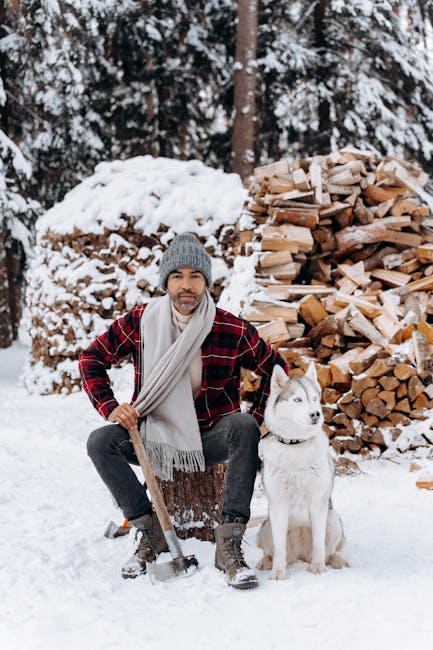
Cold weather affects the head and neck. Heat escapes quickly from these areas. Wear a warm hat to retain heat. A fleece or wool hat is ideal. Use a scarf or neck gaiter. It protects the neck and face. Choose breathable fabrics to avoid moisture build-up.
Staying Dry
Surviving extreme cold weather is challenging. Staying dry is crucial. Wet clothes can worsen the cold. They can lead to hypothermia. Understanding how to stay dry is vital.
Waterproof Materials
Use waterproof materials to keep dry. Water-resistant jackets and pants are essential. Choose clothes with sealed seams. They keep water out. Look for waterproof boots. Wet feet can be dangerous. Don't forget waterproof gloves. They keep hands warm and dry.
Avoiding Sweat
Sweat can make you cold. Wear breathable layers. They allow sweat to evaporate. Avoid overdressing. It leads to overheating. If you feel warm, remove a layer. Manage your activity level. Slow down if sweating starts. Choose moisture-wicking fabrics. They draw sweat away from the skin. Always stay aware of your body temperature.
Nutrition And Hydration
Surviving extreme cold weather demands more than warm clothing. Proper nutrition and hydration are crucial. Your body works hard to stay warm. This requires extra energy and fluids. Eating the right foods and staying hydrated can keep you safe. It also ensures your body functions optimally in freezing temperatures.
High-calorie Foods
In cold weather, your body burns more calories. It needs more energy to maintain warmth. High-calorie foods can provide the energy boost needed. Think nuts, seeds, and dried fruits. These are easy to carry and provide quick energy. Cheese and chocolate are also great options. They offer fats and carbohydrates that fuel your body. Include these in your diet to keep your energy levels up.
Carbohydrates are vital. They break down into glucose, which fuels your muscles. Whole grains, like oats and brown rice, are excellent choices. They release energy slowly, keeping you going for longer. Protein is also important. It helps repair tissues and build strength. Eggs, meat, and beans are good sources.
Maintaining Hydration
Cold weather can make you feel less thirsty. Yet, staying hydrated is essential. Your body loses water through breath and sweat, even in cold. Drink warm beverages to stay hydrated. Herbal teas and hot water with lemon are good options. They keep you warm and hydrated.
Avoid excessive caffeine and alcohol. They can dehydrate you. Instead, choose soups and broths. They provide hydration and warmth. Carry a thermos of hot liquid if you are outside for long. It’s a comforting way to stay hydrated. Remember, even mild dehydration can affect your energy levels.
Shelter Options
Facing extreme cold weather demands smart shelter solutions. Staying warm and safe is vital. Shelter can protect you from harsh winds and freezing temperatures. Explore practical options to ensure your safety and comfort.
Building Snow Shelters
Snow can be a lifesaver in cold regions. Building snow shelters is an effective strategy. Dig a trench or mound snow to create walls. This structure insulates against cold air. It traps body heat inside, keeping you warm. Choose a spot with deep snow for better insulation. Cover the entrance with a block to block icy winds.
Igloos are another option for snowy areas. They need skill and patience to build. Cut and stack snow blocks in a dome shape. Ensure there's a ventilation hole to prevent suffocation. Snow shelters are temporary but effective in emergencies.
Using Emergency Tents
Emergency tents provide quick shelter. They are compact and lightweight. Easy to carry in backpacks or vehicles. Setting up takes minutes, offering immediate protection. Choose tents with thermal lining for extra warmth. Secure them well to avoid wind damage.
Always carry a tarp or groundsheet. It offers extra insulation from the cold ground. Double-layer tents reduce heat loss. Make sure the tent is waterproof to stay dry. Emergency tents are crucial in winter survival kits.
Fire And Heat Sources
Surviving extreme cold weather requires warmth and protection. Fire and heat sources are essential for staying safe. They offer comfort, prevent hypothermia, and are lifesavers in freezing conditions. Below, discover how to create a fire and use portable heaters effectively.
Creating A Fire
Creating a fire can be a vital skill. Start by gathering dry wood and kindling. Arrange them in a pyramid or teepee shape. Use matches or a lighter to ignite the kindling. Ensure the fire gets enough oxygen. This helps it burn steadily. Once the fire is established, add larger logs. Keep a safe distance from the flames. Always have water or sand to extinguish the fire if needed.
Using Portable Heaters
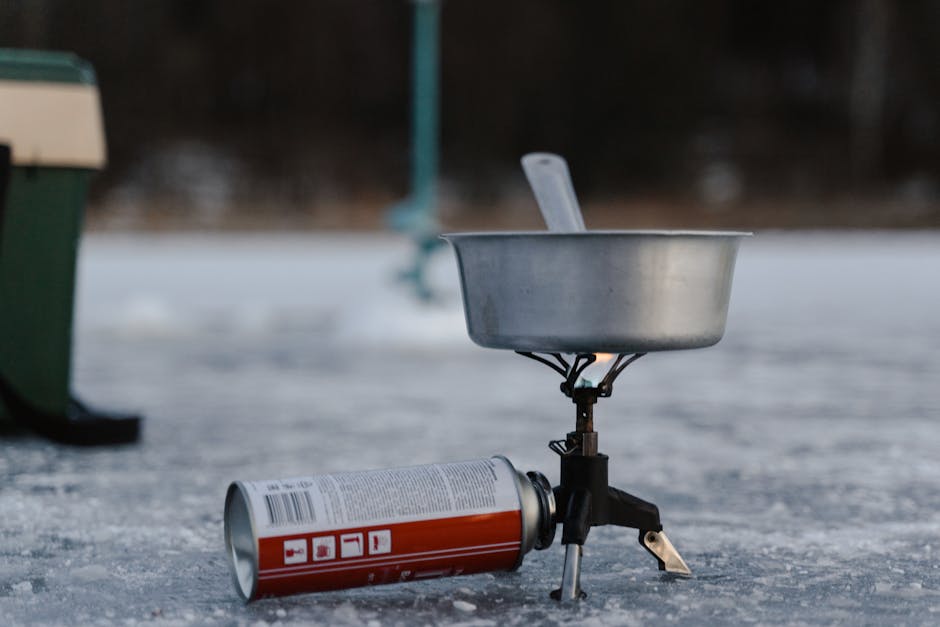
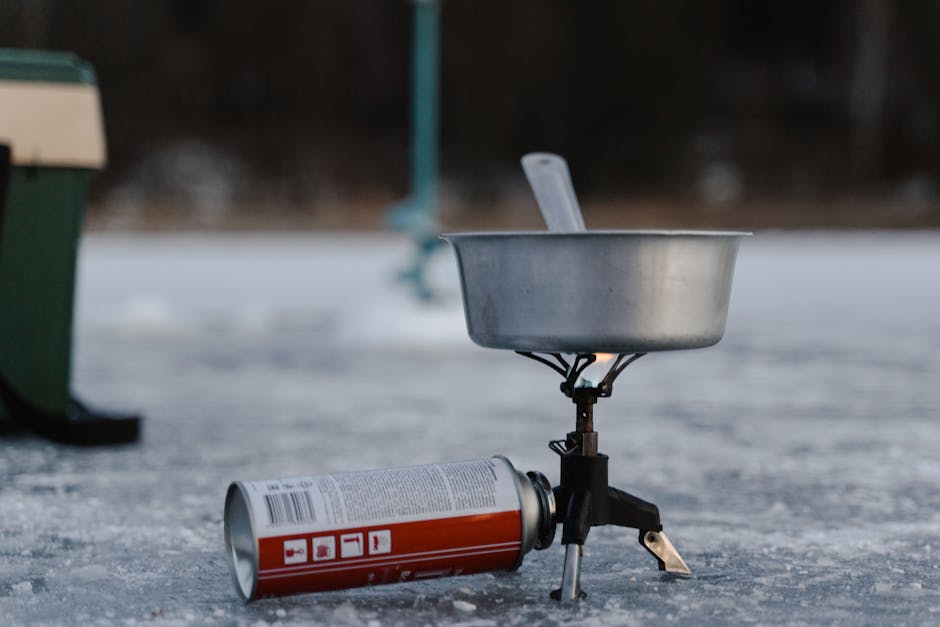
Portable heaters provide warmth quickly. Choose a heater suitable for your space. Ensure it has safety features like automatic shut-off. Place the heater on a flat, stable surface. Keep it away from flammable materials. Ventilate the area to prevent carbon monoxide buildup. Check the heater's power source. Some use electricity, while others need fuel. Follow the manufacturer's instructions for safe operation.
Recognizing Hypothermia
Hypothermia is a dangerous drop in body temperature. It happens in extreme cold weather. Recognizing its symptoms early can save lives. Awareness is key when facing harsh winter conditions. Knowing what to look for makes all the difference. Quick action is crucial once signs appear.
Symptoms To Watch For
Hypothermia symptoms may start subtly. Shivering is the first sign. It signals the body trying to warm itself. Watch for slurred speech and slow reactions. These symptoms indicate worsening conditions. A person may appear clumsy or confused. Their skin may look pale or feel cold.
Immediate Actions
Act fast if hypothermia symptoms appear. Move the person to a warmer place. Remove any wet clothing immediately. Wrap them in blankets for warmth. Offer warm drinks, but avoid alcohol. Alcohol can worsen hypothermia. Seek medical help as soon as possible.
Mental Preparedness
Surviving extreme cold weather requires more than just physical preparation. Your mental state plays a crucial role in ensuring safety. Mental preparedness helps you stay focused and calm during harsh conditions. It allows you to think clearly and make the right decisions. Let's explore how staying calm and maintaining focus can aid in surviving freezing temperatures.
Staying Calm
Staying calm is essential in extreme cold weather. Panic can cloud your judgment and lead to mistakes. Deep breathing helps slow your heart rate and reduce anxiety. It keeps your mind clear and focused. Practicing mindfulness can also aid in maintaining a calm state. Regular meditation enhances your ability to remain composed in stressful situations.
Focus And Awareness
Maintaining focus and awareness is key in cold conditions. Pay attention to your surroundings to avoid potential dangers. Stay aware of your body's signals, like shivering or numbness. These signs indicate that you need to take action. Concentrate on tasks at hand to ensure safety and efficiency. Avoid distractions to keep your mind sharp and alert.
Frequently Asked Questions
What Clothes Are Best For Extreme Cold?
Layered clothing is essential for surviving extreme cold. Start with thermal undergarments, add insulating layers like fleece, and finish with a windproof and waterproof outer layer. Don’t forget hats, gloves, and thermal socks to protect extremities.
How Can I Keep My Home Warm?
Insulate windows and doors to prevent heat loss. Use heavy curtains and seal gaps with weather stripping. Consider space heaters for additional warmth, and maintain proper ventilation to prevent moisture buildup.
What Should I Eat In Freezing Temperatures?
Consume high-calorie foods like nuts, seeds, and dried fruits to maintain energy levels. Warm, hearty meals like soups and stews help keep your body temperature stable. Stay hydrated with warm drinks.
How Do I Prevent Frostbite?
To prevent frostbite, cover exposed skin and limit time outdoors. Wear insulated gloves and boots, and keep moving to maintain circulation. If you experience numbness, seek warmth immediately.
Conclusion
Staying warm in extreme cold is crucial. Proper clothing matters. Layers keep you insulated. Stay dry to avoid chills. Protect your head, hands, and feet. Drink warm fluids to maintain body heat. Keep moving to generate warmth. Recognize frostbite and hypothermia signs early.
Seek shelter if needed. Plan ahead for emergencies. Pack essentials like blankets and food. Use these tips to stay safe. Surviving cold weather is about preparation and awareness. Stay alert and keep warm!