Have you ever wondered how hummingbirds, those delicate jewels of the sky, manage to thrive as the chill of winter sets in? It seems almost magical, right?
These tiny creatures, known for their vibrant colors and rapid wingbeats, face a daunting challenge when temperatures drop. You might find yourself asking: Can hummingbirds survive cold weather? Understanding their survival tactics can not only satisfy your curiosity but also help you ensure their well-being during the colder months.
Dive into this fascinating topic to uncover the secrets of these resilient birds and discover how you can play a part in their survival story.
Hummingbird Anatomy And Adaptations
Hummingbirds can survive cold weather with unique adaptations. They enter a state called torpor, slowing their metabolism. This helps them conserve energy and endure chilly nights. Their anatomy, including specialized feathers, also provides insulation against the cold.
Understanding the anatomy and adaptations of hummingbirds can reveal how these tiny creatures withstand cold weather. With their vibrant colors and rapid wing beats, hummingbirds seem delicate, yet they are equipped with remarkable features that help them survive harsh conditions. These adaptations not only enable them to thrive but also offer valuable lessons on resilience. Let’s delve into these fascinating traits.
Metabolism And Energy Use
Hummingbirds are known for their high metabolism. Their heart can beat up to 1,260 times per minute, consuming energy at a rapid pace. This makes them one of the most energetic animals. To survive cold weather, they must efficiently manage their energy. During colder months, hummingbirds enter a state called torpor. It's like a deep sleep where their metabolism slows dramatically, conserving energy for survival. Imagine having a personal heater that keeps you warm in freezing temperatures. Hummingbirds do just that by burning calories rapidly to maintain their body heat, even in cold weather. This adaptation is crucial for their survival.
Feathers And Insulation
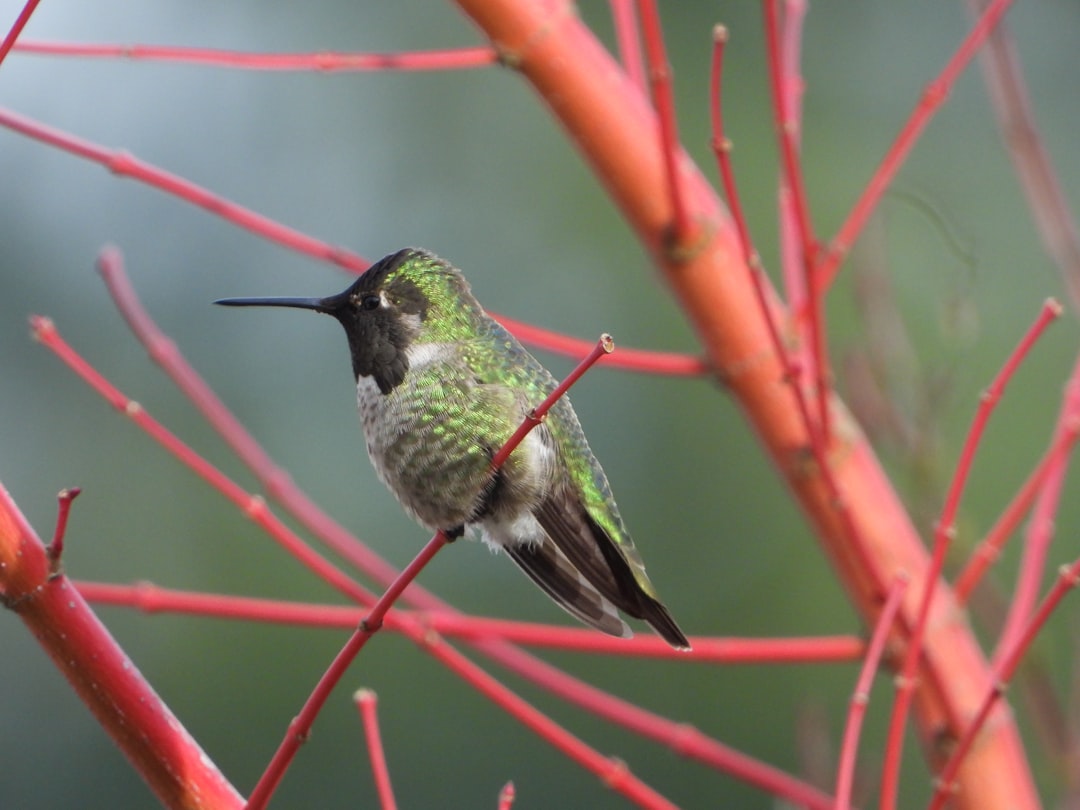
The vibrant feathers of hummingbirds aren't just for show. They play a vital role in insulation. Each feather traps air, creating a barrier against the cold. Think of their feathers as a natural coat. This insulation helps them maintain body temperature, ensuring they don't lose heat easily. In cold weather, these feathers fluff up, providing extra warmth. You might notice hummingbirds look slightly puffed during chilly days. This is a simple yet effective adaptation that allows them to survive cold spells. It's a reminder of nature's ingenuity in equipping creatures to thrive in various environments. Have you ever wondered how such small birds can survive freezing temperatures? Next time you spot a hummingbird, consider how these tiny but mighty adaptations play a role in their survival. What can we learn from their resilience?
Migration Patterns
Hummingbirds are fascinating creatures with unique migration patterns. These tiny birds embark on incredible journeys to escape cold weather. Their movement is a survival instinct that ensures they find warmer climates. Understanding their migration gives insight into how they adapt to seasonal changes.
Seasonal Movements
Hummingbirds migrate twice a year, during spring and fall. In spring, they travel north to breed in cooler regions. During fall, they head south to escape the cold. These migrations are essential for their survival. Each season brings unique challenges and opportunities.
Routes And Destinations
Hummingbirds follow specific routes during migration. They often travel alone, relying on instinct and memory. Popular destinations include Mexico and Central America. Some species travel over 3,000 miles to reach their winter homes. These journeys are remarkable for such small creatures.
Cold Weather Challenges
Hummingbirds face tough conditions in cold weather. They rely on energy reserves and torpor, a hibernation-like state, to survive. These strategies help them endure chilly temperatures.
Cold weather presents unique challenges for hummingbirds. These tiny creatures face tough conditions during cold spells. To survive, they need to overcome several obstacles. Let's explore the main hurdles they encounter.
Temperature Extremes
Hummingbirds are sensitive to temperature changes. Their small bodies struggle to retain heat. Cold nights can be deadly. They enter a state called torpor. This slows their metabolism and conserves energy. But it's a risky strategy. Prolonged cold can lead to hypothermia. Keeping warm is crucial for their survival.
Food Scarcity
Cold weather affects food availability. Flowers might not bloom. Insects become scarce. Hummingbirds rely heavily on these food sources. Less food means less energy. They need energy to maintain body heat. Without it, they may not survive. Finding food is a constant challenge during cold spells.
Survival Strategies
Hummingbirds have adapted to survive cold weather through unique strategies. They enter a torpor state, slowing their metabolism to conserve energy. This temporary hibernation helps them endure chilly nights and conserve vital resources. Their incredible resilience allows them to thrive despite harsh conditions.
Hummingbirds are fascinating creatures with remarkable survival strategies that enable them to endure harsh cold weather. Despite their tiny size and high metabolism, these birds have adapted some ingenious methods to stay alive. How do they manage to survive when temperatures drop? Let’s dive into their incredible survival strategies.
Torpor State
One of the hummingbirds' most effective survival tactics is entering a torpor state. This is a temporary hibernation-like condition where the bird significantly lowers its body temperature and metabolic rate. By doing this, they conserve energy, which is crucial during cold nights when food is scarce. Imagine a tiny bird slowing its heart rate from over 1,200 beats per minute to as low as 50. This adaptation can mean the difference between life and death. Have you ever wondered how you would cope with extreme cold if you had such a high metabolism?
Foraging Techniques
Hummingbirds are masters at foraging, especially when the weather turns cold. They strategically seek out nectar-rich flowers and feeders, sometimes traveling long distances to find food. This ensures they have enough energy reserves to keep warm. In addition, they remember the locations of feeders and flowers that are reliable food sources. Their sharp memory aids in efficient foraging, reducing the need to spend precious energy searching for meals. Is your backyard part of a hummingbird's survival route? These tiny birds also rely on insects as a protein source, which is crucial during colder months. By diversifying their diet, they increase their chances of survival. Can you imagine having to adapt your diet so drastically to survive? Hummingbirds showcase resilience and ingenuity in their survival strategies. They remind us of the importance of adaptability in the face of challenges. What strategies do you employ to navigate tough situations?
Role Of Habitat
Hummingbirds are vibrant creatures that fascinate many bird enthusiasts. Their survival in cold weather depends greatly on their habitat. A suitable habitat offers shelter and food. These factors help them endure chilly temperatures. Understanding the role of habitat is key to supporting these tiny birds.
Environmental Factors
Environmental factors play a crucial role in a hummingbird's habitat. Dense vegetation provides necessary shelter from cold winds. Trees and shrubs offer protection and warmth. Hummingbirds also need a reliable food source. Flowers and feeders should be abundant. This helps them maintain energy during cold spells.
Water sources are essential too. Birds need water for drinking and bathing. A frozen water source can be a challenge. Ensuring access to fresh water is vital. Hummingbirds often find warmth near heated water features.
Human Influence
Human actions significantly impact the habitat of hummingbirds. Planting nectar-rich flowers supports their diet. Maintaining feeders during colder months offers extra nourishment. Warmth is crucial for their survival.
Providing shelter options like birdhouses can help. Limiting pesticide use protects their food sources. Healthy habitats ensure a stable environment for hummingbirds. Awareness and action can make a difference in their survival.
Scientific Studies
Research explores how hummingbirds manage cold weather. These tiny birds use torpor, a state like hibernation, to conserve energy. Their survival in chilly environments showcases their remarkable adaptability.
The survival of hummingbirds during cold weather has intrigued scientists and bird enthusiasts alike. These tiny creatures, known for their vibrant colors and rapid wing flaps, seem ill-suited for the harsh conditions of winter. Yet, they persist, defying the odds. Scientific studies are now shedding light on how these small birds manage to endure the cold, providing insights that could change our understanding of their resilience.
Research Findings
Recent studies have revealed fascinating insights into the survival mechanisms of hummingbirds. One study observed that hummingbirds enter a state known as torpor, where they significantly reduce their metabolic rate. This state allows them to conserve energy during cold nights when food is scarce. Researchers have also found that hummingbirds have a remarkable ability to remember the location of food sources. This memory helps them find nourishment quickly, ensuring they do not expend unnecessary energy. These findings highlight the hummingbird's adaptability and intelligence in navigating their environments.
Innovations In Tracking
Advancements in tracking technology have revolutionized our understanding of hummingbird migration patterns. Scientists now use lightweight GPS trackers to monitor their movements with unprecedented accuracy. This technology has uncovered previously unknown migration routes, revealing that some hummingbirds travel thousands of miles to escape the cold. These tracking innovations have also shown that some hummingbirds remain in colder regions, relying on local food sources to survive. This challenges the assumption that all hummingbirds migrate to warmer climates. Have you ever wondered if these resilient birds could be thriving in your backyard during the winter months? These studies and technologies not only enhance our understanding but also open the door to further research. Could this knowledge be applied to conservation efforts, ensuring these remarkable birds continue to grace our skies? As we learn more, it becomes clear that the survival of hummingbirds is a testament to nature's incredible adaptability.
Conservation Efforts
Hummingbirds face challenges in cold weather, but conservation efforts help their survival. Providing feeders and shelter aids in their resilience. Protecting their natural habitat ensures these vibrant birds thrive despite temperature drops.
Conservation efforts play a crucial role in ensuring the survival of hummingbirds during colder months. While these tiny creatures are known for their vibrant colors and rapid wing flaps, they face significant challenges when temperatures drop. Understanding and supporting conservation efforts can make a real difference in their lives. But how can you contribute to these efforts?
Protecting Habitats
Hummingbirds rely heavily on natural habitats for food and shelter. During cold weather, these habitats provide essential resources for survival. Efforts to protect these environments are vital. Simple actions like planting native flowers can create a welcoming space for hummingbirds. Think about the impact of preserving a small patch of wildflowers in your backyard. Deforestation and urbanization threaten hummingbird habitats. Supporting local initiatives that aim to protect these natural areas can help maintain biodiversity. Consider joining a local conservation group or donating to organizations dedicated to habitat preservation.
Community Involvement
Communities have the power to protect hummingbirds through collective efforts. Participating in community events focused on conservation can raise awareness and encourage action. Imagine a neighborhood where everyone plants hummingbird-friendly flowers—what a haven that would be! Educational programs in schools and local centers can foster a love for nature in young minds. By teaching children about the importance of preserving habitats, communities can cultivate future conservationists. What initiatives can you support or start in your community to protect these incredible birds? Hummingbird conservation is not just a task for scientists and environmentalists. Your actions, no matter how small, can contribute to their survival. Whether it's planting a garden or joining a local group, every effort counts. Are you ready to make a difference for these fascinating creatures?
Frequently Asked Questions
How Do Hummingbirds Stay Warm In Cold Weather?
Hummingbirds stay warm by entering a state called torpor, which reduces their metabolic rate. This helps them conserve energy. They also fluff up their feathers to trap heat. Additionally, they seek sheltered areas to avoid wind and cold.
Can Hummingbirds Migrate To Avoid Cold Weather?
Yes, many hummingbirds migrate to warmer climates during colder months. This migration helps them find food and maintain their body temperature. Some species, however, are adapted to endure colder temperatures in their natural habitats.
What Do Hummingbirds Eat In Winter?
In winter, hummingbirds primarily rely on nectar from flowers and sugar-water feeders. They may also consume small insects for protein. Providing feeders with fresh sugar-water can help them survive during colder months.
Do All Hummingbirds Survive Cold Temperatures?
Not all hummingbirds can survive extreme cold temperatures. Some species are more adapted to cold climates than others. Migration is a key survival strategy for many hummingbirds, allowing them to escape harsh weather conditions.
Conclusion
Hummingbirds can face challenges in cold weather. They have unique survival strategies. Some migrate to warmer places. Others enter a state called torpor. This helps save energy. Providing feeders can support them. Keep feeders clean and filled with sugar water.
This simple action aids their survival. Observing these tiny birds is rewarding. Their resilience is inspiring. Understanding their needs helps protect them. Encourage others to support these amazing creatures. Together, we can ensure hummingbirds thrive, even in colder climates. Their beauty and endurance enrich our world.
Let's cherish and care for them.