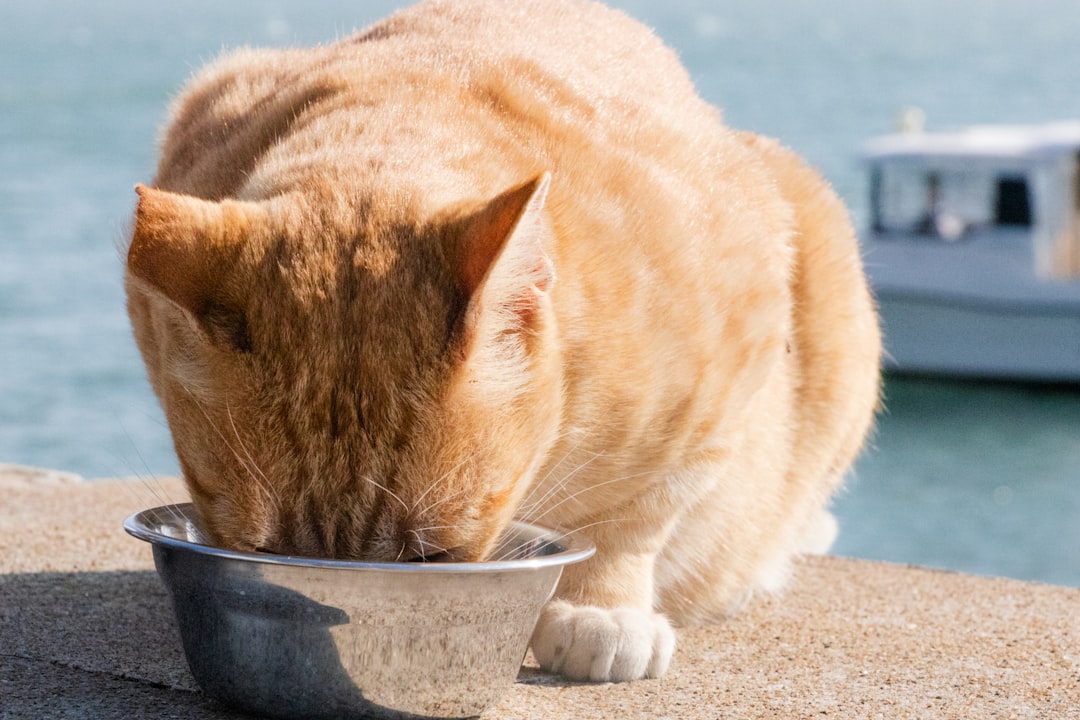
Picture this: your pantry is suddenly empty, and your feline friend is looking at you with those big, expectant eyes. You realize you’ve run out of cat food, but wait—there’s a can of wet dog food on the shelf.
Desperate times call for desperate measures, right? Before you pop that can open, you might wonder, can cats eat wet dog food in an emergency? Your cat's health is your priority, and making the right choice is crucial. We'll explore whether wet dog food is a safe option for your cat when you’re in a pinch.
Understanding the nutritional needs of your cat compared to those of a dog can make all the difference in keeping your pet happy and healthy. Stick around to learn what to do when you're caught in a bind with your furry companions.
Nutritional Needs Of Cats
Understanding a cat's nutritional needs helps in emergencies. Sometimes, you might wonder if feeding your cat wet dog food is safe. To answer this, we must explore what cats need in their diet.
Essential Nutrients For Cats
Protein is vital for cats. It supports their muscles, skin, and fur. Cats also need taurine, an amino acid found in meat. Without taurine, they can suffer heart problems.
Vitamins and minerals are crucial too. Cats need vitamin A and niacin. These nutrients help with vision and metabolism. Omega-3 and omega-6 fatty acids are necessary for a healthy coat.
Differences Between Cats And Dogs
Cats and dogs have different dietary needs. Dogs are omnivores and can eat both plants and meat. Their bodies can produce some nutrients that cats cannot.
Cats cannot produce taurine. They must get it from their food. Cats also need more protein than dogs. Their liver enzymes are different, which affects how they process food.
Dog food might not meet a cat's nutrient requirements. It often lacks enough protein and taurine. This makes it less ideal for cats in the long term.
Ingredients In Wet Dog Food
Wet dog food often contains meat, water, grains, and vitamins. Cats can eat it in emergencies. But it's not ideal for their long-term health.
When faced with a situation where your cat might need to eat wet dog food in an emergency, understanding the ingredients is crucial. Wet dog food often contains different nutrients and additives compared to cat food. These differences can have varying effects on your feline friend’s health. It's essential to know what you're dealing with to make an informed decision.
Common Components
Wet dog food typically includes meats like chicken, beef, or lamb as the primary ingredient. It often contains grains such as rice or corn, which can provide energy. Vegetables like carrots and peas are also common, adding fiber and vitamins. Protein is a significant component, but its source and amount can differ from what's needed by cats.
Cats are obligate carnivores, requiring certain amino acids like taurine found in specific animal proteins. Dog food may not have these in sufficient quantities. Most dog foods also include fats and oils for energy and flavor, which might not align with a cat's dietary needs. It's important to remember that while some ingredients might be safe, the overall nutritional balance is not tailored for cats.
Potential Harmful Additives
Some wet dog foods contain additives that can be harmful to cats. Preservatives like BHA and BHT are sometimes used and can pose health risks. Cats are more sensitive to these chemicals than dogs. Another potential issue is salt content. Dog food might contain higher levels of sodium, which can lead to dehydration or kidney issues in cats.
It's vital to check labels for this information. Flavor enhancers and artificial colors are often added to make dog food more appealing. These additives might upset a cat's stomach or cause allergic reactions. Have you ever noticed your cat reacting strangely to new foods? It could be these hidden additives.
Knowing what goes into your pet's food can help you make better choices. If you're ever in a pinch, understanding these ingredients can ensure your cat stays safe and healthy. Would you feed your cat dog food, or is it better to find alternatives?
Short-term Feeding In Emergencies
In emergencies, cats might eat wet dog food for a short time. This can provide temporary nourishment. Yet, it's important to return to cat food as soon as possible. Cat food meets their specific dietary needs.
In a pinch, when your cat is meowing for food and the pantry is bare, you might wonder if reaching for that can of wet dog food could be a temporary solution. Short-term feeding in emergencies can be a lifesaver, but it's crucial to know the risks and safety measures involved.
You wouldn't want to compromise your feline friend's health, even if it's just for a day or two. Understanding the dynamics of feeding cats wet dog food in emergencies will help you make informed decisions when faced with this dilemma.
Assessing Safety
Before you pop open that can, assess the safety of feeding wet dog food to your cat. Dog food lacks certain nutrients essential for cats, like taurine, which can lead to health problems if fed over time. However, in a dire situation, it might be okay for a meal or two. Check the label for harmful ingredients.
Avoid those with excessive fillers or spices. Think about allergies your cat may have. If your cat has a sensitive stomach, even a small amount could trigger a reaction. Have you ever tried feeding your cat a new food and noticed them acting differently? It's similar here. Keep a close eye on how they respond.
Signs Of Adverse Reactions
Your cat's reaction is a vital indicator. After feeding, monitor for signs of distress. Vomiting, diarrhea, or lethargy are red flags that the food isn't sitting well. If your cat starts scratching or has a bloated tummy, it’s time to reconsider your emergency plan. Notice any changes in behavior? Cats are creatures of habit, and sudden food changes can disrupt their routine. A sudden lack of energy or interest in play can signal an adverse reaction.
Be ready to consult your vet if symptoms persist. Have you faced a feeding emergency before? How did your cat react? Sharing experiences can help others navigate similar situations. Understanding these potential risks ensures you're prepared for unexpected feeding dilemmas. Next time you find yourself in a pinch, remember these tips to make safer choices for your furry friend.
Long-term Feeding Concerns
Cats can eat wet dog food in emergencies, but it lacks essential nutrients for long-term feline health. Occasional feeding might be safe, yet regular consumption can lead to nutritional deficiencies. Always return to cat-specific food to ensure your cat receives the necessary nutrients for a healthy life.
When faced with an emergency, you might wonder if it's safe to feed your cat wet dog food. While it may work as a temporary solution, long-term feeding raises several concerns. Cats and dogs have different dietary needs, and consistently feeding your cat dog food could lead to significant health issues over time.
Nutritional Deficiencies
Cats require specific nutrients that are found in higher concentrations in cat food. Taurine, an essential amino acid, is crucial for a cat's heart and vision health. Dog food typically lacks sufficient taurine, putting your cat at risk of deficiencies. Vitamin A is another nutrient cats need in higher amounts.
Dog food often doesn't meet this requirement, which could affect your cat's skin and coat health. Imagine feeding your cat dog food for weeks—your feline friend might start looking less vibrant and energetic. Protein is also a major concern. Cats are obligate carnivores and need a higher protein intake than dogs. Your cat might not get enough protein from dog food, impacting their muscle mass and overall strength.
Health Risks Over Time
Feeding your cat wet dog food for an extended period can lead to health problems. One significant risk is the development of heart disease due to taurine deficiency. Imagine the stress of managing your cat’s health because of an easily avoidable mistake. Kidney issues could also arise.
Cats need more moisture in their diet than dogs. Wet dog food might not provide enough hydration, leading to potential kidney stress or failure. Weight gain is another concern. Dog food is often higher in carbohydrates, which aren't as necessary for cats. Over time, this could lead to obesity, affecting your cat's agility and overall well-being.
So, next time you're in a pinch, think twice before making dog food a regular option for your feline friend. Could there be another alternative you haven't considered? Always prioritize your cat's unique dietary needs for their long-term health.
Alternative Emergency Options
Cats can eat wet dog food in emergencies, but it's not ideal. Dog food lacks essential nutrients for cats, which can lead to health issues. Short-term use is generally safe, but consult a vet if uncertain.
When faced with an emergency where your cat's regular food is unavailable, you might wonder about alternative options. While it might seem tempting to serve them wet dog food, it's crucial to explore other safer choices. Cats have specific nutritional needs that differ from dogs. Ensuring your feline friend's health shouldn't be compromised, even in a pinch. Let's look at some alternative emergency options that can keep your cat safe and satisfied until you restock their usual meals.
Homemade Cat Meals
Creating homemade cat meals can be a practical solution when commercial cat food is unavailable. You can use ingredients commonly found in your kitchen. Think of lean meats like chicken or turkey, which are high in protein and suitable for cats. Cook these meats thoroughly to remove any harmful bacteria.
Avoid adding spices, onion, or garlic, as these can be toxic to cats. A small portion of plain cooked rice or pasta can also be mixed in to provide some energy. Ensure that these meals are temporary solutions. They might not meet all of your cat's nutritional needs in the long run. But in an emergency, they can help maintain your cat's health.
Safe Human Foods
Surprisingly, some human foods can be safe for cats to consume in emergencies. Have you ever noticed your cat showing interest in your plain cooked fish? Fish like salmon or sardines can be a good source of protein and omega fatty acids for them. Eggs are another excellent option. Cooked eggs can provide a protein boost, and many cats enjoy them. Remember to avoid adding salt or other seasonings. Certain fruits and vegetables can also be offered in moderation. Small amounts of cooked carrots or peas can be a nice treat.
They offer some vitamins and minerals that your cat might enjoy. When choosing human foods, always keep an eye on portion sizes and monitor your cat for any adverse reactions. It’s about finding that balance between what’s available and what’s safe for your cat. What interesting alternatives have you found in your kitchen for your pets during emergencies?
Monitoring Cat Health
In emergencies, feeding cats wet dog food occasionally is safe. Nutritional needs differ, so avoid making it a habit. Always ensure clean water is available to maintain their health.
Monitoring your cat's health is crucial, especially if they've eaten something unusual like wet dog food during an emergency. While cats might nibble on dog food out of curiosity or necessity, it's essential to keep a close eye on their health and behavior. Understanding the signs of distress or discomfort can help you act promptly to ensure your feline friend remains healthy and happy.
Observing Behavior
Pay attention to any changes in your cat's behavior after consuming wet dog food. Are they more lethargic than usual? Are they avoiding their litter box or food bowl? These could be early signs of discomfort or digestive issues. When my cat, Whiskers, accidentally ate wet dog food, I noticed she became unusually quiet.
This prompted me to monitor her closely for the next 24 hours. Thankfully, she returned to her playful self, but it was a valuable lesson in the importance of observation. Changes in behavior can be subtle, but they're often the first indicators that something might be amiss. Trust your instincts as a pet owner. If your cat seems off, it's worth considering.
Consulting A Veterinarian
If you notice concerning symptoms like vomiting, diarrhea, or a lack of appetite persisting, it's time to consult your veterinarian. They can provide guidance tailored to your cat's specific needs and health history. Veterinarians can offer advice on whether a dietary mishap like eating dog food could cause long-term issues.
They might suggest an examination or even recommend specific tests. Don't hesitate to reach out to your vet. Early intervention can prevent minor issues from becoming significant health concerns. Your vet's expertise can offer peace of mind, ensuring your furry friend stays in great health. Monitoring cat health is an ongoing responsibility, but it's one that can save you and your pet a lot of trouble. Have you ever wondered how much we can learn about our pets just by paying a little more attention?
Frequently Asked Questions
Is Wet Dog Food Safe For Cats?
In emergencies, cats can eat wet dog food temporarily. It's not ideal due to nutritional differences. Dog food lacks specific nutrients essential for cats, like taurine. Short-term consumption is unlikely to harm, but long-term feeding can lead to deficiencies. Always consult a vet for advice in emergency situations.
Can Cats Digest Dog Food Properly?
Cats can digest dog food, but it's not optimal. Dog food doesn't meet feline nutritional needs. Cats require higher protein and specific amino acids absent in dog food. While digestible, regular consumption might lead to health issues. For emergencies, ensure it's temporary and monitor your cat's health closely.
What Happens If Cats Eat Dog Food?
If cats eat dog food occasionally, it's usually harmless. Long-term consumption may cause nutritional deficiencies. Dog food lacks essential nutrients like taurine, crucial for cats. Monitor for signs of malnutrition or digestive issues. Consult a vet if you notice any unusual symptoms or if the situation persists.
How Often Can Cats Eat Dog Food?
Cats should eat dog food rarely and only in emergencies. Regular feeding can lead to nutritional deficiencies. Dog food lacks taurine and other essential nutrients for cats. If necessary, limit to short-term use and consult a vet. Always return to cat food for balanced nutrition as soon as possible.
Conclusion
Cats can eat wet dog food in emergencies. It's not ideal, though. Cats need specific nutrients for their health. Long-term feeding of dog food can cause deficiencies. Always consult a vet for advice. Keep cat food handy for emergencies. Consider alternatives if you run out of cat food.
Homemade options might work temporarily. Choose wisely for your cat's health. Remember, a cat's dietary needs differ from a dog's. A balanced diet ensures your cat stays healthy and happy. Prioritize their nutritional needs in any situation. Your furry friend's well-being depends on it.