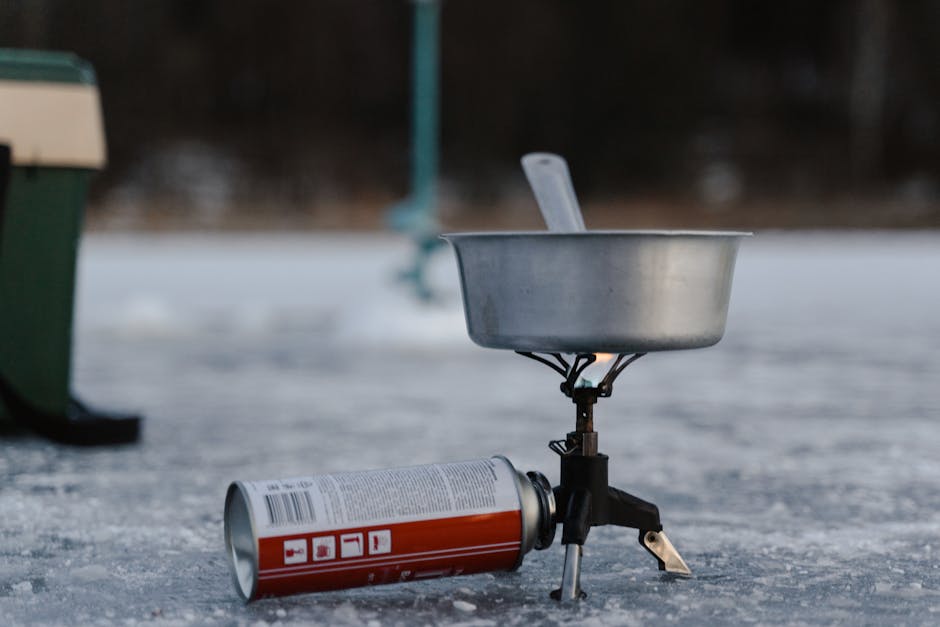
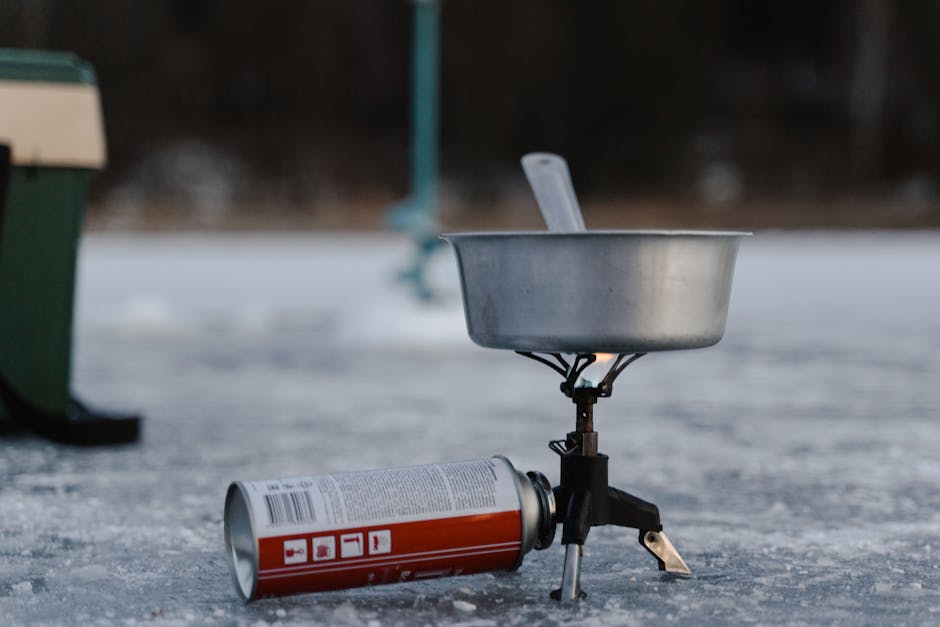
Imagine a storm is brewing outside your window, or perhaps you're planning a camping trip into the wild. In moments like these, have you ever wondered about the best emergency food supply for you and your loved ones?
It's a question that sparks curiosity and urgency, tapping into our instinct to be prepared for anything life might throw our way. As you sit comfortably now, consider this: having the right emergency food supply could be the difference between comfort and chaos in a crisis.
What if you could ensure your peace of mind with just a little planning? Dive into this guide to discover not just what the best emergency food supply is, but also how it can transform your sense of security and readiness. This isn't just about stocking up on cans and packets; it's about choosing wisely, so you can face uncertainty with confidence. Stay with us as we unravel the secrets to making the smartest choices for your emergency needs, ensuring you're never caught off guard. Your future self will thank you.
Essential Features Of Emergency Food Supplies
When disaster strikes, having a reliable emergency food supply can be crucial. Choosing the right food supply involves considering several essential features. These features ensure that you are prepared for any situation, whether it's a natural disaster or a prolonged power outage. Let's delve into these critical aspects.
Shelf Life Importance
Long shelf life is crucial for emergency food supplies. It guarantees freshness when needed most. Look for foods that last several years. Canned goods and freeze-dried foods are excellent choices. They maintain quality over time. Regularly check expiration dates to avoid surprises.
Nutritional Value Considerations
Nutritional value ensures sustenance during emergencies. Choose foods rich in vitamins and minerals. Protein, carbohydrates, and fats are vital for energy. Avoid foods with high sugar and salt. Balance is key for maintaining health. Focus on whole grains, nuts, and dried fruits.
Portability And Storage
Portability matters for quick evacuations. Lightweight packaging is easier to carry. Compact containers save space. Ensure packaging is durable and waterproof. Store food in a cool, dry place. Use shelves or airtight bins to prevent spoilage. Accessibility is important during emergencies.
Popular Types Of Emergency Food Supplies
In times of uncertainty, having an emergency food supply is crucial. Different types of food supplies serve unique needs. Understanding these can help in making informed choices. Choosing the right type depends on storage, preparation, and nutritional needs. Let's explore popular types of emergency food supplies.
Freeze-dried Meals
Freeze-dried meals offer convenience and a long shelf life. They retain flavor and nutrients well. These meals require only water to prepare. Lightweight packaging makes them easy to store. Ideal for quick meals during emergencies. They are often preferred for their variety and taste.
Canned Goods
Canned goods are a staple in emergency supplies. They can last for years without spoiling. Cans are durable and easy to store. Nutrient-rich and ready-to-eat, they offer essential vitamins. They include vegetables, fruits, and meats. They are practical and affordable options.
Dehydrated Foods
Dehydrated foods are another popular choice. They remove moisture to prevent spoilage. These foods are lightweight and compact. They require water for preparation, much like freeze-dried meals. They include fruits, vegetables, and grains. Good for those who prefer to cook meals.
Top Brands For Emergency Food Supplies
Explore top brands offering reliable emergency food supplies. Consider Wise Company for diverse meal options. Mountain House offers long shelf life and easy preparation. Both brands provide tasty and nutritious choices for emergencies.
When choosing the best emergency food supply, knowing which brands offer the most reliable and nutritious options can make all the difference. Emergencies can happen unexpectedly, and having a trusted food supply ensures you and your family are prepared. Several brands stand out for their quality, shelf life, and taste, making them top choices for anyone looking to safeguard their nutrition during unforeseen events.
Mountain House
Mountain House is a favorite for outdoor enthusiasts and emergency preppers alike. Their freeze-dried meals are praised for their flavor and ease of preparation—just add hot water, and a warm meal is ready in minutes. These meals have an impressive 30-year shelf life, so you can store them without worry for decades. One advantage of Mountain House is their wide variety of meal options. From breakfast skillets to beef stew, there's something to suit every taste. This variety ensures you won't grow tired of eating the same thing, keeping morale high during stressful times.
Augason Farms
Augason Farms offers a comprehensive range of emergency food supplies, focusing on both quality and quantity. Their products are ideal for families due to the bulk sizes and affordability. Whether you need a single meal or a full year’s supply, Augason Farms has you covered. Their foods are easy to prepare and have a long shelf life, often up to 25 years. Augason Farms also provides essential baking ingredients like flour and sugar, allowing you to cook more varied meals even in an emergency. This flexibility can be a game-changer when you want to prepare something different.
Wise Company
Wise Company is well-known for its durable, stackable buckets that make storage simple and space-efficient. Their meals are designed to be easy to prepare, requiring only water, and they're ready to eat in just a few minutes. One standout feature is the nutritional balance in their meal kits. They focus on providing a good mix of proteins, carbohydrates, and fats to keep you energized and healthy. Additionally, Wise Company’s food is budget-friendly, making it accessible to a wide range of budgets. Have you considered which brand aligns best with your needs? Evaluate factors like taste, shelf life, and ease of preparation to make an informed choice. Your preparedness today could make a significant impact on your comfort tomorrow.
Best Practices For Storing Emergency Food
Having an emergency food supply is crucial for unexpected situations. Proper storage ensures food remains safe and edible for longer periods. Understanding best practices helps maintain quality and avoid waste. Let's explore how to store emergency food effectively.
Optimal Storage Conditions
Store food in cool, dry places. Heat and moisture can spoil food quickly. Keep food away from direct sunlight. Sunlight can degrade food quality. Use airtight containers to prevent pests and contamination. Ensure storage areas are clean and organized.
Rotation Techniques
Rotate food supplies regularly. Use older items first to avoid expiration. Check expiration dates frequently. Replace items nearing their expiration date. Keep track of purchase dates for effective rotation. Regular rotation keeps your food supply fresh.
Inventory Management
Maintain a detailed inventory list. Include item names, purchase dates, and expiration dates. Update the list after each purchase or use. Use labels for easy identification and tracking. Organize food items by category for quick access. Good inventory management prevents wastage.
Budget-friendly Options
Exploring budget-friendly emergency food supplies ensures safety without breaking the bank. Focus on affordable, long-lasting options like canned goods and dried foods. They provide essential nutrition and peace of mind during unforeseen circumstances.
When preparing for emergencies, a tight budget shouldn't stop you from ensuring your family's safety and well-being. Budget-friendly options for emergency food supply are not only possible but practical. By making smart choices, you can stock up on essential food items without breaking the bank. Let’s explore some effective strategies to build your emergency food supply affordably.
Diy Emergency Food Kits
Creating your own emergency food kits can be a cost-effective strategy. Start by listing essential items like canned goods, dried fruits, and nuts. These items are non-perishable and provide essential nutrients. Consider portioning these foods into daily meals using resealable bags. This way, you can manage your portions effectively and avoid wastage. Using items you already have at home can further reduce costs. Have you ever thought about repurposing your pantry staples? Items like rice, pasta, and beans can serve as the base for numerous meals. By doing a quick inventory, you might find that you already have a good start for your emergency food kit.
Bulk Buying Strategies
Buying in bulk can significantly reduce costs per unit. Stores like warehouse clubs offer discounts on large quantities. You can purchase items like grains, canned vegetables, and pasta in large quantities and store them for emergencies. But bulk buying requires storage space. Make sure you have a plan for where to keep these items. Utilize storage bins or shelves to keep your bulk items organized and easily accessible. Have you ever teamed up with friends or family for a bulk purchase? Splitting bulk items can save money and ensure you don’t end up with more than you need. It also allows you to buy a wider variety of items.
Discount Retailers
Discount retailers can be a treasure trove for budget-friendly emergency food supplies. These stores often stock overstocked or close-to-expiry items at reduced prices. You can find essentials like canned soups, peanut butter, and cereals at a fraction of the cost. Be sure to check the expiration dates on these items. While some may be nearing their expiration, they can still be good for months if stored properly. It’s a great way to extend your emergency food supply without overspending. Have you explored the clearance section at your local supermarket? Sometimes, there are hidden gems waiting to be discovered. A vigilant shopper can find incredible deals that make building an emergency food supply both affordable and effective. Budget-friendly options are not only feasible; they can also be fun to explore. How will you start building your emergency food supply today?
Preparing For Different Emergencies
Choosing the right emergency food supply is essential for survival. Consider non-perishable options like canned goods or freeze-dried meals. These foods have a long shelf life and require minimal preparation.
Preparing for emergencies is crucial for ensuring your safety and peace of mind. Whether it’s a natural disaster, economic hardship, or a pandemic, having a reliable emergency food supply can make a significant difference. But how do you determine which supplies are best suited for different situations? Let's explore the essentials of preparing for various emergencies.
Natural Disasters
Natural disasters like hurricanes, earthquakes, and floods can strike unexpectedly. You might remember the last time a storm hit your area and left you without power for days. Were you prepared? Stocking up on non-perishable foods such as canned goods, dried fruits, and nuts can ensure you have sustenance when fresh food is unavailable. It's also wise to choose foods that require minimal preparation. Think canned soups or ready-to-eat meals. Don't forget a manual can opener. Power outages are common during these events, and you'll want easy access to your food supply.
Economic Hardships
Economic downturns can affect your ability to purchase groceries. During tough times, you need a food supply that stretches your budget without compromising nutrition. Bulk purchases of staples like rice, beans, and pasta can provide a cost-effective foundation for your meals. Consider your family's dietary preferences and nutritional needs. Creating a meal plan can help you use your supplies wisely. Have you thought about gardening? Growing your own vegetables can supplement your supply and reduce costs.
Pandemic Preparedness
Pandemics can disrupt food supply chains and limit your access to stores. When the COVID-19 pandemic began, did you find yourself scrambling for essentials? Building a supply of shelf-stable items like canned vegetables, grains, and proteins can help you maintain a balanced diet. Focus on variety to prevent meal fatigue. Spices, sauces, and condiments can add flavor to your meals. Regularly rotating your stock ensures freshness. Are there items you can buy in bulk to save time and money? Think long-term and plan for several weeks of provisions. Preparing for different emergencies requires thoughtful planning and consideration of your specific needs. What steps will you take today to ensure your family's well-being in the face of uncertainty?
Tips For Choosing The Right Supply
Choosing the best emergency food supply depends on factors like shelf life, nutrition, and taste. Consider food kits that are easy to store and prepare. Look for options that include a variety of meals to keep your diet balanced during emergencies.
When it comes to preparing for emergencies, choosing the right food supply can be a daunting task. With countless options available, how do you ensure your family stays nourished during a crisis? Let’s dive into practical tips that will help you make an informed decision.
Assessing Personal Needs
Start by considering your family's unique dietary requirements. Does anyone have allergies or specific nutritional needs? A few years ago, I stocked up on a bulk supply of canned beans, only to realize my son had developed a soy allergy. It was a costly mistake that taught me the importance of planning ahead. Take into account the number of people in your household. A single person will have different needs than a family of four. Also, think about the duration of the emergency supply. Are you preparing for a few days or a few weeks?
Reading Product Reviews
Before purchasing, check online reviews to gauge other people's experiences. Look for detailed insights on taste, shelf life, and ease of preparation. A friend once recommended a brand that had rave reviews for its flavor, and it made a world of difference during a power outage. While reviews are helpful, remember that everyone's taste buds are different. Consider buying a small sample first to test it with your family. This can prevent you from ending up with an unpalatable stockpile that no one wants to eat.
Comparing Costs And Benefits
Budgeting is crucial. While it might be tempting to go for the cheapest option, weigh the cost against the nutritional value and shelf life. In my experience, investing in slightly pricier, high-quality options often pays off in terms of taste and nutritional benefits. Create a comparison chart to evaluate different brands. List down the cost per meal, nutritional content, and storage requirements. This visual aid can simplify the decision-making process and ensure you get the best value for your money. As you plan your emergency food supply, remember to involve your family in the decision-making process. What would they enjoy eating in a crisis? Ensuring everyone is on board can make a challenging time a bit more bearable. What steps will you take today to secure your peace of mind for tomorrow?
Frequently Asked Questions
What Makes A Food Supply Best For Emergencies?
A good emergency food supply should be nutritious, long-lasting, and easy to prepare. It should include non-perishable items that are high in calories and protein. Look for options that require minimal cooking or preparation, ensuring you can sustain energy and health during emergencies.
How Long Do Emergency Food Supplies Last?
Emergency food supplies typically last between 5 to 25 years, depending on the product. Look for freeze-dried or dehydrated foods with a long shelf life. Always check expiration dates before purchase. Proper storage in cool, dry places can further extend their longevity.
What Should I Include In My Emergency Food Supply?
Include a variety of non-perishable foods like canned goods, freeze-dried meals, and grains. Prioritize foods high in calories and nutrients. Consider dietary needs and preferences of your family. Don’t forget essentials like water, cooking tools, and utensils for a comprehensive emergency kit.
How Much Food Should I Store For Emergencies?
Store enough food to last at least three days per person, though a two-week supply is ideal. Consider factors like family size and dietary needs. Balance between ready-to-eat meals and ingredients that require minimal preparation for flexibility during emergencies.
Conclusion
Choosing the right emergency food supply is crucial. It ensures you stay nourished when times are tough. Consider shelf life and nutritional value. These factors matter most. Research different options carefully. Balance cost with quality. Don't forget storage space. Your needs dictate the best choice.
Keep your family’s preferences in mind too. These tips help you make informed decisions. A well-chosen food supply brings peace of mind. It prepares you for any situation. Always stay ready for emergencies. Your future self will thank you.