Are you a proud owner of air plants, or perhaps you're considering adding these intriguing plants to your collection? If so, you might be wondering how they fare in colder climates.
Air plants, with their unique appearance and low-maintenance nature, have become a favorite among plant enthusiasts. However, there's a pressing question on your mind: Can air plants survive cold weather? This is a crucial topic, especially if you want to keep your air plants thriving all year round.
Understanding how to protect them during the chillier months could be the difference between vibrant life and wilting leaves. Dive into this article to discover expert tips and insights that will help you keep your air plants healthy and happy, no matter the weather.
Air Plants And Cold Weather
Air plants, known for their resilience, face challenges in cold weather. They thrive best in temperatures above 50°F, struggling when the mercury dips below this. Proper care, like indoor placement and minimal watering, helps them withstand cooler climates.
Air plants, also known as Tillandsias, are captivating with their unique ability to thrive without soil. Their low-maintenance nature makes them popular among plant enthusiasts. However, when temperatures drop, many wonder if these delicate beauties can withstand the chill. Understanding how air plants interact with cold weather is crucial to ensure they continue to flourish.
Understanding Air Plants’ Natural Habitat
Air plants originate from warmer regions like Central and South America. They typically thrive in warm, humid environments. This background gives you a clue about their temperature preferences. These plants are accustomed to environments where temperatures rarely fall below 50°F (10°C). This means they're not naturally built to withstand frost or prolonged cold spells. However, with a few precautions, you can help them survive even in colder climates.
How Cold Is Too Cold For Air Plants?
Air plants can tolerate brief periods of temperatures as low as 40°F (4°C). But prolonged exposure can cause damage. You might notice browning or curling leaves, signs that the plant is struggling. If you live in an area where temperatures frequently dip below this range, consider moving your air plants indoors. A simple solution like a sunny windowsill or a well-lit bathroom can provide the warmth and humidity they need.
Tips For Protecting Air Plants During Cold Weather
One practical tip is to avoid watering your air plants during cold spells. Water can freeze and cause the plant to rot. Instead, focus on ensuring they have adequate air circulation. Covering your air plants with a light cloth during a sudden frost can provide some protection. This acts as an insulating layer, trapping warmth around the plant. If you have air plants outside, try placing them in a sheltered spot. Areas like a porch or greenhouse can shield them from harsh winds.
Personal Experience With Winter Care
Last winter, I noticed my air plants looking a bit sad as temperatures dropped. By moving them to a warmer spot indoors, they perked up within a week. It was a simple change that saved them from potential damage. This experience taught me that being proactive can make a significant difference. Keep an eye on the weather forecast and adjust your plant care routine accordingly.
Adapting Your Care Routine
As seasons change, so should your care routine for air plants. During colder months, consider increasing indoor humidity. You can do this by misting your plants or placing them near a humidifier. Ask yourself: Are your air plants getting enough light? With shorter daylight hours in winter, positioning them in a bright spot becomes more crucial. By being attentive to these small details, you can keep your air plants healthy all year round, regardless of the outside temperature.
Understanding Air Plant Resilience
Exploring air plant resilience reveals their ability to withstand cold weather challenges. These plants adapt by entering a dormant state, conserving energy until temperatures rise again. Proper care, such as shielding from frost and providing indirect sunlight, enhances their survival in chilly conditions.
Understanding Air Plant Resilience Air plants, with their quirky charm and unique growth habits, often spark curiosity about their ability to withstand varying environmental conditions. Particularly when the cold season approaches, questions arise about their resilience. Can these fascinating plants truly endure the chill of winter?
What Makes Air Plants Resilient?
Air plants, or Tillandsias, are part of the bromeliad family, known for their adaptability. They don't rely on soil, absorbing nutrients and moisture through their leaves. This adaptability allows them to thrive in diverse environments, from humid jungles to arid deserts. Their trichomes, tiny hair-like structures on their leaves, play a crucial role in this resilience. These structures help them capture moisture from the air, which is especially beneficial during cold, dry spells. With the right care, they can tolerate short periods of cold temperatures.
Strategies For Protecting Air Plants In Cold Weather
When facing cold weather, consider bringing your air plants indoors. A bright, warm spot near a window is ideal for them to continue thriving. If you prefer keeping them outside, make sure they are sheltered from frost and harsh winds. Using a greenhouse or cold frame can also offer protection. These structures can create a microclimate that buffers against extreme cold. Just remember to provide adequate ventilation to prevent moisture build-up, which can harm the plants.
Signs Of Cold Stress In Air Plants
Be attentive to changes in your air plants during colder months. If they start to brown or their leaves curl, they might be experiencing cold stress. Consistent exposure to temperatures below 45°F can lead to irreversible damage. However, don't panic at the first sign of change. Sometimes, a little TLC, like misting them with water or adjusting their location, can help them bounce back. Keeping a close eye on their condition will help you act swiftly.
Your Role In Air Plant Survival
As a caretaker, your actions directly influence their survival. Regularly check weather forecasts to anticipate cold snaps. This proactive approach ensures you can move or cover your plants as needed. Consider sharing tips with fellow air plant enthusiasts. Community knowledge can be invaluable, offering new techniques for keeping your plants safe. Have you tried any unique methods that worked well for you? By understanding the resilience of air plants and taking proactive measures, you can enjoy their beauty year-round, regardless of the weather outside.
Impact Of Cold Temperatures
Understanding how air plants react to cold is crucial for their care. These fascinating plants, known for their resilience, can face challenges in lower temperatures. Cold weather impacts their health and growth, requiring special attention during chilly months. Let's explore the effects cold temperatures have on air plants and how to protect them.
Effects Of Cold On Air Plant Physiology
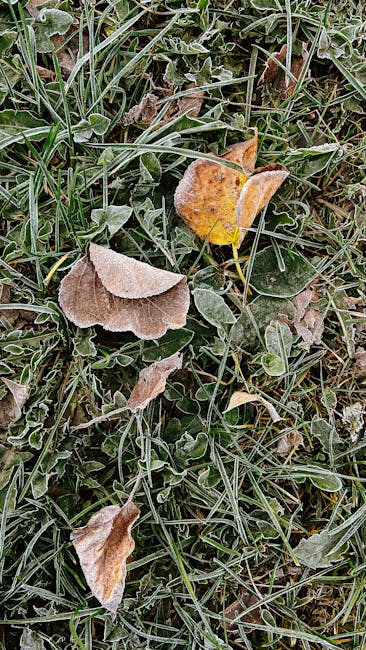
Cold temperatures can slow down air plant metabolism. Their growth rate decreases significantly. Exposure to frost or freezing can damage their cells. Such damage can lead to browning and decay. In extreme cases, prolonged exposure can be fatal.
Signs Of Cold Stress In Air Plants
Look for changes in leaf color. Leaves might turn brown or black. This discoloration indicates cold stress. Additionally, wilting or curling of leaves can occur. These signs suggest the plant is struggling in cold conditions.
Protection Strategies For Cold Weather
Keeping air plants indoors during cold months helps. Use a bright, indirect sunlight spot. Ensure temperatures remain above 50°F (10°C). At night, move them away from cold windows. Consider using a frost cloth if temperatures drop drastically.
Adapting Care Routine For Winter
Adjust watering schedules during colder months. Air plants need less water in winter. Mist them occasionally, instead of soaking. Ensure proper air circulation to prevent moisture buildup. This helps in avoiding mold and rot.
Tips For Protecting Air Plants
Air plants are fascinating creatures that don't need soil to thrive, but the cold can be their enemy. If you live in a place where temperatures drop significantly, you'll need to take extra care to ensure your air plants survive the chilly months. Let's dive into some practical tips on how you can protect these unique plants from the cold.
Indoor Placement Strategies
Bringing your air plants indoors during cold weather is a smart move. Place them near windows where they can soak up sunlight, but keep them away from drafty areas. You might have a cozy nook in your living room that catches the morning sun—perfect for your air plants.
Think about the humidity levels in your home. Bathrooms can be a great spot since they’re naturally humid after showers. However, avoid placing them directly near the heater where the air is too dry.
Outdoor Protection Methods
If you're determined to keep your air plants outside, consider using frost cloths or garden blankets to shield them. These can provide the extra warmth they need during a cold snap.
Another idea is to place them in terrariums or cloches. This not only protects them from frost but also creates a microclimate that retains heat. Have you tried this before? It's a fun way to showcase your plants while keeping them safe.
Temperature Monitoring
Keep a close eye on the temperature. A simple thermometer can be your best friend. It’s surprising how much difference a few degrees can make.
Consider setting alerts on your phone for temperature drops. It’s a handy reminder to check on your plants. Have you ever woken up to unexpected frost? Being proactive could save your plants from damage.
These strategies are easy to implement and can make a significant difference in how your air plants cope with the cold. Have you found any other creative ways to protect your air plants from chilly weather? Share your thoughts below!
Winter Care Essentials
Air plants can survive cold weather if they receive proper care. Keep them indoors during cold months. Ensure bright light and mist regularly to maintain their health.
As winter approaches, you might find yourself wondering how to keep your beloved air plants thriving despite the chill. Cold weather can pose challenges, but with the right care, your air plants can stay healthy and vibrant. The key lies in understanding their unique needs during the winter months. This guide will provide you with essential tips to ensure your air plants not only survive but flourish in colder conditions.
Watering Techniques
Winter changes everything, including how you water your air plants. They require less water during these months due to reduced evaporation. Mist them lightly every couple of weeks instead of soaking them. Test the moisture by feeling the leaves. If they’re soft or wrinkled, it’s time for a drink. However, avoid over-watering as it can lead to rot, a common winter problem.
Humidity Control
Air plants love humidity, but winter air is often dry, especially indoors. Consider placing a small humidifier nearby to maintain the right moisture level. Alternatively, you can group your air plants together. This creates a mini-humid environment beneficial for them. You might be surprised at how placing them in the bathroom can make them perk up thanks to the steam from your showers.
Lighting Adjustments
During winter, natural light is scarce. Move your air plants closer to windows to maximize their exposure to sunlight. If natural light isn't sufficient, consider using a grow light. Position it about 12 inches above the plants and leave it on for 12 to 14 hours a day. You’ll notice how this small adjustment can make a significant difference in their health and appearance. Have you ever noticed how some air plants seem to thrive despite neglect? It’s often because they’ve found their ideal spot. This winter, a little extra attention could lead to your air plants becoming the envy of your plant-loving friends. What changes will you make to give your air plants the best winter care?
Signs Of Cold Damage
Cold weather can be harsh on air plants. Understanding signs of cold damage helps. It aids in quick recovery and care. Air plants show visible signs when exposed to cold. Recognizing these early can save your plant.
Identifying Symptoms
Cold-damaged air plants may have darkened leaves. Leaves might appear soggy or wilted. Check for brown or black tips. These indicate frostbite. A soft, mushy base suggests cold damage. Healthy air plants should feel firm.
Recovery Measures
First, move the plant to a warmer spot. Ensure it gets indirect sunlight. Trim damaged leaves with clean scissors. Allow the plant to dry out completely. Mist it lightly with water after a few days. Monitor for improvement regularly.
Choosing Cold-tolerant Varieties
Air plants can endure cold weather by selecting cold-tolerant varieties. These varieties adapt better to chilly conditions. Choosing the right type ensures your air plants thrive even in cooler climates.
Choosing the right air plants can make a significant difference in their survival during cold weather. Not all air plants are created equal when it comes to withstanding chillier temperatures. Some varieties are naturally more resilient and can brave the cold with minimal fuss. Knowing which types to choose can ensure your plants thrive even when the mercury drops.
Understanding Cold-hardy Air Plants
Selecting air plants that can handle the cold starts with understanding their origins. Many cold-tolerant varieties hail from higher altitudes, where temperatures naturally dip. These plants have adapted to withstand cooler climates. Look for species like Tillandsia tectorum or Tillandsia usneoides, which are better suited to colder environments.
Identifying Frost-resistant Features
When you're picking air plants for colder climates, consider their physical features. Thicker leaves often indicate a plant's ability to retain moisture, which helps during cold snaps. Plants with silvery or fuzzy leaves, like Tillandsia ionantha, tend to handle frost better. Their unique structure helps them trap moisture, providing an extra layer of protection.
Consulting Local Experts
Don't hesitate to reach out to local plant nurseries or gardening clubs. These experts often have firsthand knowledge about which air plant varieties thrive in your specific region. Personal anecdotes can be surprisingly helpful. I once saved my entire collection after a local gardener suggested a hardier variety that wasn't on my radar.
Experimenting With Different Varieties
Sometimes, the best way to learn is by trying different plants. Start with a small selection of different cold-tolerant air plants to see which ones thrive in your environment. Keep a journal of their progress. Documenting their growth can be both a learning experience and a fun project.
Considering Microclimates In Your Home
Even if the outside temperatures are dropping, you might have warmer microclimates in your home that can support your air plants. A sunny windowsill or a spot near a heater can mimic the warm conditions they love. Have you considered how these small changes might influence your plant's health? Choosing the right cold-tolerant air plants can greatly affect their survival during the colder months. With a bit of research and experimentation, you can find the perfect varieties that will continue to thrive, adding a touch of green to your space all year round.
Creating A Microclimate
Air plants can survive cold weather by creating a microclimate. This involves placing them in sheltered areas. Using glass containers or terrariums can help maintain warmth and humidity.
Creating a microclimate can be a lifesaver for your air plants during chilly weather. You might wonder, how can such delicate plants survive the cold? The secret lies in crafting a cozy environment tailored just for them. By focusing on strategic setups, you can keep your air plants thriving when the temperature drops.
Using Terrariums
Terrariums act as protective domes for your air plants. They trap warmth and maintain humidity levels, creating a snug little haven. Choose glass containers for the best light exposure and to showcase your plants beautifully. Add a layer of pebbles or sand at the bottom to help with moisture control. This setup not only looks great but also helps mimic the air plants' natural habitat.
Heating Solutions
Consider using heating pads or small heaters to keep the chill at bay. These can be particularly useful if your air plants are in a drafty room or near windows. Place a heating pad beneath your terrarium or keep a small space heater nearby to maintain a steady temperature. Be cautious with direct heat. Too much warmth can dry out your plants, so monitor the conditions closely. Would you prefer to adjust the room's thermostat instead? This ensures a consistent ambient temperature without any direct heat risks. By creating a microclimate, you're not just protecting your air plants—you're giving them a chance to flourish even in the coldest months. Have you tried any of these methods, or do you have your own tips to share? Your air plants will thank you for every effort you make to keep them cozy and healthy.
Frequently Asked Questions
Can Air Plants Withstand Frost?
Air plants are sensitive to frost and can suffer damage. It's essential to protect them during freezing temperatures. Moving them indoors or covering them can help prevent frost damage and ensure their survival.
How Cold Is Too Cold For Air Plants?
Air plants generally thrive in temperatures above 50°F (10°C). Exposure to temperatures below this can cause stress and potential damage. It's crucial to keep them warm during colder months to maintain their health.
Do Air Plants Need Special Care In Winter?
Yes, air plants require extra care in winter. Reduce watering frequency and ensure they are protected from cold drafts. Keeping them in a warmer, humid environment can help them stay healthy during colder periods.
Can Air Plants Survive Outdoors In Winter?
Air plants can struggle outdoors in winter, especially in colder climates. It's advisable to bring them indoors or provide adequate protection. A sheltered spot can help them survive harsh winter conditions.
Conclusion
Air plants can survive cold weather with proper care. Protect them from frost. Keep them indoors during freezing temperatures. Ensure they have bright, indirect light. Mist them regularly to maintain moisture. Use a frost cloth if they stay outside. Check the temperature frequently.
Cold air can harm these delicate plants. Consider a greenhouse for extra protection. Healthy air plants bring beauty to any space. They are worth the effort. Adaptability makes them special. With attention, they thrive even in chillier climates. Enjoy their unique charm all year round.