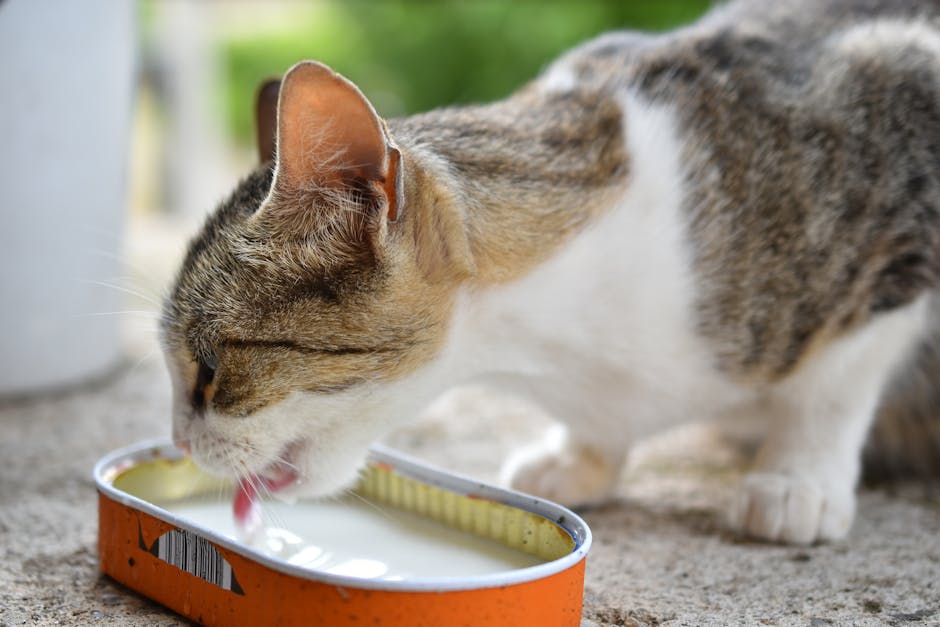
Imagine finding yourself in a situation where your pantry is bare, and the only food option is your cat's kibble. Could you eat it?
Would it be safe? It's a scenario that might seem far-fetched, but emergencies can make us consider unexpected options. You might be wondering if cat food could sustain you when no other options are available. This article delves into the surprising and slightly unsettling question: can humans eat cat food in an emergency?
By the end of this read, you'll have a clear understanding of the potential risks and benefits, ensuring you're well-prepared for any situation. Stay with us to uncover the truth behind this curious culinary conundrum.
Nutritional Composition Of Cat Food
Can cat food provide nutrition for humans in an emergency? It's worth exploring. Cat food is designed for feline needs. It contains specific nutrients for cats. Understanding its nutritional composition helps assess its suitability for humans.
Protein Content
Cat food is high in protein. Cats are obligate carnivores. They need more protein than humans. Protein supports muscle maintenance and energy. In emergencies, protein can help humans too. But, it's not enough alone.
Essential Vitamins And Minerals
Cat food includes essential vitamins and minerals. These support a cat's health. Taurine, vitamin A, and niacin are vital for cats. Humans need vitamins and minerals too. But in different amounts. Cat food may not meet human requirements fully.
Carbohydrate Levels
Carbohydrate content in cat food is low. Cats don't require many carbs. Humans need carbohydrates for energy. Eating cat food may not provide enough carbs. This could affect human energy levels.
Differences Between Cat And Human Dietary Needs
In emergencies, consuming cat food is not advisable for humans. Cats need more protein and fewer carbohydrates compared to humans. Cat food may lack essential nutrients required for human health.
Understanding the dietary needs of cats and humans is crucial. Cats are obligate carnivores, relying mostly on meat for nutrition. Humans, on the other hand, are omnivores. They eat a variety of foods, including plants and animals. These differences mean that cat food and human food are not interchangeable. Let’s explore why.
Amino Acids Requirements
Cats need more taurine than humans. Their bodies cannot produce enough of it naturally. Taurine is essential for a cat’s heart and eye health. Humans can produce taurine on their own. Human diets do not require taurine-rich foods.
Vitamin A And Taurine Levels
Cat food contains high levels of vitamin A. Cats need this vitamin from animal sources. Human bodies can convert beta-carotene into vitamin A. Too much vitamin A can harm humans. Cat food's taurine levels are also higher. This can be harmful if consumed by humans over time.
Digestive System Variances
Cats have shorter digestive tracts. They digest high-protein diets efficiently. Human digestive systems are longer. They handle various food types, including fiber. Eating cat food may upset a human’s digestive system. It lacks the fiber and balance human bodies need. `
Safety Considerations For Humans
Eating cat food in emergencies can be risky for humans. It's not designed for our nutritional needs. Short-term consumption might be safe, but it's not a substitute for human food. Always prioritize finding proper sustenance.
Eating cat food in an emergency might seem unusual. Yet, in dire situations, people may consider it. Understanding safety considerations is crucial before making such a choice. Cat food meets feline dietary needs, not human ones. Let's explore important safety factors.
Potential Health Risks
Cat food lacks nutrients essential for humans. It contains high amounts of fats and proteins. This imbalance can affect human health. Eating it may lead to digestive issues. Humans need different vitamins and minerals. Cat food doesn't provide these adequately. Consuming it regularly could cause nutrient deficiencies.
Short-term Vs Long-term Consumption
Eating cat food once might not harm you. It can provide temporary sustenance. Yet, long-term consumption poses risks. Human bodies require varied diets. Relying on cat food can lead to health problems. Nutritional deficiencies can weaken the immune system. This makes the body prone to illnesses.
Allergic Reactions And Sensitivities
Humans may react differently to cat food ingredients. Some people might experience allergies. Cat food can contain fish, beef, or chicken. These can trigger allergic reactions. Symptoms include itching, swelling, or rashes. People with food sensitivities should be cautious. It's essential to recognize any adverse reactions.
Survival Scenarios And Practicality
In dire situations, unconventional food sources might be considered. Cat food, while not ideal, could serve as a temporary solution. Understanding its practicality can offer insight into its role in survival scenarios.
Emergency Situations
Natural disasters or unexpected events can lead to food shortages. Access to usual food sources might be limited. Cat food, often overlooked, can become a viable option. It's readily available in homes with pets. While not designed for humans, it provides basic nutrition. In emergencies, this might be enough to sustain life.
Shelf Life And Storage
Cat food boasts a long shelf life. Canned varieties can last years if stored properly. They resist spoilage, unlike fresh produce. This makes them an appealing option in survival situations. Dry cat food can also be stored efficiently. It requires minimal space and remains edible for extended periods.
Alternative Food Sources
While cat food is an option, consider other alternatives. Non-perishable human foods like canned beans or rice are preferable. These offer better nutritional profiles suited for humans. Exploring edible wild plants or insects can diversify food sources. Knowledge of local flora can enhance survival chances. Always prioritize human-centric options when available.
Ethical And Psychological Aspects
Eating cat food in emergencies raises ethical and psychological concerns. It's not designed for humans. Could affect mental well-being and health. Understanding these aspects is crucial for informed decisions during crises.
When faced with a dire situation, such as a natural disaster or extreme scarcity, you might ponder the ethics and psychology of eating cat food. The thought alone can spark a range of emotions and raise questions about human dignity, societal norms, and animal rights. This section delves into these ethical and psychological dimensions, providing insights and considerations to help you navigate such challenging scenarios.
Mental Impact Of Eating Pet Food
The idea of consuming pet food can be unsettling. It can make you question your identity and worth. You might find yourself wondering, “Has it really come to this?” Eating cat food can lead to feelings of shame or embarrassment. This is not just about the taste or texture, but what it symbolizes. It challenges your perception of what is considered normal or acceptable. Yet, in an emergency, survival becomes the priority. Understanding that needing to eat pet food doesn’t diminish your value can be a powerful mental shift. Embrace the resilience and adaptability it represents.
Social And Cultural Implications
Social norms dictate what is considered food for humans. Eating cat food defies these norms and can lead to judgment or stigma from others. It might feel isolating, as if you’re stepping outside the bounds of society. Culturally, food is tied to identity and tradition. Deviating from these norms can feel like losing a piece of yourself. However, in survival situations, these boundaries can become less rigid. Think about how your community would react. Would they understand the necessity, or would they judge? Your response to these questions can help prepare you mentally for societal reactions.
Animal Welfare Considerations
Choosing to eat cat food might also make you think about your furry companions. Are you taking food away from them, or are you sharing resources in a time of need? Consider the balance between your needs and those of your pet. In some cases, sharing pet food could be a temporary solution for both. Reflect on the ethical responsibility you have towards your pet. Ensuring their well-being while managing your own can be a delicate balance, but it’s one worth striving for. --- Facing an emergency is never easy. It challenges your ethics, your mental fortitude, and your relationship with societal norms. By considering these aspects, you can make informed decisions that respect both your needs and the world around you.
Expert Opinions And Research Findings
Experts explore if humans can eat cat food in emergencies. Research shows it's safe for short-term use. Cat food lacks essential nutrients needed for humans long-term.
In emergencies, people consider unusual food options. Cat food might be one of these. But is it safe for humans? Let's explore expert opinions and research findings to understand the implications of eating cat food in emergencies.
Studies On Human Consumption
Researchers have examined the potential effects of eating cat food. Studies show that cat food contains nutrients suitable for felines. These include proteins, fats, and vitamins. But, the balance differs from human needs. Consuming cat food occasionally might not harm humans. Yet, it lacks essential nutrients for long-term human consumption.
Nutritionist Perspectives
Nutritionists stress the differences in dietary needs. Human bodies require a varied diet. This ensures all essential vitamins and minerals. Cat food doesn't meet these requirements. It might provide temporary sustenance. But it isn't a substitute for balanced human meals. Nutritionists recommend using it only in dire situations.
Veterinary Insights
Veterinarians focus on the intended consumers of cat food. Cats have different digestive systems. Their nutritional needs differ significantly from humans. This makes cat food specifically tailored for felines. Vets advise against regular human consumption. Cat food isn't tested for human safety. It might contain elements harmful to humans over time. `
Frequently Asked Questions
Can Humans Safely Eat Cat Food?
In emergencies, cat food can be consumed by humans. However, it lacks essential nutrients needed for human health. It's not recommended as a long-term solution. Always prioritize food specifically made for human consumption.
What Nutrients Does Cat Food Lack For Humans?
Cat food lacks certain vitamins, minerals, and essential nutrients needed by humans. It doesn't provide adequate carbohydrates or fiber. Over time, this can lead to nutritional deficiencies. Always seek food designed for human dietary needs.
Is Cat Food Consumption Harmful To Humans?
Occasional consumption of cat food is not harmful for humans. However, it shouldn't replace regular human meals. Long-term consumption can lead to nutritional imbalances. If possible, seek alternative emergency food options.
How Does Cat Food Taste To Humans?
Cat food may taste bland or unappetizing to humans. It's formulated for feline taste preferences, not human palates. The texture and flavor might be off-putting. If alternatives are available, they might be more palatable.
Conclusion
Eating cat food isn't ideal for humans. It's made for cats, not people. Nutritional needs differ. Humans require vitamins and minerals that cat food lacks. Short-term consumption in emergencies might not harm. Long-term use is risky. Consider alternative human foods instead.
Canned vegetables, beans, or dry pasta are safer. Always check ingredients. Some cat foods contain allergens. Understand the risks involved. Your health matters. Prioritize human food options. Keep emergency supplies ready. Stay informed, stay safe. Planning ahead can prevent reliance on pet food.