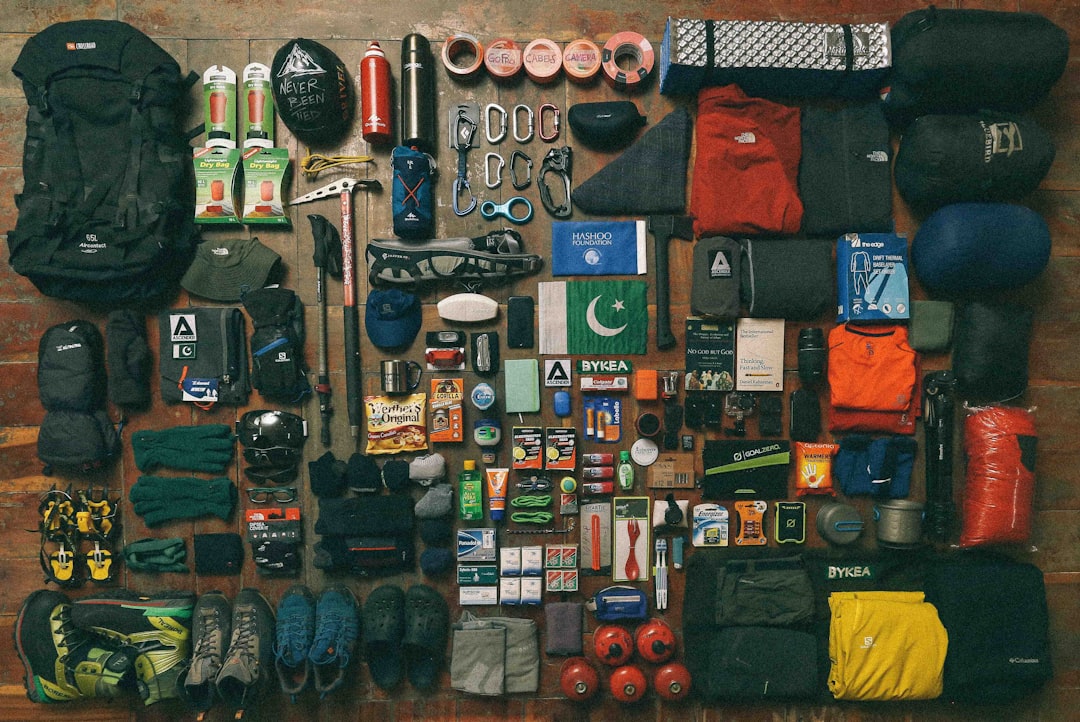
Imagine finding yourself in an unexpected situation where the comforts of daily life are suddenly out of reach. In such moments, a well-prepared survival kit can be your lifeline.
You might wonder, "Do I really have everything I need? " It's a question worth asking before it's too late. Whether you're planning a hiking adventure, preparing for a natural disaster, or just want peace of mind, knowing what every survival kit needs is crucial.
You deserve to feel confident and secure, no matter what comes your way. Discover the essentials that make a survival kit truly effective, and ensure you're ready for anything. Dive in to learn how to equip yourself with the right tools and knowledge that could make all the difference.
Basic Supplies
Every survival kit needs basic supplies to ensure safety and preparedness. Include essentials like water, food, first aid, and tools. These items help navigate emergencies effectively.
When you're preparing a survival kit, having the right basic supplies can make all the difference. In emergencies, these essentials are what you will rely on to stay safe and secure. A well-stocked kit not only provides peace of mind but can also ensure your survival during unforeseen events. Let's dive into some of the most crucial components every survival kit should have.
Water And Filtration
Water is the lifeblood of any survival kit. Aim to have at least one gallon per person per day for drinking and sanitation. But carrying too much water can be impractical. That's where water filtration comes in. A portable water filter or purification tablets are lightweight and can turn contaminated water into a safe drinking source. Remember that time you got lost on a hike and had to drink from a questionable stream? A filter would have been a game-changer.
Non-perishable Food
Non-perishable food items are another cornerstone of your survival kit. Think canned goods, dried fruits, nuts, and protein bars. They have a long shelf life and provide essential nutrients. You want items that require minimal preparation and can be eaten on the go. Consider adding a manual can opener to your kit as well. Have you ever tried opening a can without one? It's a challenge you don't want in a crisis.
First Aid Kit
Accidents happen, especially in survival situations. A well-equipped first aid kit can treat minor injuries and prevent infections. Include items like bandages, antiseptics, pain relievers, and any personal medications. Don't forget to add supplies tailored to your environment or specific risks you might face. Ever had a blister ruin your hike? Imagine handling that without a first aid kit. Are you prepared for the unexpected with these basic supplies in your survival kit? Prioritize these essentials to enhance your readiness and resilience.
Tools And Equipment
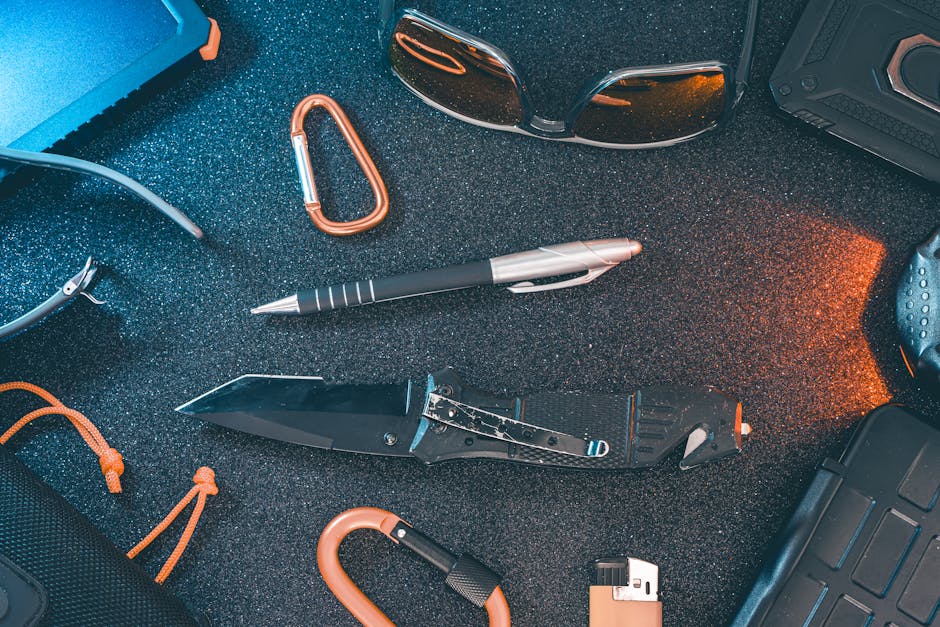
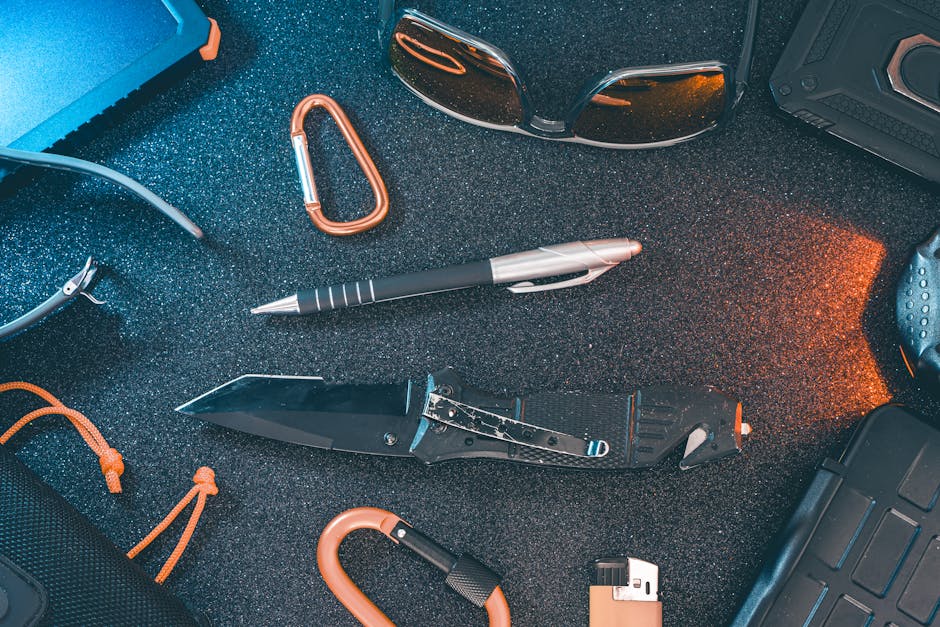
A well-prepared survival kit holds essential tools and equipment. Items like a reliable flashlight, sturdy knife, and waterproof matches ensure safety. Including a first-aid kit and multi-tool enhances preparedness for emergencies.
When you're putting together a survival kit, your choice of tools and equipment can make all the difference. These aren't just items to tick off a checklist; they're your lifeline in an emergency. Whether you're navigating through the wilderness or bracing for a natural disaster, having the right tools on hand could be the key to staying safe.
Multi-tool
A multi-tool is the Swiss Army knife of your survival kit. Compact and versatile, it can handle a range of tasks. From cutting ropes to opening cans, this gadget does it all. Imagine trying to fix a tent pole in the dead of night without a plier. The multi-tool saves you time and hassle. Look for one with a solid grip, sharp blades, and a locking mechanism for safety.
Fire Starters
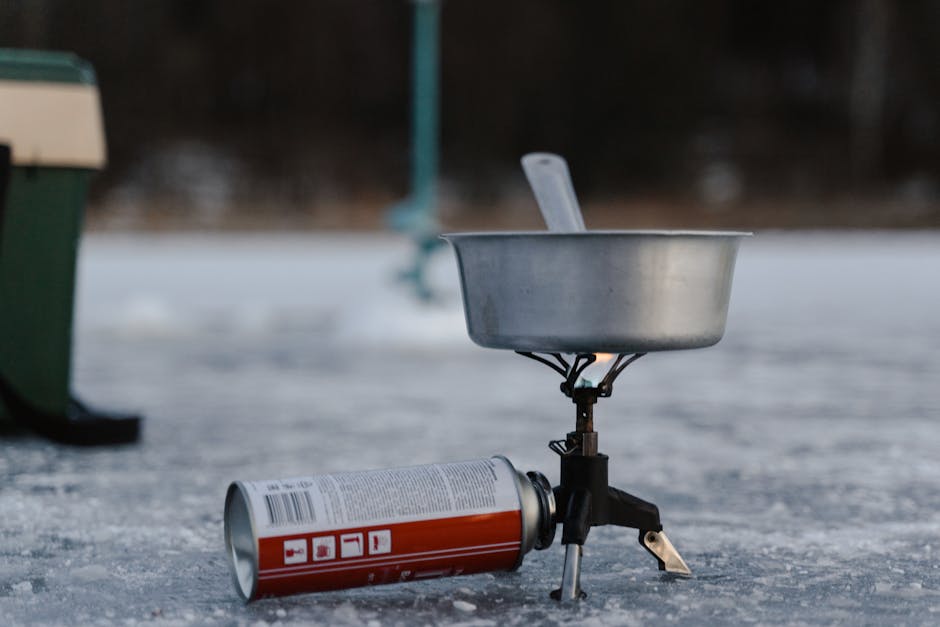
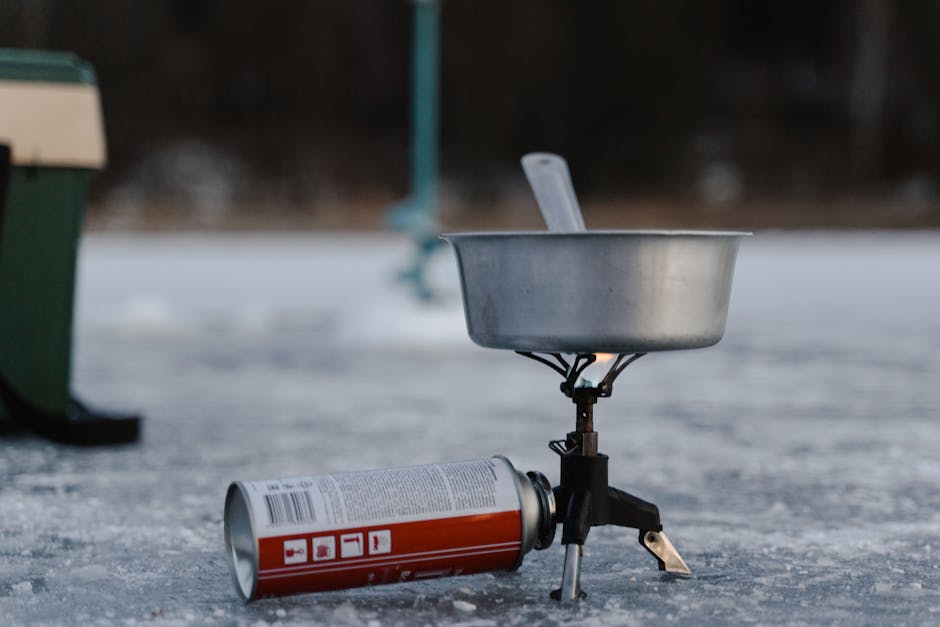
Fire is essential for warmth, cooking, and signaling for help. Your survival kit should include reliable fire starters. Think waterproof matches or a magnesium fire starter. Have you ever tried lighting a fire in the rain? It's nearly impossible without the right tools. A good fire starter ensures you're not left shivering in the cold. Practice using it before you find yourself in a survival situation.
Flashlight And Batteries
A flashlight is your guide in the dark. When the power goes out or you're navigating through the woods, a dependable flashlight is crucial. Picture this: you're hiking and night falls quicker than expected. Without a flashlight, you'd be stumbling blind. Choose one that's durable and waterproof, and always pack extra batteries. Rechargeable flashlights with solar panels are a smart choice too.
As you assemble your survival kit, keep these tools and equipment in mind. Do you have any personal favorites or additional tools you think are essential? Your input could be invaluable to others building their kits.
Shelter And Warmth
A survival kit should always include tools for shelter and warmth. Blankets, tarps, and fire starters can provide essential protection from the cold. Staying warm is crucial for survival in harsh conditions.
When you're out in the wild, ensuring you have proper shelter and warmth can mean the difference between a comfortable night and a risky situation. Whether you're caught in a sudden storm or temperatures drop unexpectedly, having the right items in your survival kit to stay warm and protected is crucial. Let’s dive into the essentials you need for shelter and warmth.
Emergency Blanket
An emergency blanket is a lightweight and compact lifesaver. It reflects your body heat back to you, helping to prevent hypothermia even in harsh conditions. They take up almost no space in your pack, so there's really no excuse not to carry one. Imagine finding yourself stranded in the cold. An emergency blanket can wrap around you, capturing your warmth and providing an instant thermal barrier. It's a small investment for significant peace of mind.
Tent Or Tarp
A tent or tarp can provide critical shelter from the elements. A compact, easy-to-assemble tent offers full protection from rain and wind. If weight is a concern, a tarp is a versatile alternative that can be rigged into various shelter configurations. Have you ever camped under the stars only to be woken by unexpected rain? A tarp or tent is your first line of defense, ensuring you stay dry and sheltered. Always check that it's in good condition before heading out.
Warm Clothing
Layering with warm clothing is key to maintaining body heat. Choose items that are moisture-wicking and easy to layer, such as thermal tops, wool socks, and insulated jackets. These can be lifesavers during cold nights or sudden weather changes. Think back to a time when you underestimated the weather. The chill can set in faster than you'd expect. Adding warm clothing to your kit ensures you're prepared for the worst. Are your current clothes up to the challenge? By focusing on these essentials, you’re taking proactive steps to ensure safety and comfort in the wilderness. What’s stopping you from updating your survival kit today?
Navigation Aids
Survival kits need navigation aids like compasses and maps. These tools guide you when lost in unfamiliar places. Choose compact and durable options for easy carrying.
When you're out in the wild, whether hiking, camping, or dealing with an unexpected situation, having the right navigation aids in your survival kit is crucial. A reliable way to navigate can be the difference between finding your way back to safety or getting hopelessly lost. These tools help you understand your surroundings and plot a course to your destination. Let's dive into two essential navigation aids that should be part of every survival kit.
Compass
A compass is a fundamental tool for navigation. It provides a sense of direction when you're surrounded by unfamiliar landscapes. Unlike GPS devices, a compass doesn't rely on batteries, making it a more dependable choice in survival situations. Learning to use a compass can be a lifesaver. Practice using it in familiar environments to build your confidence. Have you ever tried finding your way without one? It's a challenge you don't want to face unprepared.
Local Maps
Local maps are indispensable for understanding the terrain and planning your route. They offer detailed information about the area, including trails, water sources, and elevation changes. A map paired with a compass gives you a comprehensive navigation system. Ensure the maps in your kit are up-to-date and relevant to the area you are exploring. Fold them neatly to fit in your kit without damage. Have you ever found yourself staring at a blank horizon, wishing you had a map? This simple tool can turn confusion into clarity. Consider waterproof maps for areas prone to rain or moisture. This small investment can prevent a map from turning into a soggy, unreadable mess. Having reliable navigation aids in your survival kit not only prepares you for the unexpected but also boosts your confidence to explore the unknown. Is your survival kit equipped with these essentials?
Communication Devices
Every survival kit should include reliable communication devices. They ensure connection with help during emergencies. Portable radios and satellite phones are essential tools for staying safe.
When you're assembling a survival kit, it's essential to include communication devices. These tools are your lifeline when you're out of reach or in an emergency. They can bridge the gap between isolation and help.
Whistle
A whistle might seem basic, but it's a vital part of any survival kit. In a situation where you're lost or in distress, a simple whistle can alert others to your location. Its sound can travel much further than your voice, especially in the wilderness. Keep it easily accessible in your kit. A whistle requires no batteries, making it reliable in all conditions. Imagine being caught in a snowstorm; a whistle could be the difference between being found or left behind.
Two-way Radio
Two-way radios are indispensable when you need to communicate over longer distances. Unlike mobile phones, they don't rely on cellular networks, which can be unreliable in remote areas. With a two-way radio, you can maintain contact with your group or call for help. Choose a model that's durable and has a good range. Test it before heading out to ensure you know how to use it. Picture yourself hiking with friends and getting separated; a two-way radio helps you regroup quickly.
Incorporating these communication devices into your survival kit prepares you for unforeseen events. What other tools do you consider essential? Share your thoughts and experiences in the comments below!
Personal Protection
Personal protection is a key part of any survival kit. It ensures safety and health during emergencies. This section helps you understand essential items for personal safety. Each item plays a crucial role in keeping you secure and protected.
Face Mask
Face masks protect against dust, allergens, and airborne particles. They are vital during fires or pandemics. Masks with filters offer better protection. Choose masks that fit snugly and cover your nose and mouth. Disposable masks are convenient but reusable ones can be washed and used again.
Gloves
Gloves shield hands from cuts, burns, and germs. They are essential for handling debris or contaminated items. Choose durable gloves with good grip. Latex gloves are good for hygiene, while work gloves protect during manual tasks. Always have a pair in your kit.
Insect Repellent
Insects can pose serious health risks during survival situations. Insect repellent keeps mosquitoes and ticks away. Use repellents with DEET or natural oils like citronella. Spray or lotion forms are easy to apply. Always carry repellent to avoid bites and infections.
Health And Hygiene
In a survival situation, health and hygiene are essential. Maintaining cleanliness can prevent illness. It also boosts morale. A well-stocked survival kit should include items for health and hygiene. This ensures you stay healthy and comfortable. Let's explore the necessary supplies.
Sanitation Supplies
Sanitation supplies are crucial in any emergency kit. Pack biodegradable soap for washing dishes and clothes. This helps keep your environment clean. Include sanitizing wipes for quick cleanups. They're useful when water is scarce. Disposable gloves protect against germs. They are also useful for handling waste. Trash bags are essential. Use them for waste disposal and rain protection. A portable toilet might be a luxury, but it's practical in long-term situations.
Personal Hygiene Items
Personal hygiene items maintain health and comfort. Include a toothbrush and toothpaste. Oral hygiene prevents dental issues. Pack a comb or brush to keep hair tidy. A small mirror can assist with grooming. Deodorant helps prevent odor. It boosts confidence and comfort. Feminine hygiene products are vital for women. They ensure cleanliness and comfort. Don't forget toilet paper or tissues. They're essential for daily needs.
Important Documents
Important documents play a vital role in survival kits. They ensure access to essential services and identity verification during emergencies. Keeping these documents safe and ready can make a significant difference in crisis situations. Having copies of these documents is crucial for faster recovery.
Identification Copies
Carry copies of your identification documents. Include passports, driver’s licenses, and birth certificates. These copies help prove your identity in emergencies. Store them in waterproof bags to prevent damage. It’s also wise to have digital copies on a secure cloud storage. This ensures access even if physical copies are lost.
Emergency Contacts
List important emergency contacts in your kit. Include family, friends, and local authorities. Ensure the list is updated regularly. This information helps responders reach your loved ones. It can also assist in finding local support services. Keep a written copy, as digital devices may fail.
Miscellaneous Items
A well-stocked survival kit should include essential miscellaneous items like a flashlight, multi-tool, and whistle. These tools can be lifesavers in emergencies. Don't forget a fire starter and a first aid kit to ensure safety and preparedness.
When you're preparing a survival kit, it's crucial not to overlook the miscellaneous items. These seemingly minor components can make a significant difference in an emergency. They are the unsung heroes, quietly ensuring you're ready for anything. Think about the times when a small detail saved the day. That's the power of these items.
Cash
In a digital world, cash might seem outdated. But picture a scenario where power is out, and card machines are down. Having cash can be a lifesaver. Keep a mix of small and large bills in your kit. Imagine needing to buy supplies or fuel in a crisis. Cash ensures you aren't left stranded. It's a simple addition, but its impact can be huge.
Duct Tape
Duct tape is the ultimate multi-tool. It can fix a tent, patch a leak, or secure a broken item. Its versatility is unmatched. You might recall a time when duct tape saved a day—it’s that reliable. It's lightweight and compact, making it easy to include in your kit. Think about how many uses you can find for it in an emergency. You'll be glad you packed it.
Notebook And Pen
Communication is key in a crisis. A notebook and pen allow you to jot down important information. Whether it's a map, a list of items, or a message for others, this combo is invaluable. Consider the times when a written note was the best way to communicate. In an emergency, it might be the most reliable. Plus, writing things down can help you stay organized and focused. What other small items could be crucial in an emergency? Adding these miscellaneous items to your survival kit ensures you're ready for the unexpected. They might seem simple, but they could be the tools that get you through tough times.
Frequently Asked Questions
What Items Are Essential In A Survival Kit?
A survival kit should include water, food, first-aid supplies, and a flashlight. Add a multi-tool, waterproof matches, and a whistle for emergencies. Ensure you have a map, compass, and local emergency contacts. Customize your kit based on your location and personal needs.
How Much Water Should A Survival Kit Have?
A survival kit should have at least one gallon of water per person per day. This amount covers drinking, cooking, and hygiene needs. Consider portable water filtration systems or purification tablets for extended emergencies. Store water in durable containers to prevent leaks or contamination.
Why Is A First-aid Kit Crucial For Survival?
A first-aid kit provides essential medical supplies for treating injuries or illnesses. It includes bandages, antiseptic wipes, and pain relievers. Having these items helps manage minor injuries and prevents infection. Customize your kit with any personal medications or special health requirements.
What Food Should Be In A Survival Kit?
Include non-perishable, high-energy foods like canned goods, granola bars, and nuts. Choose items with a long shelf life and easy preparation. Avoid foods needing refrigeration or complex cooking. Consider dietary restrictions or allergies when packing your kit. Rotate food supplies regularly.
Conclusion
A well-prepared survival kit can save lives. Essentials like water, food, and a flashlight are crucial. Don't forget a first-aid kit and a multi-tool. Matches and a whistle add extra safety. Personalize your kit for specific needs. Regularly check and update its contents.
This ensures everything works when needed most. Practice using each item beforehand. Confidence grows with familiarity. A good survival kit offers peace of mind. Prepare now to stay safe later. Your future self will thank you.