Imagine you're in a situation where quick access to medical supplies is crucial. Whether you're hiking in the wilderness, facing a natural disaster, or even just experiencing a minor emergency at home, having a survival medical kit can be a lifesaver.
But what exactly comes in these kits? As you delve into this guide, you'll uncover the essential items that can make all the difference when time is of the essence. Understanding the contents of a survival medical kit not only empowers you to handle unexpected situations but also gives you peace of mind knowing you're prepared.
Stay with us as we explore the must-have components that ensure your readiness for any emergency.
Basic First Aid Supplies
Basic first aid supplies are crucial in survival medical kits. They help manage injuries and prevent infections. These supplies are the first line of defense in emergencies. Knowing what they include can make a difference in critical situations. Let's explore the essentials found in these kits.
Bandages And Dressings
Bandages come in various sizes and types. They cover wounds and help stop bleeding. Dressings protect the wound from dirt and germs. Sterile dressings are essential for open wounds. They keep the area clean and promote healing.
Antiseptics And Cleaning Agents
Antiseptics are vital in preventing infections. They clean wounds and kill bacteria. Common antiseptics include alcohol wipes and iodine swabs. Cleaning agents help remove debris from cuts. They ensure the wound is free from harmful particles.
Adhesive Tapes And Gauze
Adhesive tapes secure bandages in place. They are flexible and stick well to skin. Gauze pads are used for dressing wounds. They absorb fluids and provide cushioning. Both are essential for effective wound care.
Wound Care Essentials
Survival medical kits often include wound care essentials like bandages, antiseptic wipes, and gauze. These items help clean and protect injuries in emergencies. Quick access to such supplies can be crucial for effective wound treatment.
When you're preparing for any survival situation, ensuring you have the right medical supplies is crucial. One of the most important aspects of a survival medical kit is wound care essentials. These supplies help you manage injuries until professional medical help is available. Imagine the peace of mind knowing you can handle minor scrapes or more serious cuts effectively. Let's dive into some key components that make wound care a breeze.
Sterile Gloves
Sterile gloves are a must-have in your kit. They protect you and the patient from infections. Always wear gloves before treating any wound. This simple action can prevent a minor injury from becoming a serious health issue. Have you ever considered how easy it is to transfer bacteria from your hands to a wound? Keep extra pairs handy so you’re always prepared.
Tweezers And Scissors
Tweezers are essential for removing debris from wounds. Whether it’s a splinter or a small piece of glass, tweezers can help you clean the wound efficiently. Scissors, on the other hand, are great for cutting bandages or tape. Their sharp edges ensure precise cuts, making dressing wounds quicker and easier. Have you ever struggled with tearing medical tape? With quality scissors, those struggles are a thing of the past.
Wound Closure Strips
Wound closure strips are lifesavers for deeper cuts. They can help close wounds when stitches aren't available. These strips are easy to apply and can significantly reduce the healing time. Can you imagine handling a deep cut without them? They hold the wound edges together, promoting faster recovery. Make sure you practice using them so you're confident when it matters most. By understanding and equipping yourself with these essentials, you're not just preparing for emergencies; you're empowering yourself to take charge when it counts. How ready are you to handle a minor medical emergency with your current kit?
Pain And Fever Management
Survival medical kits include essential items for managing pain and fever. Common components are pain relievers like ibuprofen and aspirin. Thermometers and cold packs help monitor and reduce fever. These tools are crucial for treating minor injuries and illnesses in emergency situations.
Managing pain and fever is crucial when you're facing a survival situation. Whether you're hiking through the wilderness or preparing for emergencies at home, these symptoms can affect your ability to think clearly and act swiftly. That's why survival medical kits often include essential tools and medications to help you manage pain and fever effectively.
Pain Relievers
Pain relievers like acetaminophen or ibuprofen are staples in survival medical kits. They help alleviate headaches, muscle aches, and minor injuries. Imagine you're in the middle of a camping trip, and a sudden headache disrupts your adventure. Having a pain reliever on hand can make a significant difference, allowing you to enjoy the rest of your day.
Cold And Hot Packs
Cold and hot packs provide immediate relief for sprains and strains. These packs are easy to use, offering comfort in minutes. Picture yourself tending to an ankle sprain while trekking a challenging trail. Wouldn't you want a quick solution to reduce swelling? Cold packs help with inflammation, while hot packs can ease muscle stiffness.
Anti-inflammatory Medications
Anti-inflammatory medications can be a lifesaver in managing joint pain or severe swelling. They reduce inflammation and help you regain mobility. Suppose you're dealing with a swollen knee after a long hike; reaching for an anti-inflammatory can mean the difference between pushing forward or cutting your journey short. Survival situations demand quick thinking and resilience. Are you prepared to tackle pain and fever effectively? Taking these precautions can ensure you stay focused and ready for whatever challenges come your way.
Allergy And Respiratory Aids
Survival medical kits often contain allergy and respiratory aids essential for emergencies. Items like antihistamines, inhalers, and nasal sprays provide quick relief. These tools help manage sudden allergies and breathing issues effectively, ensuring safety in critical situations.
Allergy and respiratory issues can arise unexpectedly, making it crucial to have the right supplies in your survival medical kit. Breathing difficulties and allergic reactions can be life-threatening if not addressed promptly. Having allergy and respiratory aids ensures you’re prepared to handle these situations effectively.
Antihistamines
Antihistamines are essential for managing mild to moderate allergic reactions. They help reduce symptoms like sneezing, itching, and rashes. Keep both non-drowsy and regular antihistamines to manage daytime and nighttime allergies effectively. Imagine you’re on a camping trip, and someone suddenly starts sneezing uncontrollably due to pollen. Having antihistamines on hand can make all the difference between a spoiled trip and a minor inconvenience. Do you have a preferred brand that works best for you? It might be worth adding it to your kit.
Inhalers
Inhalers are crucial for individuals with asthma or other respiratory conditions. They provide quick relief from breathing difficulties. A standard inhaler in your kit can serve as an emergency backup if you or someone else runs out of their personal supply. Think back to a time when you witnessed someone struggling to breathe. The panic is palpable, isn't it? A simple inhaler could turn a potentially dangerous situation into a manageable one. Make sure to check expiration dates regularly and replace as needed.
Epipens
EpiPens are life-saving devices for severe allergic reactions, known as anaphylaxis. They deliver a dose of epinephrine to counteract the reaction swiftly. Always have at least one EpiPen in your kit, especially if you or someone in your group has known allergies to things like peanuts or bee stings. Consider the peace of mind knowing you have an EpiPen ready. It's the difference between panic and preparedness. Have you ever faced an allergy scare without one? That’s a scenario you never want to repeat. Always train yourself and others on how to use it properly. Preparing your survival medical kit with these allergy and respiratory aids can make all the difference in an emergency. Which item will you prioritize next time you update your kit?
Gastrointestinal Treatments
In survival situations, gastrointestinal issues can arise unexpectedly. It's vital to have treatments on hand. Survival medical kits often include essential gastrointestinal treatments. These treatments help manage discomfort and maintain hydration. Let's explore some key components found in these kits.
Antacids
Antacids relieve stomach pain and indigestion. They neutralize stomach acid effectively. Tablets or liquids are common forms. Easy to administer during emergencies. They provide quick relief. Essential for anyone prone to acidity.
Anti-diarrheal Medications
Diarrhea can quickly lead to dehydration. Anti-diarrheal medications are crucial. They slow down intestinal movement. This helps the body absorb more fluids. Common types include tablets or capsules. Important for maintaining energy and hydration.
Rehydration Solutions
Dehydration can be dangerous. Rehydration solutions restore lost fluids and electrolytes. They come in powders or ready-to-drink packets. Easy to mix with water. Essential after vomiting or diarrhea. They help replenish vital nutrients.
Emergency Tools And Equipment
Emergency tools and equipment are vital components of any survival medical kit. They can mean the difference between life and death in a crisis. Even if you’re not an expert, having the right tools can empower you to handle unexpected situations. Imagine being caught in a sudden storm during a hiking trip. The right emergency equipment could be your lifeline.
Thermometers
Thermometers are crucial for assessing health conditions accurately. A fever might signal infection or illness, which requires immediate attention. Digital thermometers are preferred for their accuracy and ease of use. Ever struggled to read a mercury thermometer when feeling unwell? You’ll appreciate the simplicity of digital ones. Keep one handy to monitor your health or that of others.
Cpr Masks
CPR masks are lifesavers in emergency situations. They provide a barrier between you and the victim, reducing infection risk while performing CPR. You never know when you might need to save a life. Picture yourself witnessing a sudden collapse at a family gathering. With a CPR mask, you’re better prepared to help. These masks are lightweight and easy to carry, making them a must-have.
Emergency Blankets
Emergency blankets are essential for staying warm and dry. They reflect body heat, helping prevent hypothermia. Have you ever felt the biting cold seep through your clothes during an unexpected rain? An emergency blanket can shield you. Compact and lightweight, they fit easily into any kit. Whether camping or stranded roadside, these blankets offer comfort and protection.
Consider what tools are most crucial for you. Would a thermometer, CPR mask, or emergency blanket make you feel safer? Equip yourself with essentials that match your lifestyle and activities. Being prepared means being ready to face challenges head-on.
Survival And Outdoor Supplies
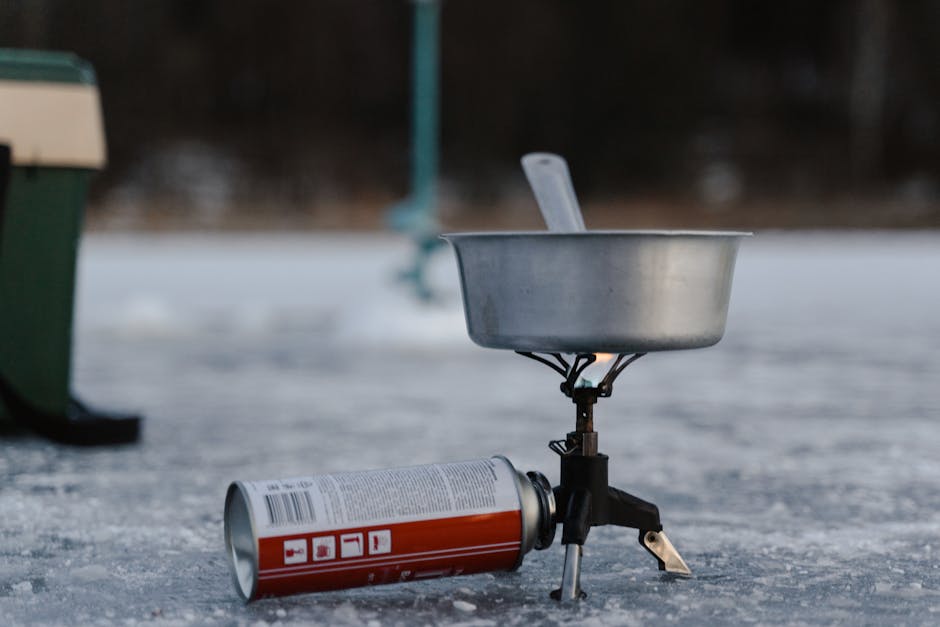
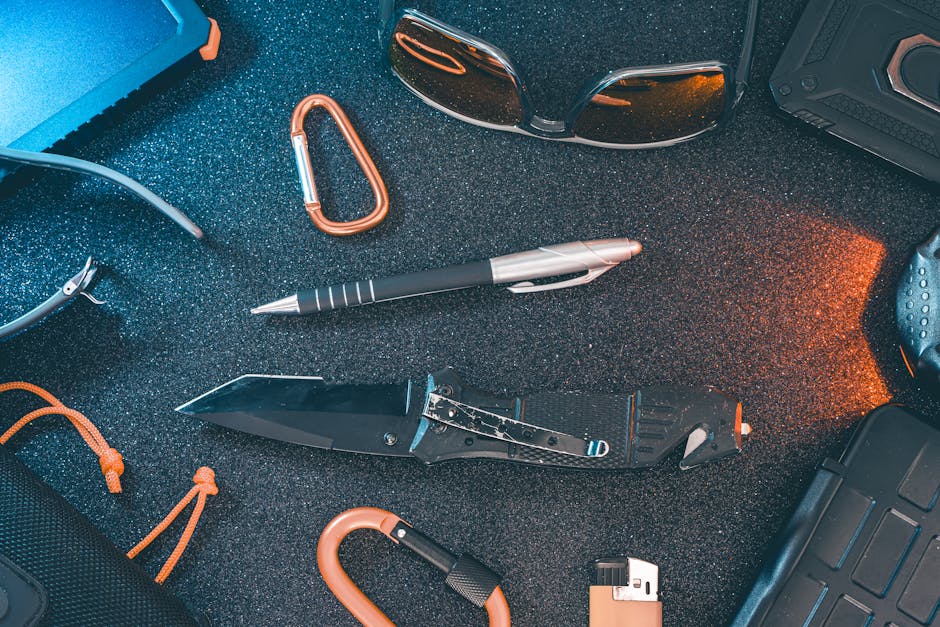
When you're venturing into the great outdoors, having a well-stocked survival medical kit is essential. These kits are not just about treating wounds; they're packed with supplies that cater to a variety of outdoor challenges. Whether you're hiking through rugged terrain or camping in the wilderness, these supplies can make your adventure safer and more enjoyable. Let's dive into some of the crucial items that should be part of your survival and outdoor supplies.
Water Purification Tablets
Ever found yourself standing next to a glistening stream, only to wonder if the water is safe to drink? Water purification tablets are your answer. They're compact and easy to use, turning potentially contaminated water into drinkable H2O. Just pop a tablet into your water bottle, wait a few minutes, and you're set. Have you ever thought about how crucial clean water is during an outdoor adventure? These tablets can be a lifesaver.
Insect Repellent
Insects can be more than just annoying; they can pose serious health risks. A good insect repellent in your survival kit can keep the bugs at bay. Imagine sitting by the campfire without swatting away mosquitoes every few seconds. The right repellent can make this dream a reality. Always check your repellent is suitable for the environment you're in—some are specifically designed for certain types of bugs.
Sunburn Relief
Sunburn can turn a memorable trip into an uncomfortable experience. Sunburn relief products are a must-have in your kit. They soothe the skin and help prevent peeling. Have you ever come back from a day outdoors only to feel like a lobster? With sunburn relief, you can ease the sting. It's always wise to apply sunscreen beforehand, but having relief on hand ensures you're covered if you miss a spot.
Each of these supplies plays a vital role in ensuring your outdoor adventure is not just survivable but enjoyable. What other items do you think are essential for outdoor survival? Your input might help someone prepare better for their next adventure.
Personal Health Items
Survival medical kits often include bandages, antiseptic wipes, and pain relievers. Essential tools like tweezers and scissors are common. Some kits also provide emergency blankets and adhesive tape.
When disaster strikes, having a survival medical kit ready can be a lifesaver. But beyond the bandages and antiseptics, these kits include crucial personal health items. These essentials are often overlooked yet are indispensable in maintaining your well-being during a crisis. Let's dive into these personal health items and understand why they are vital components of your survival medical kit.
Prescription Medications
Imagine you are stuck in a situation where getting to a pharmacy is impossible. This is where having your prescription medications in your survival kit can be a game-changer. Ensure you have a supply that lasts at least a week. This could be the difference between managing your condition effectively and facing serious health risks. Remember, your kit should be tailored to your specific health needs, so make sure you check with your doctor about what should be included.
Contact Lens Solutions
For those who wear contact lenses, this might be something you often overlook. But in an emergency, access to these solutions can become crucial. Running out can lead to discomfort or even infections. It’s advisable to pack a travel-sized bottle in your kit. You never know when you might need it, and it ensures your vision remains clear, which is essential in navigating any situation.
Personal Hygiene Products
Personal hygiene often takes a backseat in emergencies, but it shouldn’t. Keeping clean is not just about feeling fresh; it's about preventing infections and diseases. Your survival kit should include items like toothbrushes, toothpaste, and sanitary wipes. Consider how you feel after a long day without a shower, and imagine that being your reality for an extended period. These items ensure you maintain a level of cleanliness that keeps you healthy and comfortable. --- These personal health items may seem small, but their impact is significant. They ensure you can manage your health and hygiene effectively, even when the world around you is unpredictable. So, what personal health items will you add to your survival kit today?
Guidebooks And Instructions
Survival medical kits often include essential items like bandages, antiseptics, and pain relievers. Tools such as tweezers, scissors, and gloves enhance safety. Compact and practical, these kits are designed for quick access during emergencies.
When you're out in the wild or facing an emergency, having the right guidebooks and instructions in your survival medical kit can be the difference between panic and preparedness. Imagine being in a situation where you need to treat a wound, but you're unsure of the next steps. That's where these vital resources come into play. They're more than just paper; they're your lifeline to making informed decisions. Let's dive into what's typically included in these guidebooks and instructions and how they can be of immense help.
First Aid Manuals
First aid manuals are the cornerstone of any survival medical kit. They provide clear, step-by-step instructions on how to handle various medical situations. From treating cuts and scrapes to managing more serious injuries like fractures, these manuals have got you covered. They are designed to be user-friendly, ensuring that even someone with no medical training can follow them. Have you ever thought about how comforting it is to know that you have a reliable source of information right at your fingertips?
Emergency Contact Information
Emergency contact information is another crucial element included in these kits. This section typically lists important numbers such as local emergency services, poison control, and other vital contacts. It also often includes a space for you to add your personal emergency contacts. Imagine being able to quickly reach out for help without scrambling to find the right number. This feature ensures that you can swiftly connect with the necessary support when every second counts.
Survival Tips And Techniques
Survival tips and techniques can be a game-changer in challenging situations. These guides offer practical advice on staying safe and healthy in the wild. They might include tips on how to purify water, build a shelter, or identify edible plants. Have you ever considered how these small nuggets of knowledge can significantly boost your confidence in an emergency? By being prepared with these insights, you're not just surviving—you're thriving.
Frequently Asked Questions
What Items Are In A Survival Medical Kit?
A survival medical kit typically includes bandages, antiseptic wipes, gauze pads, and adhesive tape. It often contains pain relievers, tweezers, and scissors. Some kits have a first aid manual for guidance. These essential items help manage minor injuries in emergencies.
Are Survival Medical Kits Waterproof?
Many survival medical kits are designed to be waterproof or water-resistant. This ensures the contents stay dry and usable in wet conditions. Waterproof kits are ideal for outdoor adventures and unpredictable weather. Always check the kit’s specifications for waterproof features before purchasing.
How To Choose The Right Survival Medical Kit?
Consider the environment and potential emergencies you might face. Look for kits with essential items like bandages, antiseptics, and tools. Ensure it’s portable and durable for your needs. Reviews and recommendations can help in selecting a reliable kit.
Can Survival Medical Kits Handle Severe Injuries?
Most survival medical kits are designed for minor injuries and emergencies. They include basic supplies for cuts, burns, and sprains. For severe injuries, additional medical training and advanced equipment might be necessary. It's important to know the kit's limitations and seek professional help when needed.
Conclusion
Survival medical kits are essential for emergencies. They contain basic medical supplies. Bandages, antiseptic wipes, and pain relievers are common items. Each item has a purpose. They help treat minor injuries quickly. Proper preparation can save lives. Always choose a kit that fits your needs.
Assess what situations you might face. A well-stocked kit provides peace of mind. It ensures you're ready for unexpected events. Keep the kit easily accessible. Regularly check and replenish the supplies. This habit keeps your kit effective. Stay prepared and safe in every situation.