Imagine you are in a situation where your survival depends on a well-prepared kit. You're out in the wilderness or facing a natural disaster.
What is the most critical item in that kit? It's not the flashlight or the multi-tool. It's water. Without it, your chances of survival quickly diminish. In fact, you can only survive for about three days without water. That’s why having it in your survival kit is not just important—it’s essential.
Think about it: every sip of water hydrates your body, maintains your energy, and keeps your mind sharp. Now, why is water such a non-negotiable part of your survival strategy? How does it affect your body and mind in critical situations? These are questions worth exploring because understanding them can make the difference between life and death. Let’s dive deeper into why water is your ultimate ally when it comes to survival.
Importance Of Water In Survival
Water is a crucial element in any survival kit. It sustains life. In a crisis, access to clean water can mean the difference. It is essential for our survival. Whether trapped in a natural disaster or lost in the wilderness, water is a priority.
Basic Human Needs
Water is vital for basic human needs. Our bodies rely on water to function. It helps in digestion and regulates body temperature. Water is crucial for transporting nutrients. Without it, survival becomes difficult. The human body can survive weeks without food. But only days without water. This makes water a top priority in survival situations.
Role In Hydration
Hydration is key to maintaining health. Water keeps us hydrated. It prevents dehydration, which can be life-threatening. Dehydration affects cognitive and physical performance. It also leads to fatigue and dizziness. In a survival situation, staying hydrated is critical. Water helps maintain energy levels. It supports mental clarity, ensuring survival efforts are effective.
Consequences Of Dehydration
Water is more than just a thirst quencher; it is a vital element in your survival kit. Dehydration can sneak up on you, leading to dire consequences that can impact your physical and mental well-being. Understanding these risks is crucial for ensuring that you prioritize water in your emergency preparations.
Physical Health Risks
Dehydration can cause severe physical health issues. You may start feeling lightheaded or dizzy, as your body struggles to maintain blood pressure. Muscle cramps can occur, making movement painful. In extreme cases, dehydration can lead to kidney failure. Imagine being stuck without water while hiking; the lack of fluid could leave you immobile and vulnerable in harsh conditions.
Consider the heat of summer. Your body loses water rapidly through sweat, and without replenishment, your heart rate increases as it works harder to keep you cool. This strain can lead to heat exhaustion or even heat stroke. Would you risk it when a simple bottle of water could prevent these outcomes?
Impact On Mental Health
Dehydration doesn’t just affect your body; your mind takes a hit too. Mental clarity fades, making it hard to think straight or make decisions. You might experience confusion or irritability, which can be dangerous in survival situations where focus is crucial.
Remember a time when you were really thirsty and couldn’t concentrate. That’s your brain telling you it needs water to function properly. Lack of water can lead to headaches and mood swings, creating a mental fog that hampers your ability to respond to challenges effectively. Do you want to face a crisis with a clouded mind?
Water is not just about survival; it’s about thriving in adversity. Keep it at the top of your list when prepping your kit. How prepared are you for when the unexpected happens?
Water Purification Methods
A survival kit must include water purification methods. Clean water is essential for hydration and cooking. Contaminated water can cause illness, making purification vital for safety. Portable filters and purification tablets ensure access to clean water in emergencies.
When thinking about a survival kit, water is at the top of the list. But it's not just about having water; it's about ensuring it's safe to drink. Imagine finding a stream in the wild. The water might look clear, but it could be teeming with bacteria. That's where water purification methods come into play. These methods turn questionable water into something drinkable, safeguarding your health in a survival situation. Let’s dive into some practical ways to purify water when you're out in the wild.
Boiling
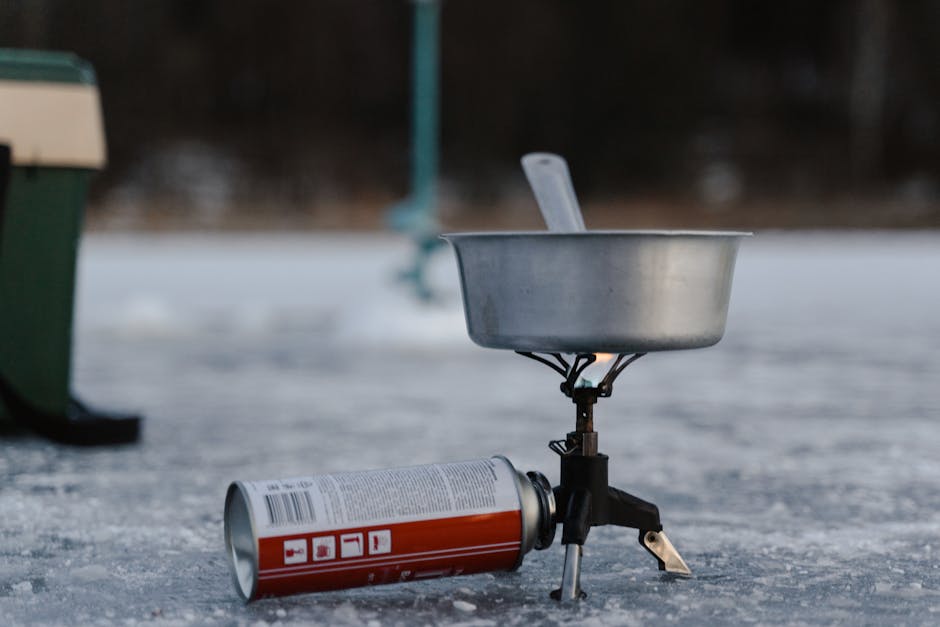
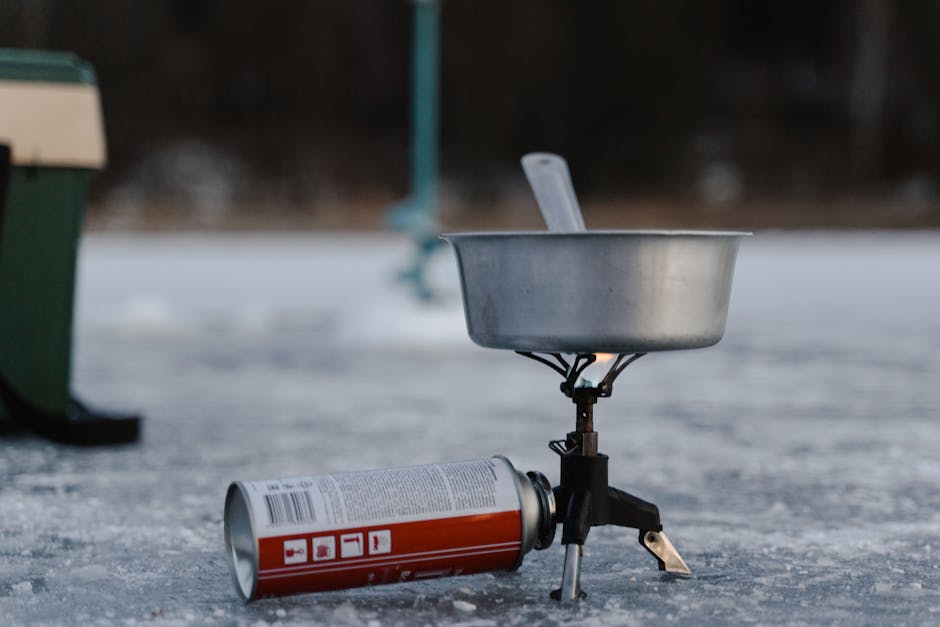
Boiling water is one of the simplest and most effective methods to purify it. By bringing water to a rolling boil for at least one minute, you kill most of the harmful pathogens. This method requires a heat source, such as a portable stove or a fire. I remember a camping trip where our only option was to boil water over a campfire. It was a simple yet crucial step that kept us hydrated and safe. Do you have a reliable way to boil water in your survival kit?
Filtration Systems
Filtration systems are a fantastic addition to any survival kit. They can range from portable water filters to pump filters. These devices remove impurities and pathogens using fine membranes or activated carbon. I once used a straw filter on a hike, turning murky pond water into something drinkable within seconds. It was a game-changer. These systems are perfect for when you’re on the move and need quick access to safe water. Have you tried using a filtration system before?
Chemical Treatments
Chemical treatments, such as iodine or chlorine tablets, offer another way to purify water. These tablets are lightweight and easy to pack, making them ideal for emergency situations. Simply add them to the water and wait for the prescribed time, usually around 30 minutes. Iodine-treated water might have a distinct taste, but it's a small price to pay for safety. Chemical treatments are great for situations where boiling or filtering isn’t possible. Would you be comfortable using chemicals to purify your water? Water purification is not just a skill but a necessity. Whether boiling, filtering, or using chemicals, each method provides a way to ensure your water is safe. Which method will you rely on during your next adventure?
Storing Water In A Survival Kit
When you think of survival, water is the first thing that comes to mind. Having it readily accessible can be the difference between life and death. But how do you store it effectively in your survival kit? Let's dive into the practicalities of storing water and ensure you're fully prepared for any emergency.
Container Types
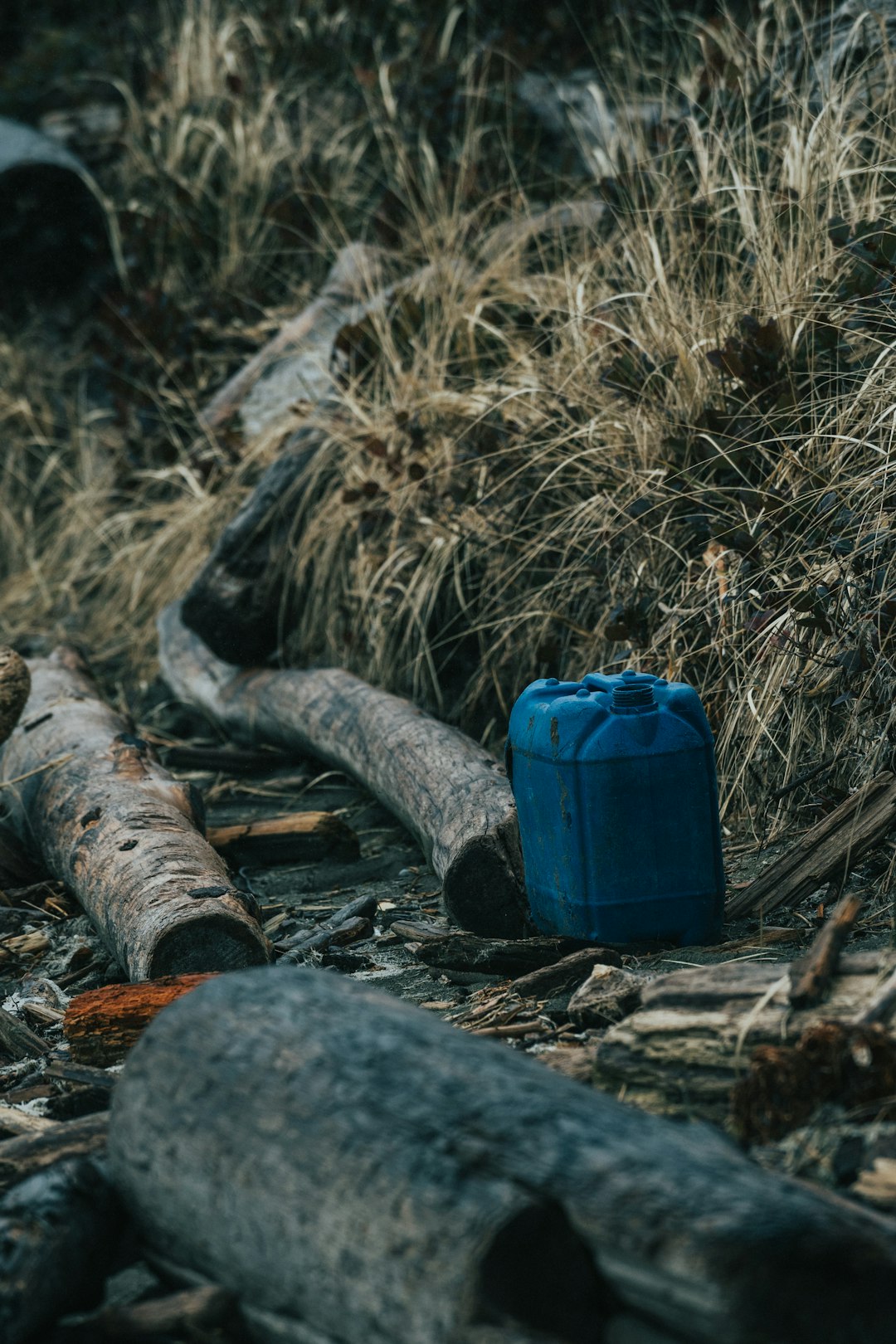
Choosing the right container is crucial. You need something durable and reliable. Consider using plastic bottles or stainless-steel canteens. Plastic is lightweight and less likely to break, making it ideal for quick escapes. Stainless steel, on the other hand, offers durability and can be used to boil water if necessary.
Another option is collapsible water bags. They save space and are easy to carry. However, ensure they are food-grade to avoid contamination. Lastly, think about water purification tablets; these can be lifesavers when you're unsure about the water's safety.
Storage Guidelines
Storing water isn’t just about the container; it’s also about the location. Keep it in a cool, dark place to prevent bacterial growth. If you’ve ever left a bottle out in the sun, you know it can taste off. Avoid that by storing it properly.
Regularly check your water supply. Replace it every six months to ensure freshness. You wouldn’t want to rely on stale water during an emergency. Also, label your containers with the date of storage to keep track easily.
Consider accessibility. If you’ve ever tried finding something in a cluttered backpack, you know how frustrating it can be. Ensure your water is easy to reach in your kit. During emergencies, every second counts.
How prepared are you for unexpected emergencies? Taking these steps to store water can make all the difference. Are you ready to put them into action?
Alternative Water Sources
Having water in your survival kit is crucial, but what happens if you run out? That's where alternative water sources come into play. It's not just about packing a bottle; it's about knowing where to find water when you need it most. You might think it’s a daunting task, but with the right knowledge, you can turn nature into your ally. Ever wondered how a simple rain shower can save your day or how a stream can become your lifeline? Let's dive into the practical ways to harness these resources.
Natural Water Sources
Imagine hiking through a forest and stumbling upon a clear stream. It’s like finding a hidden treasure. Streams, rivers, and lakes can be lifesavers when you're out in the wild. However, it's vital to remember that not all natural water sources are safe to drink. You need to purify the water to protect yourself from harmful bacteria. With a portable water filter or purification tablets, you can transform these sources into a safe option.
Think of your surroundings as a map of potential water supplies. Knowing how to identify these sources is key. Look for animal tracks or lush vegetation, which often indicate nearby water. These signs can guide you when you're in unfamiliar terrain.
Rainwater Collection
Rainwater is a gift from the skies, and collecting it can be surprisingly simple. If you've ever been caught in a rainstorm without an umbrella, you know how quickly water can accumulate. Use this natural phenomenon to your advantage by collecting rainwater in containers or tarps. It's a straightforward method that requires little more than a bucket or plastic sheet.
Have you ever tried using a tarp to collect rain? It's a technique that can be a lifesaver. Secure the tarp at an angle, allowing water to run into a container. This method is particularly useful during unexpected showers. It's a practical skill that can turn a rainy day into a resourceful one.
Consider this: what if every storm could be an opportunity rather than an obstacle? Preparing for rainwater collection isn't just smart; it's essential for survival. Even in dry seasons, you can maximize brief showers by being ready to capture every drop.
Calculating Water Needs
Water is crucial for survival, making it essential in any survival kit. It hydrates, helps in digestion, and supports body functions. Calculating water needs ensures you're prepared for emergencies.
When you're preparing a survival kit, water is undeniably crucial. But how much should you really pack? Calculating water needs isn't just a matter of guessing; it requires careful consideration of various factors. Without a precise understanding, you could either run short or carry unnecessary weight. This section will help you figure out the right amount of water to keep you hydrated and safe.
Daily Requirements
The baseline for water needs is typically around 2 liters per day per person. This amount covers basic bodily functions and ensures you stay hydrated. However, this is a general guideline and can vary depending on your environment. If you're in a hot climate, you may need more. Your body loses more water through sweat, increasing your daily requirements. In colder settings, you might need slightly less, but don't underestimate your hydration needs. Have you ever noticed how your thirst increases during a summer hike? It's a stark reminder that daily requirements can fluctuate. Always keep an eye on your surroundings and adjust your water intake accordingly.
Considerations For Activity Level
Your activity level plays a significant role in determining water needs. If you're exerting yourself, like hiking or building a shelter, your body demands more hydration. Physical activities accelerate water loss through perspiration. Think about the last time you participated in a strenuous activity. Did you feel dehydrated afterwards? This emphasizes the need to calculate water based on activity level. Moreover, stress can also affect your hydration. When you're in survival mode, adrenaline spikes, and your body may require additional water. Anticipate your activities and pack extra water to accommodate this. Have you ever wondered why athletes carry large bottles during training? It’s because they understand how activity influences hydration needs. You should apply the same logic to your survival kit. In essence, calculating water needs is about understanding your environment and activity levels. It's not just about carrying water; it's about carrying the right amount. Consider your daily requirements and activity level carefully to ensure your survival kit is truly effective.
Innovations In Water Storage
When you think about survival kits, water storage might not be the first thing that comes to mind. However, innovations in water storage have made it easier and more practical to carry water wherever you go. Imagine you're on a hiking trip, miles away from civilization, and your water supply runs low. This is where smart water storage solutions come into play, ensuring you stay hydrated without the bulk of traditional water bottles. These advancements are not just about convenience—they can be lifesaving.
Compact Solutions
Have you ever tried fitting a bulky water bottle into your already packed survival kit? It’s a challenge! Compact solutions, like collapsible water bottles, are changing the game. These bottles can be squished down when empty, saving space in your backpack. They are lightweight, easy to carry, and perfect for any adventure. You’ll appreciate the extra room for other essentials without sacrificing your water needs. The next time you pack, consider these space-saving marvels.
Water Packs
Water packs are another brilliant innovation in water storage. Imagine having a lightweight backpack that doubles as a water carrier. These packs allow you to carry large amounts of water comfortably on your back. You can sip water through a tube without stopping your hike. This hands-free hydration keeps you moving and focused on the adventure. Next time you plan an outdoor trip, a water pack can be your best friend, ensuring you stay refreshed and energized.
As you rethink your survival kit, consider these innovative water storage solutions. How can they transform your outdoor experiences? By investing in compact solutions and water packs, you can tackle any adventure with confidence, knowing you have the hydration you need.
Frequently Asked Questions
Why Is Water Crucial In A Survival Kit?
Water is essential for hydration, preventing dehydration. It supports bodily functions, aiding digestion and circulation. In emergencies, clean water is vital for health. Having water in your survival kit ensures safety and sustenance, allowing you to stay hydrated and maintain critical body functions until help arrives.
How Much Water Should A Survival Kit Have?
A survival kit should contain at least one gallon of water per person per day. This amount covers drinking, cooking, and hygiene needs. If possible, store more to ensure safety during extended emergencies. Adequate water supply is critical for maintaining health and supporting essential daily activities.
Can Water Purification Tablets Replace Bottled Water?
Yes, water purification tablets can make unsafe water drinkable. They kill harmful bacteria, viruses, and parasites. However, bottled water is convenient and reliable. It's best to have both options in your survival kit. Purification tablets are useful in situations where clean water sources are limited or unavailable.
What Are The Signs Of Dehydration In Emergencies?
Dehydration symptoms include dizziness, headache, dry mouth, and fatigue. Severe dehydration can lead to confusion and rapid heartbeat. In emergencies, these signs can worsen quickly without access to water. Recognizing these symptoms early is crucial for survival, emphasizing the need for sufficient water in your survival kit.
Conclusion
Water is essential in any survival kit. It supports life. Our bodies need it to function. Hydration keeps us alert and energetic. In emergencies, water becomes crucial. Clean water prevents illness. Dehydration can quickly become dangerous. That's why having it in your kit is vital.
It’s peace of mind. Being prepared means being safe. Water should always be a priority. Whether camping or facing natural disasters, it's a must-have. Don’t overlook its importance. Make sure your survival kit has enough. Stay safe, stay hydrated. Always keep water within reach.
Your life may depend on it.