Imagine finding yourself in a situation where the unexpected happens. Whether it's a natural disaster, a sudden emergency, or simply being stranded during an adventure, having a survival kit can make all the difference.
You might think, "Is a survival kit really necessary? " The answer is a resounding yes. Preparing a survival kit is like giving yourself a safety net when the ground beneath you feels shaky. You don't want to leave things to chance when you can equip yourself with essentials that can save your life.
As you read further, you'll discover how easy it is to assemble a survival kit that suits your needs. By the end of this article, you'll not only know what to pack but also feel confident that you're prepared for whatever comes your way. Keep reading to ensure you're ready for anything life throws at you.
Choosing The Right Container
Choosing the right container for your survival kit is crucial. It protects your gear and ensures easy access in emergencies. A sturdy container can make a difference between safety and chaos. Let's explore key features to look for when selecting a container.
Size Matters
Pick a container that fits your essentials. Too small, and you leave vital items behind. Too large, and it becomes cumbersome. Ensure it accommodates the basics like food, water, and first aid supplies.
Durability Is Key
Opt for materials that withstand harsh conditions. Plastic or metal containers offer durability. They resist damage and protect contents from elements. A strong container keeps your supplies safe.
Waterproof Options
Waterproof containers guard against moisture and rain. This feature is essential for electronics and sensitive items. Keeping your gear dry ensures functionality when you need it most.
Portability Enhances Usability
Consider containers with handles or straps. Portability allows easy transport during evacuations. A lightweight design prevents strain and ensures comfort.
Organizational Features
Look for containers with compartments and pockets. These features help organize your supplies. Easy access to items saves time in high-pressure situations.
Lockability For Security
Secure containers with locks prevent unauthorized access. This feature is especially important in shared living spaces. Protecting your kit ensures it's ready when disaster strikes.
Water And Purification
Water is essential for survival, and having a reliable source in your survival kit can be a lifesaver. It's not just about storing water; it's about ensuring it's clean and safe to drink. Imagine finding yourself in a situation where fresh water is scarce—what would you do? Knowing how to store and purify water can make a world of difference. Let's dive into some practical ways to ensure you always have access to drinkable water.
Water Storage Solutions
When considering water storage, think about portability and space. You want something easy to carry but also holds enough water to sustain you. Water bottles made of stainless steel or BPA-free plastic are great options. They're durable and safe.
Consider collapsible water containers. They’re lightweight and can be tucked away when not in use. These containers can hold a significant amount of water, ideal for emergencies when larger quantities are needed.
If you have the space, large water jugs can store more water, ensuring you have enough for drinking, cooking, and cleaning. Just remember to store them in a cool, dark place to maintain freshness.
Purification Methods
Purification is crucial, especially if you're sourcing water from questionable places. Water filters are a must-have. They come in various sizes, from small straw filters that fit into a backpack to larger pump filters for group use.
Another handy tool is purification tablets. They're small, light, and can easily purify a liter of water within 30 minutes. These tablets are a great backup when other methods aren't available.
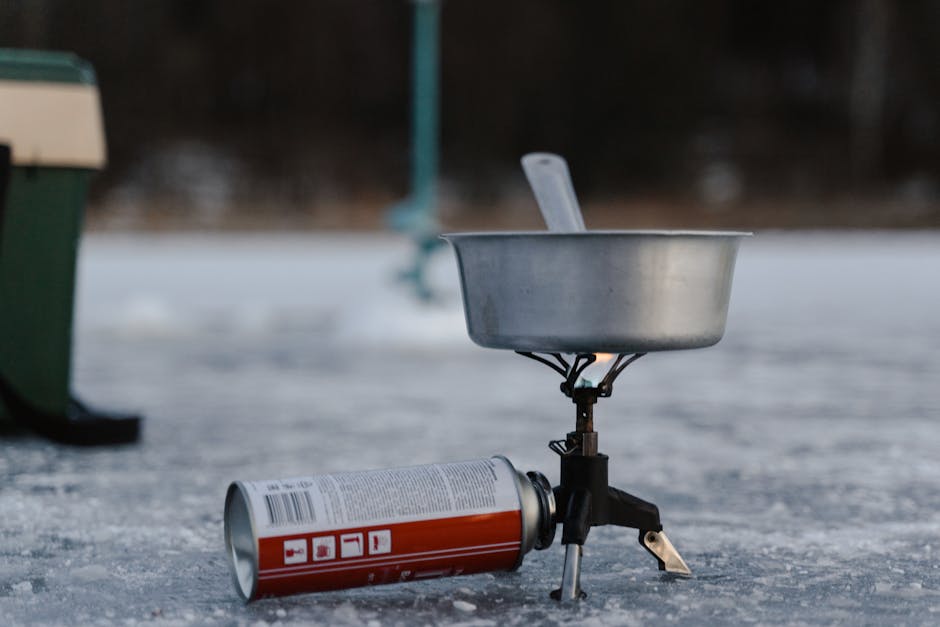
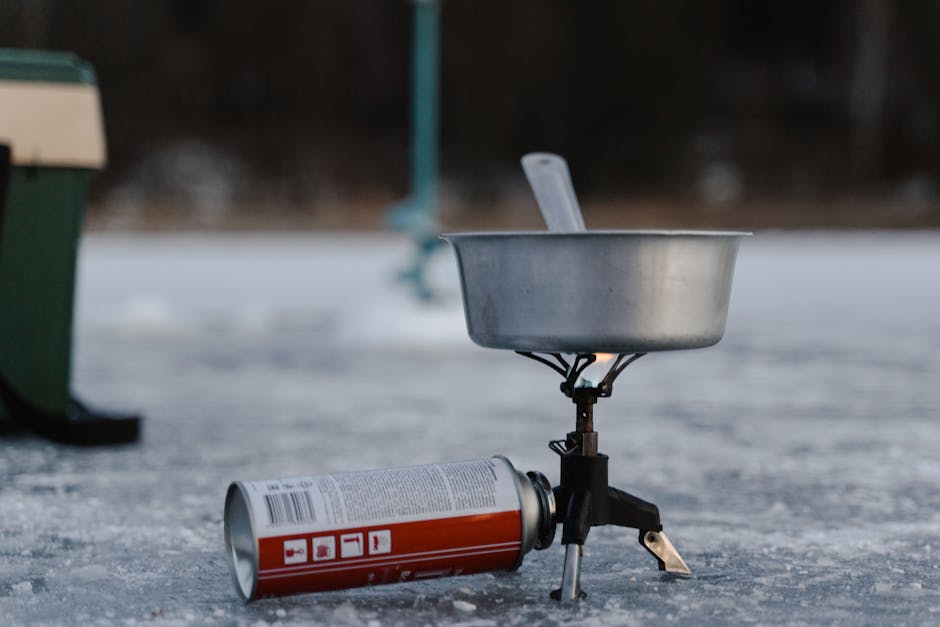
Boiling water is also effective. If you have a way to make fire, bring water to a rolling boil for at least one minute. It's simple yet effective, ensuring most pathogens are eliminated.
Think about your surroundings. Is there a water source nearby? Knowing purification methods means you can adapt to various situations. What would you choose if you had to rely on natural water sources?
Choosing the right water storage and purification methods can be a lifesaver in dire situations. What steps will you take to ensure your survival kit is ready? Ensuring clean water is accessible can be the difference between just surviving and thriving.
Food Supplies
Creating a survival kit is essential for unexpected situations. Food supplies are a crucial component. They provide the energy needed to stay strong. Choosing the right food can make a difference. Focus on items that last long and meet your energy needs.
Non-perishable Items
Non-perishable foods last a long time without spoiling. Canned goods are a great choice. They come in various options like beans, fruits, and meats. Dried foods like pasta and rice are also ideal. They store well and are easy to cook. Pack some granola bars and nuts. They are nutritious and require no preparation.
Caloric Needs Assessment
Understand your body's energy needs. Calculate calories based on daily activities. Choose foods that provide enough energy. High-calorie foods are essential for survival. Peanut butter and trail mix are excellent options. They are rich in calories and nutrients. Keep track of portions to maintain energy levels. Balance is key to sustaining health.
First Aid Essentials
Every survival kit needs essential first aid items. These items can save lives in emergencies. They help treat injuries and prevent infections. A well-prepared kit ensures you can handle minor medical issues. This section highlights important first aid essentials.
Basic Medical Supplies
Basic medical supplies form the core of your first aid kit. Include bandages of various sizes. Add adhesive tape for securing dressings. Sterile gauze pads are useful for larger wounds. Include antiseptic wipes to clean injuries. Tweezers help remove splinters or debris. Scissors are handy for cutting bandages. Disposable gloves protect against infections. Add a CPR face shield for resuscitation safety. These items prepare you for common injuries.
Emergency Medications
Emergency medications are vital in a survival kit. Include pain relievers like ibuprofen or aspirin. They help manage pain and reduce fever. Antihistamines treat allergic reactions. Include a few doses of any personal prescriptions. Over-the-counter antacids relieve stomach issues. Anti-diarrheal tablets prevent dehydration. Add hydrocortisone cream for skin irritations. These medications ensure you're ready for health issues.
Tools And Equipment
Gather essential tools and equipment for a reliable survival kit. Include a flashlight, first aid supplies, and a multi-tool. Ensure water purification tablets and non-perishable food are in place. Add a whistle and matches for emergencies. Keep everything in a waterproof bag for safety.
Preparing a survival kit is essential for ensuring your safety in unexpected situations. Tools and equipment are the backbone of any effective survival kit. They can make the difference between enduring and thriving in emergencies. Selecting the right tools involves understanding your specific needs, the environment you'll face, and the various scenarios you might encounter.
Multi-tools And Knives
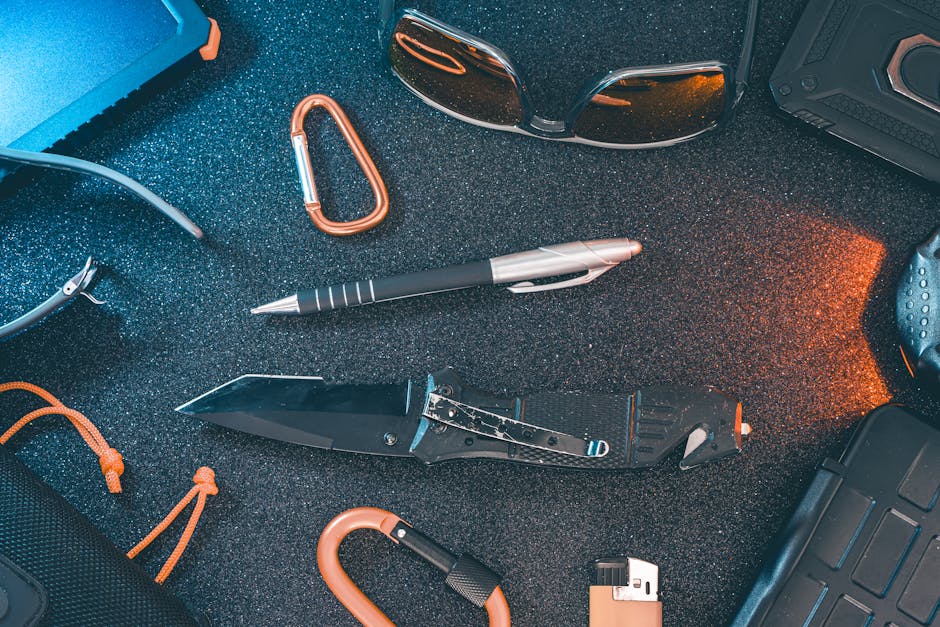
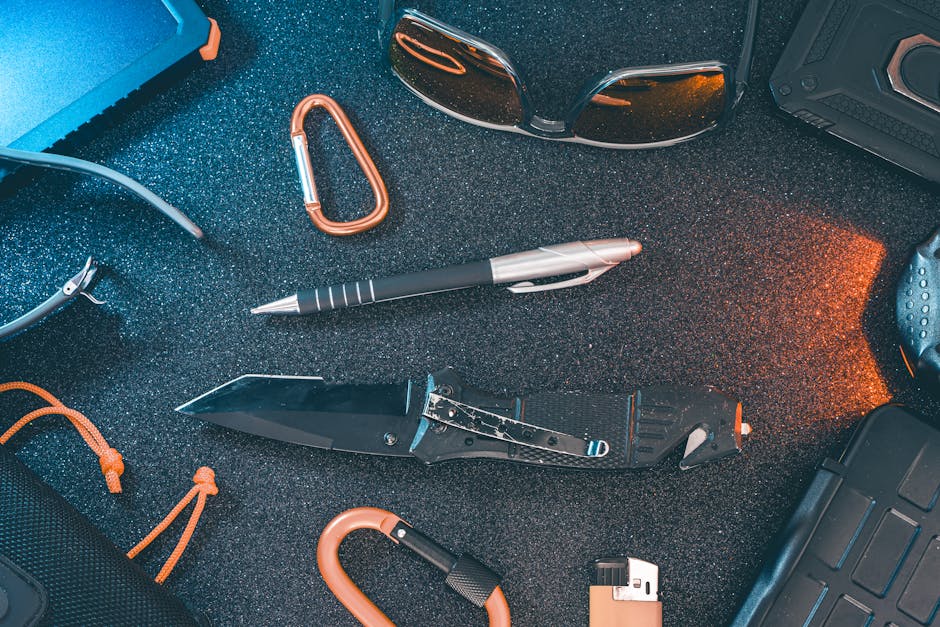
A multi-tool can be your best friend in a survival situation. It combines several functions into one compact package, saving you space and weight. Imagine needing to cut a rope, open a can, and tighten a screw. A quality multi-tool can handle all that and more. When choosing a knife, think about its durability and versatility. A fixed-blade knife often offers more strength, whereas a folding knife is more portable. Consider what you'll need it for, like preparing food, building shelter, or defending yourself. Invest in a knife with a sturdy handle and a sharp blade. You might be surprised how often you'll reach for it.
Fire Starters And Lighting
Lighting a fire is critical for warmth, cooking, and signaling for help. Matches might fail, so pack a few different fire-starting tools. A magnesium fire starter is reliable even when wet. Carrying a lighter is smart, but always back it up with waterproof matches. I remember a camping trip when a sudden rainstorm drenched my gear. My lighter failed, but my waterproof matches saved the day. Don’t forget about lighting. A small LED flashlight or headlamp can illuminate your path in the dark. Rechargeable options are eco-friendly, but pack extra batteries just in case. Reflect on this: What would you do if your usual methods of making fire and light were unavailable? Having multiple options means you'll always be prepared.
By equipping your survival kit with the right tools and equipment, you enhance your ability to respond effectively to whatever comes your way. Prioritize quality and versatility, and remember that every item you choose plays a vital role in your safety and well-being.
Clothing And Shelter
Preparing a survival kit involves thoughtful planning. Clothing and shelter are key aspects. These elements ensure safety and comfort in emergencies. Choosing the right clothing and shelter can make a difference in survival situations.
Weather-appropriate Clothing
Choose clothing based on the climate. Layered outfits work well in cold weather. They trap heat and provide insulation. In warm climates, opt for breathable fabrics. Avoid heavy materials that retain heat. Waterproof clothing is essential in rainy conditions. It keeps you dry and prevents hypothermia.
Footwear is crucial too. Select sturdy boots for rough terrain. They protect feet and offer support. Socks should be moisture-wicking. This prevents blisters and keeps feet dry.
Portable Shelter Options
Portable shelters offer quick protection. Tents are popular for their ease of use. Choose lightweight models for easy transport. Look for tents with good ventilation. This ensures comfort in varying conditions. Tarps are versatile and compact. They create quick shelters and offer rain protection.
Bivy sacks are compact sleeping bags with shelter features. They are ideal for solo travelers. Consider emergency blankets for warmth. They are lightweight and easy to pack.
Portable shelters offer flexibility. They adapt to different environments. Choose options that suit your needs and conditions.
Communication Devices
In a survival situation, staying connected can mean the difference between safety and danger. Communication devices are crucial components of your survival kit, as they help you stay informed, signal for help, and connect with others. Whether you're lost in the wilderness or facing a natural disaster, reliable communication tools can be your lifeline. Let’s explore the essentials of communication devices, starting with radios and signal devices, followed by backup power sources.
Radios And Signal Devices
Radios are essential for receiving news and weather updates. A portable, battery-powered radio allows you to stay informed when other communication channels fail. Consider investing in a hand-crank or solar-powered radio. These are reliable even in prolonged emergencies.
Signal devices such as whistles, mirrors, and flares can help you attract attention. A whistle can be heard from a distance without exhausting your voice. Reflective signal mirrors can send a beam of light that catches the eye. Flares are visible even at night, signaling your location effectively.
Think about the places you frequent. Would a whistle or mirror be more effective in your environment? Choose devices that fit your lifestyle and the terrains you explore.
Backup Power Sources
Without power, your communication devices are useless. Backup power sources like power banks and portable solar chargers are vital. Power banks store energy, ensuring your devices stay charged when you need them most. Choose a high-capacity model to charge multiple devices.
Portable solar chargers harness the sun’s energy, perfect for extended outdoor adventures. They’re lightweight and convenient, giving you peace of mind when you’re off the grid. Consider the weather conditions in your area. Is solar power a feasible option for you?
Have you ever faced a blackout with no way to charge your phone? That helpless feeling is a reminder of why backup power is essential. Keep your devices powered and your lines of communication open.
As you prepare your survival kit, prioritize communication devices. They keep you connected, informed, and prepared for whatever comes your way. What tools will you choose to enhance your preparedness?
Navigation Aids
Preparing a survival kit includes navigation aids like maps and compasses. These tools help you find your way in emergencies. Keep them in waterproof bags to protect from damage.
When you're venturing into the wild, staying on the right path is crucial. Navigation aids are your best friends in ensuring you don't get lost. These tools not only guide you back to safety but also help you explore with confidence. Let's dive into some essential navigation aids that should be in your survival kit.
Maps And Compasses
Maps and compasses are the timeless duo of navigation. A paper map is invaluable when technology fails. It's lightweight, doesn't rely on batteries, and offers a broad perspective of the terrain. Always keep a waterproof map of the area you'll be exploring. Compasses are the perfect partners to maps. They help you determine direction when landmarks are scarce. Learning to use a compass effectively is a skill every adventurer should master. Picture this: you're deep in the woods, your phone's dead, but your trusty map and compass are guiding you back to camp. Feels reassuring, right?
Gps Devices
GPS devices are modern marvels for navigation. They provide precise location data and can track your path. Many devices are rugged and designed to withstand harsh environments. When choosing a GPS device, opt for one with long battery life and detailed mapping capabilities. Despite their reliability, GPS devices can fail. Batteries die, and signals can be blocked by dense forests or deep canyons. Always carry extra batteries and know your device well. Have you ever relied solely on a GPS, only to find yourself in a dead zone? It's a stark reminder of why a backup plan is essential. Navigation aids are not just about reaching your destination. They’re about the journey, the exploration, and the peace of mind knowing you're equipped to find your way. Which navigation aid do you trust most on your adventures?
Personal Safety Items
Personal safety should always be a priority in any survival situation. Having the right items can protect you from harm. These tools help ensure your well-being in emergencies. This section will guide you on essential personal safety items for your survival kit.
Self-defense Tools
Self-defense tools are crucial for protection against threats. A compact pepper spray can deter attackers. It's easy to carry and effective in emergencies. A personal alarm can alert others when you need help. Its loud sound can scare away potential threats. Consider a tactical pen. It serves as both a writing tool and a defense weapon. Lightweight and discreet, it can be invaluable.
Protective Gear
Protective gear is essential for safeguarding against physical harm. A sturdy pair of gloves can protect your hands from cuts. They are useful for handling rough materials. A durable face mask can shield you from dust and debris. It ensures you breathe clean air in challenging conditions. Safety goggles are vital to protect your eyes. They prevent injuries from flying particles or chemicals. Consider including a small first-aid kit. It helps treat minor injuries quickly. Band-aids, antiseptic wipes, and pain relievers should be included.
Maintaining And Rotating Supplies
Maintaining and rotating supplies in your survival kit is essential. Supplies can expire or lose effectiveness over time. Regular checks ensure everything remains in good condition. This routine helps you stay prepared for emergencies.
How Often To Check Your Survival Kit
Inspect your survival kit every six months. Check for expired food and damaged items. Examine batteries for leakage or corrosion. Replace anything that seems compromised. Keeping a calendar reminder is helpful.
Signs Your Supplies Need Replacing
Look for changes in packaging. Swollen cans may signal spoilage. Faded labels could mean reduced effectiveness. Listen for rattling in sealed containers. It might indicate contents are damaged.
Organizing Supplies For Easy Access
Store items by category. Keep food, water, and tools separate. Label each section clearly. Use transparent containers for visibility. This arrangement speeds up finding what you need during emergencies.
Proper Storage Conditions
Choose a cool, dry place for your kit. Avoid direct sunlight. Extreme temperatures can spoil items. Keep it away from pests or chemicals. Proper storage extends the lifespan of supplies.
Budget-friendly Replacement Tips
Buy in bulk to save money. Look for sales on essential items. Swap out expensive brands for generic ones. Consider homemade solutions for some supplies. Budgeting ensures you can replace supplies regularly.
Frequently Asked Questions
What Items Are Essential In A Survival Kit?
A survival kit should include water, non-perishable food, a first aid kit, and a flashlight. Add a multi-tool, matches, a whistle, and a map. These essentials ensure you're prepared for emergencies. Customize your kit based on your specific needs and environment.
How Do I Choose A Survival Kit Bag?
Select a durable, waterproof bag with multiple compartments for organization. Opt for a size that suits your needs without being cumbersome. Ensure the bag is easy to carry. Comfort is key, so choose one with padded straps. A bright color or reflective strips enhance visibility.
How Often Should I Update My Survival Kit?
Review and update your survival kit every six months. Replace expired food and medications, and check batteries. Consider seasonal changes and adjust clothing or gear accordingly. This ensures your kit remains relevant and ready for any emergency situation you may encounter.
Can I Buy A Pre-made Survival Kit?
Yes, pre-made survival kits are available and convenient. They usually include basic necessities like food, water, and tools. However, personalize it to fit your specific needs and environment. Assess the quality of items provided and add any additional essentials you deem necessary.
Conclusion
Creating a survival kit is essential for emergencies. It keeps you prepared and safe. Gather necessary items like water, food, and first aid. Include tools like flashlights and batteries. Customize your kit for personal needs. Regularly check and update contents.
Practice using items to ensure readiness. Store it in an accessible location. Preparedness brings peace of mind. A well-stocked kit can make a difference. Stay organized and proactive. Your safety depends on your preparation. Being ready is crucial. Take action today for a safer tomorrow.