Imagine this: the ground beneath you starts to tremble, shaking your world in an instant. Would you be prepared to face such an unexpected challenge?
Earthquakes can strike without warning, leaving you with mere seconds to act. Having a well-stocked earthquake survival kit is your ticket to safety. But what should you include in it to ensure you and your loved ones are protected? You might think you know the basics, but missing even one essential item could make all the difference.
This article will guide you through everything your earthquake survival kit should contain, ensuring you’re equipped to handle the aftermath of a quake with confidence. Discover the crucial items that can transform your preparedness from good to exceptional. Are you ready to safeguard your future? Let's delve into the essentials that will keep you safe and secure.
Basics Of Earthquake Kits
Earthquakes can strike without warning, shaking the very ground beneath your feet. Being prepared is crucial, and an earthquake survival kit is your first line of defense. But what exactly should you include in your kit? Let's dive into the essentials.
Your earthquake kit should be easily accessible and portable. Think about where you spend most of your time—home, car, or office—and ensure you have a kit in each location. The goal is to be ready to move quickly when needed.
Food And Water
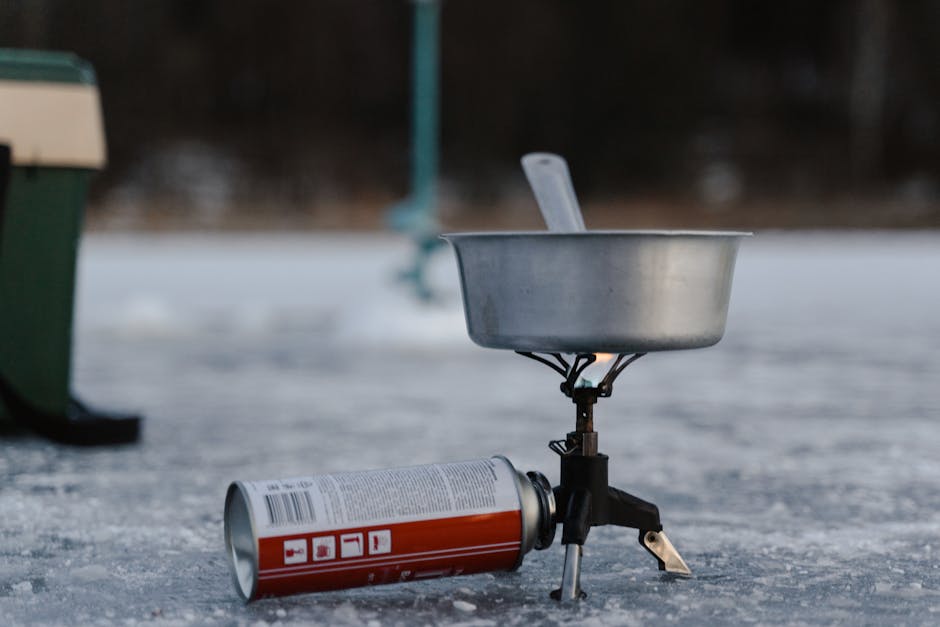
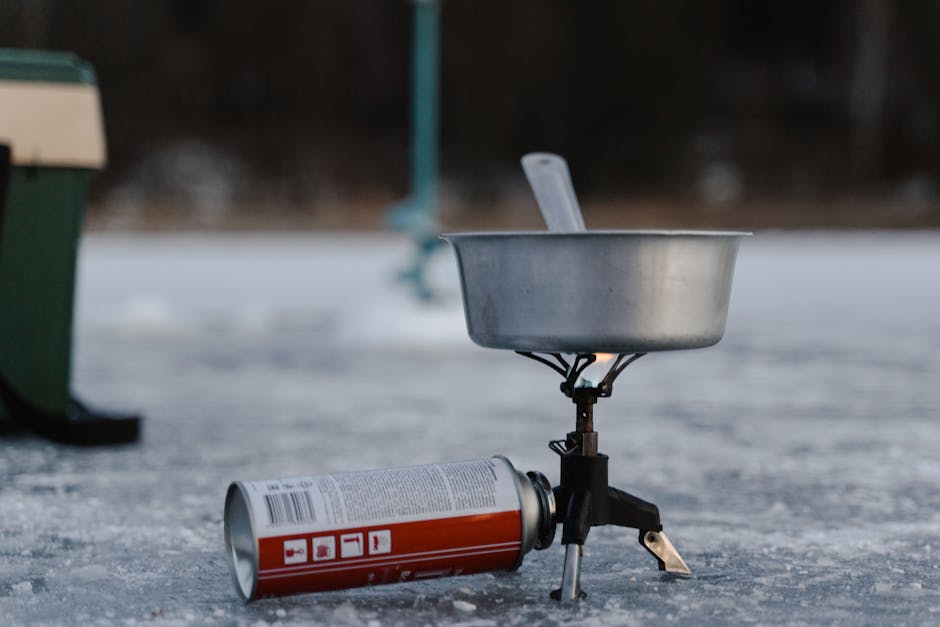
Stock your kit with non-perishable food items. Opt for canned goods, energy bars, and dried fruit. Don't forget a manual can opener. You need enough water to last at least three days. Consider adding water purification tablets as a backup. Imagine being thirsty and having nothing to drink—it's a scenario you want to avoid.
First Aid Supplies
A well-equipped first aid kit is a must. Include bandages, antiseptic wipes, and pain relievers. Add any personal medications you might need. Picture yourself needing a band-aid and not having one—it's more than an inconvenience, it's a risk to your health.
Clothing And Warmth
Include an extra set of clothes in your kit. Opt for durable and comfortable clothing suitable for various weather conditions. Throw in a blanket or sleeping bag to keep warm. Ask yourself, "Could I stay warm if the temperature dropped suddenly?"
Communication And Safety
A battery-powered or hand-crank radio is essential for staying updated. Pack a flashlight with extra batteries. Add a whistle to signal for help if needed. Imagine being in the dark without a way to call for help—it’s a situation you want to be prepared for.
Personal Documents
Keep copies of important documents like identification, insurance policies, and medical records. Place them in a waterproof container. Consider how critical these papers are in the aftermath of an earthquake, when every second counts.
Preparing an earthquake kit isn't just about gathering supplies. It's about peace of mind. By taking action now, you ensure that you and your loved ones are ready for whatever comes your way. How prepared are you today?
Water Supply Essentials
During an earthquake, access to clean water can become challenging. Water is crucial for survival and maintaining health. It's vital to prepare a reliable water supply in your earthquake kit. This ensures you and your loved ones stay hydrated and healthy.
Water Storage Options
Consider different ways to store water safely. Use sturdy containers like plastic or stainless steel bottles. These materials prevent leaks and contamination. You can also store water in large jugs or barrels. Ensure they are food-grade and BPA-free. Keep them in a cool, dark place to maintain freshness. Prepare at least one gallon per person per day for a minimum of three days. This covers drinking and basic sanitation needs.
Purification Methods
Purifying water is essential if the supply becomes contaminated. Boiling water is the most effective method. Bring water to a rolling boil for one minute to kill pathogens. Use water purification tablets as an alternative. Follow the instructions carefully for best results. Consider a portable water filter for emergencies. These filters remove bacteria and improve taste. Always have multiple purification options in your kit.
Food And Nutrition
An earthquake survival kit should include non-perishable food and water for at least three days. Essential items like a manual can opener and utensils are crucial. Stock energy bars, canned goods, and dried fruits to ensure proper nutrition.
When preparing for an earthquake, food and nutrition are crucial components of your survival kit. You might think of grabbing a few canned goods, but it's important to plan beyond that. Your choices will impact not only your energy levels but also your mental resilience during a crisis. Let's break down the essentials you need to consider.
Non-perishable Food Items
Non-perishable foods are your best friend in an emergency. They have a long shelf life and don't require refrigeration. Think canned beans, dried fruits, and energy bars. Consider the ease of preparation as well. Foods like instant oatmeal or canned soups can be lifesavers, requiring minimal water or heating. Don’t forget to check expiration dates every six months. You wouldn’t want to discover spoiled food when you need it the most. Also, include a manual can opener. It's a small item but crucial if electricity is out and you're relying on canned goods.
Caloric Needs And Energy
During an emergency, your body burns more calories due to stress and physical exertion. It's not just about eating; it's about eating right. You need to focus on high-energy foods that can sustain you through these challenging times. A good rule of thumb is to aim for 2,000 to 2,500 calories per day for adults. This can vary based on your activity level, so consider your personal needs. Protein-rich foods like canned tuna or peanut butter provide sustained energy. Carbohydrates from granola or dried fruits give you quick energy boosts. Think about what keeps you energized in your daily life, and try to include similar items in your kit. Imagine finding yourself in a situation where you need to comfort a child or elderly family member. Having familiar snacks can help ease the stress. It's not just about survival; it's about maintaining a sense of normalcy. Are there specific foods that comfort you during stressful times? Consider adding them to your kit. Personal touches can make all the difference when you're facing uncertainty.
First Aid And Medical Supplies
In an earthquake, injuries are often inevitable. A well-stocked earthquake survival kit should include essential first aid and medical supplies. These items can address minor injuries and stabilize serious ones. Quick access to these supplies can make a significant difference.
They provide immediate care until professional help arrives. Let's explore the key components necessary for a comprehensive first aid kit.
Basic First Aid Kit Components
A basic first aid kit is a must-have. It should contain adhesive bandages of various sizes. Include sterile gauze pads and adhesive tape. Antiseptic wipes are vital for cleaning wounds. Don't forget scissors and tweezers. They help in cutting tape and removing debris. Include a digital thermometer to check for fevers. Disposable gloves are necessary for hygiene. Safety pins are useful for securing bandages. A first aid manual can offer guidance.
Medications And Prescriptions
Medications play a crucial role during emergencies. Include over-the-counter pain relievers like ibuprofen. Antihistamines can help with allergic reactions. Include antacids for stomach issues. If there are family members with prescriptions, pack a supply. Ensure you have enough for several days. Keep a list of each medication and its purpose. This can assist emergency responders.
Tools And Equipment
Earthquake preparedness is crucial for safety. Having the right tools and equipment can save lives. An earthquake survival kit should contain essential items to aid in emergencies. These tools and equipment ensure you can navigate challenging situations efficiently. They offer practicality and support during the chaos of an earthquake.
Multi-tools And Utility Knives
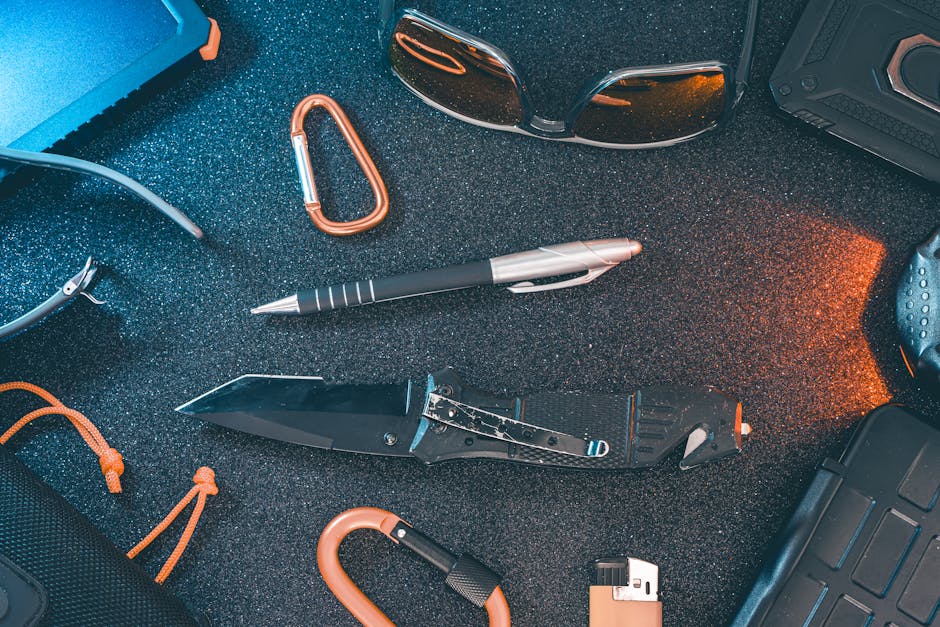
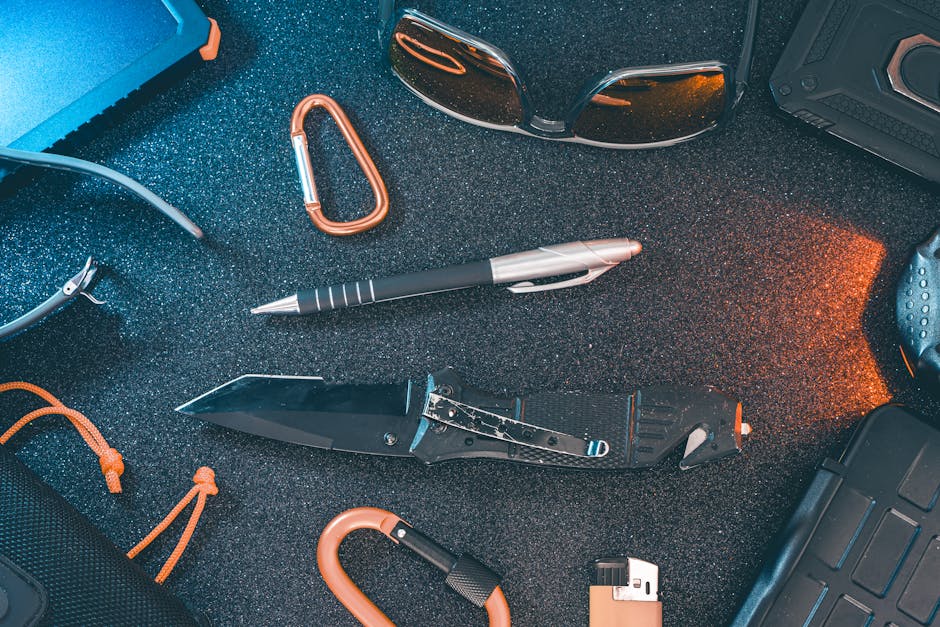
Multi-tools are versatile and compact. They provide several functions in one device. You can cut, open, and repair with ease. Utility knives are essential for cutting ropes or opening containers. Their compact size makes them easy to store. Both items are vital for handling various tasks during an emergency.
Flashlights And Batteries
Flashlights are crucial for visibility. They help you navigate in the dark. During earthquakes, power outages are common. Reliable flashlights ensure you stay safe. Carry extra batteries for extended use. This guarantees your flashlight is ready when needed. Choose durable flashlights with long battery life.
Shelter And Warmth
An earthquake survival kit should include essential items for shelter and warmth. Pack blankets, emergency sleeping bags, and a portable tent. These provide protection from cold and harsh weather, ensuring safety and comfort.
When the earth shakes beneath your feet, the need for safety becomes paramount. An earthquake survival kit should be your first line of defense, ensuring you have the essentials for shelter and warmth. Imagine finding yourself outside amidst the chaos; the chill of the night or the harsh rays of the sun can make the situation even more daunting. Being prepared with the right items can make all the difference in keeping you safe and comfortable during such an emergency.
Emergency Blankets
Emergency blankets are compact and lightweight, making them perfect for your survival kit. Their reflective material helps retain body heat, keeping you warm when temperatures drop. You might recall a camping trip where the night was unexpectedly cold—having an emergency blanket can offer similar comfort in an earthquake scenario. They can also be used as a ground cover or to signal for help due to their shiny surface.
Portable Shelters
Portable shelters, like pop-up tents or tarps, are crucial for protection against the elements. They provide a temporary home when your own might be unsafe. Picture a scenario where you need to spend the night outdoors; a portable shelter can offer the privacy and protection you need. These shelters are easy to set up and take down, ensuring you can quickly move if necessary. In considering your survival kit, ask yourself: how prepared are you to face the unexpected? Ensuring you have adequate shelter and warmth can turn a frightening situation into a manageable one. Take the time to equip your kit with these essentials, providing peace of mind in knowing you're ready for whatever nature throws your way.
Communication Devices
Earthquake survival kits should include communication devices to stay informed and connected. Radios and mobile chargers ensure you receive updates. Whistles help signal for help.
In moments of crisis, communication can be your lifeline. Imagine you're caught in an earthquake. The ground shakes violently, and chaos ensues. You're unsure about the safety of loved ones or the extent of damage around you. This is when communication devices become indispensable. They are not just tools; they are your direct link to the outside world. Let's explore how these devices can help you stay informed and connected when you need it most.
Battery-powered Radios
Battery-powered radios are crucial in your earthquake survival kit. They provide vital updates on emergency broadcasts, weather conditions, and instructions from authorities. Unlike smartphones, radios don't rely on cell towers, which might be damaged during an earthquake. Choose a radio with multiple power options—battery, hand-crank, or solar. This ensures you have access to news even if batteries run out. A small, portable radio won't take up much space in your kit but will offer peace of mind when you're anxious to know what's happening around you.
Mobile Phone Chargers
Keeping your mobile phone charged is essential. It's your communication hub and offers access to social media, emergency apps, and maps. But in an earthquake, electricity might be down for days. So, how do you ensure your phone stays powered? Include a portable power bank in your kit. Choose one with a high capacity to charge your phone multiple times. Solar chargers can be a backup option if power banks deplete. When I once faced a power outage, my solar charger was a lifesaver, keeping me connected when I felt isolated. Now, think about this: how prepared are you for an emergency if your communication devices fail? What steps can you take today to ensure you're ready for the unexpected? By equipping yourself with reliable communication tools, you're not just preparing for disaster; you're actively safeguarding your ability to connect, inform, and reassure during crucial moments.
Personal Hygiene Items
Earthquake survival kits should include personal hygiene items like toothbrushes, soap, and wet wipes. These essentials help maintain cleanliness in emergencies. Staying clean can prevent illness and boost morale during tough times.
In the chaos following an earthquake, maintaining personal hygiene can be both comforting and crucial for health. A well-prepared earthquake survival kit should contain essential personal hygiene items. These items help you stay clean and prevent the spread of disease. Have you ever considered what you would need to keep clean and comfortable if you couldn't access your regular amenities? Packing the right supplies can make a world of difference. Let’s look at what hygiene essentials your kit should include.
Sanitation Supplies
Sanitation supplies are vital in an earthquake survival kit. Without proper sanitation, you risk infections and illnesses. Stock up on items like hand sanitizers, wet wipes, and toilet paper. These supplies are easy to pack and can be lifesavers when water is scarce. Consider including plastic bags for waste disposal. They help keep your living area clean and reduce the spread of germs. A small bottle of multi-purpose cleaner can also be useful for disinfecting surfaces or tools. Remember the last time you found yourself without a public restroom? Multiply that by days, and you’ll see why these items are crucial.
Personal Care Products
Personal care products might seem like a luxury during a crisis, but they can significantly boost your morale. Pack toothpaste, toothbrushes, and deodorant. These items help you maintain a sense of normalcy and personal dignity. Include a bar of soap or a small bottle of liquid soap. They’re essential for washing hands, face, and even clothes if necessary. Don't forget feminine hygiene products. If you or someone with you needs them, they are absolutely essential. Keeping a few razors and combs handy can also help you feel more like yourself. Have you ever gone camping and realized how refreshing a simple wash can be? Apply that experience to a survival scenario, and you'll understand the importance of these products. Incorporating these items into your earthquake survival kit isn’t just about hygiene—it’s about preserving your comfort and dignity during challenging times. Have you packed your kit yet? If not, it's time to start.
Clothing And Footwear
Ensuring the right clothing and footwear in an earthquake survival kit is crucial. Proper attire keeps you safe and comfortable during emergencies. Your kit should contain items fit for various conditions.
Weather-appropriate Attire
Choose clothing that suits different weather conditions. Layers are ideal for adjusting to temperature changes. Include thermal wear for cold climates. Lightweight fabrics are good for warmer areas. Ensure clothes are easy to move in. Avoid tight or restrictive garments. Waterproof jackets are a must. Rain can make things challenging.
Sturdy Footwear
Good footwear is essential for protection. Strong shoes guard against debris and rough terrain. Choose boots with solid soles and ankle support. They provide stability and reduce injury risk. Avoid flimsy shoes or sandals. These offer little protection during a crisis. Ensure footwear is comfortable for long wear. Blisters and discomfort can slow you down.
Important Documents And Cash
Store important documents like identification and medical records in waterproof bags. Keep cash in small denominations for emergencies.
When disaster strikes, having an earthquake survival kit can make all the difference. One crucial component often overlooked is the inclusion of important documents and cash. These items ensure you have access to essentials and can communicate with authorities or access funds during a crisis.
Identification Copies
In an emergency, your primary identification documents might not be easily accessible. Make sure to include photocopies of essential IDs like your passport, driver's license, and social security card in your kit. Having these copies can speed up processes with authorities and aid workers. Keep these documents in a waterproof bag to prevent damage. Consider how you would feel if you couldn't prove your identity when needed. It could be the difference between getting help quickly or facing delays.
Emergency Cash Fund
In a world where digital transactions are the norm, cash is still king during emergencies. ATMs and card readers might not work in a disaster-stricken area. Set aside a small stash of cash in various denominations. This will be invaluable for purchasing necessities or transportation. Think about a time when you needed cash and couldn't find an ATM. Now imagine that during an earthquake—it’s a scenario best avoided.
Having a well-prepared earthquake survival kit with important documents and cash is a small but significant step toward ensuring your safety and peace of mind. Are there other items in your kit that could be just as crucial?
Frequently Asked Questions
What Items Should Be In An Earthquake Kit?
An earthquake kit should include essentials like water, non-perishable food, a flashlight, batteries, and a first aid kit. It's vital to have a whistle, dust mask, and sturdy gloves. Personal hygiene items and copies of important documents are also recommended.
Ensure your kit is accessible and regularly check expiration dates.
How Often Should I Update My Survival Kit?
Update your survival kit at least twice a year. Check expiration dates on food, water, and medications. Replace expired items promptly. Ensure your kit matches seasonal needs and family changes. Regular updates ensure readiness and provide peace of mind during an emergency.
Why Is Water Essential In A Survival Kit?
Water is crucial for hydration and hygiene during emergencies. Store at least one gallon per person per day for three days. Consider purification tablets or filters for additional safety. Water is essential for cooking, cleaning, and maintaining health when access to clean water is disrupted.
Can I Include Pet Supplies In My Kit?
Yes, include pet supplies like food, water, and medications. Pack a leash, collar, and identification tags. Consider a portable carrier and comfort items. Ensure pets have their own emergency essentials, as their needs are important during an earthquake or other emergencies.
Conclusion
An earthquake survival kit is essential for safety. It prepares you for emergencies. With the right items, you can face any situation. Include water, food, and first aid supplies. Flashlights and batteries are important too. Don't forget personal items like medications.
A whistle and dust mask can be lifesavers. Keep your kit in a safe, easy-to-reach place. Regularly check and update it. This ensures everything is ready when needed. Preparing today gives peace of mind. Stay safe and ready for the unexpected.