Imagine you're out in the wilderness, far from the comfort of your home, and suddenly, things don't go as planned. It's in these moments that a basic survival kit becomes your lifeline.
But what exactly should you include in this essential kit to ensure your safety? Knowing the important parts of a survival kit could be the difference between a minor inconvenience and a serious predicament. You'll discover the crucial items you should never leave out of your survival kit.
We’ll delve into why each item is indispensable and how it can help you navigate unexpected situations. Whether you're an avid adventurer or simply preparing for emergencies, understanding what makes up a basic survival kit is vital. By the end of this read, you'll feel empowered and ready to face whatever challenges come your way. So, are you ready to equip yourself with the knowledge that could save your life? Keep reading to uncover the secrets of a perfect survival kit.
Water And Purification
Water purification tools are vital in survival kits. They ensure safe drinking water, preventing illness. Simple devices like filters or tablets can save lives by removing harmful bacteria and contaminants. Always prioritize clean water for health in emergency situations.
In any survival situation, water is your number one priority. Without it, our bodies struggle, and survival becomes a battle against time. But just having water isn’t enough. It must be clean and safe to drink. This is where water purification becomes crucial. Even the clearest stream can harbor harmful bacteria. Understanding how to purify water ensures you can drink safely, wherever you find yourself.
Portable Water Filters
Portable water filters are a lifesaver in the wild. They allow you to turn murky, questionable water into something drinkable. These compact devices are easy to carry in your backpack. Most filters use a pump mechanism or gravity to push water through a filter, removing bacteria and parasites. You get fresh water without relying on bulky equipment or electricity. When choosing one, consider the filter's lifespan and flow rate. Imagine being able to drink straight from a stream with confidence.
Water Purification Tablets
Water purification tablets are small but mighty. They are lightweight and easy to store, making them a perfect addition to any survival kit. Simply drop a tablet into a container of water and wait for it to work its magic. They often use chemicals like chlorine dioxide to kill bacteria and viruses. This method doesn’t require any physical effort like filters do. However, it’s wise to know that these tablets can leave an aftertaste. Always have a few in your kit—you never know when they might be your only option.
Emergency Water Storage
Having a way to store clean water is vital. Portable containers or collapsible water bags are excellent for this purpose. They allow you to keep a supply of purified water ready for when you need it most. It’s not just about having water now, but ensuring you have it for later. Consider a scenario where you’re stranded with limited access to streams or lakes. A reliable storage option can sustain you until help arrives. Always think about how much you can carry comfortably; too much weight can become a burden. When considering your survival kit, ask yourself: Do you have enough methods to purify water in different situations? It could mean the difference between life and death. Equip yourself with the right tools and knowledge, and you'll be prepared for any challenge that comes your way.
Food Supplies
Food supplies are crucial in any basic survival kit. They provide necessary energy and nutrients to sustain life. Non-perishable items like canned goods and dried foods are ideal, ensuring longevity and easy storage.
In any survival situation, food supplies are a crucial element of your basic kit. Imagine being stranded without access to food; your energy levels will dip, affecting your ability to think clearly and act efficiently. You need sustenance that keeps you going, even when the going gets tough. Your survival kit should be equipped with a variety of food supplies that are easy to store, prepare, and consume, ensuring you stay nourished and energized. Let's explore what you should include.
Non-perishable Foods
Non-perishable foods are a lifeline in survival scenarios. They don't spoil easily and can be stored for long periods. These foods include canned goods like beans, fruits, and vegetables. They offer essential nutrients and are simple to prepare. You might also consider adding dried foods like pasta and rice. These staples take up little space and can be cooked with minimal resources, providing you with a hearty meal.
Energy Bars And Snacks
Energy bars and snacks are your quick fuel source. They are compact, light, and packed with calories. When your body needs an immediate energy boost, reach for these handy snacks. Choose bars that are high in protein and fiber to keep you full longer. Nuts, dried fruits, and granola are other great options. They provide a mix of carbs and fats, essential for maintaining stamina.
Compact Cooking Equipment
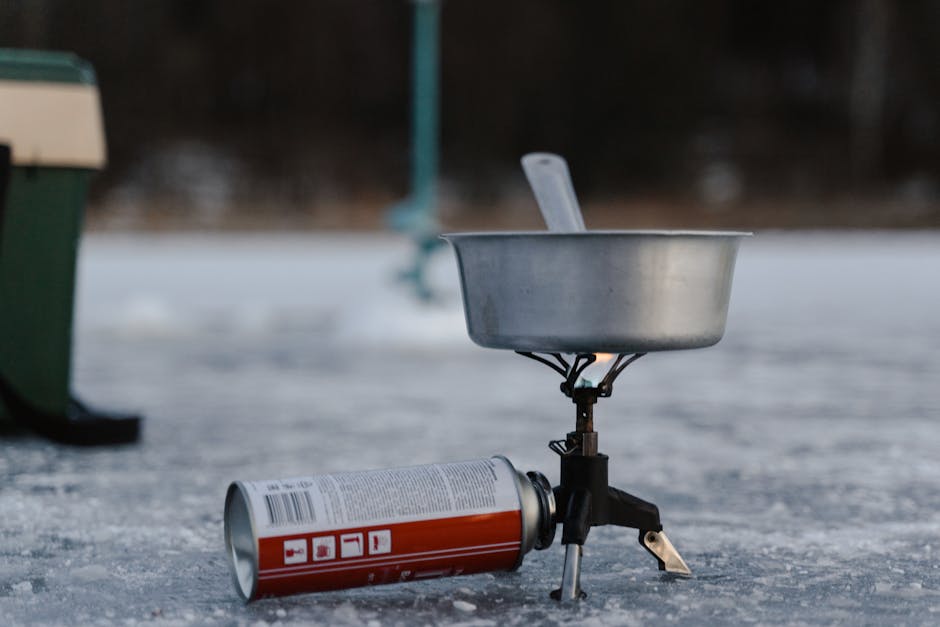
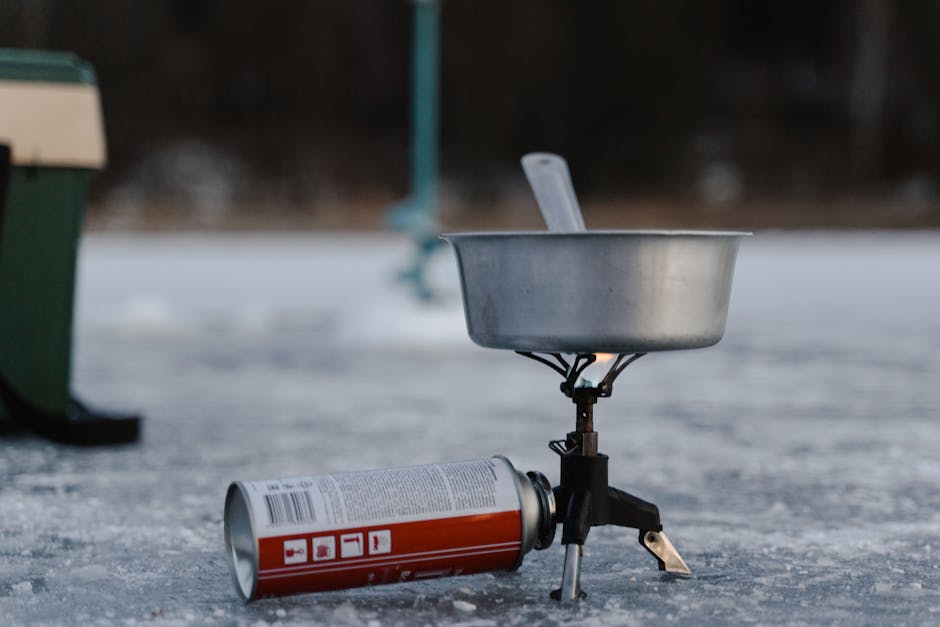
Having the ability to cook can transform your survival experience. Compact cooking equipment like portable stoves and mess kits are invaluable. They allow you to prepare warm meals, which can be a comfort in stressful situations. Look for lightweight, durable options that use minimal fuel. Have you ever tried cooking outdoors with just a mini stove? It’s surprisingly efficient and reassuring, knowing you can whip up a quick meal no matter where you are. Reflect on this: if you found yourself in a survival situation, would your food supplies keep you going? Your kit's efficiency depends on the balance and variety of foods you pack. Choose wisely and ensure you're ready for any circumstance.
Shelter And Warmth
In a survival situation, shelter and warmth are crucial. They protect you from harsh weather and keep your body temperature stable. Without proper shelter and warmth, survival becomes much harder. A well-prepared survival kit should include items that ensure you stay warm and dry.
Emergency Tents
Emergency tents provide quick protection against rain and wind. They are lightweight and easy to set up. You can find them in compact sizes, perfect for a backpack. These tents are made from durable materials, ensuring they withstand tough conditions. With an emergency tent, you have a reliable shelter anywhere.
Thermal Blankets
Thermal blankets, also known as space blankets, are essential. They reflect your body heat to keep you warm. These blankets are compact and fit in any survival kit. In cold environments, a thermal blanket can be lifesaving. They also protect against rain and snow, keeping you dry and comfortable.
Sleeping Bags
Sleeping bags offer warmth and comfort during rest. They are designed to retain heat, even in freezing temperatures. Choose sleeping bags that suit the climate of your area. Some are lightweight for easy carrying. Sleeping bags provide a cocoon of warmth, crucial for a restful sleep.
First Aid Kit
A first aid kit is crucial in a basic survival kit. It provides essential supplies for treating injuries like cuts, burns, and sprains. Having one ensures quick responses to emergencies, potentially saving lives.
In the heart of any basic survival kit lies the first aid kit, a cornerstone of preparedness. It's not just about having a few bandages and antiseptic wipes. A well-stocked first aid kit can be a lifesaver, offering immediate solutions to injuries and ailments when professional medical help is out of reach. Have you ever thought about what goes into making a first aid kit truly effective? Let's delve into the specifics, ensuring you’re equipped for any unexpected situation.
Essential Medications
Your first aid kit should contain more than just adhesive strips and gauze. Over-the-counter medications like pain relievers, antihistamines, and anti-inflammatory drugs are crucial. They can help manage pain, reduce swelling, and counter allergic reactions. Prescription medications are equally important if you or your family members have specific health conditions. Consider your daily needs—if you rely on medication, having an extra supply can be a lifesaver. Don't overlook antiseptic solutions or ointments. They are vital for cleaning wounds and preventing infections, particularly in environments where sanitation might be compromised.
Bandages And Dressings
Bandages and dressings are the unsung heroes in a first aid kit. They come in various shapes and sizes, each serving a unique purpose. Adhesive bandages are perfect for minor cuts and scrapes, while sterile gauze pads are ideal for larger wounds. Ever tried using a triangular bandage? It's versatile and can be used as a sling or to secure a splint. These are the items that can stabilize injuries until you reach professional help. Elastic bandages are essential for sprains or strains. They provide support and reduce swelling, offering you mobility and comfort during unexpected setbacks.
Tools For Minor Injuries
A first aid kit isn't complete without the right tools. Tweezers are indispensable for removing splinters or debris from wounds. High-quality tweezers can make a painful situation much more manageable. Have you ever tried cutting gauze with dull scissors? Sharp scissors are a must for cutting bandages or dressings to the right size. They ensure you can provide timely care without fumbling around. Disposable gloves protect both you and the injured person from infections. They're crucial when handling wounds, ensuring a sterile environment even in the great outdoors. Preparing a first aid kit might seem daunting, but these essentials can make a significant difference in an emergency. What items do you think are non-negotiable in your first aid kit? Your input could help others in their pursuit of safety and readiness.
Tools And Equipment
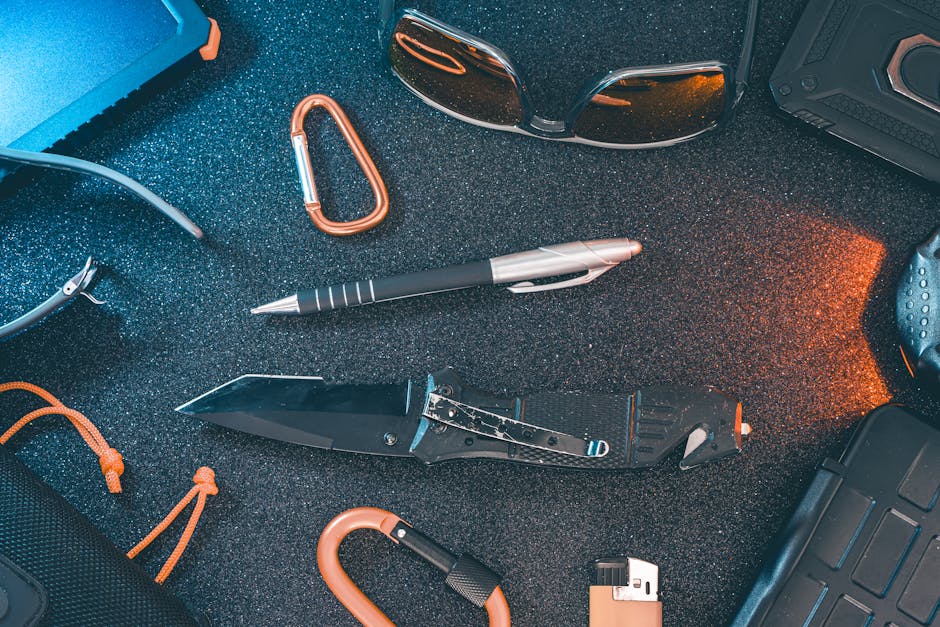
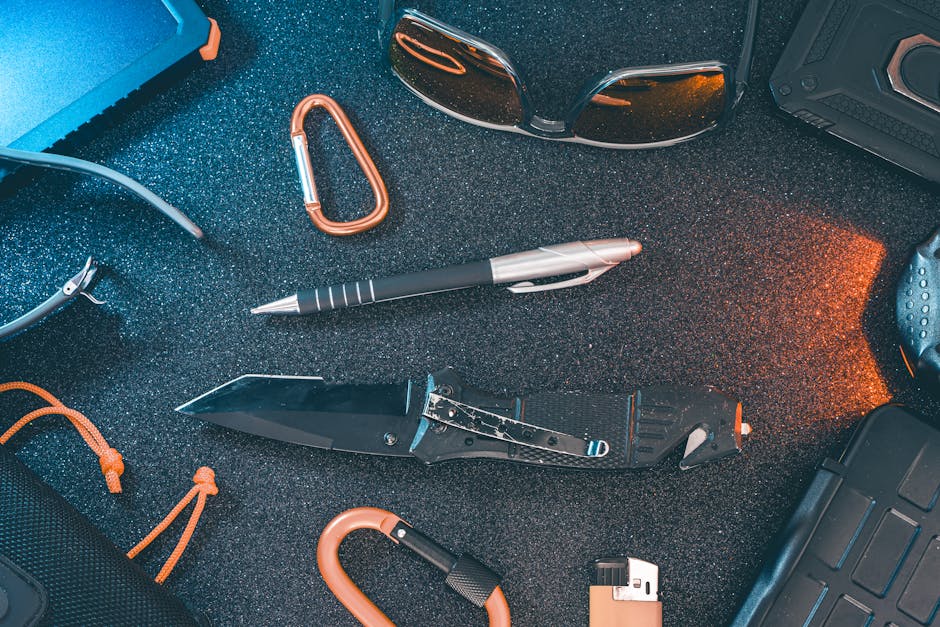
A reliable knife is crucial in a basic survival kit. Essential for cutting, slicing, and protection, it serves multiple purposes. Compact and durable, it is a versatile tool that can aid in various survival scenarios.
Survival situations demand quick thinking and the right set of tools and equipment. These items can mean the difference between safety and peril when you find yourself in the wild or facing an emergency. Having the right tools not only helps you navigate through unexpected challenges but also boosts your confidence to tackle whatever comes your way. Let's explore some essential items that should be part of your basic survival kit.
Multi-tools
A multi-tool is like having a toolbox in your pocket. It combines several functions into one compact gadget, such as pliers, scissors, screwdrivers, and knives. This versatility is invaluable when you need to fix something on the go or open a stubborn can. Imagine you're hiking and your backpack strap snaps. Having a multi-tool allows you to make a quick repair and continue your journey. Always ensure your multi-tool is high-quality and includes features relevant to your needs.
Fire Starters
Fire starters are crucial for warmth, cooking, and signaling for help. Whether it’s a simple lighter, waterproof matches, or a fire steel, having a reliable way to start a fire can save your life. Think about the last time you went camping. Remember the comfort a warm fire brought during the chilly evening? Fire starters should be easy to use and work in various weather conditions. Pack them where you can easily access them in an emergency.
Portable Chargers
In today's digital age, a portable charger is a must-have. Your phone can be your lifeline, connecting you to emergency services or navigation apps. A dead battery can leave you stranded and vulnerable. Consider the last time your phone battery died at a critical moment. It can be frustrating and even dangerous. A portable charger keeps your devices powered, ensuring you can make that vital call or check your GPS coordinates. Ensure your survival kit includes these essential tools and equipment. Have you ever had to use one of these items in a survival situation? Reflect on your experiences and consider how these tools could make a difference.
Navigation And Communication
Having a reliable navigation and communication system is crucial when you're out in the wilderness. These tools can mean the difference between finding your way back safely or getting hopelessly lost. Imagine you're hiking through dense woods, and the trail suddenly disappears. What do you rely on? This section dives into the essentials you should include in your survival kit to ensure you always know where you are and how to reach help if needed.
Compasses
A compass is a timeless tool that has guided explorers for centuries. It's simple, yet incredibly effective. Make sure you have a sturdy, reliable compass in your kit. Digital gadgets might fail, but a compass will always point north. Have you ever tried navigating without one? It’s like trying to find a needle in a haystack. Practice using your compass regularly, so you're confident in reading it when it matters most.
Maps
Maps are like your personal guidebook to the terrain. They provide a visual layout of where you are and where you need to go. Always carry a map of the area you're exploring. Laminated maps are ideal, as they resist weather elements. Have you ever used a map to find a hidden trail? The sense of discovery is thrilling. Pair your map with your compass, and you'll have a reliable navigation duo.
Emergency Radios
Communication is key in emergencies. An emergency radio keeps you connected to the outside world. Select a radio that can pick up weather alerts and SOS signals. These radios often come with crank or solar power, ensuring they work even when batteries fail. Imagine you're caught in a sudden storm; a radio can warn you of incoming weather changes. It's not just a gadget; it's your lifeline.
Reflect on the times you’ve been outdoors without these tools. Did you feel a sense of vulnerability? Equip yourself with these essentials, and you’ll have the confidence to face any challenge nature throws your way. What other tools do you think are essential in a survival kit? Share your thoughts and experiences below!
Safety And Security
Safety and security are crucial in any survival situation. A basic survival kit must address these needs effectively. Without the right tools, staying safe can be challenging. Ensuring personal security is essential. It helps you face threats with confidence.
Personal Defense Items
Personal defense items are vital for survival. They offer protection against potential threats. Items like pepper spray can deter attackers. A pocket knife serves many purposes. It can be used for defense or cutting materials. Choose lightweight, easy-to-carry items. They should be simple to use, even under stress.
Signal Devices
Signal devices are essential for drawing attention. They help rescuers find you in remote areas. A whistle is a basic signal tool. It can be heard from great distances. Flashlights with SOS functions are useful. They send distress signals through light. Ensure your signal devices are waterproof. This ensures they work in all conditions.
Protective Clothing
Protective clothing shields you from harsh elements. It provides warmth and safety from environmental hazards. Choose layers that offer insulation and comfort. Waterproof jackets protect against rain and wind. Sturdy boots prevent injuries on rough terrain. Gloves offer protection and maintain dexterity. Select clothing that is durable and easy to pack.
Lighting And Power
In any survival situation, having reliable lighting and power is essential. This ensures you can see in the dark and keep essential devices charged. A well-equipped survival kit should address these needs effectively. Let's explore some key components to consider.
Flashlights
Flashlights are a vital part of any survival kit. They provide immediate light when needed. Choose a flashlight that is durable and water-resistant. LED flashlights are a popular choice. They consume less power and offer bright light.
Batteries
Batteries keep your flashlight and other devices running. Pack extra batteries in your survival kit. Store them in a waterproof container. Consider using rechargeable batteries. They can save space and are eco-friendly.
Solar Chargers
Solar chargers are a sustainable power source. They use sunlight to charge devices. Ideal for long-term survival situations. Make sure the solar charger is portable and lightweight. Check its compatibility with your devices before packing it.
Frequently Asked Questions
What Items Are Essential In A Survival Kit?
A basic survival kit should include water, non-perishable food, a first-aid kit, and a flashlight. It's also important to have a multi-tool, matches or a lighter, and a whistle. These items help ensure safety and basic needs during emergencies.
How Does A Multi-tool Help In Survival Situations?
A multi-tool is versatile and compact, offering various functions like cutting, opening cans, and making repairs. Its multiple features can be lifesaving. Having a multi-tool in your survival kit ensures you're prepared for different challenges that may arise.
Why Is Water Crucial In A Survival Kit?
Water is essential for hydration, which is vital for survival and maintaining energy levels. In emergencies, clean water might be scarce. Having water in your survival kit helps prevent dehydration and supports basic physiological functions.
Is A First-aid Kit Necessary For Survival?
A first-aid kit is crucial for treating injuries, preventing infections, and managing minor health issues. In emergencies, medical help might not be immediately available. A first-aid kit ensures you can handle basic medical needs until professional help arrives.
Conclusion
A basic survival kit is crucial for safety in emergencies. Each item plays a vital role. Tools like a flashlight or knife can aid survival. Water and food ensure you stay nourished. First aid supplies can save lives. Remember to check and update your kit regularly.
This ensures everything works when needed. A prepared kit boosts confidence in tough situations. Always keep your survival kit accessible. Preparation today can make a difference tomorrow. Stay ready, stay safe.