Imagine a storm is brewing outside, the winds are howling, and power lines are down. Are you ready?
Natural disasters strike when least expected, and having a survival kit ready could be the difference between chaos and calm. You might think you're prepared, but is your kit truly comprehensive? This guide will walk you through creating a natural disaster survival kit that not only meets your basic needs but also provides peace of mind.
By the end of this article, you'll have the confidence and knowledge to face any disaster head-on. So, are you ready to ensure your safety and that of your loved ones? Dive in to learn how to prepare a kit that could save lives.
Importance Of A Survival Kit
Natural disasters strike without warning. Having a survival kit is crucial. It can save lives. In emergencies, every second counts. A well-prepared kit offers peace of mind. Knowing you have essentials ready calms nerves.
Imagine facing a flood or earthquake unprepared. Supplies can become scarce quickly. A survival kit ensures basic needs. It provides food, water, and medical supplies. These items are vital during crises.
What A Survival Kit Includes
A survival kit contains essential items. Water is the top priority. Store at least three days' worth. Non-perishable food is next. Choose items with long shelf life. Canned goods and energy bars work well.
Medical Supplies In Your Kit
First aid supplies are necessary. A survival kit should have bandages, antiseptics, and pain relievers. These help treat minor injuries. Include prescription medications if needed. Keep a list of medical contacts.
Tools And Equipment
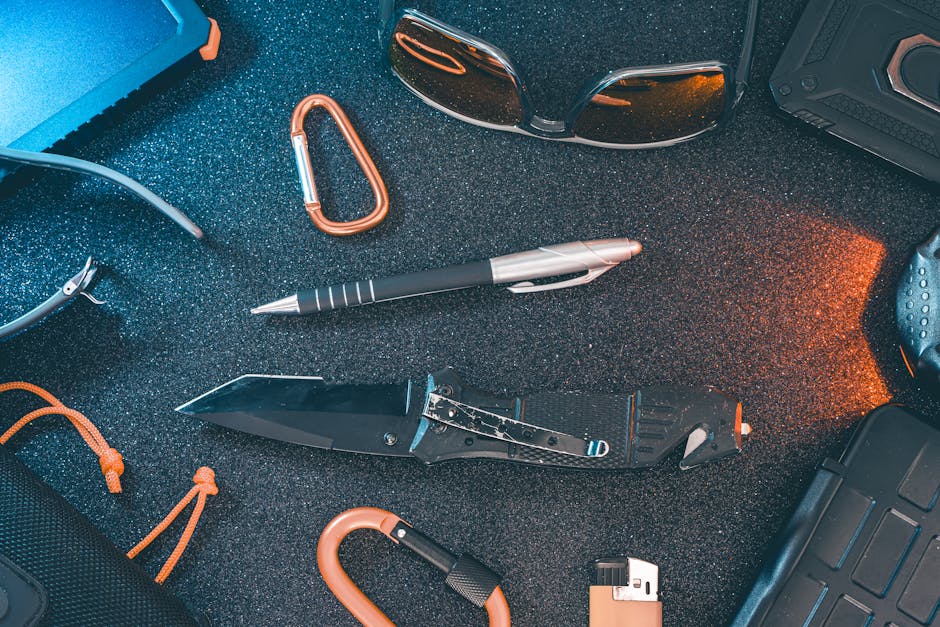
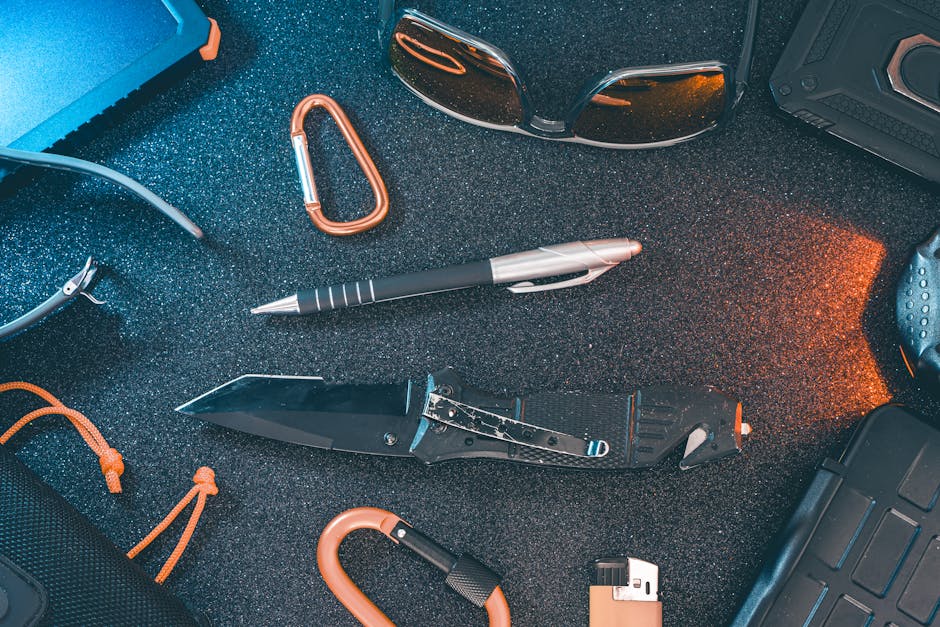
Tools make survival easier. A flashlight with extra batteries helps during power outages. A manual can opener is useful for canned food. A multi-tool can fix minor issues. A whistle signals for help.
Communication And Navigation
Staying informed is key. A battery-powered radio keeps you updated. Maps are important for navigation. A compass helps if technology fails. Write down emergency contact numbers.
Personal Items And Documents
Include personal items. Blankets or sleeping bags provide warmth. Pack extra clothing for comfort. Store important documents safely. Birth certificates, insurance papers, and IDs are crucial.
Assessing Potential Natural Disasters
Creating a natural disaster survival kit ensures safety during emergencies. Include essentials like water, food, and first-aid supplies. Pack a flashlight, batteries, and important documents.
Assessing potential natural disasters is a crucial first step in preparing an effective survival kit. Knowing what you might face ensures you pack the essentials and don't overlook anything critical. This preparation goes beyond just having the right gear; it’s about being mentally ready to face whatever nature might throw your way.
Local Risks
Every location has its unique set of natural disaster risks. If you live in California, earthquakes might be your primary concern. In Florida, hurricanes could be more pressing. Understanding your local risks means taking a closer look at your environment and recent history. Have you ever witnessed a flood in your area? Was there a wildfire scare last summer? These experiences are invaluable insights into what you should prioritize when assembling your kit.
Seasonal Changes
Natural disasters can also vary with the seasons. In winter, blizzards might be the biggest threat, while summer could bring storms or heatwaves. Consider how the changing seasons affect your location. Do you remember that unexpected snowstorm last March that left you without power for days? Preparing for these seasonal shifts means adjusting your kit accordingly—adding blankets for winter or extra water for summer. Taking time to assess these factors sharpens your readiness. What potential disaster do you feel least prepared for? By identifying gaps in your preparedness, you can build a survival kit that truly meets your needs.
Basic Supplies Checklist
Preparing a natural disaster survival kit is essential for safety. Gather water, non-perishable food, a flashlight, and a first aid kit. Don't forget batteries, a whistle, and a multi-tool for emergencies. Ensure you have essential supplies ready to protect yourself and your loved ones during unexpected situations.
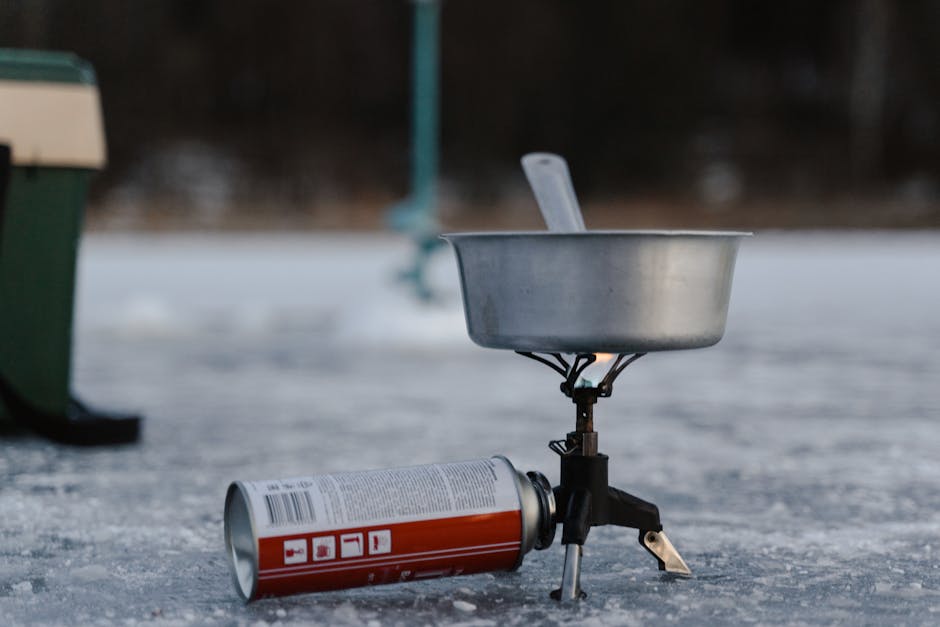
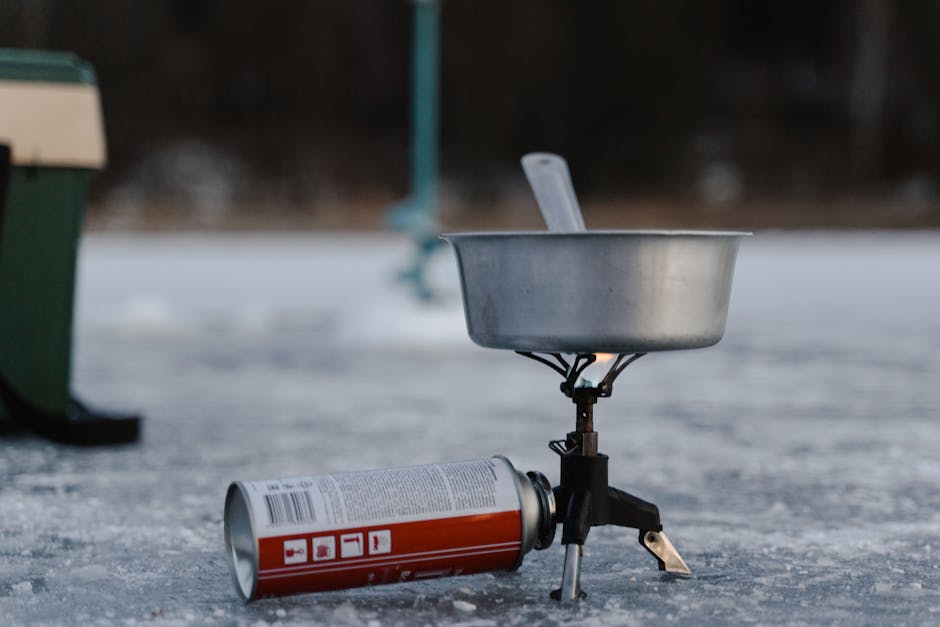
Preparing for a natural disaster is crucial to ensure your safety and well-being. Having a survival kit ready can make all the difference. A well-prepared kit is not just about collecting items; it's about strategically planning for the basics that will sustain you during critical times. Let's dive into the essential components of a Basic Supplies Checklist that you should consider for your survival kit. Food and Water When disaster strikes, access to food and water becomes uncertain. Your survival kit should include non-perishable food items, like canned goods, dried fruits, and nuts. These are easy to store and have a long shelf life. Don't forget a manual can opener and utensils. Water is crucial. Aim for at least one gallon per person per day for drinking and sanitation. Consider adding water purification tablets or a portable filter to ensure safe drinking options. First Aid Essentials During emergencies, medical help might not be immediately available. A first aid kit can be a lifesaver. Include bandages, antiseptic wipes, and pain relievers to address minor injuries. Adding a thermometer, tweezers, and adhesive tape can be handy. Think about specific needs: if you're on medication, pack an extra supply. Have you ever faced a situation where a small injury escalated due to lack of supplies? This kit can prevent that. Clothing and Shelter Staying warm and dry is vital for survival. Pack durable clothing suitable for various weather conditions. Consider layering options and waterproof items. A compact emergency blanket can help regulate body temperature. Shelter is another key aspect. A lightweight tent or tarp can provide protection from elements. Have you ever tried setting up a makeshift shelter during a hike? Knowing how to do it quickly can be a lifesaver in a crisis. Are you prepared to face unexpected challenges when disaster strikes? A well-stocked kit ensures you have the essentials to weather any storm. How will you prioritize your checklist?
Communication And Navigation Tools
Being prepared for natural disasters can save lives. Communication and navigation tools are essential in your survival kit. These tools help you stay connected and find your way during emergencies. Whether it's staying updated with news or finding your path, these tools are crucial.
Emergency Radios
Emergency radios keep you informed during disasters. They provide updates even when phones fail. Look for radios with multiple power sources. Solar power or hand-crank options are best. This ensures you never run out of power. Many emergency radios also have built-in flashlights. Some even offer USB charging for devices. These features add extra convenience in tough times.
Maps And Compasses
Maps and compasses are reliable navigation tools. Digital maps might not work during power outages. A physical map helps you plan escape routes. Ensure you have maps of your local area. A compass guides you when GPS fails. It's crucial for finding direction in unfamiliar places. Learn basic compass skills for effective use. These tools help ensure you won't lose your way.
Personal Safety Items
Creating a natural disaster survival kit involves gathering essential items for personal safety. Include a flashlight, batteries, first aid kit, and bottled water. Pack non-perishable food, blankets, and a whistle for emergencies.
When preparing for a natural disaster, personal safety should be your top priority. You never know when you'll need to rely on your survival kit, so it's crucial to ensure it includes essential personal safety items. These items are not just about physical protection; they offer peace of mind during uncertain times.
Self-defense Tools
Including self-defense tools in your survival kit can be a lifesaver. Consider a sturdy multi-tool that can double as a weapon if needed. A small, lightweight pepper spray can also be effective for deterring potential threats. A whistle is another simple yet vital tool. It’s easy to overlook, but its loud sound can alert rescuers to your location. Imagine you're in a situation where you're trapped but uninjured—a whistle could be the key to your rescue.
Protective Gear
Protective gear is another critical component of your survival kit. A high-quality dust mask can protect you from harmful debris and dust. In areas prone to earthquakes, these are particularly useful. Sturdy gloves are also a must-have. They can protect your hands from cuts and scrapes while you navigate through debris. Remember, your hands are your primary tools; keeping them safe is paramount. Finally, consider including a compact rain poncho. It shields you from the elements and helps maintain body temperature. Keeping dry is not just about comfort, but also about preventing hypothermia in cold conditions. Is your survival kit equipped with these personal safety items? If not, now is the time to make these smart additions. Your future self will thank you.
Specialty Items For Different Needs
Preparing a natural disaster survival kit can be challenging. It's crucial to tailor the kit to different needs. Families often have diverse requirements. Infants, pets, and the elderly have specific needs. Each of these groups requires unique items. Ensuring everyone is comfortable and safe is important.
Infants And Children
Children have specific needs during emergencies. Pack essential items like diapers and formula. Include favorite toys to provide comfort. Don't forget medications and baby food. Keep a small blanket for warmth. Ensure you have extra clothing in the kit.
Pets
Pets are family members too. Include pet food and water bowls. Leash and collar are essential for safety. Pack a small blanket or bed. Ensure you have waste bags for cleanliness. Consider a favorite toy for comfort.
Elderly And Disabled
Older adults need special attention. Include necessary medications and medical supplies. Pack hearing aids and glasses. Ensure mobility aids are ready. Prepare extra clothing and blankets for warmth. Comfort items are important for stress relief.
Storing And Maintaining Your Kit
Proper storage ensures your survival kit is ready for emergencies. Keep it in a cool, dry place. Regularly check expiration dates and replace items as needed.
Preparing for a natural disaster is more than just collecting items; it's about ensuring your survival kit is ready when you need it most. Storing and maintaining your kit is crucial, yet often overlooked. Imagine reaching for your kit during an emergency, only to find expired food or a flashlight with dead batteries. Proper storage and regular updates are the backbone of an effective survival kit. Let's dive into how you can keep your kit in top shape.
Proper Storage Techniques
Your survival kit should be stored in a cool, dry place away from direct sunlight. Moisture and heat can degrade items like batteries and medication. Choose a location that’s easily accessible, such as a hallway closet or under the bed. Consider using waterproof containers or bags to protect your supplies from leaks or floods. This adds an extra layer of protection, ensuring your items remain usable. Label your kit clearly. In an emergency, you want to grab your kit without hesitation. A simple label can make all the difference.
Regular Updates And Checks
Set a reminder to check your kit every six months. This ensures that food, water, and medications are not expired. It’s also a good time to test flashlights and radios. Think of your personal needs. Has your family grown? Do you have new medications? Adjust your kit to reflect any changes. Ask yourself: Would I feel safe with this kit today? If not, make the necessary updates. Your future self will thank you. By storing and maintaining your kit properly, you ensure that when disaster strikes, you’re prepared. How do you plan to keep your survival kit ready?
Creating A Family Emergency Plan
Creating a family emergency plan is crucial for disaster preparedness. It ensures everyone knows what to do during a natural disaster. Having a clear plan reduces panic and confusion. It helps keep your family safe and organized.
A well-thought-out plan includes communication strategies and meeting points. These elements help maintain order and safety. Let's explore these aspects to ensure you're fully prepared.
Communication Strategies
Effective communication is vital during emergencies. Establish how your family will communicate. Use mobile phones, radios, or online messaging. Make sure everyone knows how to use them.
Create a list of emergency contacts. Include local authorities and family members. Share this list with everyone. Practice using communication devices regularly. This ensures everyone is familiar with them.
Meeting Points
Designate specific meeting points for your family. Choose places both inside and outside your home. Ensure they are safe and easy to reach.
Discuss these locations with all family members. Make sure everyone understands where to go. Revisit these meeting points regularly. This keeps them fresh in everyone's mind.
Having clear meeting points reduces stress. It helps reunite family members quickly. Practice going to these locations as part of your plan. This ensures everyone knows where to meet during a disaster.
Useful Resources And Contacts
In preparing a natural disaster survival kit, having useful resources and contacts is crucial. These resources guide you during emergencies and connect you to help. Knowing who to call and where to turn is vital. It ensures quick access to support when needed most. Below, explore key contacts to include in your survival kit.
Emergency Services
Always have local emergency service numbers handy. Dialing 911 connects you to police, fire, and medical services. Make sure everyone in your household knows these numbers by heart. Keep a list of contacts for poison control and animal control too. Include the local non-emergency police number for less urgent situations.
Local Support Networks
Identify community support networks around you. These include shelters, food banks, and community centers. They offer resources during natural disasters. Join local social media groups that share real-time updates. These networks provide information on available resources.
Sign up for alerts from local government agencies. These alerts give warnings and information during emergencies. Community centers often have lists of volunteers ready to help. Keep their contact information in your survival kit. Knowing your local support systems ensures you have a safety net.
Frequently Asked Questions
What Is A Natural Disaster Survival Kit?
A natural disaster survival kit is a collection of essential items. It helps individuals and families survive during emergencies. Items include food, water, first aid supplies, and tools. The kit should be easily accessible and regularly updated.
Why Is A Survival Kit Important?
A survival kit is crucial for preparedness during natural disasters. It ensures you have necessary supplies when access to resources is limited. Being prepared can significantly increase your chances of survival. It also reduces panic during emergencies.
How Often Should I Update My Survival Kit?
You should update your survival kit every six months. Check expiration dates on food, water, and batteries. Replace any expired or damaged items. Regular updates ensure your kit is ready for emergencies.
What Items Should Be In My Survival Kit?
A survival kit should include non-perishable food, water, and a first aid kit. Add essential tools like a flashlight, batteries, and a multi-tool. Personal items such as medications and important documents are also necessary. Tailor your kit to your specific needs.
Conclusion
Creating a survival kit is crucial for safety. Every item has a purpose. Store enough food and water. Include a flashlight and batteries. Keep a first aid kit handy. Don't forget important documents. Pack clothes and blankets. Remember, preparation can save lives.
Practice regular checks of your kit. Replace expired items immediately. Educate family about the kit’s contents. Stay informed about potential natural disasters. Being ready gives peace of mind. Your kit is your lifeline. Stay safe and prepared.