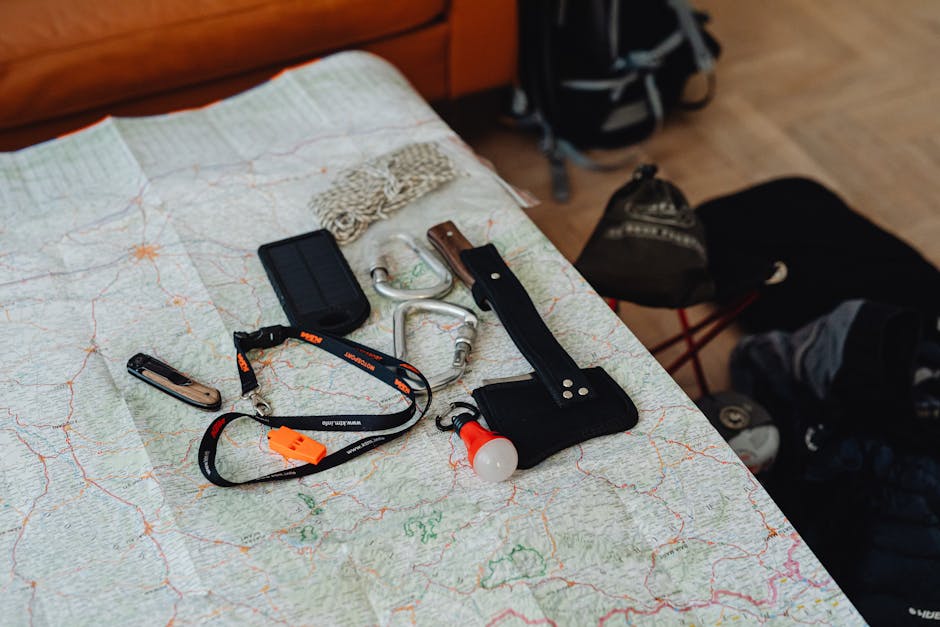
How to Build Survival Kit?
Imagine you're out on a thrilling adventure, exploring the great outdoors. Suddenly, the weather turns, or you find yourself lost.
What you have with you could make all the difference. This is where a well-prepared survival kit comes into play. But how do you build one that's truly effective? As you read on, you'll discover the secrets to assembling a survival kit that not only keeps you safe but also gives you peace of mind.
Whether you're an avid hiker, a weekend camper, or just someone who wants to be ready for anything, this guide is for you. With the right tools and items, you can transform your kit into a lifeline that empowers you to face any challenge with confidence. Keep reading to unlock the essentials of crafting your ultimate survival kit.
Understanding Survival Kits
Understanding survival kits is essential if you want to be prepared for unexpected situations. Whether you're hiking, traveling, or simply living in an area prone to natural disasters, a well-stocked survival kit can be your best friend in times of need. Let's explore the purpose and types of survival kits to help you build one that suits your needs.
Purpose Of A Survival Kit
The primary purpose of a survival kit is to provide essential items that help you stay safe and sustain yourself during emergencies. Imagine being caught in a storm with no electricity or water; your survival kit should contain basics like food, water, and first aid supplies to keep you going.
Think of it as insurance. You might never need to use it, but having it gives you peace of mind. You can be ready for anything, from getting stranded in your car during a snowstorm to facing an unexpected power outage at home.
Have you ever been on a hike and realized you forgot your water bottle? It’s a simple mistake but can turn your adventure into a serious situation. A survival kit ensures you're always prepared.
Types Of Survival Kits
Survival kits come in various types, each tailored to specific situations. A basic home survival kit often includes flashlights, batteries, and canned food to help you weather power outages or natural disasters.
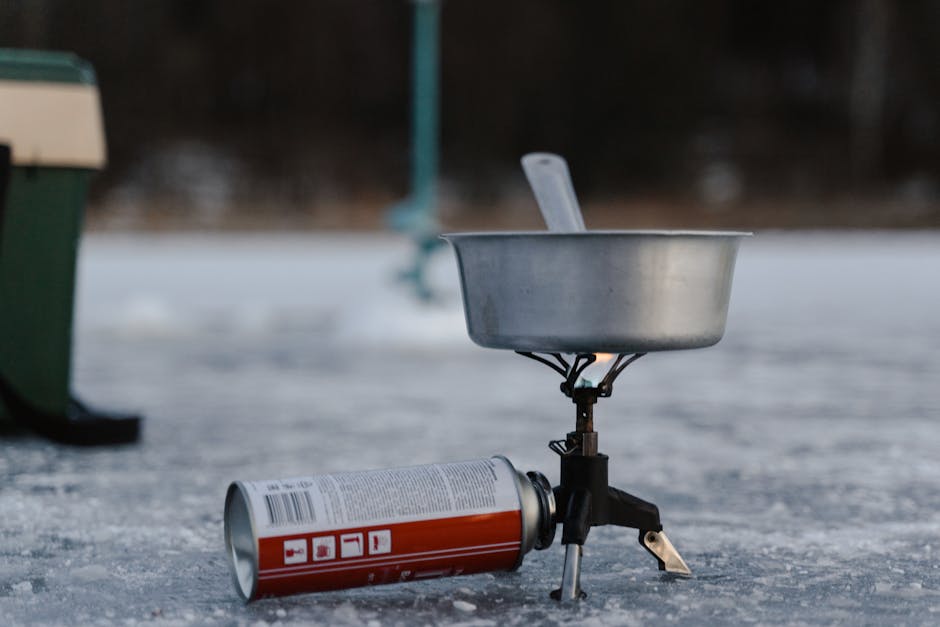
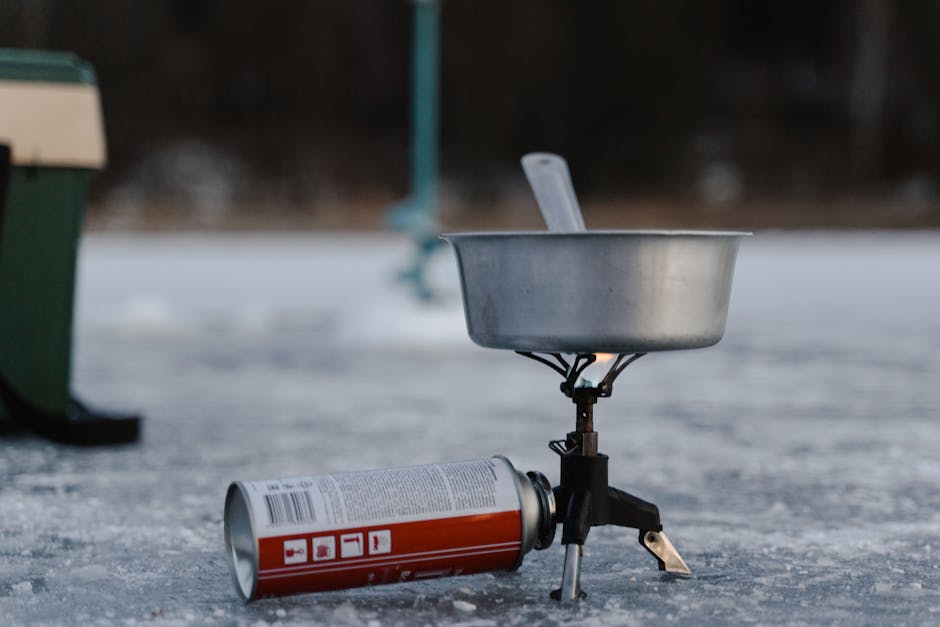
For outdoor enthusiasts, a wilderness survival kit might be more suitable. This could include items like a compass, fire starters, and emergency blankets, ensuring you can handle unexpected challenges in nature.
There are also vehicle survival kits for travelers. Imagine having a flat tire in a remote area; your kit should include tools, a spare tire, and reflective warning triangles to keep you safe and get you back on the road.
What type of survival kit do you think fits your lifestyle? Assess your daily routines and potential risks to decide which kit is right for you.
Essential Components
Building a survival kit is essential for unexpected emergencies. The right components can make a difference in critical situations. Knowing what to include ensures preparedness and peace of mind. Let's explore the essential components that every survival kit should have.
Food And Water Supplies
Food and water are vital for survival. Pack non-perishable food items like canned goods and energy bars. Include water purification tablets for safe drinking water. An emergency kit should have enough supplies for at least three days. This ensures sustenance during unforeseen circumstances.
First Aid Essentials
A first aid kit is crucial for treating injuries. Include bandages, antiseptic wipes, and pain relief medication. Pack a small manual with basic first aid instructions. These items help manage minor injuries effectively. Quick access to first aid can prevent complications.
Tools And Equipment
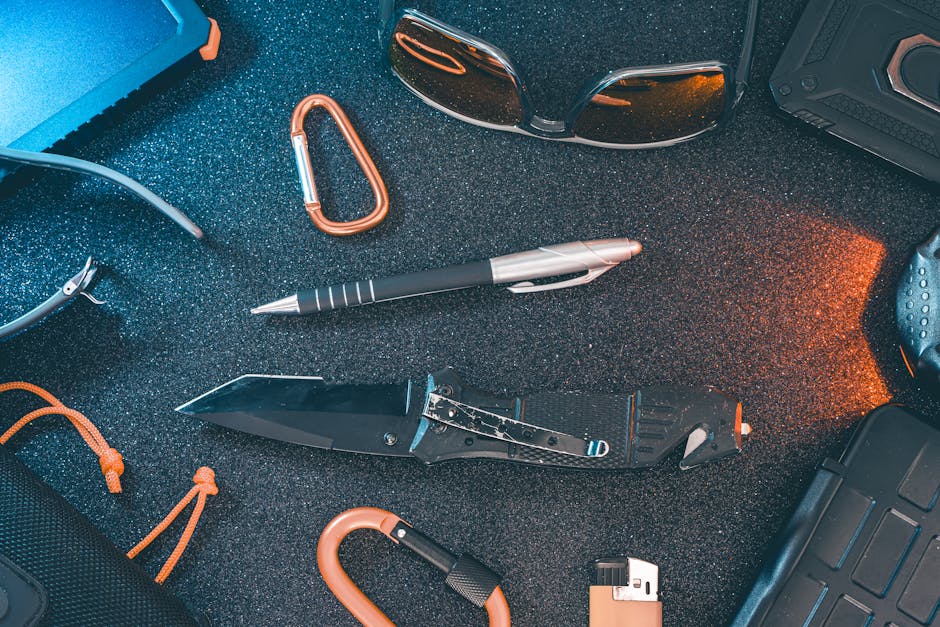
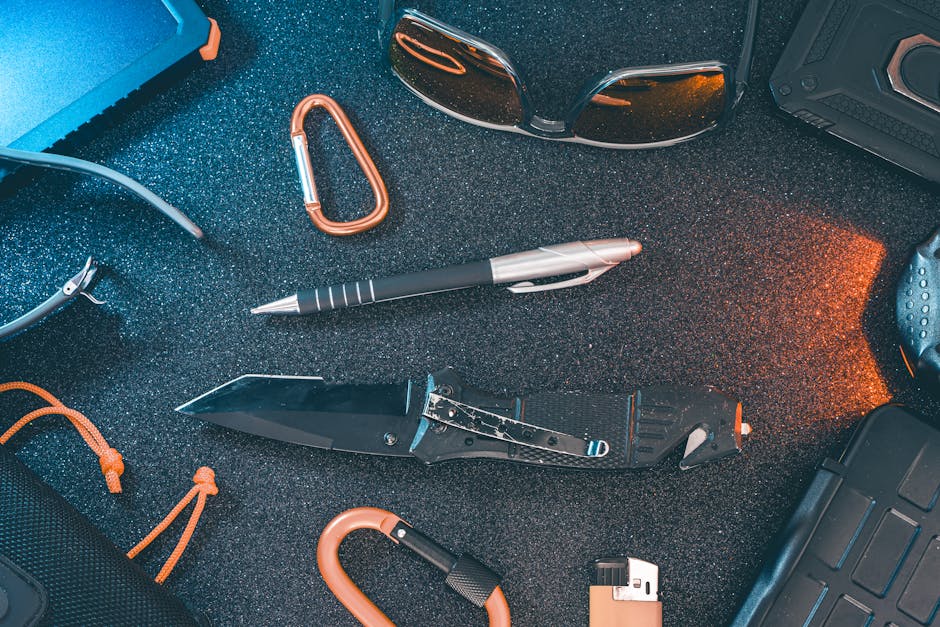
Tools and equipment enhance survival chances. A multi-tool, flashlight, and whistle are important. A sturdy knife helps with cutting and protection. Include batteries for devices. These tools assist in handling unexpected challenges.
Clothing And Shelter
Clothing and shelter provide warmth and protection. Pack warm clothes, a raincoat, and sturdy shoes. Include a compact, portable tent or tarp. These items ensure comfort and safety. Protect yourself from harsh weather conditions.
Selecting The Right Container
Selecting the right container for your survival kit is crucial. It ensures your supplies stay safe and organized. The container you choose must meet several key criteria. These include portability, durability, and appropriate size. Making the right choice guarantees your kit is effective. Let's explore these aspects in detail.
Portability And Durability
Your survival kit needs to be easy to carry. A portable container allows for quick movement in emergencies. Choose a container with a handle or strap. This makes it easy to grab and go. Durability is equally important. The container should withstand harsh conditions. Look for materials like hard plastic or metal. These materials provide strength and protection. Ensure it is waterproof to protect your gear.
Size Considerations
The size of your container depends on your needs. A small container suits basic essentials. It's perfect for short trips or limited space. For longer journeys, a larger container is necessary. It accommodates more items like food and water. Avoid overly large containers. They can become cumbersome and hard to carry. Plan your kit's contents before choosing the size. This ensures the container fits your needs perfectly.
Customizing Your Kit
Creating a survival kit tailored to your needs is essential. A customized kit ensures you have exactly what you require in emergencies. Tailoring your kit means considering personal needs, preferences, and environmental factors. Let's explore how you can customize your survival kit effectively.
Personal Needs And Preferences
Think about what you need daily. Medications are crucial if you take them regularly. Pack enough for at least a week. Include personal hygiene items like toothbrushes and soap. Consider dietary preferences or allergies. Include non-perishable food suitable for you. Don't forget comfort items. A favorite snack or book can ease stress. Personalize your kit to suit your lifestyle and needs.
Environmental Factors
Consider your local climate when packing your kit. In cold areas, pack blankets and warm clothing. In hot climates, extra water and sun protection are essential. Think about natural disasters common in your region. If you live in a flood zone, waterproof gear is vital. Urban and rural needs differ. City dwellers may need maps of evacuation routes. Rural residents might need tools for self-sufficiency. Tailor your kit to the environment you live in.
Maintenance And Updates
Regularly updating your survival kit ensures preparedness. Check expiration dates and replace old items. Add new tools and supplies as needed. Keep it ready for emergencies at all times.
Maintaining and updating your survival kit is as essential as assembling it in the first place. A survival kit isn't something you set and forget. It requires regular attention to ensure every item is ready when you need it most. Imagine reaching for your flashlight during a power outage only to discover dead batteries. Regular maintenance can prevent such scenarios, keeping your kit reliable and effective.
Regular Inventory Checks
Conducting regular inventory checks helps you stay organized and prepared. Every few months, take the time to go through your kit and verify that all items are present and in good condition. Use a checklist to avoid missing anything important. Consider involving your family in this activity. It not only reinforces the importance of preparedness but also ensures everyone knows where the kit is and what's inside. Ask yourself, does everyone know how to use each item? A quick family discussion can be invaluable.
Replacing Expired Items
Items in your survival kit have expiration dates, and ignoring them can lead to trouble. Check dates on food, medication, and batteries regularly. Replace anything that's expired or close to expiration to ensure functionality and safety. Think about the time you found an old can of soup in your pantry. The label was faded, and you couldn't remember buying it. Expired items in your survival kit are just as useless. Wouldn't it be better to know everything is fresh and ready to use? Keeping your survival kit updated means peace of mind. It's not just about having a kit; it's about having a kit that works when you need it most. Are you ready to trust yours in an emergency?
Practical Tips For Use
Building a survival kit is only half the battle. Knowing how to use it is crucial. Practical tips for using your survival kit can make the difference in emergencies. Let's explore some essential aspects to enhance your preparedness.
Training And Familiarization
Get to know every item in your survival kit. Understand its purpose and how it works. Regularly check and update the contents. Practice using tools like fire starters and water purifiers. This builds confidence and ensures efficiency in real situations.
Organize hands-on sessions with family or friends. Simulate scenarios where the kit is needed. This helps everyone become familiar with each tool. The more you practice, the better prepared you'll be.
Emergency Situations
Identify common emergencies in your area. Tailor your kit to address these specific risks. For example, flood-prone areas need waterproof gear. Earthquake zones benefit from sturdy protective equipment. Customize your kit accordingly.
Regularly review emergency protocols. Stay informed about local alerts. This keeps your survival strategies relevant and effective. Always have a plan for quick evacuation. Familiarize yourself with escape routes and safety spots.
Keep communication devices charged and ready. A simple radio can provide vital updates during crises. Ensure everyone knows how to operate these devices. This helps maintain contact and access to crucial information.
Frequently Asked Questions
What Items Are Essential For A Survival Kit?
A survival kit should include essentials like water, non-perishable food, flashlight, first aid supplies, multi-tool, and a whistle. These items ensure basic needs are met in emergencies. Customize your kit based on specific needs and environment to enhance safety and preparedness.
How Can I Store My Survival Kit?
Store your survival kit in a durable, waterproof container. Keep it easily accessible and regularly check for expired items. Ensure the kit is portable for quick evacuation. Proper storage ensures items remain functional during emergencies, maximizing your chances of survival.
How Often Should I Update My Survival Kit?
Update your survival kit every six months. Regular updates ensure all items are functional and not expired. Adjust contents based on seasonal changes and personal needs. Staying proactive about updates ensures readiness for unforeseen emergencies.
Why Is A Survival Kit Important?
A survival kit is crucial for emergency preparedness. It provides essential supplies to sustain you during unforeseen disasters. Having a well-stocked kit boosts your chances of survival and reduces panic when emergencies arise.
Conclusion
Creating a survival kit is simple and essential. It ensures safety in emergencies. Gather basic supplies like food, water, and a first-aid kit. Add tools like a flashlight and a multi-tool. Personalize your kit to fit your needs. Check and update it regularly.
A well-prepared kit can save lives. Teach family members how to use it. Practice makes perfect. Keep your kit accessible and ready. Stay prepared for any situation. It's a smart step for peace of mind. Your future self will thank you.
Stay safe and ready for anything.