How to Build a Survival Kit for Cold Climate?
Imagine being caught in a freezing storm with nothing but thin layers of clothing and no supplies. It's a chilling thought, right?
When it comes to surviving in cold climates, preparation is key. You need a survival kit that can protect you from harsh weather and keep you safe. But where do you start? What items are crucial for warmth and safety?
The answers might surprise you. In this guide, you'll discover how to build a survival kit that stands up to icy conditions. From choosing the right materials to understanding the essentials, every piece of advice is tailored to empower you. Don't leave your safety to chance. Equip yourself with knowledge and tools that can make all the difference. Keep reading to uncover the secrets of mastering survival in cold climates, and ensure that you're always prepared for whatever Mother Nature throws your way.
Choosing The Right Container
Selecting a sturdy container is crucial for a cold climate survival kit. Opt for a durable, waterproof option to protect supplies. Ensure the container is spacious enough to hold essentials like food, water, and clothing.
Choosing the right container for your cold climate survival kit is crucial. The container is more than just a box—it's your first line of defense against the elements. A well-chosen container keeps your essentials organized and protected, no matter how harsh the weather gets.
Size And Portability
When selecting a container, consider how much gear you need to carry. A large container might seem like a good idea, but it could be cumbersome in a snowy landscape. Think about the essentials: thermal blankets, fire starters, and non-perishable food items. Can your container fit in your backpack, or will it be a struggle? Opt for a size that balances capacity with the ease of transport. If you are planning a long trek, a compact container is more practical.
Durability And Waterproof Features
In cold climates, durability is key. You don't want your container cracking under pressure or becoming brittle in freezing temperatures. Look for materials like high-quality plastic or metal that can withstand the cold. Waterproof features are non-negotiable. Snow and ice can quickly seep into your container, damaging your supplies. A container with a tight seal or a rubber gasket offers extra protection. Have you ever had a container fail on you during an outdoor trip? The frustration is real. Investing in a durable, waterproof container can make all the difference between a successful adventure and a challenging ordeal. Choosing the right container involves a balance between what you need to carry and how you plan to carry it. With the right container, you're not just prepared—you're empowered to face the cold head-on.
Clothing Essentials
Prepare for cold climates with essential clothing. Layer with thermal tops, insulated jackets, and waterproof boots. Gloves, scarves, and wool hats keep warmth in and cold out.
When preparing a survival kit for cold climates, clothing is more than just a necessity—it's your first line of defense against harsh weather conditions. Clothing essentials are crucial because they help maintain your body temperature, ensuring you stay warm and safe. But how do you choose the right clothing that balances warmth and mobility? Let’s dive into some practical tips to make your clothing choices effective and efficient.
Layering Techniques
Effective layering is key when dressing for cold climates. It allows you to adjust your clothing based on your activity level and weather conditions. Start with a moisture-wicking base layer to keep sweat away from your skin. Add an insulating layer, like a fleece or down jacket, to retain body heat. Finally, use a waterproof and windproof outer layer to shield yourself from the elements. Remember, it's easier to remove a layer if you're too warm than to add one when it's too late. What’s your go-to layering setup?
Material Considerations
Choosing the right material can make or break your cold-weather survival kit. Cotton should be avoided as it retains moisture and can lead to hypothermia. Instead, opt for materials like wool, which provides excellent insulation even when wet. Synthetic fabrics like polyester and nylon are also great choices for their moisture-wicking and quick-drying properties. When I switched to a merino wool base layer during a snowy hike, I noticed a significant difference in comfort and warmth. Have you ever been surprised by the power of the right material choice? In the end, clothing isn’t just about style—it's about survival. And in a cold climate, the right choices can keep you safe and comfortable. So, are you ready to layer up and face the cold?
Heat Sources
A survival kit for cold climates must include reliable heat sources. Pack items like matches, lighters, and fire starters. Consider portable heaters or hand warmers for extra warmth. These essentials help maintain body temperature and prevent hypothermia. Stay prepared and safe in extreme cold conditions.
When you're preparing a survival kit for cold climates, ensuring you have reliable heat sources is crucial. Keeping warm isn't just about comfort; it's about survival. Whether you're facing an unexpected snowstorm or planning a winter adventure, knowing how to generate heat can mean the difference between a safe journey and a risky situation. Have you ever been caught in a situation where every second counts to retain warmth? Let's dive into the essentials to keep the chill at bay.
Portable Heaters
Portable heaters can be your best friend when you need instant warmth. They're designed to be compact and easy to carry, making them ideal for your survival kit. Consider battery-operated heaters for convenience. They provide warmth without the need for fuel, which can be cumbersome in a survival situation. However, always check battery life and carry extras to avoid running out of power. Propane heaters are another option. They can be highly effective in heating larger spaces. Make sure you have adequate ventilation when using them to prevent carbon monoxide build-up. Think about a time when you wished for a heater in the freezing cold. Portable heaters can be a game-changer during those moments.
Fire Starting Tools
In cold climates, fire can be both a heat source and a signal for help. Equipping your survival kit with effective fire-starting tools is essential. Waterproof matches are a must-have. They ensure you can ignite a fire even in damp conditions. They're easy to use and reliable, making them a favorite among outdoor enthusiasts. A fire striker, often known as a ferro rod, is another great tool. It produces sparks even in challenging weather, ensuring you can start a fire almost anywhere. Practice using it before you find yourself in a real emergency. Have you considered the importance of a fire starter when your survival depends on it? The right tools can make lighting a fire less of a struggle and more of a certainty. Making informed choices about your heat sources can significantly impact your ability to stay warm. What steps will you take to ensure your survival kit is prepared for the coldest scenarios?
Shelter Options
Surviving in cold climates requires careful planning. Shelter is your primary defense against harsh conditions. Choosing the right shelter can make a significant difference. Protect yourself from freezing temperatures and harsh winds. Let's explore some effective shelter options.
Tents And Sleeping Bags
Tents serve as your first line of defense against the cold. Look for tents designed for winter use. These offer insulation and protection from snow. Sturdy poles and durable fabrics are essential. Reinforced seams prevent heat loss. Consider a tent with a rainfly for added warmth.
Sleeping bags are crucial for warmth. Choose one with a high insulation rating. Down-filled bags provide excellent heat retention. Synthetic materials resist moisture well. Ensure your sleeping bag is rated for cold temperatures. The snug fit helps maintain body heat.
Wind And Weather Protection
Wind can drastically lower body temperature. A windproof tent helps shield against strong gusts. Position your tent strategically to minimize exposure. Use natural barriers like rocks or trees for protection.
Weather protection includes snow and rain. Use tarps for extra coverage. A tarp over your tent adds insulation. It also prevents snow accumulation on your tent. Ensure your gear is waterproof to handle unexpected weather changes.
Food And Water Supplies
Building a survival kit for cold climates requires careful planning. Include high-energy food like nuts and dried fruits. Pack water purification tools to ensure safe drinking water.
Ensuring you have reliable food and water supplies in a cold climate survival kit is crucial. When temperatures drop, your body needs more energy to stay warm, making food and water vital components. Let’s dive into practical ways to keep your energy levels up and stay hydrated when the cold strikes.
Non-perishable Foods
Choosing the right non-perishable foods can make a big difference in your survival. Aim for high-calorie, nutrient-rich options that are easy to store and prepare. Canned beans, dried fruits, and nuts are excellent choices. Consider adding energy bars and jerky. These are compact and packed with proteins and fats, providing much-needed warmth and energy. Instant oatmeal packs are also a great option—they're lightweight and just need hot water. You might wonder about variety. Yes, it's important! A monotonous diet can lower morale. Add powdered soups or freeze-dried meals for some diversity. They offer comfort and warmth, crucial in cold climates.
Water Purification Methods
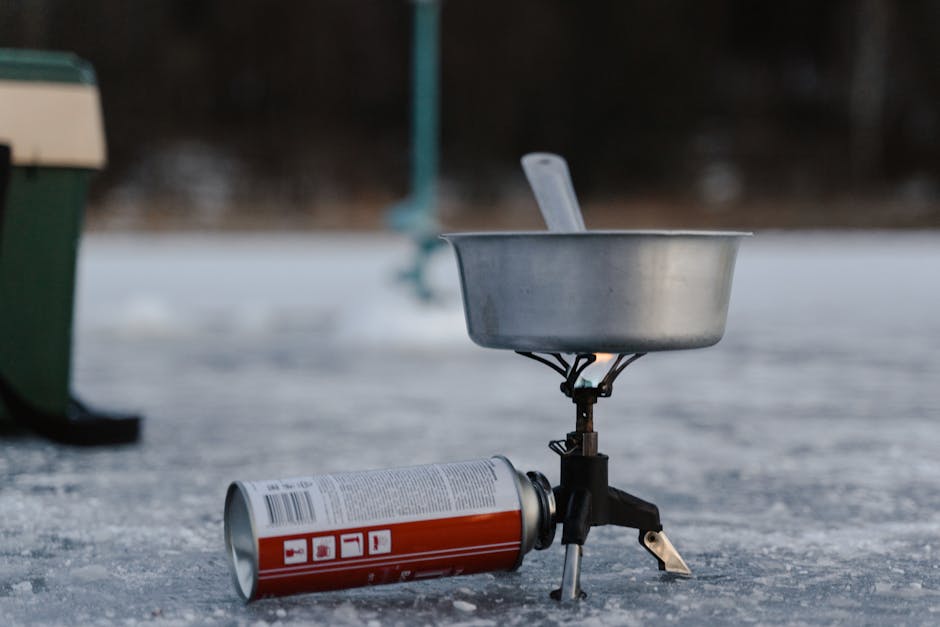
Finding safe drinking water is non-negotiable. Snow might seem like an easy source, but it needs purification. Melting and boiling snow is a simple method, but make sure you have a reliable heat source. Consider water purification tablets. They're small, lightweight, and effective against most contaminants. Adding a few packs to your kit can be a lifesaver. Portable water filters are another great choice. They're easy to use and can treat large quantities of water. A personal experience taught me their value when a sudden storm contaminated a nearby water source during a hike. If you rely on melted snow, ensure you have a pot or container. This might seem obvious, but in the rush to pack essentials, such items can be overlooked. Ask yourself: do you have the tools to ensure safe drinking water in an emergency? Preparing now can save you from dehydration and potential illness later.
Safety And Navigation Tools
Surviving in a cold climate requires more than just warm clothing. Safety and navigation tools are essential in a survival kit. They guide you and ensure you stay connected. Such tools can be lifesavers in harsh conditions. Let's explore the key components that make up these essential tools.
Maps And Compasses
Traditional navigation tools are reliable. Maps don't need batteries. They show the terrain and possible routes. A good map covers the whole area. Compasses help you find direction. They work without electricity. Knowing how to use them is vital. Practice before heading out. Together, maps and compasses guide you safely.
Emergency Communication Devices
Staying connected is crucial in emergencies. Mobile phones may not work everywhere. Carry a satellite phone for remote areas. It can send messages when there's no signal. Consider a personal locator beacon. It sends your location to rescuers. Handheld radios are useful, too. They let you communicate with nearby people. Always check device batteries before your trip. Communication devices increase your survival chances.
First Aid And Medical Supplies
Building a survival kit for cold climates requires essential items like thermal blankets and hand warmers to stay warm. Include basic first aid supplies such as bandages and antiseptic wipes. Pack a flashlight and extra batteries for visibility during long winter nights.
When preparing for a cold climate, a survival kit is essential. First aid and medical supplies are crucial components. They ensure you can handle emergencies effectively. This section focuses on what to include in your survival kit.
Basic First Aid Kit
A basic first aid kit is vital. It should include bandages, antiseptic wipes, and gauze pads. These items treat minor cuts and scrapes. Include adhesive tape and a pair of scissors. Tweezers help remove splinters or debris. Pack pain relievers like ibuprofen or acetaminophen. They reduce pain and inflammation. Include a digital thermometer. It helps monitor body temperature in cold conditions. Cold temperatures can mask symptoms. A simple first aid manual is useful. It provides guidance during emergencies.
Cold-related Illness Prevention
Preventing cold-related illnesses is crucial. Frostbite and hypothermia are serious threats. Pack thermal blankets in your kit. They help maintain body warmth. Include chemical hand warmers. They provide instant heat in freezing temperatures. Lip balm and moisturizer prevent skin cracking. Cold winds can dry out skin quickly. Include a supply of high-energy snacks. These help maintain your energy levels. Staying nourished is key to staying warm. Pack a supply of water purification tablets. Clean water is vital for hydration. Building a survival kit for cold climates is essential. Proper preparation ensures safety in harsh conditions.
Miscellaneous Items
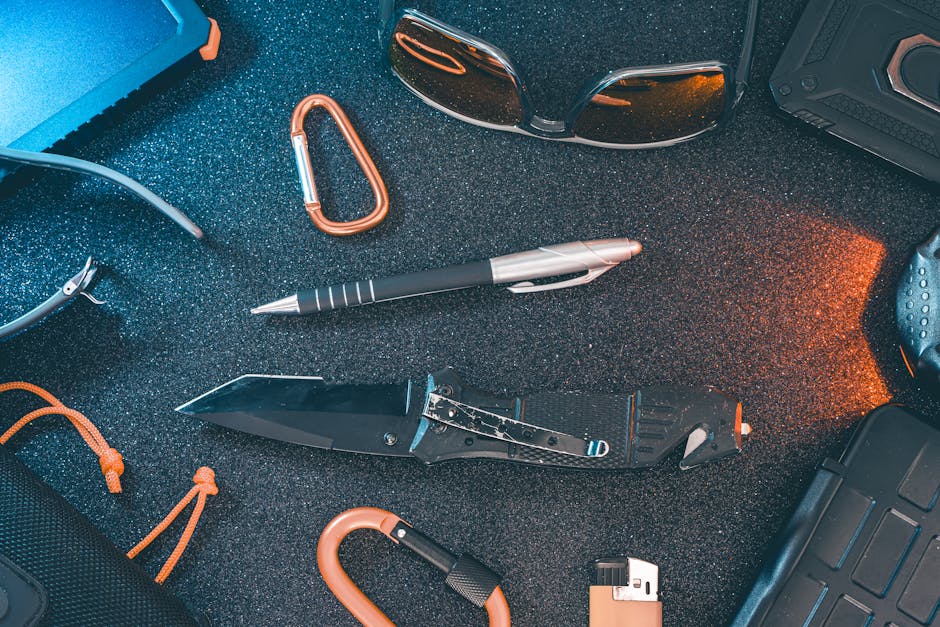
Building a survival kit for cold climates requires careful selection of miscellaneous items like thermal blankets and hand warmers. Pack durable clothing layers, waterproof matches, and a compact food supply. Essential tools include a multi-tool, flashlight, and portable stove for heat and cooking.
When preparing for the biting chill of a cold climate, your survival kit should be more than just the basics. Miscellaneous items often get overlooked, but they can make all the difference in a critical moment. They might seem secondary, but these tools could prove invaluable when you least expect it.
Multi-tools And Knives
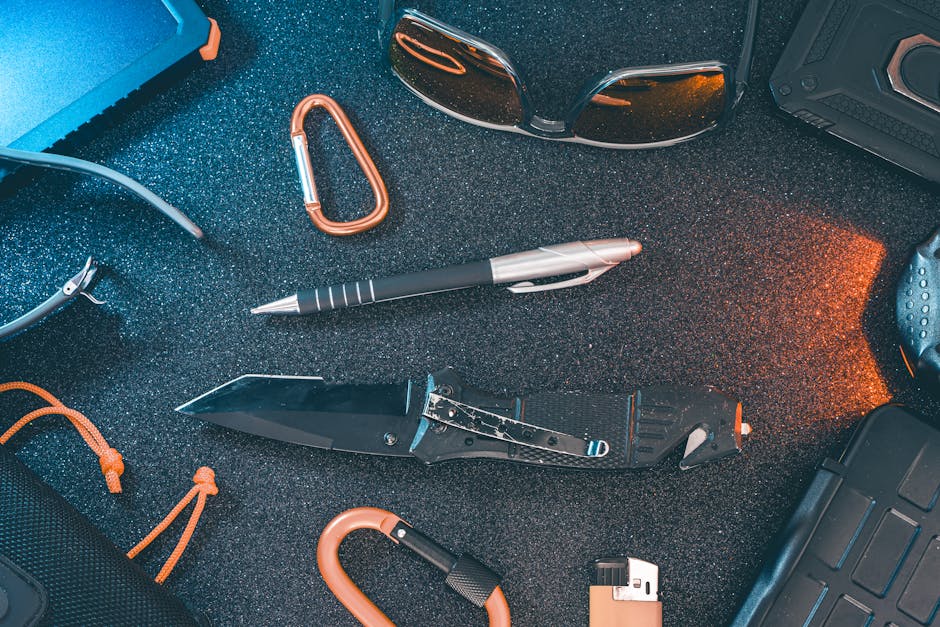
Having a reliable multi-tool or knife in your kit is non-negotiable. These tools are your best friends in the wild, capable of performing a multitude of tasks. Whether you need to cut rope, open a can, or repair gear, a good multi-tool is indispensable. A compact knife can come to the rescue if you need to build a shelter or start a fire. Many outdoor enthusiasts swear by their utility. Consider one with a sturdy blade and additional tools like screwdrivers and pliers. Always prioritize quality over quantity. A cheap, flimsy tool could fail when you need it most. Have you ever tried cutting through thick rope with a dull blade? It's a frustrating experience you want to avoid.
Batteries And Lighting
Lighting is crucial in a cold climate, especially when daylight hours are limited. A reliable flashlight or headlamp keeps you safe and helps you navigate in the dark. Pack extra batteries to ensure your light source doesn’t fail you. Think about the power source of your lighting tools. Rechargeable options are great, but in freezing temperatures, traditional batteries often perform better. Consider a solar-powered lantern as a backup. They’re a sustainable option, and many models now come with USB ports to charge your devices. How would you cope if your flashlight died just when you needed it most? Having multiple light sources can be a lifesaver. Each light serves a different purpose and can help you adapt to unexpected situations.
These miscellaneous items might not seem essential at first glance, but they play a pivotal role in your survival strategy. Packing wisely and thinking ahead can turn a potential disaster into a manageable situation. What items have saved you when you least expected?
Frequently Asked Questions
What Items Are Essential In A Cold Climate Survival Kit?
A cold climate survival kit should include a thermal blanket, waterproof matches, a first aid kit, and high-energy food. Also, pack a flashlight with extra batteries, a multi-tool, and a whistle. Warm clothing layers, hand warmers, and a portable stove are crucial for keeping warm and safe.
How Do You Choose The Right Clothing For Cold Survival?
Choose clothing that is insulating, moisture-wicking, and waterproof. Layering is key to retaining body heat. Start with a thermal base layer, add an insulating mid-layer, and finish with a waterproof outer layer. Ensure your clothing is breathable to prevent overheating and moisture buildup.
Why Is A Portable Stove Important In Cold Climates?
A portable stove provides warmth and a way to cook food in cold climates. It can melt snow for drinking water, which is crucial for survival. A reliable stove ensures you can prepare hot meals, helping to maintain energy and body heat in freezing conditions.
How Can You Maintain Body Heat Effectively?
Maintaining body heat involves wearing layers, staying dry, and consuming warm fluids. Avoid sweating by removing layers as needed. Use hand and foot warmers for extra warmth. Regularly consume high-energy foods and hot drinks to keep your metabolism active and generate body heat.
Conclusion
Building a survival kit for cold climates is crucial. It helps ensure safety. Always include essentials like warm clothing and food. Don't forget a reliable source of heat. Water-resistant gear protects against harsh weather. Every item matters in freezing conditions.
Consider space and weight when packing. A well-prepared kit can make a big difference. Stay informed and keep your kit updated. Regular checks and practice runs are helpful. Preparedness boosts confidence and survival chances. Prioritize safety and readiness. Your peace of mind depends on it.