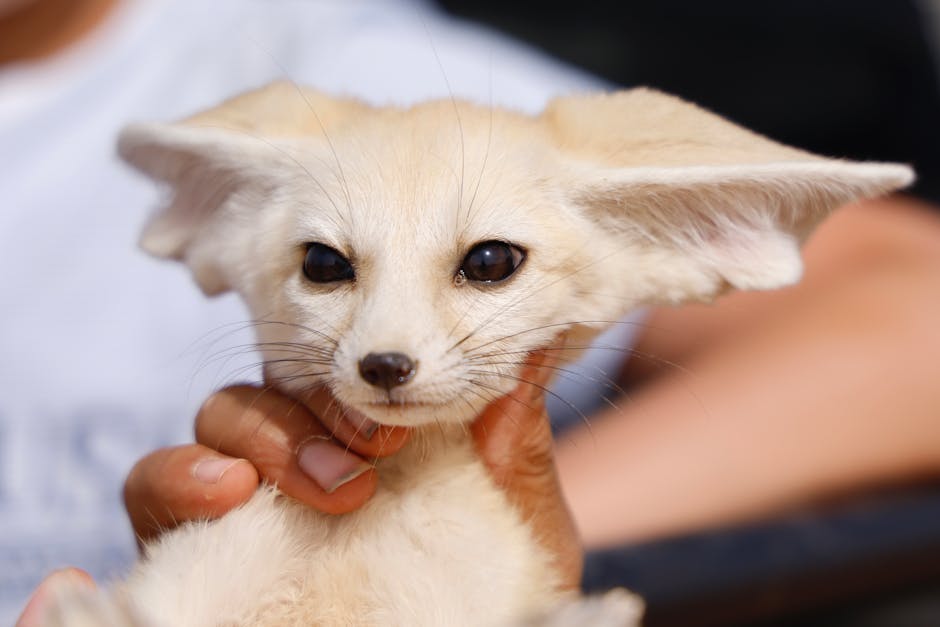
How Do Kit Foxes Survive in the Desert?
Imagine stepping into a desert, where the sun beats down relentlessly, and the landscape stretches out in endless waves of sand and sparse vegetation. It's a place where survival seems almost impossible.
Yet, amid this harsh environment, the kit fox thrives. How do these small, delicate creatures manage to live in such a challenging habitat? You're about to discover the incredible strategies and adaptations that allow kit foxes to not only survive but flourish in the desert.
This article will reveal the secrets of their resilience and resourcefulness, sparking your curiosity about these remarkable animals. By the end, you'll have a newfound appreciation for the kit fox and its unique way of life in the desert. So, are you ready to uncover the mysteries of the kit fox's survival? Let's dive in.
Adaptations For Extreme Temperatures
Kit foxes thrive in the desert by using their large ears to release heat. Their nocturnal habits help avoid daytime heat. Burrowing into the ground provides cooler shelter during scorching temperatures.
Surviving in the harsh desert environment is no small feat, especially for the diminutive kit fox. These creatures have evolved remarkable adaptations to endure extreme temperatures. From physiological changes to clever behaviors, kit foxes showcase nature's ingenuity. But what exactly helps them thrive in such a challenging habitat?
Thermal Regulation Mechanisms
Kit foxes have developed unique thermal regulation mechanisms to cope with the fluctuating desert temperatures. Their large ears are more than just for acute hearing—they help dissipate excess body heat. This feature allows them to stay cool during the scorching daytime. Their fur is another adaptive marvel. It is dense and insulating, protecting them from the searing sun and surprisingly chilly nights. This dual-purpose fur is essential for maintaining a stable body temperature. Have you ever wondered how you would handle such temperature swings? Kit foxes have it down to a science, showing us how resourceful nature can be.
Behavioral Adjustments
Behavioral adaptations play a crucial role in the kit fox's survival strategy. These clever animals are primarily nocturnal, hunting under the cover of night when temperatures are cooler. This not only conserves energy but also avoids the intense daytime heat. Kit foxes are also known to dig elaborate burrows. These underground homes provide shelter from extreme temperatures and predators. The burrows are cool retreats during the day and warm sanctuaries at night. Think about how you might seek shade or air conditioning on a hot day. Kit foxes instinctively know how to find their own version of comfort in the wild. Adaptations like these highlight the kit fox's incredible resilience. They remind us that even in the most hostile environments, life finds a way to flourish.
Water Conservation Strategies
Kit foxes are master survivors in harsh desert landscapes. They have evolved unique water conservation strategies to thrive. These clever creatures rely on both behavioral and physiological adaptations to maintain hydration. In the unforgiving desert, every drop counts.
Efficient Hydration
Kit foxes minimize water loss through several adaptations. Their kidneys concentrate urine, reducing water excretion. This efficient system helps retain precious water. They also have specialized sweat glands. These glands help manage body temperature without wasting water. Kit foxes are primarily nocturnal, avoiding the daytime heat. This behavior conserves their body's moisture.
Dietary Water Sources
Kit foxes obtain most of their water from their food. They primarily eat small mammals, insects, and plants. These foods provide essential hydration. Rodents and insects have high moisture content. Consuming them helps kit foxes meet their water needs. They rarely drink standing water. Their diet provides enough hydration. This dietary habit is crucial in desert survival.
Diet And Hunting Techniques
Kit foxes thrive in harsh desert climates. Their survival depends on their diet and hunting techniques. They have developed unique strategies to find food in arid landscapes. Let's explore how these clever creatures sustain themselves.
Prey Selection
Kit foxes choose their meals wisely. They often hunt small mammals like rodents. Insects form a vital part of their diet too. Birds and reptiles sometimes end up on their menu. This varied diet helps them survive when food is scarce.
Nocturnal Hunting Habits
Kit foxes hunt mainly at night. This nocturnal behavior helps them avoid daytime heat. Cool nights make hunting easier and safer. Their large ears help them detect sounds in the dark. Stealth is key to their hunting success. They move quietly and swiftly to catch prey.
Shelter And Habitat Choices
In the harsh desert landscape, kit foxes are masters of survival. Their ability to find shelter and choose the right habitat is crucial. These small creatures have adapted remarkably to the arid environment. Let's explore how they construct burrows and select their habitats.
Burrow Construction
Kit foxes dig burrows for shelter and protection. These burrows are often deep and complex. They provide a cool retreat from the desert heat. The burrows also safeguard against predators. Kit foxes use their sharp claws for digging. This skill allows them to create intricate tunnel systems. The tunnels help them escape threats quickly. Burrow entrances are hidden among rocks and vegetation. This camouflage offers extra security. The underground homes are shared with family members. This fosters a close-knit community.
Habitat Preferences
Kit foxes prefer dry, open areas for their habitat. They thrive in deserts and semi-arid regions. Sparse vegetation is ideal for their lifestyle. It allows easy movement and hunting opportunities. Their habitats often include grasslands and scrublands. These areas have plenty of small prey. Kit foxes avoid dense forests and wet areas. Such environments do not suit their survival needs. Their keen senses help in choosing the best habitat. They rely on sight and smell to find suitable spots. This ensures they remain well-fed and safe.
Social Structure And Communication
Kit foxes thrive in the desert by forming small social groups. They communicate through vocalizations and scent markings. These strategies help them hunt efficiently and avoid predators.
Kit foxes, with their large ears and bushy tails, are master survivors of the harsh desert environment. A significant part of their survival hinges on their social structure and communication. Understanding how these tiny creatures interact with each other can offer us fascinating insights into their world.
Family Dynamics
Kit foxes are typically monogamous, forming pairs that last for life. These family units consist of a breeding pair and their offspring. During the breeding season, you'll often find both parents actively participating in raising their young, teaching them essential survival skills. The bond between the fox parents is strong, ensuring the survival of their pups. They take turns hunting and guarding the den. This cooperative parenting is crucial in the unforgiving desert, where every resource counts.
Territorial Signals
Territory plays a vital role in the life of a kit fox. They use various signals to mark and defend their territory. Scent marking is one of the primary methods; they leave scent marks to define the boundaries of their home. Kit foxes also use vocalizations to communicate territorial boundaries. They produce a range of sounds, from barks to screams, to alert other foxes of their presence. These vocal signals help maintain peace and order among neighboring fox families. Have you ever wondered how these small creatures navigate such vast and barren landscapes? The answer lies in their ability to communicate efficiently. By understanding their signals, kit foxes can avoid conflicts and focus on survival. Observing these behaviors in the wild can be a reminder of the importance of effective communication. Even in our own lives, how often do we take the time to truly listen and respond? Kit foxes show us the power of a well-coordinated effort, whether it's raising a family or managing territory.
Threats And Conservation Efforts
Kit foxes thrive in desert environments through their keen adaptability and nocturnal habits. Their large ears aid in cooling and detecting prey. Conservation efforts focus on habitat preservation and reducing human impact to ensure their survival.
Threats and Conservation EffortsThe kit fox, a small and agile creature, thrives in some of the harshest environments on Earth—the deserts. However, their survival isn't without challenges. These tiny foxes face a myriad of threats that jeopardize their existence. Understanding these threats and the ongoing conservation efforts is crucial for their future.
Predation And Competition
Kit foxes are often caught in the crosshairs of natural predators. Larger carnivores such as coyotes pose a significant threat. They not only hunt the kit foxes but also compete for the same food resources. This competition can make it difficult for kit foxes to find enough to eat. In addition to larger predators, kit foxes also face competition from other smaller animals. They vie for the same limited resources in the desert, which can increase their vulnerability. How would you feel if you had to compete for every meal?
Human Impact And Preservation
Human activities have a profound impact on kit fox populations. Urban development encroaches on their natural habitat, leading to habitat loss. Roads and vehicles are another danger, with many kit foxes falling victim to traffic. Conservation efforts are underway to mitigate these impacts. Protected areas and wildlife corridors help preserve their habitat. Educating the public about these tiny desert survivors can also promote efforts to protect them. Are you aware of any local efforts to protect wildlife in your area? Understanding the kit fox's struggles and supporting conservation can make a difference. Next time you're in a desert area, think about these resilient creatures. Your awareness can contribute to their survival.
Frequently Asked Questions
What Do Kit Foxes Eat In The Desert?
Kit foxes primarily eat small mammals like rodents and rabbits. They also consume insects, birds, and fruits. Their diet is adaptable, allowing them to thrive in harsh desert environments. This varied diet helps them maintain energy and hydration, crucial for survival in arid conditions.
How Do Kit Foxes Find Water?
Kit foxes get most of their water from the food they eat. They have adapted to survive with minimal direct water sources. Their efficient kidneys help conserve water, allowing them to thrive in dry areas. This adaptation is essential for surviving in desert ecosystems.
Are Kit Foxes Nocturnal Animals?
Yes, kit foxes are nocturnal. They hunt and are active at night to avoid daytime heat. This behavior helps them conserve energy and find food efficiently. By being nocturnal, they can better manage the extreme temperatures of their desert habitat.
How Do Kit Foxes Avoid Predators?
Kit foxes use their agility and speed to escape predators. They are excellent at hiding in dense vegetation or burrows. Their keen senses help detect threats early. By staying alert and using their natural abilities, kit foxes effectively evade predators in the desert.
Conclusion
Kit foxes thrive in the harsh desert. Their survival skills are impressive. They find shade during the day. Hunt at night. Their ears help them hear prey. Digging burrows keeps them safe. These foxes adapt to extreme heat. They conserve water well.
Their diet includes small mammals and insects. Kit foxes play a vital role in the ecosystem. They balance the population of their prey. Understanding their survival helps us appreciate nature's wonders. Desert life is tough, yet these foxes endure. Resilient and resourceful.
A true marvel of the wild.