Have you ever wondered how dogs manage to stay warm during the chilly months? As temperatures drop, you might find yourself bundling up in layers, but what about your furry friend?
Dogs have a fascinating way of adapting to cold weather, and understanding these adaptations can not only satisfy your curiosity but also help you keep your pet safe and comfortable. Whether you're a pet parent or simply a dog enthusiast, uncovering these survival secrets might surprise you.
Dive into this article, and you'll discover how your canine companion braves the cold with natural instincts and clever techniques. Let's explore how dogs conquer the cold!
Canine Adaptations To Cold
When winter arrives, many of us bundle up in thick layers and cozy scarves. But have you ever wondered how dogs manage to stay warm? Despite the biting cold, many dogs seem unfazed, romping through the snow with boundless energy. This resilience is thanks to their fascinating adaptations to cold weather. Let’s dive into some of these remarkable canine traits that help them withstand chilly climates.
Thick Fur Coats
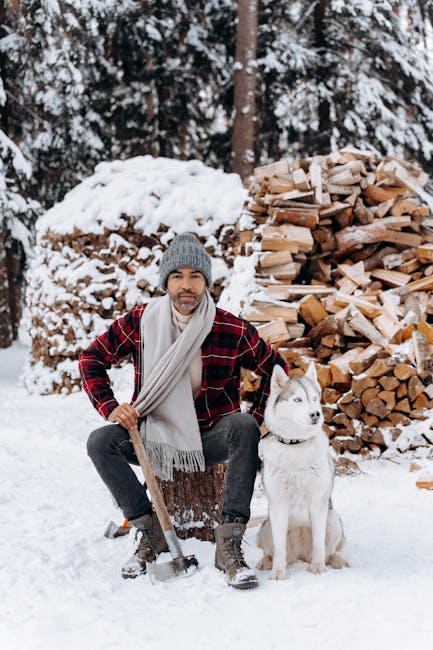
Dogs like the Siberian Husky and the Alaskan Malamute are built for the cold with their thick fur coats. These coats consist of two layers: a dense undercoat and a protective outer layer. The undercoat traps warm air close to the skin, while the outer layer repels moisture and shields against wind.
Imagine your dog’s coat as a natural insulator. It’s like them wearing a built-in winter jacket. However, not all dogs have the same type of fur, so it’s essential to know your breed’s specific needs.
Fat Layer Insulation
Did you know that some dogs have an added layer of fat beneath their skin? This fat acts as an extra barrier against the cold, keeping their body heat intact. Breeds like the Newfoundland and the Saint Bernard are known for this natural insulation.
Next time you see a chunky dog, consider that their chubbiness might be nature's way of keeping them warm. But remember, maintaining a healthy weight is crucial, as too much fat can lead to health issues.
Are you curious about how these adaptations came to be? Could it be that evolution has shaped these traits over countless generations? Understanding these adaptations not only helps us appreciate our furry friends more but also guides us in providing better care during winter.
While these adaptations are remarkable, it’s important to remember that not all dogs are equipped for extreme cold. Always pay attention to your dog's behavior and comfort level in chilly weather. After all, no one knows your pet better than you do.
Behavioral Strategies
Dogs adapt to cold weather using various behavioral strategies. They conserve energy by reducing activity and seek shelter to stay warm. Curling up tightly minimizes heat loss, while their thick fur provides essential insulation against the chill.
Dogs have developed fascinating behavioral strategies to survive in cold weather. These instinctual habits help them stay warm and safe, even when temperatures drop. Understanding these behaviors can enhance your appreciation for their resilience and adaptability.
Seeking Shelter
Dogs instinctively look for places to shield themselves from harsh winds and freezing temperatures. You might notice your dog burrowing into a pile of leaves or seeking refuge under a deck. These actions are not just random; they are survival tactics. Have you ever seen your dog nestling into a cozy spot? They are naturally drawn to areas that provide warmth and protection. Encourage this behavior by ensuring they have access to a sheltered space, like a doghouse or a warm, dry corner in your home.
Curling Up For Warmth
Another common behavior is curling up into a tight ball. This position helps them conserve body heat by reducing the surface area exposed to the cold. It's a simple yet effective way to retain warmth. Think about how you use a blanket on a chilly night. Dogs do something similar by tucking their paws and nose close to their bodies. This instinctive strategy not only keeps them warmer but also makes them feel secure. Do you provide a cozy bed for your dog? A soft, insulated bed can make a big difference in helping them maintain body heat. Consider adding a blanket or a bed with raised sides to simulate that curled-up protection they naturally seek. By observing these behaviors, you can gain insights into how your dog copes with cold weather. How do you ensure your dog stays warm during the colder months? Understanding their strategies can help you support them better and keep them comfortable all winter long.
Physiological Mechanisms
Dogs have remarkable adaptations for cold weather survival. Their bodies possess unique mechanisms. These mechanisms help them stay warm and active. Let's explore how they manage in freezing temperatures.
Shivering
Shivering is a dog's natural response to cold. It generates heat quickly. Muscles contract and relax rapidly. This creates warmth through friction. Shivering helps maintain a dog's body temperature. It's a temporary but effective mechanism.
Increased Metabolism
A dog's metabolism can increase in cold weather. This metabolic boost generates more heat. Dogs burn more calories to stay warm. Their bodies use energy reserves efficiently. This process helps them combat the chill. An increased metabolism is vital for their survival.
Breeds Built For Winter
Certain dog breeds have thick fur and body fat, helping them stay warm in cold weather. Their unique paws provide excellent grip on icy surfaces. Some breeds are even equipped with a double-layered coat, offering extra insulation against chilly temperatures.
When the temperature drops, some dogs are more than ready to embrace the chill. These breeds are not just surviving but thriving in winter conditions. Their physical traits and instincts make them experts in tackling the cold. Let's dive into how certain breeds are built to withstand harsh winter weather.
Huskies And Malamutes
Huskies and Malamutes are the quintessential cold-weather canines. Their dense double coats act like a built-in winter jacket, insulating them from freezing temperatures. Have you ever seen a Husky sprinting through snow with sheer joy? Their strong, athletic build is perfect for pulling sleds and navigating icy terrains. These breeds are also known for their high energy levels. They need regular exercise to stay healthy and happy. So if you're thinking of adopting one, prepare for lots of winter adventures. Their friendly nature and resilience make them excellent companions for active families.
Saint Bernards
Saint Bernards are famous for their role as rescue dogs in snowy mountains. Their thick, water-resistant coat keeps them warm, while their muscular build provides strength and stamina. Imagine having a furry friend who can not only cuddle but also help you out in emergencies. These gentle giants are surprisingly calm and good-natured. They tend to be more laid-back than Huskies, making them great for families who prefer a slower pace. However, their size means they need plenty of space to roam. Consider how much room you can offer them if you're thinking about bringing one home. Do you live in a cold climate and wonder if your dog can handle it? Understanding the specific needs and strengths of winter breeds can help you ensure your furry friend's comfort and happiness all year round.
Human Support For Dogs
During the cold months, dogs rely on humans for warmth and comfort. Understanding their needs helps them thrive in chilly weather. Owners can take practical steps to support their furry friends. Providing the right gear and nutrition makes a big difference.
Winter Clothing For Dogs
Dog coats and sweaters keep pets warm in frigid temperatures. These garments are designed to fit snugly, retaining body heat. Many pet stores offer a wide range of sizes and styles. It's crucial to choose clothing that allows freedom of movement. Boots can protect a dog's paws from ice and snow. They also prevent cuts from sharp objects hidden under snow. Always check the fit to avoid discomfort or restricted blood flow.
Dietary Adjustments
Cold weather increases a dog's energy needs. Providing more calories helps maintain their body temperature. Consider adding high-protein foods to their diet for extra energy. Some dogs benefit from additional healthy fats. They provide long-lasting warmth and energy. Always consult a veterinarian before making significant diet changes. Proper hydration is also essential. Ensure your dog has access to unfrozen, fresh water. This keeps them healthy and energetic.
Signs Of Cold Stress
Dogs show signs of cold stress such as shivering and reluctance to move. Lethargy and whining also indicate discomfort. These behaviors help owners recognize their need for warmth and protection.
Signs of cold stress in dogs are crucial to understand. Dogs are resilient creatures, but they can suffer in cold weather. Recognizing the signs helps protect their health. Cold stress occurs when dogs struggle to maintain normal body temperature. This can lead to discomfort or more severe health issues. Knowing these signs allows dog owners to provide timely care.
Behavioral Changes
Dogs may show unusual behaviors when cold. They might become lethargic or inactive. Some dogs will seek warm places, hiding under blankets or near heat sources. Whining or barking may indicate discomfort. Changes in sleep patterns can also be a sign. Watch for increased irritability or aggression. These behaviors often signal distress.
Physical Indicators
Physical signs are easier to spot. Shivering is a common response to cold stress. Check for cold ears or paws; they might feel icy to the touch. Dry or cracked skin can develop. Look for changes in breathing patterns. Rapid breathing might suggest stress. Check their coat; it may lose its normal shine. Reduced appetite is another indicator of cold stress.
Preventive Measures
When winter's chill begins to bite, keeping your furry friend safe and warm becomes a priority. Dogs, much like humans, need preventive measures to endure cold weather comfortably. By taking simple steps, you can ensure your dog stays healthy and happy, even when temperatures drop.
Monitoring Weather Conditions
Stay informed about the weather forecast. Knowing when a cold snap is on the horizon helps you prepare in advance. Consider using weather apps that alert you to sudden changes in temperature.
Pay attention to wind chill and humidity levels, as they can make the air feel much colder than the actual temperature. Remember, a sunny day doesn’t always mean warmth.
Think about your dog's breed and size. Smaller dogs or those with short fur might feel the cold more intensely than larger, furry breeds. Adjust their outdoor time accordingly.
Providing Adequate Shelter
A sturdy and insulated doghouse can be a lifesaver during cold months. Ensure it's elevated from the ground to prevent moisture from seeping in.
Keep the entrance protected from the wind, and consider adding a flap for extra warmth. Bedding should be thick and dry; straw works well as it provides insulation and comfort.
If possible, bring your dog indoors during extreme cold spells. Even a garage or porch can be a better alternative than outside. Consider how you would feel spending hours in the cold and provide similar comfort for your pet.
What steps do you take to keep your dog warm? Share your tips in the comments and let’s create a community of warm, happy pups this winter!
Frequently Asked Questions
How Do Dogs Stay Warm In The Cold?
Dogs have a double-layered coat that insulates them against cold temperatures. Their undercoat traps body heat, providing warmth. Additionally, dogs naturally seek shelter, curl up to conserve heat, and use fat reserves as energy. Some breeds also have paw pads adapted to icy surfaces.
Can All Dogs Handle Cold Weather?
Not all dogs can handle cold weather equally. Breeds like Huskies and Malamutes are well-suited for cold climates. Smaller or short-haired breeds may require additional protection, like sweaters or booties. Always monitor your dog for signs of discomfort or hypothermia during cold weather.
What Signs Show A Dog Is Too Cold?
Signs a dog is too cold include shivering, whining, anxious behavior, and seeking warmth. Additionally, they may lift their paws off the ground or burrow into blankets. If you notice these signs, it's crucial to bring your dog indoors and warm them up gradually.
Do Dogs Need Winter Clothing?
Winter clothing can be beneficial for dogs with short fur or low body fat. Sweaters and coats help retain body heat in cold conditions. Booties protect paws from ice, salt, and frostbite. However, not all dogs need clothing, especially if they have thick fur or are acclimated to the cold.
Conclusion
Dogs have amazing ways to stay warm in cold weather. Their thick coats act like blankets. They curl up to conserve heat. Moving keeps blood flowing. Finding shelter is crucial. Eating more helps fuel their bodies. Cold weather can be challenging, but dogs are resourceful.
Understanding their needs helps them thrive in winter. Owners should provide cozy beds and extra food. Keep walks short and monitor their comfort. Dogs are resilient, but they need our care. With love and attention, they endure the chill. Stay attentive to their signals.
Our furry friends rely on us to keep them safe.