Imagine stepping outside on a chilly winter morning, wrapped in layers to guard against the biting cold. You might wonder how animals like deer manage to survive in such harsh conditions without the luxuries of heated homes or cozy blankets.
How do these graceful creatures endure the icy winds and heavy snow? You might find yourself intrigued by the resilience of deer and their remarkable ability to adapt to winter's challenges. This article will reveal the secrets of their survival strategies, touching on how their instincts and natural adaptations keep them thriving through the coldest months.
By understanding these fascinating details, you'll gain a deeper appreciation for the wonders of wildlife and the incredible feats nature performs right outside your door. Curious to find out more? Keep reading to uncover the mysteries of how deer survive the cold weather.
Deer's Physical Adaptations
Deer have unique ways to handle the cold weather. Their bodies adapt to survive the harsh winter months. These adaptations ensure their survival and help them thrive. Let's explore the physical traits that allow deer to endure low temperatures.
Insulating Fur
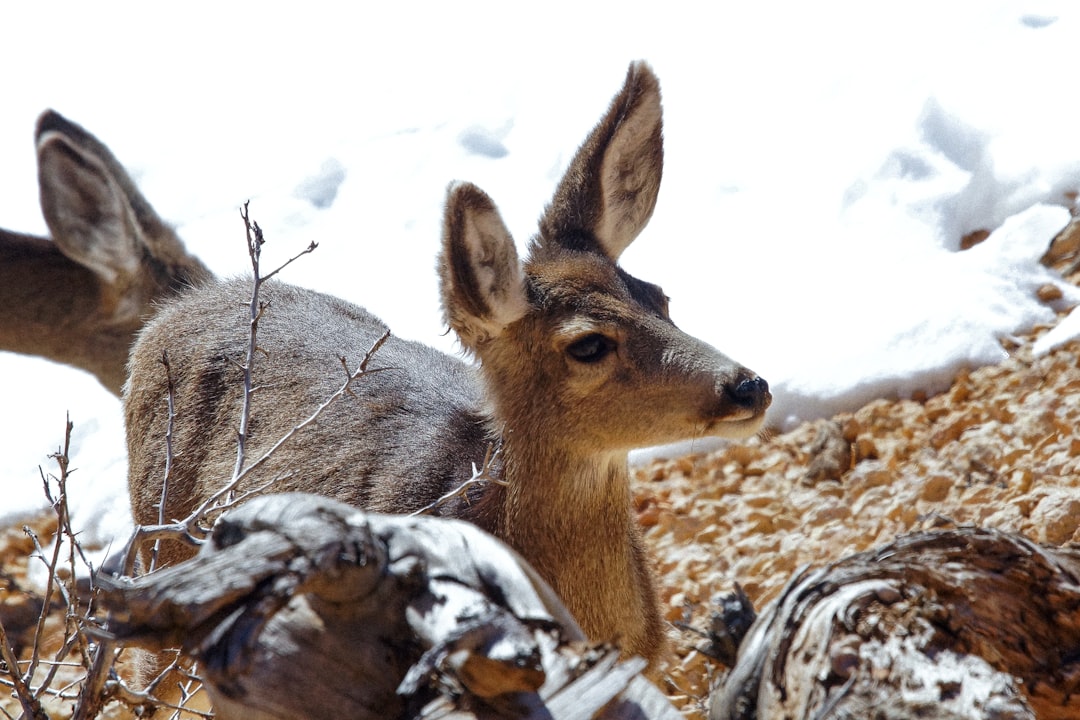
Deer's fur plays a vital role in keeping them warm. It consists of two layers. The outer layer is made of hollow guard hairs. These trap air, providing insulation. The inner layer is dense and soft, offering extra warmth. This combination protects deer from freezing temperatures.
Fat Reserves
In the fall, deer build up fat reserves. This stored energy is crucial during winter. Food is scarce, and the extra fat helps them survive. It acts as a buffer against the cold. The body burns this fat for heat and energy. This process keeps them alive during harsh weather.
Antler Growth
Antlers are more than just a weapon. They reflect a deer's health and strength. Antlers grow rapidly in spring and summer. This growth stops before winter. The energy then focuses on survival. The cycle repeats, ensuring the deer's survival and reproduction.
Behavioral Strategies
Deer are fascinating creatures. They have developed survival strategies for cold weather. These strategies are behavioral adaptations. Deer face harsh conditions. They must find ways to endure them. Let's explore their migration, foraging, and sheltering behaviors.
Migration Patterns
Deer migrate to survive winter. They move to areas with less snow. This helps them find food easily. Migration is not random. Deer follow specific routes. These paths are passed down generations. They seek valleys and lower elevations. These places have milder climates. Migration ensures their survival.
Foraging Habits
Deer change their foraging habits in winter. They eat different plants. Their diet becomes more varied. In summer, they prefer fresh greens. In winter, they eat shrubs and twigs. Deer must work harder for food. Snow covers the ground, making it difficult. They dig through snow to find buried plants.
Sheltering Techniques
Deer use nature for shelter. They seek dense forests. Trees provide wind protection. Forests offer warmth. Deer find thick bushes to hide. These spots shield them from cold. Sheltering is crucial for survival. Deer conserve energy by resting. Less movement keeps them warm.
Role Of Metabolism
Deer are remarkable creatures when it comes to surviving cold weather. Their ability to thrive in harsh conditions is largely due to their metabolism. Metabolism plays a crucial role in how deer manage energy, regulate body temperature, and ultimately survive through winter.
Energy Conservation
Deer have an efficient energy conservation strategy during winter. Their metabolism slows down, reducing the need for food. This helps them conserve energy and survive periods when food is scarce. Deer also rely on fat reserves built up during warmer months. These reserves provide essential energy during the coldest days.
Thermoregulation
Thermoregulation is vital for deer survival in cold weather. Deer have a unique ability to regulate their body temperature. Their metabolism adapts to maintain warmth despite freezing temperatures. A thick winter coat enhances their thermoregulation. It provides insulation, trapping heat close to the body.
Deer also have specialized blood vessels in their legs. These vessels reduce heat loss, keeping their core temperature stable. This adaptation allows them to remain active and forage even in snow-covered landscapes.
Environmental Influences
Deer can endure cold weather thanks to their thick fur and fat reserves. Their ability to find shelter and food is crucial. Adapting to harsh conditions, they conserve energy by limiting movement.
Understanding how deer survive cold weather involves examining various environmental influences. These factors shape their ability to endure harsh conditions and thrive in their natural habitats. Let’s delve into the specifics of how habitat selection and weather impact play crucial roles in their survival strategy.
Habitat Selection
Deer are strategic about where they live, especially during the colder months. They gravitate towards areas that provide shelter and food, like dense forests or areas with thick vegetation. These habitats offer protection from cold winds and predators. Deer often select locations that maximize their exposure to the sun during the day. Sunlit areas help them conserve body heat, which is crucial for surviving freezing temperatures. Have you ever noticed deer gathering in sunlit clearings? It’s a survival tactic to stay warm. Their choice of habitat also ensures access to food. Areas with plenty of shrubs and trees provide them with the necessary nutrition during winter when food is scarce. How often do you consider the strategic choices animals make to ensure their survival?
Weather Impact
Weather conditions significantly affect deer behavior and survival. Extreme cold can be challenging, but deer have adapted to withstand it. They have a thick winter coat that insulates them against the biting cold. However, severe weather events like blizzards can limit their movement and access to food. During such times, deer rely heavily on fat reserves accumulated during milder seasons. It’s fascinating how they prepare for these harsh conditions in advance. Deer also adjust their activity levels based on weather conditions. On particularly cold days, they minimize movement to conserve energy. Have you ever thought about how energy conservation is vital for survival in the animal kingdom? Understanding these environmental influences not only reveals the resilience of deer but also challenges us to appreciate the complexities of nature. How might these insights change your perspective on wildlife and their survival strategies?
Human Interaction
Human interaction plays a vital role in the survival of deer during cold weather. People impact deer habitats through conservation and urban development. Understanding these interactions helps us support deer populations effectively.
Conservation Efforts
Conservation efforts aim to protect deer and their habitats from threats. Wildlife reserves provide safe spaces for deer to thrive. These areas offer food and shelter, especially crucial during winter. Efforts also focus on restoring natural habitats. This ensures deer have ample resources to endure harsh conditions. Education programs teach communities about the importance of deer conservation. Informed individuals can support efforts through donations and volunteer work.
Impact Of Urbanization
Urbanization affects deer survival in various ways. Expanding cities reduce natural habitats, leaving deer vulnerable. Limited space makes it harder for deer to find food and shelter. Roads and infrastructure pose dangers, leading to deer-vehicle collisions. Noise and pollution disrupt deer’s natural behaviors. Urban areas attract deer seeking food, increasing human-deer interactions. People can help by creating deer-friendly spaces in their neighborhoods. Planting native plants and using wildlife-friendly fencing can help. This provides safe areas for deer to find food and shelter.
Frequently Asked Questions
How Do Deer Stay Warm In Cold Weather?
Deer survive cold weather by growing a thicker winter coat. Their fur traps heat and insulates them. They also build up body fat during autumn. This fat provides energy and warmth. Deer often seek shelter in dense forests or underbrush to avoid wind and snow.
Do Deer Migrate During Winter?
Some deer migrate to lower elevations for food and shelter during winter. Others stay within their home range. Migration depends on the species and location. Mule deer are known for seasonal migration. White-tailed deer typically do not migrate but adapt by finding sheltered areas.
What Do Deer Eat In Winter?
In winter, deer eat twigs, buds, and leaves from shrubs and trees. They also consume grasses, acorns, and nuts. Deer have adapted to digest woody plants. Food availability is crucial for their survival. They often forage in areas with less snow cover.
Are Deer Active In Winter?
Deer remain active during winter but reduce movement to conserve energy. They are most active at dawn and dusk. Their activity depends on food availability and weather conditions. Deer often rest in sheltered areas during heavy snow or extreme cold.
Conclusion
Deer are well-equipped for cold weather. Their thick fur keeps them warm. They find food buried under snow. Deer use instincts to survive harsh climates. Shelter is vital for their protection. Thick forests and brush offer safety. Cold months can be tough on deer.
Yet, they adapt and endure the chill. Nature equips them with necessary skills. Deer show resilience in icy conditions. Understanding their survival helps us appreciate wildlife. As we learn more, we can support their habitats. Deer continue to thrive, even in the coldest winters.
Their survival is a natural marvel.