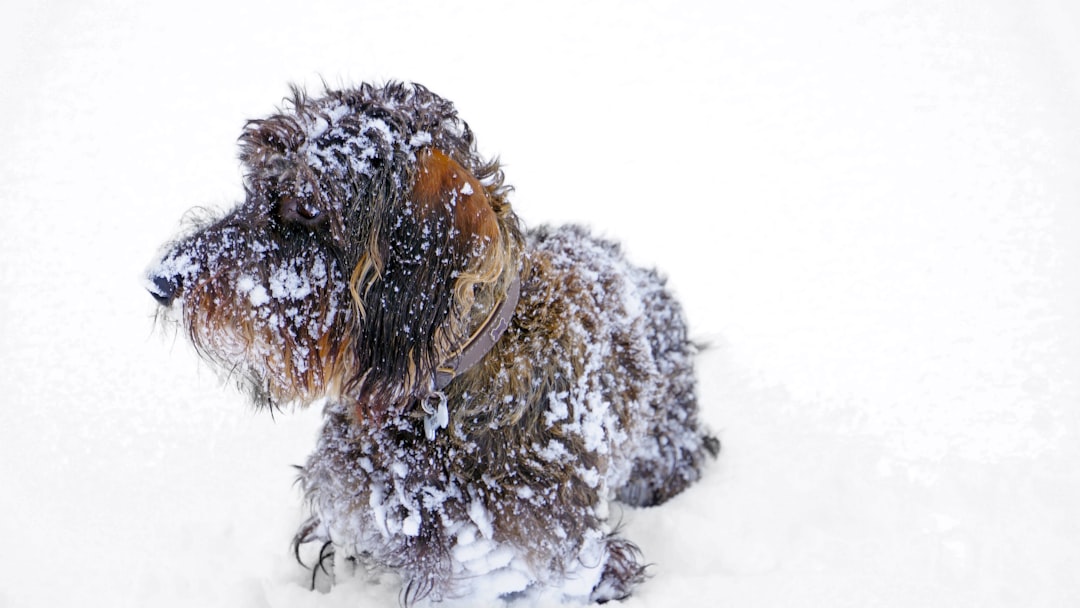
When winter arrives, you might find yourself wondering, "Can a small dog survive cold weather?" The thought of your furry friend shivering in the chill can be worrisome.
As a pet owner, you want to keep your little companion safe and comfortable, but the cold poses unique challenges. Imagine this: your small dog, with its delicate frame, facing the harsh winter winds. You might notice them hesitating at the door, their paws barely touching the icy ground.
It's a scenario that pulls at your heartstrings, urging you to learn more about how to protect them. You'll uncover essential tips and insights that will not only ease your worries but also equip you with the knowledge to ensure your small dog can thrive, even when temperatures drop. So, are you ready to become your pup's winter hero? Let's dive in and explore the ways to keep your little friend warm and happy all season long.
Understanding Cold Tolerance In Small Dogs
Understanding how small dogs tolerate cold weather is crucial for their well-being. While some small dogs seem to enjoy frosty conditions, others shiver at the thought of stepping outside. Knowing your dog's cold tolerance can help you make smart decisions about outdoor activities during winter.
Breeds With Higher Cold Tolerance
Some small dog breeds are naturally better equipped to handle cold weather. Breeds like the Dachshund, Miniature Schnauzer, and Shih Tzu have thicker coats that provide some insulation. This doesn't mean they're immune to the cold, but they might be more comfortable on chilly days.
In contrast, breeds like the Chihuahua and Italian Greyhound have thinner coats. They often need extra protection, like sweaters or jackets, to brave the cold. If your small dog shivers when the temperature drops, it might be time to invest in some warm gear.
Factors Affecting Cold Tolerance
Several factors influence how well your small dog can handle cold weather. Age plays a significant role; puppies and senior dogs usually have lower tolerance levels. They might need more frequent breaks from the cold.
Weight is another factor. A lean dog will feel the cold more than a dog with a bit of extra padding. If your dog is slim, consider limiting their time outside when it's cold.
Health also affects cold tolerance. Dogs with health issues might struggle more in cold conditions. Keep an eye on your dog's comfort and consult a vet if you're unsure about their cold tolerance.
Think about your dog's behavior. Do they eagerly dash outside or hesitate at the door? Their actions can be a clear indicator of their comfort level in cold weather.
Are you taking steps to ensure your furry friend is warm enough? A simple change in routine could make a big difference. Keep a watchful eye and make adjustments as needed.
Recognizing Signs Of Cold Stress
Small dogs face challenges in cold weather. Recognizing signs like shivering and lethargy is crucial. They need extra warmth and protection. Cozy blankets and dog sweaters can help keep them safe during chilly days. Always monitor their comfort to prevent cold stress.
Recognizing Signs of Cold Stress When the temperature drops, your small dog might struggle more than larger breeds. Their tiny bodies lose heat quickly, making them vulnerable in chilly weather. It's crucial for you to know the signs of cold stress, so you can act fast to keep your furry friend safe and comfortable.
Behavioral Indicators
Small dogs may show subtle changes in behavior when they're cold. You might notice your dog shivering or whining, trying to convey their discomfort. They could become less active, preferring to stay still or seek out warmth. Have you ever seen your dog pacing or looking for a cozy spot? This behavior might be a sign they're trying to escape the cold. Pay attention to these cues; they can be a plea for help.
Physical Symptoms
Cold stress can manifest physically in your small dog. Their ears and paws might become cold to the touch, indicating their body isn't retaining warmth well. You might observe a change in their breathing pattern. Rapid breathing could mean they're trying hard to generate heat. Another sign is dry skin or a dull coat. These symptoms reveal your dog's body is struggling to maintain its usual health. Why wait for a vet visit to find out your dog is cold? By knowing these signs, you can take immediate action to ensure your pet's well-being. Understanding these indicators can make all the difference in protecting your small dog during winter months. Are you prepared to spot these signs and keep your furry companion cozy?
Preparing Your Dog For Cold Weather
Small dogs can handle cold weather with proper care. Ensure warmth with cozy clothing and indoor shelter. Monitor for shivering or discomfort, as small breeds are more sensitive to low temperatures.
As winter approaches, many small dog owners wonder if their furry friends can handle the cold. Preparing your dog for cold weather is not just about keeping them cozy—it's about ensuring their safety and comfort during brisk walks and chilly days. Small dogs are particularly vulnerable to cold temperatures, but with the right preparation, they can enjoy winter just as much as any other season.
Choosing The Right Clothing
Selecting the right clothing for your dog is crucial. Small dogs lose body heat quickly, so a snug-fitting sweater or jacket is a must. Ensure the clothing is made of warm, breathable material to keep your dog comfortable. When shopping for dog clothes, consider the ease of putting them on and taking them off. Velcro straps or simple buttons can make dressing your dog much easier. It's also important to check if the clothing allows for easy movement, especially if your dog loves to run and play. Have you ever noticed how some dogs seem to dislike certain fabrics? Pay attention to your dog's reactions to different materials, as this can guide you in choosing the most suitable clothing for them.
Foot Protection Strategies
Protecting your dog's paws is just as important as keeping their body warm. The cold ground can be harsh on their sensitive paws, and ice melt chemicals can cause irritation. Dog boots are a great option to shield their feet from the cold and harmful substances. If your dog isn't a fan of boots, try paw balm to create a barrier against the cold and keep their paws moisturized. This simple trick can prevent cracking and discomfort. You might think boots are unnecessary, but imagine walking barefoot on icy pavements—that's what your dog feels! Consider trying different types of boots to see which ones your dog tolerates best. Some dogs need time to adjust, so patience is key. Preparing your small dog for cold weather isn't just about survival; it's about making sure they thrive. With the right clothing and foot protection, your dog can enjoy winter adventures without a shiver in sight. So, as the temperatures drop, are you ready to ensure your furry friend stays warm and happy?
Safe Outdoor Activities
Small dogs need extra care in cold weather. Their size makes them more sensitive to freezing temperatures. Warm clothing and limited exposure help ensure their safety outdoors.
When winter arrives, your small dog doesn't need to hibernate indoors. With the right precautions, they can enjoy safe outdoor activities even in cold weather. Protecting them from harsh conditions while ensuring they get their much-needed exercise is key. But what activities are both safe and enjoyable for your little furry friend during this chilly season? Let’s explore some ideas that can keep your pup active and happy.
Ideal Exercise Routines
Engage your small dog with short walks or gentle jogs around the neighborhood. Look for paths that are free from ice and snow to prevent slips and falls. If there's a park nearby, a quick game of fetch with a soft ball can keep them entertained. Consider using a dog sweater to keep them warm. A neighbor of mine swears by her dog's fleece jacket, claiming it makes her pup feel cozy and confident to tackle the cold. Remember, your dog's energy levels and breed can influence the choice of activities. What works for a Chihuahua might not be ideal for a Terrier.
Duration And Frequency
Limit your small dog's outdoor exposure to short bursts of activity. A 15 to 20-minute session is usually enough to tire them out without risking overexposure to the cold. If your dog seems keen, you can schedule two or three outings a day. Always monitor your dog for signs of discomfort. If they start lifting their paws or shivering, it's time to head indoors. My own pup loves a brisk 10-minute walk twice a day, and then he's ready for a warm cuddle by the fire. Balance is key. You want to ensure your dog gets enough exercise without pushing them too hard. Have you noticed how your dog reacts to the cold? By keeping these tips in mind, you can help your small dog thrive in cold weather, ensuring they stay active and healthy year-round.
Creating A Warm Indoor Environment
Small dogs often struggle in cold weather due to their size. Creating a cozy indoor environment helps them stay warm. Soft bedding, warm blankets, and gentle heating are essential for their comfort and safety.
Creating a warm indoor environment is essential for small dogs in cold weather. These tiny companions can struggle with low temperatures. Ensuring a cozy home can help them stay healthy and comfortable. Here are some effective ways to keep your furry friend warm indoors.
Effective Heating Solutions
Small dogs often need extra warmth during chilly months. Space heaters can be a good option. They provide direct heat to specific areas. Ensure the heater is safe for pets. Another option is a heated pet bed. These provide warmth directly where your dog sleeps. Make sure any heating source is pet-safe and stable.
Cozy Bedding Options
Comfortable bedding is crucial for your dog's warmth. Consider thick, padded beds for extra insulation. Choose materials like fleece or wool for added warmth. Don’t forget to layer blankets for extra comfort. Place the bed in a draft-free area. This keeps the cold air away from your dog. Also, consider raised beds to avoid cold floors.
Nutrition And Hydration In Cold Weather
As temperatures drop, small dogs face unique challenges. Their tiny bodies lose heat faster, making them vulnerable. Proper nutrition and hydration play a crucial role in their survival. A balanced diet and adequate water intake help them stay warm and healthy.
Dietary Adjustments
Cold weather increases a dog's energy needs. Small dogs burn more calories to stay warm. Consider adding more protein and fat to their diet. These nutrients provide the extra energy they need. Choose high-quality dog food with balanced nutrients. Avoid sudden changes in their diet to prevent digestive issues.
Ensuring Adequate Hydration
Even in cold weather, hydration is vital. Small dogs may drink less water in winter. Encourage them to drink by offering fresh water frequently. Warm water may be more appealing during colder months. Monitor their water intake closely to avoid dehydration. Dehydration can lead to severe health problems.
Emergency Preparedness For Extreme Cold
Small dogs often struggle in extreme cold weather. Their bodies lose heat fast. Proper preparation is crucial for their safety. Knowing emergency measures can help prevent serious issues. Always be ready to act quickly in freezing conditions.
Recognizing Hypothermia
Hypothermia in dogs occurs when their body temperature drops. Watch for shivering, weakness, and pale gums. Slow breathing or lethargy can also be signs. Early detection can save your dog's life. Regularly check your dog in cold weather.
First Aid Measures
Immediate action is vital for a hypothermic dog. Bring your dog indoors swiftly. Wrap them in warm blankets to raise their temperature. Use a hot water bottle wrapped in a towel. Avoid direct contact with the skin. Offer warm, not hot, drinks if they can swallow. Seek veterinary care as soon as possible.
Frequently Asked Questions
How Cold Is Too Cold For Small Dogs?
Small dogs can feel cold below 45°F. Temperatures under 32°F can be dangerous, especially for breeds with thin coats.
Can Small Dogs Wear Sweaters In Winter?
Yes, small dogs benefit from sweaters in winter. Sweaters provide warmth and protect against cold, especially for short-haired breeds.
How Do I Know My Dog Is Too Cold?
Signs of cold in dogs include shivering, lethargy, and whining. Ensure they have a warm place to rest.
Are Small Dogs More Sensitive To Cold Weather?
Small dogs are generally more sensitive to cold due to their size. They lose body heat faster than larger breeds.
Conclusion
Small dogs can handle cold with some care. Dress them warmly. Limit time outside. Watch for shivering or discomfort. Keep walks short in winter. Provide a cozy bed indoors. Warm blankets help too. Stay attentive to their needs. Adjust plans if needed.
With proper care, small dogs can enjoy winter. Always prioritize their comfort and safety. Your love keeps them warm and happy. Remember, every dog is unique. Observe their behavior in cold weather. Adapt routines to fit their needs. Their health and happiness are what matters most.