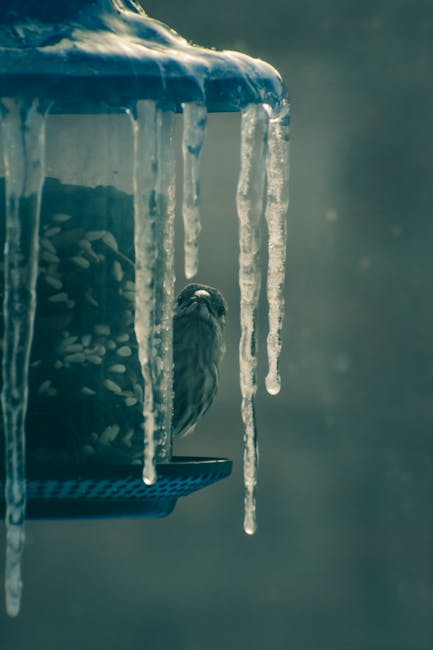
Have you ever watched a tiny bird perched on a snow-covered branch and wondered how it manages to survive the harsh winter cold? It's fascinating, isn't it?
As you sip your warm coffee, birds are battling the elements with strategies that would intrigue even the most curious minds. Imagine having the ability to thrive in freezing temperatures while wearing only feathers. How do they do it? You’re about to discover the incredible secrets that allow birds to endure the winter chill.
From clever behaviors to unique physical adaptations, this article will reveal how these feathered wonders navigate the icy challenges of the cold season. Prepare to be amazed by the resilience and ingenuity of nature's aviators, as you uncover the mysteries of their winter survival tactics. Stay with us; the revelation awaits!
Adaptations For Cold
Birds endure cold weather by fluffing their feathers to trap warm air. Some species migrate to warmer areas. Others huddle together for warmth, sharing body heat to survive.
In the chill of winter, birds face a daunting challenge. Yet, their survival strategies are nothing short of miraculous. Birds have evolved remarkable adaptations to endure cold weather. These adaptations ensure they remain warm and energetic, even in freezing temperatures. Let's explore how feather insulation, fat reserves, and behavioral changes aid in their survival.
Feather Insulation
Feathers are more than just for flight. They are vital for warmth. Birds fluff their feathers to trap air. This creates an insulating layer. It helps retain body heat. Down feathers, especially, offer excellent insulation. They are soft and trap warm air close to the body. This natural insulation is crucial in cold climates.
Fat Reserves
Fat acts as an energy store. Birds consume more food before winter. This helps build fat reserves. The fat provides energy when food is scarce. It also aids in insulating their bodies. A thicker layer of fat helps keep birds warm. During cold spells, birds rely heavily on these reserves.
Behavioral Changes
Birds modify their behavior in winter. They seek shelter from the wind. Roosting in groups is common. It helps conserve body heat. Birds also change their feeding patterns. They hunt for food during the warmest parts of the day. This ensures they expend less energy. Such behavioral changes are crucial for survival in cold weather.
Migration Strategies
Birds have incredible strategies to survive harsh winters. Migration is one of their key survival tactics. By moving to warmer regions, birds find food and better living conditions. This journey demands planning and precision. Let's explore how birds manage migration through different strategies.
Long-distance Travel
Some birds travel thousands of miles to escape the cold. These journeys can span continents and oceans. The Arctic Tern, for example, flies from the Arctic to Antarctica. Such flights require immense energy and stamina. Birds use wind currents to conserve energy. They also rest in safe areas along the way. This helps them refuel and continue their journey.
Seasonal Movements
Not all birds migrate long distances. Some make shorter, seasonal movements. These birds may move from mountains to valleys. This helps them find warmer habitats during winter. Seasonal movements offer flexibility and adaptability. Birds can quickly return to breeding grounds in spring. This ensures they are ready for the next season.
Body Heat Regulation
Birds survive cold weather by fluffing their feathers to trap warm air close to their bodies. They also huddle together for shared warmth and conserve energy by reducing activity during extreme cold.
Body heat regulation is a vital skill that enables birds to thrive in cold weather. Have you ever wondered how these tiny creatures manage to keep warm even when temperatures plunge? Birds have developed fascinating ways to maintain their body heat, ensuring they survive the harshest of winters. Let's dive into some of these ingenious adaptations.
Shivering Mechanism
Just like you might shiver to stay warm, birds use a similar strategy. Shivering is a muscle activity that generates heat, allowing birds to maintain their body temperature. This involuntary action can be a lifesaver during cold snaps. Consider the small chickadee. Despite its size, it can increase its metabolic rate through shivering. This helps it produce enough heat to survive freezing nights. Next time you see a bird fluffing up its feathers, it might be prepping for a shivering session.
Heat Exchange Systems
Birds have a unique heat exchange system in their legs known as the counter-current heat exchange. This system minimizes heat loss through the extremities, which are often in contact with cold surfaces. It works by transferring warmth from arterial blood to the cooler venous blood returning to the body. Take the example of waterfowl standing on ice. Their feet remain cold, but their core stays warm thanks to this system. It's a clever adaptation that ensures their survival in icy habitats. Have you ever thought about how something as simple as a bird's leg can be so advanced? Understanding these mechanisms gives us a glimpse into the resilience of birds. They remind us of nature's incredible ability to adapt and survive. Next time you see a bird in winter, appreciate the intricate systems at work keeping it alive. What other marvels might nature have in store that we are yet to discover?
Food Sources In Winter
Birds face unique challenges in winter. Cold weather limits their food sources. Yet, they have adapted incredible strategies to find nourishment. Their survival depends on finding food. Discover how birds adjust their diets and forage effectively during winter.
Foraging Techniques
Birds use clever foraging techniques to find winter food. They search under leaves and snow for hidden insects. Some species dig through snow to uncover seeds. Others rely on memory to find cached food. Chickadees, for instance, remember where they stored seeds. This helps them survive harsh conditions. These techniques ensure they get enough energy.
Dietary Adjustments
Dietary adjustments are crucial for winter survival. Birds shift their diets based on available food. Many birds eat more seeds and berries in winter. Insects become scarce, so they look for alternatives. Some birds even eat tree bark or sap. These dietary shifts help meet their nutritional needs. By adapting their diets, birds maintain their energy levels.
Shelter And Roosting
Birds have remarkable strategies to endure cold weather. Shelter and roosting play crucial roles. Birds find ways to protect themselves from harsh conditions. Their survival depends on seeking warm, safe places. This includes building nests and gathering in groups. Let's explore these fascinating behaviors.
Nest Construction
Nest construction is a vital survival tactic. Birds build nests using twigs, leaves, and feathers. These materials provide insulation against the cold. Nests are often located in sheltered areas. Trees, shrubs, and even human structures offer protection. Birds choose spots that shield them from wind and rain. The compact design helps retain warmth. Some birds even line nests with soft materials. This adds an extra layer of comfort. Nest construction ensures a safe resting place.
Communal Roosts
Communal roosts are another strategy birds use. Birds gather in large groups to share warmth. This behavior is common in many species. Roosting together reduces heat loss. Birds huddle closely, creating a warm microclimate. Communal roosts are often found in dense foliage. Trees and thickets provide cover from predators. Being in a group also offers safety in numbers. This collective approach enhances their survival chances. Roosting together strengthens their resilience against the cold.
Role Of Habitat
Birds thrive in cold weather by adapting their habitats. Dense feathers provide insulation against icy winds. Seeking shelter in tree cavities and bushes helps them escape harsh conditions.
Understanding how birds survive harsh winters is a fascinating journey into the role of habitat. Birds are often seen as nature's adventurers, braving the elements with grace. Their habitat plays a crucial role in their survival during cold weather.
Influence Of Landscape
The landscape around birds impacts their ability to find shelter and food. Dense forests provide a natural shield against biting winds and snow. The canopy offers a protective layer, letting birds find refuge in the branches below. In open fields, birds rely on hedges and bushes. These natural barriers block the wind and create a warmer environment. It's similar to how you might seek shelter behind a wall when the wind picks up. Have you ever noticed how birds gather in large flocks during winter? This behavior helps them conserve heat and find food more efficiently. The landscape influences how these flocks move and settle, making every tree and bush an important part of their winter strategy.
Microclimates
Microclimates are small areas with different weather conditions than the surrounding region. Birds are masters at finding these spots to escape the cold. South-facing slopes, for instance, receive more sunlight and are warmer. Ever seen birds sunbathing on a cold day? They're taking advantage of microclimates. By spreading their wings in the sun, they absorb heat and elevate their body temperature. Your backyard could host a microclimate too. Planting evergreen trees or creating a sheltered corner can provide birds with a cozy spot. Consider how small changes in your garden might help birds during the cold months. Thinking about how these tiny creatures adapt to their surroundings is inspiring. Birds teach us the importance of using what's available to thrive in any situation. How will you adjust your environment to help local wildlife this winter?
Impact Of Climate Change
Birds adapt to cold weather through unique strategies. Fluffing feathers creates insulating layers to trap heat. Migratory species fly to warmer regions, while others grow extra feathers for warmth. Some birds shiver to generate body heat, ensuring survival during harsh winters.
Impact of Climate Change Climate change is more than just a buzzword; it's a reality affecting all creatures, including birds. The warming temperatures and changing weather patterns have a profound impact on how birds survive cold weather. Many of these changes challenge their traditional survival strategies and force them to adapt in unexpected ways. One winter, I noticed the sparrows in my backyard seemed confused. They were arriving earlier and staying longer. This made me wonder: how is climate change affecting their migration patterns?
Altered Migration Patterns
Birds traditionally migrate to escape the harsh conditions of winter. However, climate change is altering these migration patterns. Some birds are now staying in areas that were previously too cold, while others are moving to new regions altogether. This shift can lead to overcrowding in certain areas, creating competition for food and nesting sites. It can also expose birds to predators they aren't adapted to face. Have you noticed any new bird species in your area during winter?
Adaptation Challenges
Birds have incredible survival instincts, but climate change is pushing them to their limits. Adapting to new weather patterns means developing new strategies for finding food and shelter. For example, some birds are changing their diets to include more available winter foods. Others are evolving physically to withstand colder temperatures. But how many species can adapt quickly enough to survive these rapid changes? These adaptation challenges raise questions about the future of many bird species. What can we do to help them thrive in an ever-changing world? Your actions, no matter how small, can make a difference. Consider planting native trees or setting up bird feeders to support local bird populations.
Frequently Asked Questions
How Do Birds Stay Warm In Winter?
Birds stay warm by fluffing up their feathers, creating insulation. They also shiver to generate heat and huddle together for warmth. Some species grow extra feathers during colder months. Birds also choose sheltered roosting spots, such as dense trees or man-made structures, to shield themselves from harsh winds.
What Do Birds Eat During Cold Weather?
In cold weather, birds eat high-energy foods like seeds, nuts, and suet. These foods provide the necessary calories to maintain body heat. Many birds also rely on stored fat reserves. Some species even cache food during warmer months to ensure a steady supply during winter.
Do Birds Migrate To Survive The Cold?
Many birds migrate to warmer regions to escape the cold. Migration helps them find abundant food sources and favorable climates. However, some species adapt to cold weather by developing survival strategies. These include changing diets, growing thicker feathers, or entering torpor to conserve energy.
How Do Birds Find Water In Winter?
Birds find water by seeking out unfrozen streams, rivers, or natural springs. Some birds eat snow to hydrate, but this isn't efficient. Bird baths with heaters can provide a reliable water source. Birds also take advantage of melting ice and snow to meet their hydration needs.
Conclusion
Birds have remarkable ways to endure winter's chill. Their feathers act like warm coats, keeping them cozy. Some birds eat more to store energy. Others huddle together for warmth. Migration helps many escape harsh conditions. These adaptations ensure survival in cold climates.
Nature equips birds with unique skills. They thrive despite freezing temperatures. Observing their resilience inspires awe. Birds show us the power of adaptation. Watching them survive is a true wonder. Their strategies are lessons in endurance. Despite challenges, birds flourish in winter.
Nature's wisdom shines through their survival. The cycle continues, season after season.