Can Birds Survive in Cold Weather?
Have you ever wondered how birds manage to survive when the temperature drops and the world outside turns into a winter wonderland? If you find yourself wrapped up in layers, sipping hot cocoa, and gazing out the window at the frosty landscape, you might be curious about how these feathered creatures cope with the cold.
You’re not alone. Many people ponder this mystery as they watch birds flitting about, seemingly unaffected by icy winds and snow. Could it be that birds have special adaptations that allow them to thrive even in the harshest weather conditions?
Or perhaps they possess secret survival strategies that you can learn about and marvel at. Get ready to uncover the fascinating ways birds navigate the chilly months, and discover why understanding their resilience might just change the way you see the world around you. Whether you're a bird enthusiast or simply intrigued by nature's wonders, this exploration into avian survival in cold weather promises to captivate your curiosity.
Birds' Unique Adaptations
Birds are remarkable creatures. They thrive in various environments, including cold weather. Their unique adaptations ensure survival in icy conditions. These adaptations are key to maintaining warmth and energy. Let's explore how birds manage to stay alive in the cold.
Feather Insulation
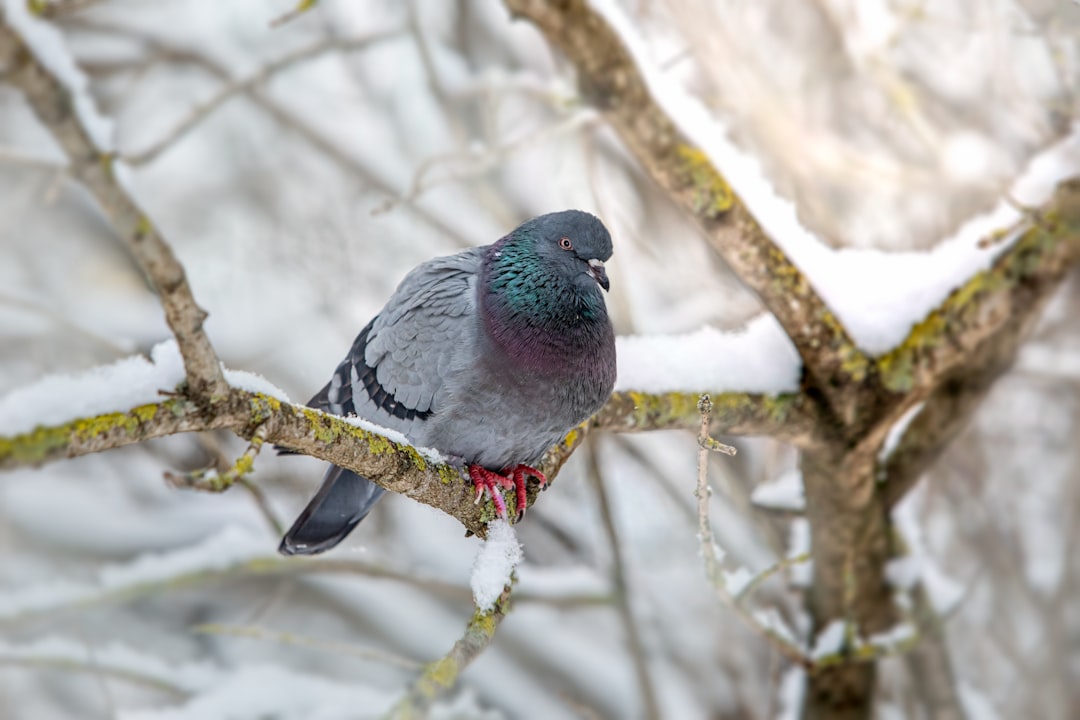
Feathers provide excellent insulation. They trap air close to the bird's body. This trapped air forms a warm layer. It acts like a natural blanket. Birds fluff their feathers to increase this insulating effect. Down feathers, found under the main feathers, are especially effective. They are soft and trap more air. This keeps birds warm even in freezing temperatures.
Metabolic Adjustments
Birds adjust their metabolism in cold weather. Their bodies burn more energy to produce heat. This increased metabolism helps maintain body temperature. Birds eat more food to fuel this energy demand. They often store fat reserves to use as energy. This stored fat acts as a backup. It provides energy during food shortages.
Behavioral Changes
Behavioral changes help birds survive the cold. Many birds migrate to warmer regions. Those that stay adapt their behaviors. They seek shelter in dense foliage or tree cavities. Some roost together to share body heat. Birds reduce activity to conserve energy. They also bask in the sun to absorb warmth. These behaviors minimize energy loss and maximize heat retention.
Migration Patterns
Birds have evolved fascinating migration patterns to survive cold weather. These patterns ensure they reach warmer climates during harsh winters. Understanding these movements can help us appreciate their adaptability. Let's explore the diverse migration strategies birds employ.
Seasonal Movements
Many birds migrate seasonally to escape the cold. They travel vast distances to find food and milder temperatures. Some species fly thousands of miles. Their journey is often guided by instinct and environmental cues. This seasonal migration is crucial for survival.
Long-distance Travelers
Some birds are known for their incredible long-distance travel. Species like the Arctic Tern cover enormous distances. They can fly from the Arctic to the Antarctic. These journeys require immense stamina and resilience. Long-distance travelers often follow established migratory routes.
Partial Migrants
Not all birds migrate fully; some are partial migrants. Partial migrants move shorter distances during colder months. They may shift to lower altitudes or nearby regions. This strategy helps them find food without extensive travel. Partial migration allows flexibility and adaptation to changing conditions.
Food Sources In Winter
Birds face challenges in winter, relying on berries, seeds, and insects for survival. Many species adapt by migrating to warmer areas. Those staying often fluff feathers for insulation, seeking shelter in trees or shrubs.
Winter poses a unique challenge for birds. As temperatures drop, food sources become scarce. Birds must adapt to survive. Understanding how birds find food in winter is fascinating. They employ various strategies to ensure their survival.
Foraging Techniques
Birds are resourceful in their search for food. Many use keen eyesight to spot food from a distance. Some birds dig through snow to find hidden seeds. Woodpeckers tap trees to uncover insects. Others fly in flocks, sharing information about food locations. These techniques increase their chances of finding meals.
Dietary Changes
Winter alters birds' diets significantly. Some birds rely more on seeds and nuts. They store food in crevices or under leaves. Others shift to eating berries or small fruits. Insects are scarce, forcing dietary shifts. Waterfowl may dive deeper for aquatic plants. Adjusting their diet helps birds stay nourished in cold months.
Role Of Bird Feeders
Bird feeders play a crucial role in winter. They provide a steady food source. Many birds visit feeders daily for seeds or suet. Feeders help birds conserve energy. They reduce the need to search for food constantly. Backyard birdwatchers contribute to birds' survival. Keeping feeders stocked benefits local bird populations greatly.
Shelter And Roosting
Birds face challenges in cold weather. Finding shelter is vital for survival. Shelter provides warmth and protection from harsh winds. Roosting spots help birds conserve energy and stay safe. Birds use various habitats for shelter. Some find refuge in natural settings, while others use man-made structures. Communal roosting offers additional warmth and security.
Natural Habitats
Many birds seek shelter in natural habitats. Dense forests offer protection from cold winds. Thick vegetation provides insulation and warmth. Birds also find shelter in tree cavities. These natural spaces provide a cozy refuge. Shrubs and bushes offer cover from predators. Rocks and crevices serve as hiding spots too.
Man-made Structures
Birds often use man-made structures for shelter. Buildings provide warmth and safety from weather. Bridges and barns offer high roosting spots. Birds find shelter under eaves and overhangs. Nest boxes can serve as protective homes. Chimneys and attics also attract roosting birds.
Communal Roosting
Communal roosting is common among birds in winter. Birds huddle together for warmth and safety. This behavior helps conserve body heat. Flocks of birds share the same roosting site. Communal roosting reduces the risk of predators. It strengthens social bonds among flock members.
Impact Of Climate Change
Climate change is reshaping the world around us, impacting even the most resilient creatures like birds. You might wonder how these feathery friends handle the cold. The truth is, climate change is complicating their survival strategies, making it harder for birds to adapt to chilly conditions. Let's dive into some of the specific challenges they face.
Changing Migration Patterns
Birds have always migrated in search of milder climates and abundant resources. However, climate change is shifting these patterns. For instance, warmer temperatures in northern regions might tempt some species to delay their migration, leaving them vulnerable to unexpected cold snaps. Have you noticed birds lingering longer in your area during fall or arriving earlier in spring? These changes can disrupt ecosystems and put pressure on bird populations.
Altered Food Availability
Food sources for birds are changing due to climate shifts. Insects, seeds, and berries may not be available when birds expect them. A late frost can decimate a budding crop, leaving birds with empty bellies. How do these creatures cope? They might venture further or adapt their diets, but not all species can adjust quickly enough. This can lead to malnutrition and weaker offspring.
Effects On Reproduction
Rising temperatures can also impact bird reproduction. Some species rely on specific temperature cues to start nesting. If these signals shift, it can lead to mismatched timing between hatching and food availability. Have you ever seen a nest with chicks struggling to find food? This mismatch can decrease the survival rate of young birds, affecting overall population growth.
Climate change poses significant challenges to birds, especially during cold weather. You can make a difference by supporting local conservation efforts and advocating for policies that address climate change. Are you ready to help protect our feathered friends for future generations?
Role Of Human Intervention
Human help is crucial for birds in cold weather. Providing food, water, and shelter boosts their survival chances. Simple actions like filling bird feeders and creating warm spots make a big difference.
The role of human intervention in helping birds survive in cold weather is crucial. As temperatures drop, many birds face challenges in finding food and shelter. Your actions can make a significant difference in their survival and well-being. Can you imagine a world without the chirping of birds? This is where your involvement becomes vital. Here are some ways humans can aid our feathered friends during the chilly months:
Conservation Efforts
Conservation efforts play a key role in supporting bird populations during cold weather. By protecting habitats and preserving natural resources, you help ensure birds have safe places to thrive. Consider supporting local wildlife organizations or participating in habitat restoration projects. Governments and non-profits often collaborate to create bird sanctuaries. These protected areas offer safe havens where birds can find food and shelter. You can advocate for these initiatives by writing to your local representatives or joining conservation groups.
Providing Food And Shelter
Providing food and shelter is a direct way to assist birds during harsh winters. Setting up bird feeders in your garden can offer much-needed sustenance. Choose high-energy foods like seeds, suet, and nuts to keep birds nourished. Building or purchasing birdhouses offers shelter from the cold. Place them in sheltered locations to protect birds from wind and predators. Remember, a simple act like this can be life-saving for birds in your area.
Educating The Public
Educating the public is essential for long-term bird survival. Share your knowledge about supporting birds in winter with family and friends. Hosting workshops or talks can raise awareness and inspire others to take action. Social media is a powerful tool. Use it to spread information about the importance of helping birds during cold weather. Your efforts can create a ripple effect, encouraging more people to contribute to this cause. Have you ever thought about the impact you can make on bird survival during winter? By taking small yet impactful actions, you can ensure that our skies remain vibrant with the songs of birds even in the coldest months.
Frequently Asked Questions
How Do Birds Stay Warm In Winter?
Birds stay warm by fluffing their feathers, which traps heat. They also roost together to share body warmth. Some birds enter torpor, a hibernation-like state, to conserve energy. Migration to warmer areas is another survival strategy for many bird species during winter.
Can Birds Freeze To Death?
Birds can freeze to death if temperatures drop drastically. Extreme cold affects their ability to find food and maintain body heat. However, birds are adapted to survive cold weather with various strategies, but prolonged freezing conditions can be lethal.
Do Birds Migrate In Winter?
Many birds migrate in winter to find food and warmer climates. Migration is a survival strategy allowing them to escape harsh conditions. Some species travel thousands of miles, while others move shorter distances to better environments.
What Do Birds Eat In Cold Weather?
In cold weather, birds eat high-energy foods like seeds, berries, and insects. They rely on fat reserves and foraging skills to sustain themselves. Some species also visit feeders for suet and sunflower seeds provided by humans.
Conclusion
Birds face challenges in cold weather. They adapt to survive. Feathers provide essential insulation. Some birds migrate to warmer areas. Others stay and find food. Birds fluff up to trap heat. They seek shelter in trees or buildings. Food is crucial for energy.
They forage for seeds and insects. Water sources may freeze, limiting access. Birds need liquid water to drink. With these adaptations, many birds endure winter. Survival depends on resources and resilience. We can help by providing food and water. Bird feeders and heated baths support them.
Birds inspire us with their endurance. They remind us of nature's wonders.