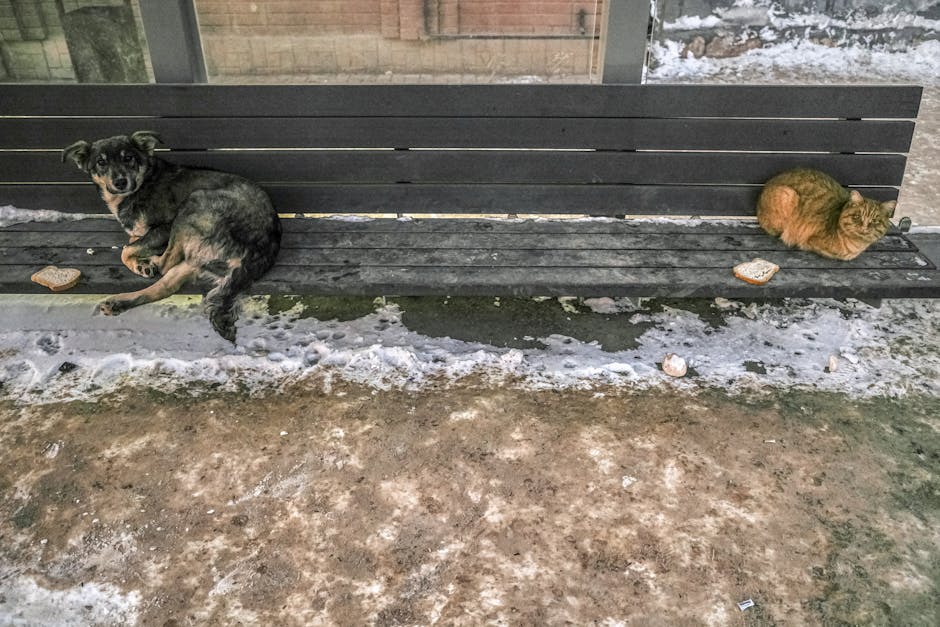
Imagine you're out in the cold, shivering and searching for warmth. Now picture a stray cat facing the same biting chill.
As someone who cares about animals, you might wonder how these resilient creatures manage to survive harsh winter conditions. Do stray cats have the instincts and resources needed to endure freezing temperatures? How do they find shelter and food when the world turns icy?
This article will uncover the secrets of stray cats' survival in cold weather. You'll discover practical ways you can help them, ensuring they're safe and sound during the coldest months. Stay with us, and learn how your small actions can make a big difference in the lives of these vulnerable animals.
Stray Cats And Cold Weather Challenges
Stray cats face many hardships during cold weather. Freezing temperatures pose serious threats. They lack the warmth of a home. Their struggle to find food intensifies. Shelter becomes a rare commodity. These challenges test their survival skills. Understanding these difficulties can help us help them.
Common Risks In Winter
Frostbite is a significant risk for stray cats. Their ears and paws are vulnerable. Prolonged exposure leads to severe injuries. Hypothermia can occur quickly without shelter. This condition is life-threatening. Access to food becomes difficult in snow-covered areas. Starvation is a real danger. Snow and ice block water sources. Cats may suffer from dehydration.
Behavioral Changes In Cold
Stray cats alter their behavior in cold weather. They seek warm places to hide. Cars and sheds become makeshift shelters. Cats conserve energy by moving less. Their hunting patterns change. Food scarcity makes them more daring. They may approach human homes for scraps. Vocalizations may increase as they seek help.
Physical Adaptations Of Stray Cats
Stray cats endure cold weather thanks to their thick fur and instinctive behaviors. They seek shelter and conserve energy to survive harsh conditions. These adaptations help them withstand winter's chill.
Stray cats often face the harshness of cold weather, and their ability to survive can be quite remarkable. While many people might feel a pang of sadness seeing a stray cat in winter, it's important to understand the physical adaptations that help these resilient creatures endure the chill. Each adaptation plays a crucial role in their survival, and understanding them can also help you support stray cats in your neighborhood more effectively.
Fur And Body Fat
A stray cat's fur is more than just a pretty coat; it's a vital defense against the cold. Their fur is often thicker in winter, providing insulation by trapping heat close to their bodies. Some stray cats develop a denser undercoat, which is like having a built-in thermal blanket. Body fat is another important aspect. Cats tend to eat more before winter, building up fat reserves. This extra layer of fat acts as insulation and an energy source during lean times. Have you noticed stray cats appearing rounder as winter approaches? This is a survival tactic, not just a sign of overfeeding.
Finding Shelter
Finding a safe place to escape the cold is essential for stray cats. They have an uncanny ability to locate and squeeze into tight spaces that offer protection from the elements. Often, they find refuge under porches, in abandoned buildings, or even in warm car engines. While you might think these spots are uncomfortable, they provide crucial warmth and safety. Offering a simple shelter, like a cardboard box lined with straw, can make a huge difference in a stray cat's life. Have you ever considered setting up a small shelter for the strays in your area? Stray cats are resourceful and resilient, but they can always use a helping hand. Understanding their physical adaptations not only deepens your appreciation for these animals but also empowers you to take actions that can support their well-being during the colder months. How can you make a stray cat's winter a little warmer this year?
Strategies For Survival
Stray cats face tough challenges in cold weather. They have developed ways to survive. Their natural instincts guide them to find food and warmth. Let's explore how these resilient animals endure the harsh conditions of winter.
Hunting And Scavenging
Stray cats are skilled hunters. They catch small animals like mice and birds. This provides them with essential nutrients. In cities, they scavenge for food. Leftovers and scraps are valuable. Trash bins often serve as a feeding ground. Adaptability is key. They know where to find food when it's scarce. Hunting and scavenging keep them nourished during cold months.
Social Group Dynamics
Stray cats often form groups. These groups provide warmth and protection. Together, they huddle in sheltered spots. This helps them conserve body heat. Social bonds also offer safety. Larger groups can deter predators. Group dynamics aid in finding food too. They share information about food sources. Collaboration enhances their survival chances in winter.
Creating Safe Environments For Strays
Stray cats struggle to survive in cold weather, facing harsh conditions without proper shelter. Providing safe environments, like insulated shelters, can help them endure freezing temperatures. Simple steps can make a big difference in their survival.
Creating safe environments for stray cats during cold weather is crucial for their survival. As temperatures drop, these resilient creatures face harsh conditions that can threaten their well-being. By taking simple steps, you can make a significant difference in their lives. Let’s dive into practical ways you can help stray cats stay warm and safe.
Building Shelters
Constructing a simple shelter can provide stray cats with a much-needed refuge from the cold. Use materials like plastic bins, foam coolers, or even cardboard boxes. Add straw for insulation and cut a small entrance to keep the wind out. Think about how a warm, dry place can be a lifesaver for a cat during a snowstorm. A friend once transformed an old storage bin into a cozy shelter, and within days, it became a popular spot for neighborhood strays. Is there a corner in your yard where you could create such a sanctuary? Your small effort can be a beacon of hope for these animals.
Providing Food And Water
In winter, food and water sources become scarce for stray cats. You can help by placing bowls of dry cat food and fresh water outside. Make sure the water doesn’t freeze by using a heated bowl or changing it frequently. A few years ago, I noticed a stray cat lingering near our garage. I started leaving out food, and soon a small community of cats began to visit. Regular feeding ensures they have the energy to keep warm. Wouldn't it be rewarding to know your act of kindness is keeping these cats healthier and safer? Consider setting a daily routine for feeding. Ensuring stray cats have access to both food and a warm shelter can make a world of difference in their survival during harsh weather. By taking action, you’re not just helping them survive; you’re also showing compassion and care. What step will you take today to support these vulnerable animals?
Community Involvement
Community involvement plays a vital role in helping stray cats survive cold weather. People coming together can make a difference. They provide warmth and safety for these vulnerable animals. Simple acts can save lives. From volunteering to working with local organizations, everyone can contribute. Let's explore how you can get involved in your community.
Volunteering And Advocacy
Volunteering is a great way to help stray cats. Many shelters seek extra hands during winter. Volunteers can help build shelters. They can also distribute food and blankets. Engaging in advocacy raises awareness. You can educate others about the plight of stray cats. This can lead to more community support. Speaking up for these animals is crucial. It brings attention to their needs. Every voice counts in this effort.
Working With Local Organizations
Local organizations often run programs for stray cats. Partnering with them can amplify your impact. These groups have resources and expertise. They coordinate efforts to protect stray cats from cold weather. Joining them can provide training and guidance. You can help organize events or fundraisers. These activities can gather necessary supplies. Working together strengthens community bonds. It ensures stray cats receive the care they need.
Health Concerns In Cold Weather
Winter poses significant challenges for stray cats. Cold weather increases health risks. These animals face many threats, from chilling temperatures to scarce food. Understanding these threats helps in taking steps to protect them. Knowing what they endure during cold months is crucial.
Frostbite And Hypothermia
Frostbite is a common risk for stray cats in winter. It affects ears, paws, and tails most. These body parts have less fur protection. Cold damages tissues, leading to pain and infection. Hypothermia is equally dangerous. It occurs when a cat's body temperature drops too low. Symptoms include shivering and lethargy. Hypothermia can be life-threatening if not treated.
Common Illnesses
Winter brings more than just frostbite and hypothermia. Stray cats are susceptible to common illnesses. Respiratory infections spread easily in cold weather. Cats can catch colds or even pneumonia. These conditions worsen without veterinary care. A weakened immune system makes recovery hard. Providing shelter and food can help mitigate these risks.
Long-term Solutions
Stray cats face tough challenges during cold weather. Long-term solutions can help these vulnerable animals survive. Communities can play a role in ensuring stray cats are safe and healthy. Two effective strategies are spaying and neutering, and adoption programs.
Spaying And Neutering
Spaying and neutering can control the stray cat population. This process prevents unwanted litters and reduces the number of cats struggling in cold weather. Animal shelters often offer low-cost services. Volunteers can support efforts by educating the public. These initiatives ensure fewer cats face harsh conditions each winter.
Adoption Programs
Adoption programs provide permanent homes for stray cats. These programs match cats with loving families. People can give a stray cat a chance at a warm, safe life. Shelters organize events to raise awareness. Adopting a cat reduces the number living on streets. It creates a happier and healthier environment for both cats and humans.
Frequently Asked Questions
How Do Stray Cats Keep Warm In Winter?
Stray cats seek shelter in warm places like garages or under porches. They huddle together to share body warmth. Their thick fur also provides insulation against the cold. Providing outdoor shelters can help them survive harsh weather conditions.
What Do Stray Cats Eat In Cold Weather?
Stray cats consume food that's rich in calories to maintain body heat. They often hunt small rodents or birds. People can help by offering high-calorie cat food and ensuring fresh water. Proper nutrition is vital for their survival during winter.
Can Stray Cats Freeze To Death?
Yes, stray cats are vulnerable to extreme cold and can suffer from hypothermia. Without adequate shelter, their chances of survival decrease. Providing insulated shelters and regular feeding can prevent this risk. It's crucial to take steps to protect them during freezing temperatures.
How Can I Help Stray Cats In Winter?
You can help by building insulated shelters and providing food and water. Ensure their shelters are dry and windproof. Supporting local animal shelters and advocating for stray cat care are also beneficial. Taking these actions can significantly improve their chances of survival.
Conclusion
Stray cats face many challenges in cold weather. Survival becomes tough. They need warmth, food, and shelter. Communities can help by creating safe spaces. Stray cats benefit from cozy shelters and regular feeding. These efforts can save lives. Cold nights are harsh.
Stray cats endure, but they suffer. Awareness and kindness make a difference. People can donate or volunteer. Every action counts. Stray cats deserve care and compassion. Together, we can support them. Simple steps offer warmth and hope. Let's protect and help stray cats survive cold weather.
They need us.