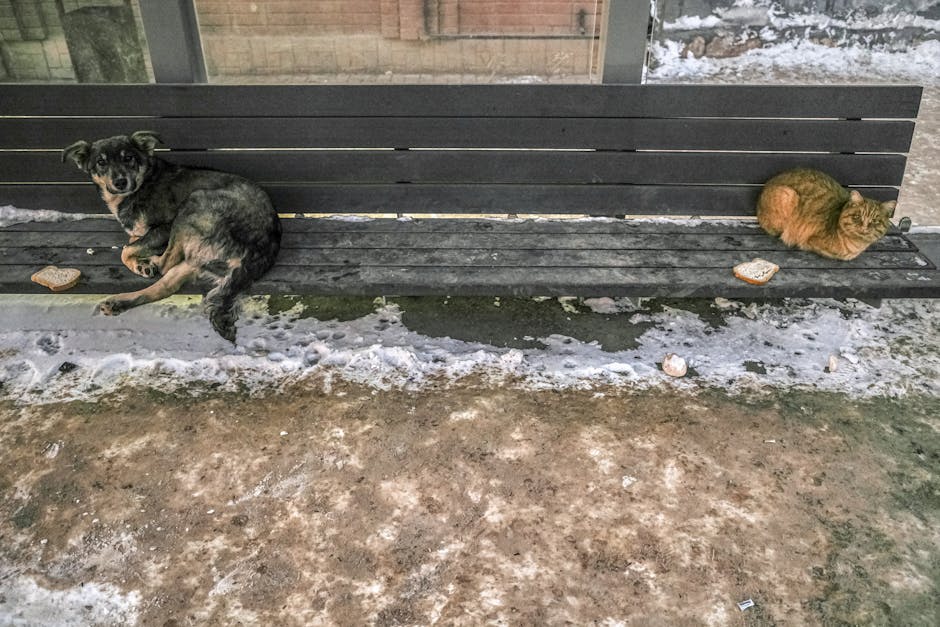
Imagine stepping out into a chilly winter night. The cold nips at your skin, and you quickly pull your coat tighter around you.
Now, think about stray cats, alone and without shelter, facing these freezing conditions night after night. It’s a stark reality that might tug at your heartstrings, and it raises a pressing question: how do they manage to survive? You’ll uncover the surprising tactics stray cats use to endure the cold.
You’ll learn about their unique survival instincts and the unexpected places they find warmth. This isn’t just about understanding their plight; it’s about discovering small ways you might help these resilient creatures. Get ready to dive into a world of survival, compassion, and perhaps even a call to action that could make a real difference.
Adaptations For Cold Weather
Stray cats face harsh winter nights, yet they survive. How? They have evolved unique adaptations for cold weather. These adaptations ensure they stay warm and safe in freezing temperatures.
Fur Density And Insulation
Stray cats boast dense fur. This thick coat acts as insulation. It traps heat close to their bodies. As temperatures drop, their fur fluffs up. This creates an extra layer of warmth. Their skin also produces natural oils. These oils enhance the fur's waterproof ability. This keeps them dry during rain or snow.
Behavioral Adjustments
Stray cats change their behavior in cold weather. They seek shelter in warm, hidden places. Abandoned buildings and garages offer refuge. Cats curl up tightly to conserve heat. This reduces heat loss. They also huddle together with other cats. Sharing warmth is a survival tactic. Stray cats are mainly active at night. But they adjust their activity pattern. When it's very cold, they stay still during peak cold hours.
Finding Shelter
Stray cats find warmth by seeking shelter under porches or inside abandoned buildings. Their thick fur helps insulate against cold. Curling tightly, they conserve body heat through the night.
Finding shelter is crucial for stray cats during cold nights. Without a warm place to retreat, they face harsh weather conditions that can be life-threatening. But how do these resilient creatures find the necessary refuge?
Urban Environments
In cities, stray cats often seek out the hidden nooks and crannies that urban landscapes offer. They might tuck themselves into the small spaces between buildings or beneath parked cars. These spots provide not only warmth but also protection from the elements. Sometimes, cats find refuge in the basements of apartment complexes or under the staircases. If you've ever noticed a cat peeking out from under your porch, you know how clever they can be at finding these spots. Is there a spot near your home that a stray cat might find inviting?
Natural Habitats
In more rural or suburban areas, stray cats often turn to nature for shelter. Dense bushes and thickets can provide excellent cover. These natural shelters are insulated and keep out the wind, making them ideal for staying warm. Cats might also find safety in hollow logs or under large rocks. These spots offer not just warmth but a strategic vantage point to watch for predators. Have you considered how a simple pile of leaves might serve as a bed for a cat? Understanding how stray cats navigate their environments for shelter can inspire us. It might prompt you to create a simple shelter or leave out a box with a warm blanket in your backyard. Your small act of kindness could make a big difference in a stray cat's life this winter.
Seeking Warmth
Stray cats face challenging nights in cold weather. Their survival depends on seeking warmth. They employ various strategies to find comfort during chilly nights. These resourceful creatures utilize their surroundings effectively.
Utilizing Human Structures
Stray cats often find warmth in human structures. Abandoned buildings and garages provide shelter. They enter through small openings. These places shield them from the harsh cold. Cats curl up in corners, conserving body heat.
Some cats seek refuge near heating vents. The warmth from these vents is comforting. It helps them endure freezing temperatures. Cats are smart in finding these heat sources.
Community Support
Many communities care for stray cats during cold weather. Neighbors sometimes build small shelters. These shelters are made from boxes or crates. They line them with straw for insulation. It creates a warm space for cats.
Food also plays a crucial role. Community members provide food and water. A good meal helps them stay warm. Keeping them nourished is vital for their survival.
These acts of kindness support stray cats greatly. It shows how humans can make a difference. Small efforts can help these animals survive cold nights.
Social Strategies
Stray cats face harsh conditions during cold nights. They rely on social strategies to stay warm and safe. These strategies help them survive the biting cold. By forming groups, stray cats increase their chances of survival.
Group Living Benefits
Stray cats often form groups to combat cold weather. Group living provides warmth and protection. Huddling together helps them retain body heat. This reduces energy loss during cold nights. More eyes and ears help spot dangers. Group living also offers better chances of finding food.
Sharing Resources
Sharing resources plays a crucial role in their survival. Cats often share food and shelter. This increases their chances of finding enough sustenance. Shared shelters provide protection from freezing temperatures. Cats take turns searching for food. This ensures that no cat goes hungry.
Dietary Adjustments
Stray cats face many challenges during cold nights. Their survival often depends on smart dietary adjustments. During colder months, their need for energy increases. They adapt their eating habits to stay warm and healthy. This involves consuming more calories and finding food in creative ways.
Increased Caloric Intake
Stray cats require more calories in winter. Extra calories help maintain body heat. They often eat more if food is available. This might include eating larger meals or more frequent snacks. Cats' bodies naturally crave fats and proteins for energy. Fatty foods help them stay warm during cold nights.
Scavenging Techniques
Finding food is crucial for stray cats. They use various scavenging techniques. Dumpster diving is common in urban areas. Cats search for leftovers near restaurants or homes. They also rely on hunting small animals. Mice and birds provide essential nutrients. Cats adapt quickly, using their sharp senses to locate food. Keen hearing and sight help them spot movement in the dark. These skills increase their chances of finding a meal.
Health Challenges
Stray cats face tough health challenges during cold nights. Their survival skills help them cope with harsh conditions. Cold weather affects their bodies, leading to serious health issues. Understanding these challenges can shed light on their resilience.
Preventing Hypothermia
Hypothermia is a major threat to stray cats. Their fur provides some warmth but is often not enough. They seek shelter in warm places like garages or under porches. Staying dry is crucial for them. Wet fur loses insulation, making them colder. Stray cats curl up tightly to conserve heat. This helps protect vital organs from cold exposure.
Coping With Illness
Illnesses are common among stray cats in winter. Cold weather weakens their immune system. They are more susceptible to infections and respiratory issues. Limited access to food worsens their health. A lack of nutrients makes recovery harder. Cats rely on their instincts to hunt for food. Finding food is essential for maintaining strength. Stronger cats have better chances of fighting illnesses.
Role Of Human Intervention
Human intervention plays a crucial role in helping stray cats survive cold nights. Providing shelters or warm spots can significantly improve their chances of enduring harsh weather conditions. Offering food and water boosts their energy, helping them maintain body heat during chilly nights.
The struggle of stray cats during cold nights is a poignant reminder of nature’s harshness. Yet, human intervention plays a crucial role in alleviating their plight. Simple acts of kindness can make a huge difference. By providing food, shelter, and rescue operations, you can help these felines survive harsh conditions.
Providing Food And Shelter
Offering food to stray cats is a straightforward way to support them during cold nights. Regular feeding helps them maintain energy levels to endure chilly temperatures. Setting up a makeshift shelter can also offer protection from the elements. You can use simple materials like cardboard boxes and blankets. It doesn’t take much to give a cat a warm corner to curl up in. Have you ever seen a cat cautiously approach a dish of food you placed outside? That moment is a testament to the impact you can have on their survival.
Rescue And Rehabilitation
Rescue operations are vital for stray cats, especially those in dire conditions. Local shelters often run programs that aim to save and rehabilitate these animals. You can volunteer your time or donate resources to support these initiatives. Your involvement can aid in providing medical care and a chance for adoption. Consider the joy of seeing a once-stray cat thrive in a loving home. It’s a transformation that speaks volumes about the power of human compassion. Your actions can inspire others to take part. What small steps can you take today to make a difference for these resilient creatures?
Frequently Asked Questions
How Do Stray Cats Keep Warm In Winter?
Stray cats stay warm by seeking shelter in warm places like garages or under porches. They huddle together to share body heat. Their fur provides insulation against the cold. Stray cats also conserve energy by reducing activity during extreme cold.
What Do Stray Cats Eat During Cold Weather?
During cold weather, stray cats scavenge for food in trash bins or accept food from kind humans. They may hunt small animals like mice or birds. Stray cats need extra calories to maintain body heat, making food crucial for their survival.
Do Stray Cats Grow Thicker Fur In Winter?
Yes, stray cats grow thicker fur in winter. This natural adaptation helps them insulate against the cold. The extra fur layer provides warmth and protection. It is an essential survival mechanism for stray cats facing harsh weather conditions.
Can Stray Cats Survive Without Human Help?
Stray cats can survive without human help, but it's challenging. They rely on their instincts to find food and shelter. However, human assistance significantly improves their chances of survival, especially during extreme weather conditions.
Conclusion
Stray cats face tough nights in cold weather. They rely on instincts. Warm places, like under cars, help them stay safe. Their fur offers some protection. Cats often huddle together for warmth. Street smarts guide them to food sources. They need energy to survive.
Community help makes a difference. Shelters and food aid their survival. Stray cats show resilience every winter. Their survival stories teach us about endurance. Helping them can make a big impact. Next time you see a stray, consider offering a helping hand.
It's a small act with a big heart.