How Long Can Cats Survive Cold Weather?
When the temperatures drop, you might find yourself cozying up inside, but what about your furry friend? Cats are known for their resilience, but just how long can they really survive in cold weather?
Your feline companion's health and safety are top priorities, and understanding their limits in chilly conditions is crucial. We'll explore the surprising facts about cats and cold weather, uncovering essential tips to ensure your pet stays safe and warm. You'll be amazed at how a few simple precautions can make all the difference.
Ready to become the ultimate cat protector this winter? Let's dive in!
Cat Physiology And Cold Tolerance
Cats can endure cold due to their thick fur and high metabolism. Yet, extreme cold can harm them. In freezing temperatures, survival may last a few hours without warmth.
Cats are known for their resilience, but cold weather can pose significant challenges. Understanding how cats cope with the cold involves delving into their physiology and cold tolerance. It's fascinating how these creatures have adapted to regulate their body temperature and use their fur as insulation.
Body Temperature Regulation
Cats have a unique way of maintaining their body temperature. They rely on their metabolic rate to generate heat, especially when temperatures drop. Ever noticed how your cat curls up in a tight ball during winter? This is their way of conserving body heat. Their ears and paws are more susceptible to cold, so keeping them warm is crucial.
A cat's normal body temperature ranges between 100.5°F and 102.5°F. In colder conditions, they work harder to maintain this range. When exposed to extreme cold, shivering is their body's natural response to generate warmth. Always provide a cozy spot indoors for your cat to retreat when the temperature plummets.
Insulation And Fur
A cat's fur plays a pivotal role in insulation. Their coat traps heat close to the body, acting as a natural barrier against cold. Long-haired breeds have an advantage here, thanks to their thicker fur. However, even short-haired cats utilize their fur effectively to stay warm. You might find your cat grooming more in cold weather. This isn't just about vanity; it's an essential part of keeping their fur in top condition for insulation.
Clean, well-maintained fur maximizes warmth retention. Consider brushing your cat regularly to help them keep their coat clean and fluffy. Have you noticed your cat seeking out sunny spots during winter? Cats instinctively understand the power of sunlight to warm their bodies. Providing access to a sunny window can be a simple yet effective way to support their natural cold tolerance.
It's intriguing how cats adapt to cold weather using their physiology. Have you ever wondered how your cat perceives temperature changes? Observing these behaviors can give you clues about their comfort levels. By understanding these aspects, you can ensure your feline friend remains happy and healthy during chilly months.
Factors Affecting Cold Survival
Understanding how cats survive cold weather requires looking at specific factors. These factors play a crucial role in determining a cat's ability to withstand chill. Each cat's survival ability varies based on age, breed, health, and acclimatization.
Age And Health
Older cats have weaker immune systems. They face challenges in cold weather. Similarly, cats with health issues struggle more. A strong, healthy cat survives better. Regular vet visits help maintain health.
Breed Differences
Certain breeds adapt better to cold climates. Norwegian Forest Cats, for example, have thick fur coats. Siamese cats, with thinner coats, are less cold-resistant. Understanding breed characteristics helps prepare for winter.
Acclimatization
Cats acclimatized to cold survive better. Gradual exposure helps them adapt. Indoor cats may face difficulties. Outdoor cats often adjust to changing temperatures. Acclimatization builds resilience against cold weather.
Signs Of Hypothermia In Cats
Cats show signs of hypothermia like shivering, weakness, and cold ears in freezing temperatures. Survival time in cold weather varies, but these symptoms indicate danger. Keep your cat warm and sheltered to ensure safety.
Cats are remarkable creatures with their thick fur coats that provide some insulation against cold weather. However, when temperatures drop significantly, even the most robust feline can suffer from hypothermia. Recognizing the signs of hypothermia in your cat is crucial to ensure their safety and well-being during chilly months. Let’s explore the behavioral changes and physical symptoms that can indicate your cat is too cold.
Behavioral Changes
When a cat experiences the onset of hypothermia, you might notice a shift in their usual behavior. They may become lethargic, showing a lack of energy or interest in activities they usually enjoy. If your typically playful cat suddenly seems uninterested in toys or exploring, it could be a warning sign.
Additionally, watch for signs of confusion or disorientation. A cat that's usually alert might seem unfocused or have difficulty recognizing familiar surroundings. This mental sluggishness could indicate their body temperature is dropping dangerously low.
Physical Symptoms
Physical symptoms of hypothermia in cats are often more apparent. One of the first signs is shivering, as their body tries to generate heat. If your cat is trembling despite being indoors or wrapped in a blanket, it’s time to take action. Check their extremities, such as ears, paws, and tail, for coldness to the touch. These areas lose heat quickly and can become icy if the cat is exposed to cold for too long. Another critical symptom is shallow or slow breathing.
If your cat's breathing pattern changes and they appear to be struggling, it's essential to warm them up immediately. What Should You Do Next? If you notice any of these signs, act quickly. Move your cat to a warm environment and gently wrap them in a blanket. Use warm—not hot—water bottles to provide additional warmth. Consult your vet if symptoms persist. Your timely intervention can prevent severe complications. Your cat relies on you to keep them safe. Are you prepared to recognize the signs and take action?
Providing Shelter And Warmth
As temperatures drop, ensuring your cat stays warm is crucial. Cats may struggle in cold weather. Providing them with proper shelter and warmth is essential. Here, we'll explore effective ways to keep them safe and cozy.
Outdoor Cat Shelters
Outdoor cats need insulated shelters. These shelters should be weatherproof. Use materials like plastic or wood. The shelter should be raised off the ground. This prevents moisture and cold from seeping in. Straw or hay makes excellent bedding. Avoid blankets, as they can get wet and freeze. Ensure the entrance is small. This keeps heat inside and predators out.
Indoor Comfort Strategies
Indoor cats also need warmth. Ensure their sleeping area is warm. Use soft, cozy beds or blankets. Place beds away from drafts. Cats love sunny spots. Move their beds to sunlit areas during the day. Use heating pads designed for pets. These provide gentle warmth without overheating.
Nutrition And Hydration
Cats rely on good nutrition and hydration to endure cold weather. Proper diet boosts energy and maintains body heat. Staying hydrated supports their overall health, making them better equipped to face chilly conditions.
When the temperature drops, ensuring your cat's survival goes beyond keeping them warm. Nutrition and hydration play a crucial role in their well-being during cold weather. Cats, much like humans, need the right fuel to stay healthy and active, and this becomes even more important in winter. Ever noticed how your cat seems hungrier during colder months? It's not just your imagination. Their nutritional needs change as the thermometer dips.
Caloric Needs In Cold Weather
Cats require extra calories to generate body heat and maintain their energy levels in cold weather. You might find your furry friend lingering near their food bowl more often. Increasing their food intake slightly can help meet their heightened caloric needs.
During winter, consider offering more protein-rich foods to keep your cat's muscles strong and healthy. Remember, though, moderation is key. Overfeeding can lead to obesity, which poses its own risks. It’s a balancing act, so monitor your cat’s weight and adjust portions accordingly.
Ensuring Adequate Water Intake
Cold weather can often lead to dehydration, as cats may drink less due to the temperature. Ensuring your cat has enough water is vital. You might think your cat drinks less in winter, but their need for hydration remains the same. To encourage drinking, place water bowls in multiple accessible locations around your home. If your cat is reluctant to drink cold water, try offering lukewarm water. Cats are often drawn to moving water, so investing in a pet water fountain might be a good idea.
Have you ever considered adding a little wet food to your cat's diet? Not only does it provide extra hydration, but it also adds variety to their meals. It’s a simple step that can make a big difference in keeping your cat healthy during the chilly months. By paying close attention to your cat's nutrition and hydration, you ensure they can thrive in cold weather. What changes will you make to support your feline friend this winter?
Emergency Measures For Cold Exposure
Cold weather can pose serious risks to cats. Understanding emergency measures for cold exposure is crucial. Cats may struggle to stay warm in freezing temperatures. Quick action is needed to prevent harm. Here’s what you can do.
Immediate Warming Techniques
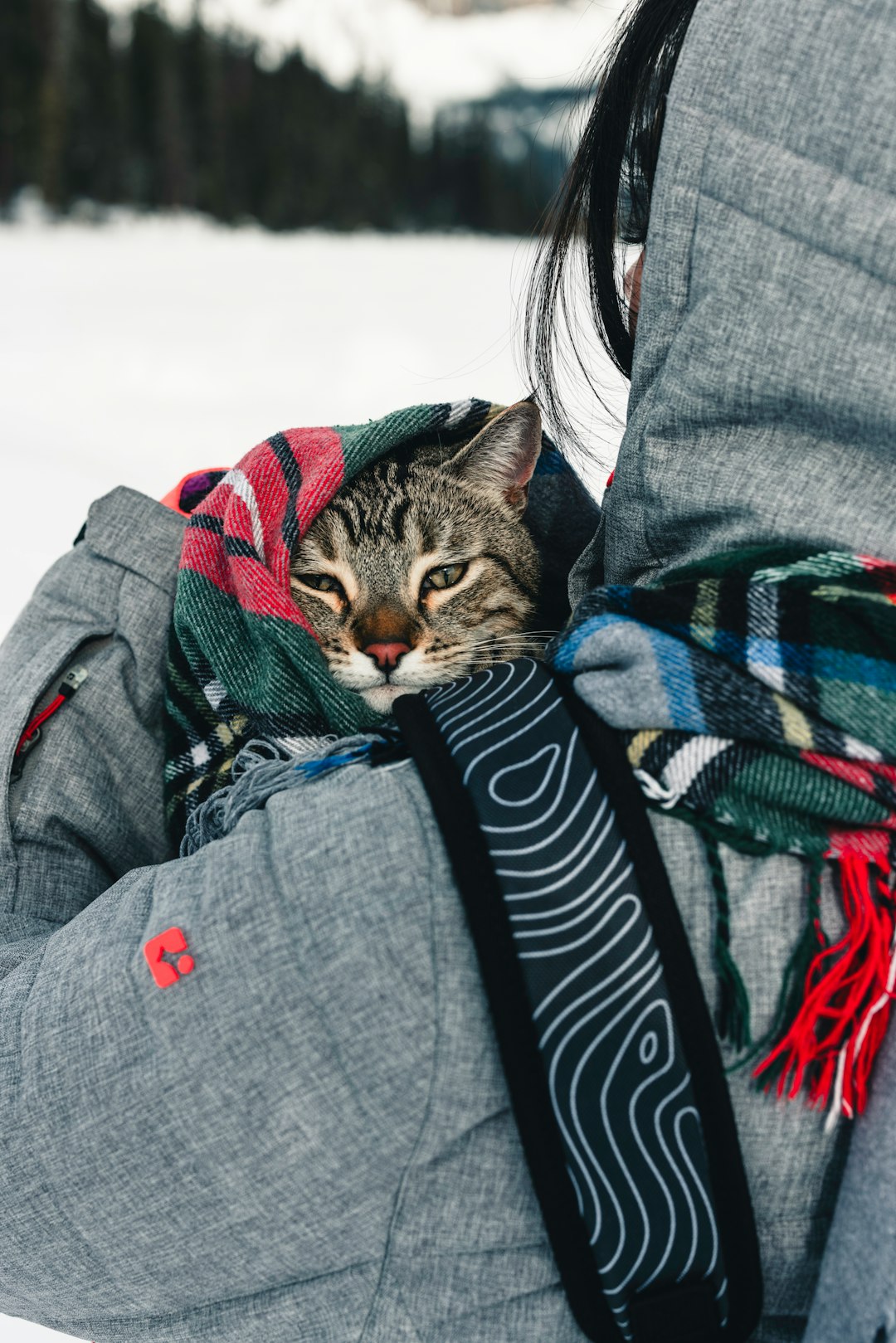
First, bring the cat indoors immediately. Wrap the cat in a warm blanket. Use a hot water bottle wrapped in cloth for extra warmth. Make sure the bottle is not too hot. Place the cat in a warm room to stabilize its temperature. Rubbing the cat gently can help increase blood flow.
When To Seek Veterinary Help
Monitor the cat for signs of hypothermia. If the cat shows lethargy, it needs a vet. Shivering is a sign of cold stress. Consult a veterinarian if shivering continues. Pale gums indicate severe cold exposure. Seek professional help if breathing becomes slow or shallow. Veterinary care can prevent complications.
Preventing Cold Weather Risks
Cats have limited survival time in cold weather. Their fur offers some protection, but extreme cold is dangerous. Ensure they have warm shelter to stay safe.
When the temperature drops, cats can face serious risks from the cold weather. As a cat owner, your primary goal should be to prevent these risks and ensure your furry friend stays safe and warm. Cats are incredibly resilient, but their survival abilities have limits. This section will help you understand how to protect your cat during chilly months.
Monitoring Weather Conditions
Keep an eye on the weather forecast regularly. Cold snaps can occur unexpectedly, and being prepared is crucial. Utilize weather apps or websites for accurate updates. If you notice temperatures dipping below freezing, take immediate action. You wouldn’t want to find yourself scrambling at the last minute. Ask yourself, is your cat’s current setup warm enough for the forecasted conditions? This simple question can prompt necessary adjustments.
Creating A Safe Environment
Create a cozy space indoors where your cat can retreat. Consider adding blankets or cat beds in places that are free from drafts. Ensure your home’s heating system is working efficiently. A minor malfunction can lead to an uncomfortable, and potentially dangerous, situation for your pet. Think about outdoor cats; it’s vital to provide a warm shelter.
garage or a cat house with straw can be lifesaving. Have you ever noticed how cats love basking in the sun? Make sure to provide sunny spots indoors where they can warm up naturally. --- By monitoring weather conditions and creating a safe environment, you can significantly reduce the risks associated with cold weather for your cat. Wouldn’t it be reassuring to know your feline friend is safe and comfortable, no matter how chilly it gets outside?
Frequently Asked Questions
How Cold Is Too Cold For Cats?
Cats can tolerate cold to an extent, but temperatures below 45°F can be dangerous. Prolonged exposure can lead to hypothermia or frostbite. It's crucial to provide them with shelter and warmth during cold weather to ensure their safety and well-being.
Can Cats Survive Outside In Winter?
Cats can survive outside in winter with appropriate shelter and care. However, extreme cold can be dangerous. Ensure they have access to insulated shelters, fresh water, and food. Monitor their health and bring them indoors during severe weather conditions to keep them safe.
How Do Cats Stay Warm In Cold Weather?
Cats stay warm by seeking shelter, fluffing their fur, and curling up tightly. They conserve heat by reducing movement and finding warm spots. Providing blankets and warm bedding can help them stay comfortable during cold weather.
What Signs Show A Cat Is Too Cold?
Signs a cat is too cold include shivering, lethargy, and seeking warm places. They might also have cold extremities and appear weak. If you notice these signs, provide warmth immediately and consult a vet if needed.
Conclusion
Cats can face challenges in cold weather. Their survival depends on several factors. Shelter, food, and health are key. Provide a warm spot for your feline friend. Make sure they have enough food and water. Outdoor cats need extra attention during cold months.
Watch for signs of frostbite or hypothermia. If in doubt, consult a vet. Keep your cat safe and warm. Protect them from harsh conditions. They rely on you for care. Your actions can make a big difference. With the right care, cats can manage colder climates.
Stay proactive and attentive to their needs.