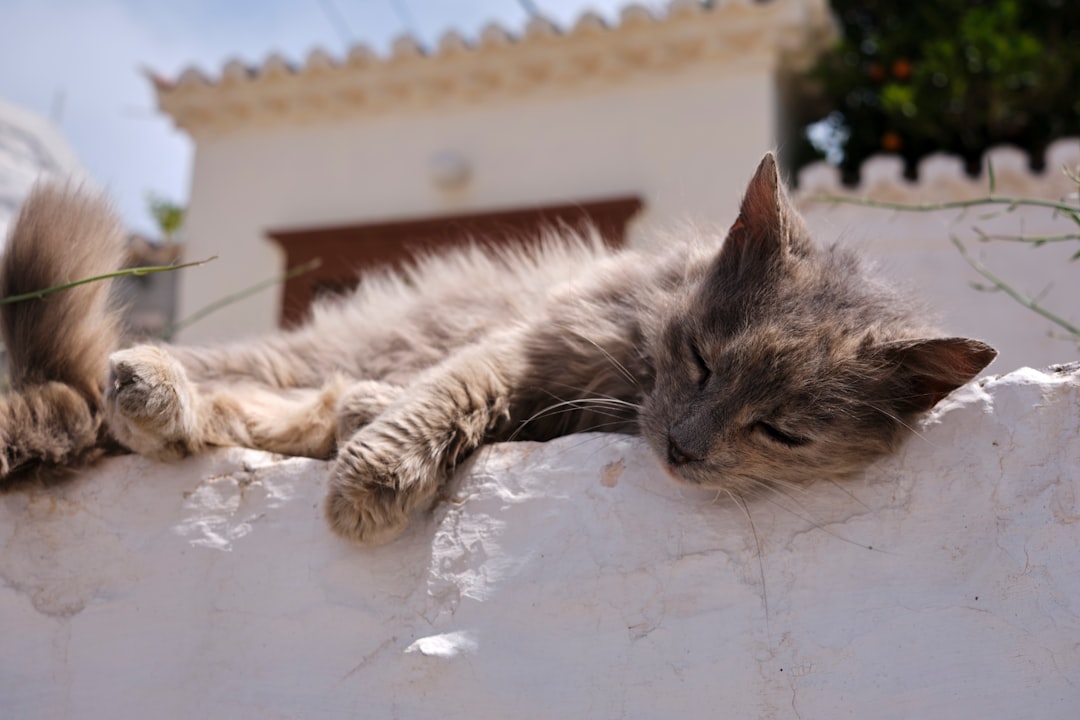
Are you worried about how your furry friend handles the summer heat? Cats are known for their independence and adaptability, but the scorching sun can be tough on them, just like it is on us.
Your cat's comfort and safety are a top priority, and understanding how they cope with hot weather is crucial. Imagine your cat lounging in the sun, the heat creeping up, and you wondering if they're truly okay. This article will reveal the secrets of how cats manage in high temperatures and what you can do to ensure your kitty stays cool and healthy.
Stick around to uncover the surprising truth about your feline's heat tolerance and discover practical tips to keep them safe. You won't want to miss this essential guide for every cat owner facing the summer months.
Understanding Cat Physiology
Cats are fascinating creatures with unique physiological traits. Their bodies are designed to adapt to various environmental conditions, including hot weather. Understanding how cats regulate temperature and their sensitivity to heat is crucial for their well-being.
These adaptations allow them to survive in diverse climates. Yet, extreme heat poses challenges that require attention and care.
Temperature Regulation
Cats have a remarkable ability to regulate their body temperature. They do not sweat like humans. Instead, they rely on panting and grooming to cool down. Panting helps to dissipate heat through evaporation. Grooming spreads saliva, which cools the skin as it evaporates.
Their fur also plays a role in temperature regulation. It acts as insulation, keeping them cool in summer and warm in winter. However, excessive heat can overwhelm their natural cooling mechanisms.
Heat Sensitivity
Cats are sensitive to high temperatures. They can easily overheat if exposed to prolonged heat. Their bodies are not as efficient in dealing with extreme temperatures. Symptoms of heat stress include rapid breathing and lethargy.
Heat can affect their appetite and hydration levels too. It's essential to provide shade and fresh water. Ensuring a cool environment helps prevent heat-related issues.
Signs Of Heat Stress
Cats are resilient creatures, yet high temperatures can cause them stress. When the heat rises, it's crucial to recognize signs of heat stress in your feline friend. Spotting these early signs can help prevent severe health issues. Here's what to look out for:
Behavioral Changes
Heat stress can alter your cat's behavior noticeably. You might see them becoming unusually lethargic. They may seek cooler places to rest, like tile floors. A sudden lack of interest in playing or eating can also occur. These changes indicate your cat is struggling with the heat.
Physical Symptoms
Physical signs are clear indicators of heat stress in cats. Rapid breathing is a common symptom. Watch for excessive panting, which is unusual for cats. Drooling or increased salivation may also occur. Their body temperature can rise, causing them to feel warm to the touch. These symptoms require immediate attention.
Optimal Living Environment
Creating an optimal living environment for your cat ensures their comfort and health. Cats can struggle in hot weather, making it essential to provide suitable conditions. A cool and shaded home can significantly improve their well-being. Let's explore ways to create this environment.
Cooling Solutions
Fans help circulate air and keep spaces cooler for your cat. Place them strategically around the house. Air conditioning is another effective method to maintain a cool temperature. Ensure your cat can access rooms with air conditioning. Cooling mats offer an excellent option for cats seeking relief from the heat. These mats absorb body heat, providing immediate comfort. Ensure the mat is placed in a favorite resting spot.
Shade And Shelter
Cats need shaded areas to escape direct sunlight. Create shaded spots in your home using curtains or blinds. Outdoor cats require shaded shelters to stay safe from the sun. Consider using a covered porch or a garden umbrella. Cardboard boxes can also provide a simple shaded retreat indoors. Ensure your cat has access to water in these areas. Hydration is crucial in hot weather.
Hydration Importance
Cats need water to stay cool in hot weather. Hydration helps them regulate their body temperature. Proper water intake keeps them healthy and comfortable.
When the temperature rises, keeping your cat hydrated is crucial for their well-being. Cats are known for being fussy about their water intake, often leading to dehydration in hot weather. Understanding the significance of hydration can help you ensure your furry friend stays healthy and comfortable.
Water Sources
Providing multiple water sources around your home can encourage your cat to drink more. Consider placing bowls in different rooms to make it convenient for them. Some cats prefer running water, so a pet water fountain can be an appealing option. If you’ve ever noticed your cat drinking from the faucet, it’s because they are attracted to the sound and movement of running water. This preference can be used to your advantage. By offering a mix of still and moving water, you increase the chances of them staying hydrated.
Encouraging Fluid Intake
Enhance your cat’s hydration by adding wet food to their diet. Canned cat food contains a significant amount of water, which can help supplement their fluid intake. This is especially useful if your cat is not a big fan of drinking water. Have you ever tried adding a little broth to your cat's food? It's a simple trick that can make meals more enticing while boosting hydration. Just ensure the broth is low in sodium and free from harmful ingredients. You can also encourage drinking by making water more interesting. Try adding ice cubes to their water bowl. The coolness and novelty might pique their interest. Plus, watching the cubes float can be a playful experience for them. Staying hydrated is vital for your cat's health, especially during hot weather. How do you ensure your cat drinks enough water? Finding creative ways to encourage hydration can make a big difference in their well-being.
Activity Adjustment
Cats can manage hot weather by adjusting their activity levels. Resting more during the hottest parts of the day helps them stay cool. They seek shade or cooler spots to relax.
Cats are known for their playful nature. But in hot weather, their activity levels need adjustment. High temperatures can be dangerous for our feline friends. It's essential to ensure they remain comfortable and safe. By making simple changes, you can help your cat beat the heat.
Timing Of Play
Playtime should happen during cooler parts of the day. Early morning and late evening are ideal. During these times, temperatures are lower. Your cat can enjoy play without overheating. Keep sessions short and sweet. Ten to fifteen minutes is often enough. Always monitor your cat for signs of fatigue.
Reducing Outdoor Exposure
Limit your cat's time outside during peak heat. The sun is strongest between 10 a.m. and 4 p.m. If your cat enjoys the outdoors, supervise their time. Create shaded areas in your yard. A simple tarp or umbrella can help. Ensure fresh water is always available. This prevents dehydration and keeps them cool.
Emergency Preparedness
Cats can endure hot weather, but they need shade and water. Ensure cool spaces and hydration to prevent heat stress. Monitor behavior for signs of overheating or distress.
When the temperatures rise, it's vital to be prepared for potential emergencies that could affect your feline friend. Cats, like humans, can suffer from heat-related issues. Knowing how to react can make the difference between life and death. Are you ready to handle a heat emergency for your pet? Let's dive into some practical steps you can take.
Recognizing Heatstroke
Heatstroke in cats can be life-threatening. Recognizing the signs early is crucial. Symptoms include excessive panting, drooling, lethargy, and a rapid heartbeat. Your cat might also seem confused or disoriented. Have you ever noticed your cat acting strangely on a hot day? It might have been a mild heatstroke. Always keep an eye on your cat's behavior during high temperatures.
Immediate Response Actions
Act fast if you suspect heatstroke. Move your cat to a cooler area immediately. Offer water, but don't force it. Wet a towel with cool—not cold—water and gently wrap it around your cat. Have you got a fan? Turn it on to help cool your cat down. Remember, rapid cooling can be harmful, so avoid ice or very cold water. Reach out to your vet as soon as possible. Even if your cat seems to recover, heatstroke can cause internal damage that isn't immediately visible. Your vet can provide guidance and help ensure your pet is safe. Being prepared can save your cat's life. Wouldn't you want to be ready to act when every second counts?
Vet Consultation
When the heatwave hits, you might wonder how your feline friend can cope with the sweltering temperatures. Consulting a veterinarian is an essential step in ensuring your cat's health during hot weather. A vet can offer tailored advice and check for any underlying conditions that might make your cat more vulnerable to heat.
Routine Check-ups
Regular vet visits are crucial for maintaining your cat's overall well-being. These check-ups can help identify potential health risks that might exacerbate in hot weather, like heart or respiratory issues.
If you're like me, you might have thought your cat was perfectly healthy, only to discover during a routine check-up that there was an underlying issue. This proactive approach can make all the difference in ensuring your cat can handle the heat.
How often do you take your cat for a vet check-up? If it's been a while, consider scheduling an appointment soon.
Specialized Advice
Vets can provide specific guidance tailored to your cat's needs. Maybe your cat has a thick coat, making it more prone to overheating. In this case, your vet might suggest trimming their fur.
They may also recommend dietary changes to keep your cat hydrated or supplements to boost their heat tolerance. When I consulted my vet, they suggested adding wet food to my cat's diet during summer months, which helped keep her hydrated.
What unique advice could your vet offer for your cat's specific needs? Don't hesitate to ask during your next visit.
Taking these steps ensures your cat stays cool and comfortable, allowing you to enjoy the sunny days together without worry.
Frequently Asked Questions
How Do Cats Cool Down In Hot Weather?
Cats cool down by seeking shade and drinking water. They also groom themselves to increase saliva evaporation. Panting is another method they use to regulate body temperature. Providing a cool environment and plenty of water can help keep cats comfortable in hot weather.
Can Indoor Cats Handle Hot Temperatures?
Indoor cats can handle moderate heat but struggle with extreme temperatures. Ensure your home is well-ventilated and provide cool resting spots. Fresh water is essential to prevent dehydration. Monitor their behavior for signs of overheating, such as excessive panting or lethargy.
What Are Signs Of Heatstroke In Cats?
Signs of heatstroke in cats include panting, drooling, and rapid heartbeat. Lethargy and vomiting are also common symptoms. If your cat shows any of these signs, move them to a cool place immediately. Seek veterinary care if symptoms persist to ensure their safety.
Should I Shave My Cat For Summer Heat?
Shaving a cat is generally not recommended. A cat's fur provides insulation against heat. Instead, regular grooming can help prevent matting and allow better air circulation. Always consult with a veterinarian before making decisions about altering your cat's coat.
Conclusion
Cats can handle hot weather, but they need help. Always provide fresh water. Offer shade or a cool place indoors. Limit outdoor time during peak heat. Watch for signs of heatstroke. Panting or drooling means your cat is too hot.
Keep your cat comfortable and safe. Consider a fan or air conditioning on hot days. Remember, a cool cat is a happy cat. Your care matters. Stay alert and protect your feline friend. Simple steps can ensure your cat's well-being in hot weather.