Can a Cat Survive in Hot Weather?
When the scorching heat of summer arrives, you might find yourself wondering how your furry friend handles the rising temperatures. Can a cat survive in hot weather?
It's a question that concerns many pet owners like you, especially when you want nothing more than to ensure the comfort and safety of your beloved pet. Cats are known for their grace and resilience, but extreme heat can pose serious risks to their well-being.
As you read on, you'll discover practical tips and insights to help your cat stay cool and healthy during those sweltering days. Keep reading to find out how you can make a difference in your cat's life when the sun turns up the heat.
Cat Physiology And Heat Tolerance
Cats have unique body systems that help them handle hot weather. Their ability to tolerate heat depends on their hydration and shade availability. Always provide cool water and shaded areas to ensure their safety during hot days.
Cats are known for their elegance and independence, but how do they cope when the mercury rises? Understanding the physiology and heat tolerance of cats can help ensure your feline friend stays comfortable during hot weather. Cats have unique bodies designed to handle various climates, but extreme heat can still pose challenges.
Understanding Cat Physiology
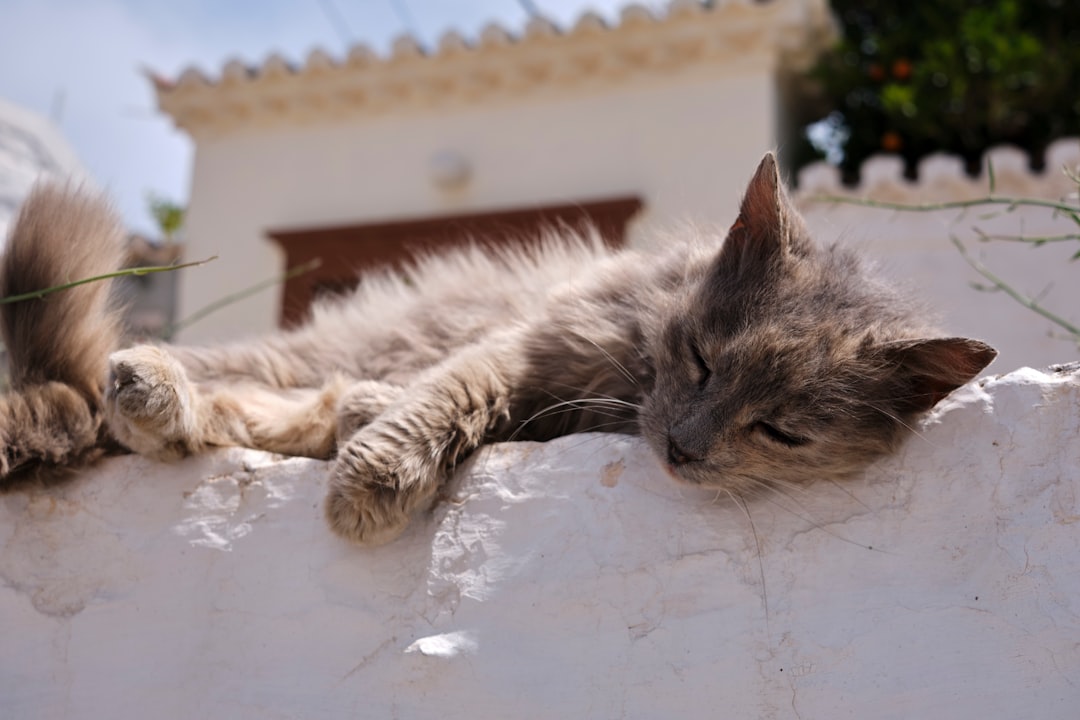
Cats have a natural ability to regulate their body temperature, thanks to their fur and behavior. Their fur acts as insulation, keeping them warm in the winter and cool in the summer. But in scorching heat, even their fur can't always protect them from overheating. Cats cool off primarily through their paws and ears. You'll often see them sprawled out on a cool surface, allowing heat to dissipate. They also groom themselves more frequently during hot weather to keep their skin cool.
Heat Tolerance Limits
While cats can handle moderate heat, extreme temperatures can be dangerous. If you live in a hot climate, it's crucial to know the signs of heat stress. Look for excessive panting, drooling, or lethargy. These can be indicators that your cat is struggling with the heat. Cats with health issues or those who are elderly are more susceptible to heat problems. If your cat falls into these categories, extra precautions should be taken during heat waves.
Practical Tips To Help Your Cat
Provide plenty of fresh water and ensure it's easily accessible. Consider adding ice cubes to the water bowl for extra cooling. Create a cool space in your home where your cat can retreat during the hottest parts of the day. Fans or air conditioning can make this space more comfortable. Limit outdoor time during peak heat hours. If your cat loves the outdoors, try early morning or late evening when temperatures are lower.
Personal Insight
I remember my own cat, Whiskers, who used to lay on the tiled kitchen floor during summer. It was his favorite spot to cool down. Observing him taught me the importance of creating cool spaces for cats in hot weather. Do you have a similar experience with your cat? How did you ensure their comfort during the heat? It's intriguing to see how our furry friends adapt, but they often need our help. Your vigilance can make all the difference in keeping your cat safe and happy when temperatures soar.
Signs Of Heat Stress In Cats
Cats can experience heat stress in hot weather, showing signs like panting, drooling, or lethargy. They might seek shade or drink more water. Ensuring a cool environment helps them stay comfortable and safe.
Cats are naturally skilled at handling a variety of climates, but extreme heat can challenge even the most adaptable feline. As temperatures rise, it's crucial to know the signs of heat stress in cats. Recognizing these symptoms can be the difference between a relaxing summer day and an emergency vet visit.
Excessive Panting
Cats don't typically pant like dogs do. If your cat is panting heavily, it's a red flag. This is their body's way of trying to cool down. If you notice this, it's time to take action. Move them to a cooler area immediately.
Lethargy And Weakness
If your usually playful cat suddenly seems sluggish, it might be heat stress. Lethargy is often accompanied by weakness. You might find them lying around more than usual or struggling to move. This can be a serious sign that they need help cooling down.
Increased Heart Rate
An increased heart rate is another indicator. You might notice your cat’s heart pounding if you gently place your hand on their chest. It’s a sign that their body is working overtime to cope with the heat.
Red Or Pale Gums
Take a peek at your cat’s gums. Healthy gums are pink. If they are red or pale, it might indicate heat stress. Pale gums can signal shock or serious distress, while red gums might show overheating.
Vomiting Or Drooling
Have you noticed any vomiting or drooling? These are serious symptoms of heat stress. It's a sign that they are overheating and possibly dehydrated. Immediate intervention is necessary to prevent further health issues.
Trouble Breathing
Breathing difficulties are alarming. If your cat is struggling to breathe or making wheezing sounds, it’s crucial to act fast. This can be a severe sign of heat stress and requires urgent attention. Recognizing these signs might make you wonder: How can you protect your cat from heat stress? Simple measures like providing fresh water, ensuring shade, and avoiding midday heat can make all the difference. Your attentive care is key to keeping your cat safe and comfortable during hot weather.
Creating A Cool Environment
Cats can survive hot weather with proper care. Ensure access to shade and fresh water. Monitor for signs of heat stress, like panting or lethargy, to keep them safe.
Creating a cool environment for your cat during hot weather is crucial for their well-being. Just like humans, cats can suffer from heat-related issues such as dehydration and heatstroke. It's important to ensure your feline friend remains comfortable and safe when temperatures rise. Let's delve into some practical strategies to keep your cat cool.
Shaded Areas
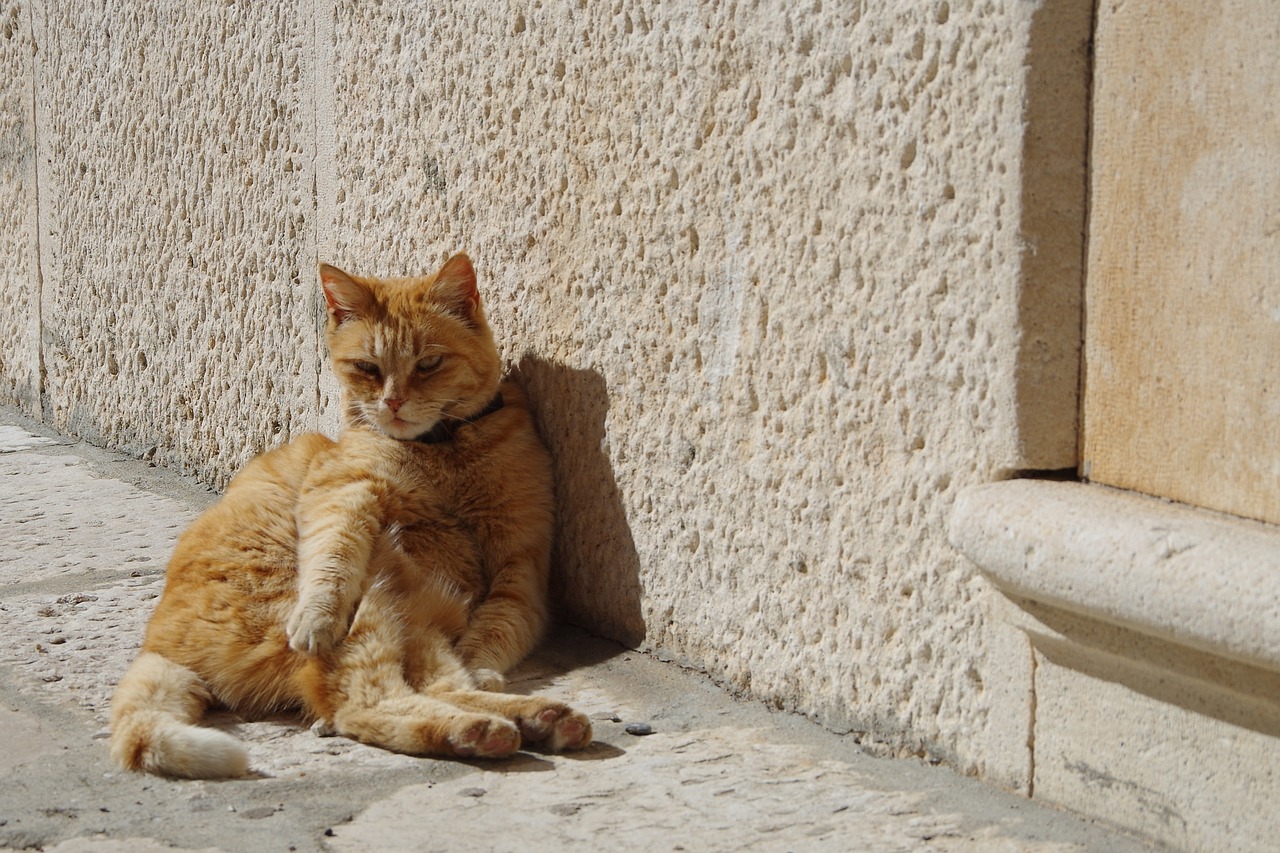
Cats love to lounge, but intense sunlight can quickly turn their relaxation into a risk. Ensure your home has shaded spots where your cat can retreat. Consider setting up cozy nooks with curtains or shades to block direct sunlight. If your outdoor space is a favorite hangout, think about installing a cat-friendly canopy or tent. This can protect them from the sun while allowing them to enjoy the fresh air. Have you ever noticed your cat gravitating towards the shadow of a tree? That’s their instinct to seek cooler spots. Enhance these areas with a few soft cushions or blankets to entice them into staying under the shade.
Cooling Mats And Fans
Cooling mats can be a lifesaver for your cat during scorching days. These mats are designed to absorb and dissipate heat, providing a refreshing surface for your cat to rest on. Place them in areas where your cat likes to nap. Fans are another effective way to cool your home. A small desk fan can create a gentle breeze that helps lower the temperature in your cat’s favorite room. Have you ever tried placing a frozen water bottle in front of a fan? This simple trick can dramatically cool the air, offering your cat a much-needed reprieve from the heat. By focusing on these simple yet effective solutions, you can create a haven for your cat during hot weather. What other creative methods have you tried to keep your feline comfortable?
Credit: www.vets-now.com
Hydration Tips
Keeping your cat hydrated in hot weather is crucial. Cats are sensitive to heat and need proper hydration to stay healthy. Dehydration can lead to severe health issues. Below are some hydration tips to help your feline friend stay cool and hydrated.
Water Access
Ensure your cat has constant access to fresh water. Place multiple water bowls around your home. This encourages your cat to drink more. Clean and refill these bowls daily. Consider using a pet water fountain. Cats often prefer moving water. A fountain can make drinking more appealing for them.
Wet Food Benefits
Incorporate wet food into your cat's diet. Wet food contains high moisture content. This helps in keeping your cat hydrated. It also adds variety to their meals. Choose high-quality wet food for the best results. Your cat will enjoy the taste and benefit from the added moisture.
Grooming And Heat Management
Cats need proper grooming to stay cool in hot weather. Managing their fur is essential. It helps them avoid overheating and discomfort. Regular grooming practices can make a significant difference. Let's explore how brushing and managing fur length helps in heat management.
Brushing Techniques
Brushing your cat helps remove loose fur. It prevents matting and allows better air circulation. Use a brush suitable for your cat's fur type. Short-haired cats need a soft-bristle brush. Long-haired cats benefit from a wide-tooth comb. Regular brushing reduces shedding. It keeps your cat cooler in hot weather.
Managing Fur Length
Consider trimming your cat's fur during hot months. Long fur traps heat, making cats uncomfortable. Consult a professional groomer for safe trimming. They know how much fur to cut. Avoid shaving your cat completely. Fur provides protection from sunburn and insects. Proper fur management keeps cats comfortable and safe.

Credit: khpet.com
Recognizing Heatstroke Symptoms
When the temperature rises, it's not just humans who feel the heat. Our feline friends can also be affected by soaring temperatures. Recognizing the symptoms of heatstroke in cats is crucial for their wellbeing. If you're not aware of the signs, your cat could face serious health issues. Let's explore how to identify these symptoms to keep your furry companion safe and comfortable.
Increased Panting And Breathing Difficulty
Cats typically don't pant like dogs. If you notice your cat panting excessively, it might be a red flag. Breathing with an open mouth or rapid breathing are signs of distress. Pay attention to these clues as they can indicate overheating.
Lethargy And Weakness
Is your usually energetic cat suddenly sluggish? Excessive tiredness or weakness could be a symptom of heatstroke. Cats might seek out cool, quiet places but if they're not moving much, it's time to be concerned.
Vomiting And Drooling
Heat can cause your cat to vomit or drool more than usual. Keep an eye on these symptoms, as they suggest your cat is struggling with the heat. It's not just a mess to clean up; it's a sign your pet needs immediate attention.
Red Or Pale Gums
Check your cat’s gums if you suspect heatstroke. They should be pink and healthy-looking. Red or pale gums can indicate a problem. This change in color is a serious symptom and requires prompt action.
Unsteady Movement Or Dizziness
Is your cat wobbling or having trouble walking? This could be a sign of overheating. Cats struggling with balance or appearing disoriented need help fast. Their coordination issues are a cry for cooling relief.
Have you ever noticed any of these symptoms in your cat during hot weather? Addressing them quickly can prevent serious health problems. Always ensure your cat has access to cool, shaded areas and plenty of water. Prevention is key to keeping your furry friend safe in the heat. What steps will you take to protect your cat this summer?
Emergency Care For Overheated Cats
Cats can struggle in hot weather. They may become overheated. Recognizing signs of heat stress is important. Emergency care is crucial for their well-being. Quick action can save your feline friend. Learn how to provide immediate care for an overheated cat.
Immediate Actions
First, move your cat to a cool area. Shade or an air-conditioned room is ideal. Offer fresh, cool water immediately. Hydration is key. Wet a cloth with cool water. Gently dab it on your cat’s fur. This helps lower their body temperature. Avoid ice-cold water; it can shock their system. Monitor their breathing and alertness closely.
When To See A Vet
If your cat remains lethargic, seek veterinary help. Excessive panting is a red flag. Continuous drooling is another concerning sign. A vet can provide necessary treatments. They may need fluids or medication. Do not delay if symptoms persist.

Credit: www.rover.com
Frequently Asked Questions
How Do Cats Stay Cool In Hot Weather?
Cats stay cool by seeking shade and using self-grooming to regulate their body temperature. They might also rest on cool surfaces or drink water frequently. Keeping their environment ventilated and providing fresh water helps them stay comfortable.
Can High Temperatures Harm A Cat's Health?
Yes, high temperatures can lead to heat exhaustion or heatstroke in cats. Symptoms include panting, drooling, and lethargy. Ensure your cat has access to shade, fresh water, and a cool environment to prevent overheating.
What Are Signs Of Heat Stress In Cats?
Signs of heat stress include excessive panting, drooling, and rapid breathing. Cats may also appear restless or lethargic. If you notice these symptoms, move your cat to a cooler area and provide water immediately.
Do Indoor Cats Handle Heat Better Than Outdoor Cats?
Indoor cats usually handle heat better due to controlled environments. Air conditioning and fans help regulate temperature indoors. However, all cats need access to cool water and shaded areas to avoid heat-related issues.
Conclusion
Cats can handle hot weather, but they need care. Keep them hydrated. Ensure they have shady spots to rest. Limit their outdoor time during peak heat. A cooling mat can help them relax. Regular grooming removes excess fur, keeping them cooler.
Always watch for signs of heat stress. Panting, drooling, or lethargy mean your cat needs help. Visit a vet if you see these signs. Simple steps keep your furry friend safe and comfortable. By understanding their needs, you can ensure your cat stays healthy in hot weather.
Prioritize their comfort and well-being.