Can Cats Survive in 25 Degree Weather?
Imagine stepping outside into a chilly 25-degree day. You bundle up in warm layers, but what about your cat?
Can cats handle cold weather just like we do? If you're wondering whether your feline friend can survive in such low temperatures, you're not alone. Your cat's comfort and safety are your top priorities, especially as winter approaches. We'll explore how cold weather affects cats and what you can do to ensure your furry companion stays warm and healthy.
From recognizing signs of distress to providing the best care, we've got the insights you need. Stay with us to learn how you can make sure your cat thrives, even when the mercury drops.
Cats And Cold Weather
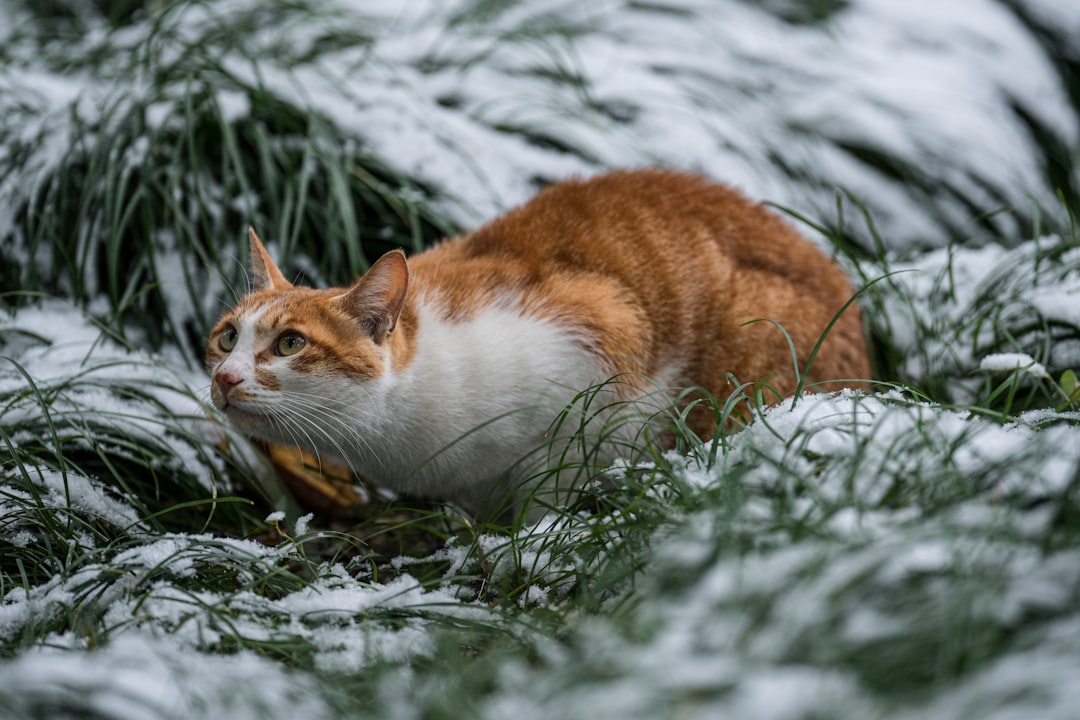
Cats can handle cold weather, but 25 degrees Fahrenheit can be too cold. Warm shelters are essential for their safety. Ensure they have a cozy bed and protection from the wind.
Cats are known for their mysterious nature and adaptability. But when it comes to cold weather, many cat owners wonder how their feline friends cope. Understanding how cats react to chilly conditions can help you ensure their safety and comfort during colder months. Let's explore how cats deal with cold weather and what you can do to keep them warm.
Understanding A Cat's Natural Adaptability
Cats have an incredible ability to adapt to different environments. Their fur provides a natural layer of insulation. But, it's important to note that not all cats are equipped for cold climates. Breeds like the Norwegian Forest Cat or Maine Coon have thicker coats, making them more suited for colder weather. If you have a short-haired cat, extra precautions may be necessary.
Signs Your Cat Is Cold
Your cat may show several signs indicating they're feeling cold. Look for behaviors like shivering or curling up tightly to conserve heat. A cold cat might seek warmth by snuggling against heaters or burrowing under blankets. If your cat seems lethargic or is meowing more than usual, they might be uncomfortable.
Practical Tips To Keep Your Cat Warm
Consider creating a cozy environment for your cat. Soft, warm bedding can make a big difference. You might place their bed near a warm spot in your home, away from drafts. Providing a cat sweater can be a fun and practical way to keep them warm, especially for short-haired breeds.
Indoor Vs. Outdoor Cats In Cold Weather
Think about whether your cat spends time outdoors. Outdoor cats face more risks in cold weather and need shelter. You can build or buy a weatherproof cat house. If your cat is mostly indoors, make sure your home is warm enough and check for drafts that could make them uncomfortable.
Should You Adjust Your Cat’s Diet?
Cats burn more calories to stay warm in cold weather. You might consider adjusting their food intake slightly. Providing high-quality cat food can help maintain their energy levels. Always consult with your vet before making significant changes to their diet.
What Temperature Is Too Cold?
You might wonder, how cold is too cold? Generally, temperatures below 45 degrees Fahrenheit can be risky for cats. Prolonged exposure can lead to hypothermia or frostbite. If your cat is indoors, ensure room temperatures are comfortable. For outdoor cats, adequate shelter is crucial. In the end, keeping your cat safe in cold weather is about awareness and action. You have the power to ensure they are comfortable and healthy. Have you noticed any unique behaviors in your cat during cold snaps? Share your thoughts and let's learn from each other.
Understanding Temperature Tolerance
Understanding how cats tolerate different temperatures is crucial for their well-being. You might wonder if your feline friend can handle chilly weather, like 25 degrees. Cats, with their natural instincts and adaptations, can manage the cold better than expected. But several factors influence their ability to stay warm and safe.
Natural Adaptations
Cats have evolved to endure various climates, thanks to their natural adaptations. Their fur is a primary defense against the cold. A thick coat provides insulation, trapping heat close to the body. Have you noticed how your cat's fur seems denser in winter?
They also conserve energy by curling up tightly, minimizing heat loss. You might see your cat snuggling into a ball, tail wrapped around their nose. It's a practical way to stay warm. Cats are also experts at seeking out warm spots, whether it's a sunny patch on the floor or your cozy bed.
Factors Affecting Cold Tolerance
Several factors can affect a cat's ability to tolerate cold weather. Age is a significant consideration. Older cats or kittens may struggle more in colder temperatures. Their bodies are less efficient at retaining heat.
Health status also plays a role. A cat with underlying health issues might be more sensitive to cold. It's essential to ensure your pet is healthy before leaving them in chilly conditions.
Breed differences matter, too. Some breeds, like Maine Coons, are better equipped for cold weather with their bushy tails and thick fur. Others, like Sphynx cats, lack the protective fur and need extra care in the cold.
How do you prepare your cat for winter? Do you provide extra blankets or a warm shelter? Consider these practical steps as the temperature drops. Your cat's comfort and safety depend on it.
Signs Of Cold Stress In Cats
Cats can struggle in 25-degree weather, showing signs like shivering and lethargy. Cold stress may cause them to seek warmth, hide, or become less active. It's crucial to ensure they have a warm, safe space indoors during cold temperatures.
Cats have a natural ability to adapt to different temperatures. Yet, 25-degree weather can challenge their comfort. Understanding the signs of cold stress in cats is crucial. This knowledge helps in ensuring their well-being during chilly days.
Behavioral Indicators
Cats often show behavioral changes when they feel cold. They may seek warm places more often. Hiding under blankets or in sunny spots is common. Less active behavior can also be a sign. Reduced playfulness indicates they are conserving energy. Increased vocalization might signal discomfort. Cats could also become clingier, wanting more human warmth.
Physical Symptoms
Cold stress can also show physical symptoms in cats. Shivering is a clear sign. It's the body's way of generating heat. Cold ears and paws are another indicator. Touch their extremities to check. Fur can become rough or dull when they are cold. Cats may breathe faster to warm up. A decreased appetite might also occur, signaling stress. Watch for these signs to keep your cat safe and warm.
Protecting Cats In Cold Climates
Cats can endure cold weather, but 25 degrees Fahrenheit poses risks. They need shelter and warmth to stay safe. Cozy blankets and heated beds help protect them from harsh conditions.
As temperatures drop, ensuring the safety and comfort of your feline friend becomes crucial. Cats, despite their fur coats, are not immune to the harsh effects of cold weather. Understanding how to protect them in cold climates can be the difference between their discomfort and well-being. Whether your cat is a seasoned outdoor explorer or a cozy indoor dweller, there are essential steps you can take to keep them safe and warm.
Creating Warm Environments
Inside your home, warmth is key. Consider adding cozy blankets or a heated pet bed for your cat. These small additions can make a significant difference in their comfort. Position your cat's bed away from drafty windows or doors. Cats are naturally drawn to warm spots, so placing their sleeping area in a sunny corner can be ideal. Ensure your home’s heating system is efficient. Even small gaps in insulation can create chilly spots that your cat will avoid.
Outdoor Safety Tips
If your cat ventures outdoors, it's essential to monitor their time outside. Limit their exposure during the coldest parts of the day. Provide a safe outdoor shelter. This could be a small insulated cat house or a makeshift shelter using a sturdy cardboard box lined with blankets. Check their paws regularly for signs of frostbite or injury. Snow and ice can be harsh on their sensitive pads, and de-icing chemicals can be toxic if ingested. Is your cat's winter routine adapted to their needs? By taking proactive steps, you're ensuring their health and happiness during the colder months. Remember, even the most independent cats appreciate a little extra care when the temperature drops.
Winter Health Concerns
Winter brings unique challenges for cats, especially in cold weather. Cold temperatures can pose serious risks to their health. Understanding these risks helps keep your feline friend safe. Let's explore some winter health concerns for cats.
Frostbite And Hypothermia
Cats exposed to cold weather risk frostbite and hypothermia. Frostbite occurs when skin and tissues freeze. Ears, paws, and tail are most vulnerable. Symptoms include pale, cold skin and swelling. Hypothermia happens when a cat's body temperature drops too low. Symptoms include shivering, weakness, and lethargy. Both conditions require immediate attention. Keeping cats indoors during cold spells is vital.
Nutrition And Hydration
In winter, cats need more energy to stay warm. This means they may require more food. Proper nutrition helps maintain their body temperature. Ensure their diet is balanced and nutritious. Hydration is equally important. Cold weather can make cats reluctant to drink water. Ensure fresh water is always available. Use heated bowls to prevent water from freezing. A well-fed and hydrated cat is better equipped to handle the cold.
Indoor Vs Outdoor Cats
Cats are fascinating creatures with varying lifestyles. Some cats thrive indoors, enjoying warmth and comfort. Others love outdoor adventures, embracing the wild. Understanding the differences between indoor and outdoor living helps cat owners make informed decisions.
Benefits Of Indoor Living
Indoor cats enjoy consistent, warm temperatures, even in cold weather. They are safe from predators and vehicles. Indoor living reduces the risk of diseases from other animals. Cats indoors often live longer, healthier lives. They have regular meals and vet visits.
Managing Outdoor Adventures
Outdoor cats need careful monitoring in cold weather. Outdoor shelters can provide warmth and safety. Owners should check on their outdoor cats regularly. Proper gear like reflective collars keeps them visible and safe. It's important to ensure they have access to fresh water and food.
Preparing For Winter
Cats can handle cold weather, but 25-degree temperatures are challenging. Their fur provides some insulation, yet prolonged exposure can be harmful. Shelter and warmth are essential to keep them safe during winter.
Winter can be a challenging season for your feline friends, especially when temperatures drop to 25 degrees. Cats, like humans, need extra care and attention during the colder months. While they are resilient creatures, it's crucial to ensure they stay warm and healthy. As a cat owner, preparing for winter involves more than just cranking up the heat indoors. It's about creating a comfortable environment that keeps your cat safe and snug. So, how can you make sure your cat is ready for the chill? Let's dive into some essential tips.
Essential Gear For Cats
Equipping your cat with the right gear is vital during winter. Consider adding a cozy, insulated bed in a draft-free area of your home. This ensures your cat has a warm retreat when the temperatures plummet. Reflect on your experience of bundling up in a warm blanket on a cold night; your cat appreciates similar comforts. Invest in cat sweaters or jackets if your cat is amenable. These can provide an extra layer of warmth, especially for short-haired or older cats. Check the fit to ensure your cat can move comfortably. Another excellent addition is a heated pad. These pads offer a safe, low-level heat that can be soothing for your cat. Ensure the pad is specifically designed for pets and follow the manufacturer's instructions for safety.
Regular Health Check-ups
Regular health check-ups are crucial, especially during the winter months. Cold weather can exacerbate existing health issues in cats. Schedule a vet visit to ensure your cat is in top shape to face the cold. Discuss any specific concerns with your vet, particularly if your cat is elderly or has a chronic condition. Your vet might recommend supplements to boost your cat’s immune system. Monitor your cat for any signs of distress, such as shivering, lethargy, or appetite changes. These could indicate that your cat is feeling the cold too intensely. Regularly check their paws for signs of frostbite if they venture outdoors. Preparing your cat for winter is all about mindful adjustments and regular care. By ensuring they have the right gear and are healthy, you can help them weather the cold with ease. What steps will you take this winter to keep your cat cozy and healthy?
Frequently Asked Questions
Can Cats Tolerate Cold Temperatures?
Cats can generally tolerate cold temperatures, but prolonged exposure to 25-degree weather can be risky. They are susceptible to hypothermia and frostbite. Ensure your cat has a warm shelter. Provide blankets or heating pads to keep them cozy. If possible, limit their time outdoors during extreme cold.
How To Keep Outdoor Cats Warm?
To keep outdoor cats warm, provide insulated shelters and bedding. Ensure shelters are dry and windproof. Use straw for bedding instead of blankets, as it retains warmth and moisture better. Regularly check their food and water to ensure they haven't frozen.
Consider bringing them inside during extreme cold.
Is 25-degree Weather Safe For Cats?
25-degree weather can be unsafe for cats if exposed for too long. They risk hypothermia and frostbite in freezing temperatures. It's crucial to monitor their health and provide adequate shelter. Consider keeping them indoors during extreme cold to ensure their safety and well-being.
What Are Signs Of Hypothermia In Cats?
Signs of hypothermia in cats include shivering, lethargy, and pale gums. Their body temperature drops, affecting their coordination and heart rate. If you notice these symptoms, bring them indoors immediately. Wrap them in warm blankets and consult a veterinarian for proper care and treatment.
Conclusion
Cats can handle cool weather, like 25 degrees, with care. Always provide shelter. Warm bedding helps them stay cozy. Keep their food and water accessible. Monitor their behavior for signs of discomfort. Some cats adapt better than others. Every cat is unique.
Remember to watch for shivering or lethargy. These can signal they're too cold. Consult a vet if you're unsure. Protecting your cat ensures their health and safety. Weather can change quickly. Stay prepared for unexpected drops in temperature. Your cat's comfort matters.
Keep them warm and happy.