Have you ever wondered how stray cats manage to survive the chilly embrace of winter? It's a question that tugs at the heartstrings, especially if you're an animal lover or simply curious about these resilient creatures.
As the temperature drops, you might find yourself imagining the struggles these cats face. Your mind may wander to their search for warmth, food, and shelter amidst the biting cold. This article will dive into the incredible survival tactics stray cats use in cold weather.
Prepare to be amazed and perhaps discover ways you can lend a helping hand. Stick with us, and you'll uncover the secrets behind their survival, gaining insights that may inspire you to view these furry wanderers in a whole new light.
Winter Survival Strategies
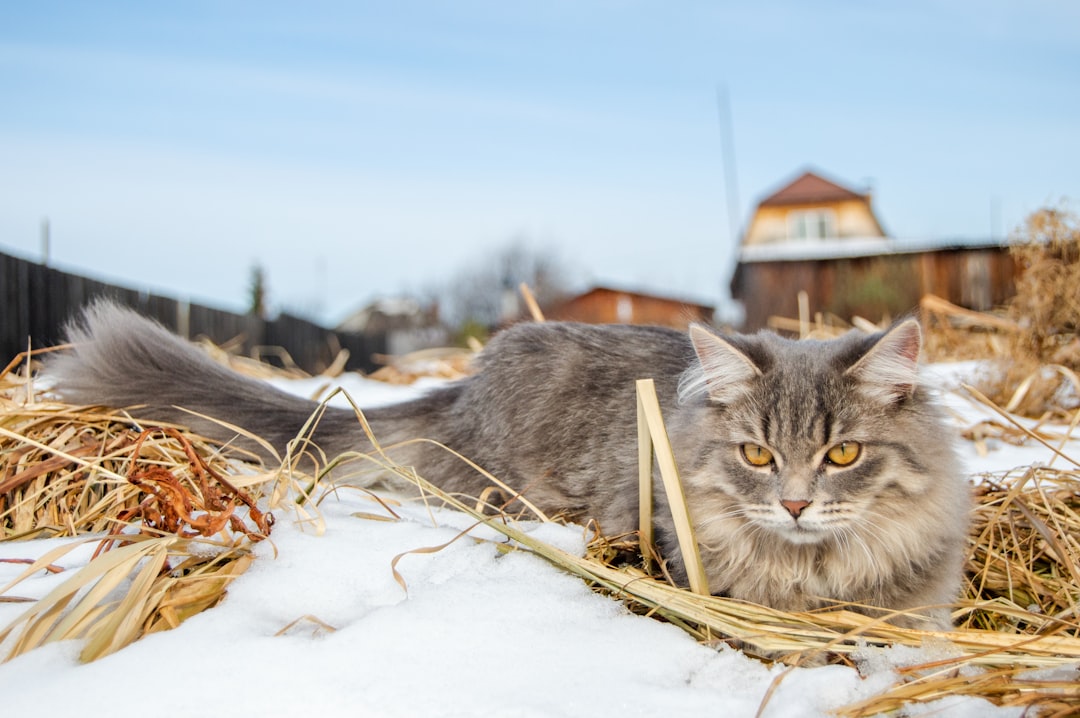
Stray cats use various strategies to endure cold weather. They seek shelter in warm places, such as garages or under porches. Their thick fur provides insulation against the cold, helping them survive chilly nights.
Winter is a challenging time for stray cats, yet they have developed incredible survival strategies to endure the cold months. These strategies are not just instinctual but are often influenced by the environments they inhabit. Understanding how these resilient animals manage to stay alive amidst the frost can inspire us to consider how we can help them. Let's explore the fascinating ways stray cats manage to survive the winter chill.
Finding Shelter
Stray cats are experts in seeking out warm and hidden spots to protect themselves from the cold. They often find refuge under porches, inside barns, or even in abandoned buildings. If you spot a stray cat in winter, look for small spaces near your home where they might seek shelter. Creating a simple outdoor cat shelter can be a rewarding way to assist them. You can use materials like old boxes lined with straw or blankets to provide warmth. Have you ever noticed how cats are drawn to the smallest spaces in your home? It's their natural instinct to find snug areas that conserve heat.
Hunting And Foraging
Despite the chilly weather, stray cats continue to hunt and forage for food. Their survival depends heavily on their ability to find sustenance. Small rodents and birds are often their primary targets, but they also forage through garbage bins for scraps. Consider how difficult it must be for these cats to find food when snow covers the ground. You can leave out a bowl of kibble or canned cat food to help them maintain their energy levels. If you've ever fed a stray cat, you know the gratitude in their eyes.
Conserving Energy
In winter, conserving energy is crucial for survival. Stray cats instinctively know that remaining still and minimizing movement can help preserve their vital energy reserves. They often sleep more, using less energy to maintain their body heat. Think about how you conserve energy during a cold day by staying indoors and keeping warm. Stray cats do the same, often curling up in tight balls to retain body heat. Have you ever watched a cat sleep? They seem to find the warmest spot, whether it's a sunbeam or a cozy nook. These survival strategies highlight the resilience of stray cats and their ability to adapt to harsh conditions. How can we apply these lessons to our own lives, finding resourceful ways to endure challenges? As you reflect on these strategies, consider the small steps you can take to make a difference for these animals during winter.
Natural Adaptations
Stray cats face harsh conditions during cold weather. Yet, they have natural adaptations that help them endure. These adaptations involve their fur, behavior, and social habits. Let's explore how these elements aid in their survival.
Fur And Insulation
Stray cats have thicker fur in winter. This fur acts like a warm coat. It traps air and keeps them insulated. The undercoat grows denser as temperatures drop. This layer provides extra warmth. Their bodies adjust by increasing fat stores. This extra fat acts as another insulation layer. It also provides energy when food is scarce.
Behavioral Changes
During cold months, stray cats change their habits. They seek out warm spots. This could be under cars or near vents. They limit their movement to save energy. Less activity helps preserve their body heat. Cats may also hunt more during the day. Daytime hunting takes advantage of any available warmth.
Social Cooperation
In colder climates, stray cats may form groups. These groups are known as colonies. They huddle together to share body heat. This social behavior boosts their survival chances. Colonies also offer protection. They work together to find food and shelter. This cooperation is vital in harsh conditions.
Human Assistance
Stray cats rely on human assistance to endure cold weather. People often provide shelters and food to help them survive. Cozy spots and regular meals from kind strangers become essential for their warmth and sustenance during chilly months.
Cold weather poses a serious challenge for stray cats. Without the warmth of a home, they rely heavily on human assistance to survive. You might wonder how you can help these resilient creatures navigate harsh conditions. Here’s how your actions can make a real difference.
Community Support
Communities play a crucial role in helping stray cats. Neighborhood groups often organize efforts to provide vital resources. Have you ever considered joining a local initiative? Residents band together to monitor stray cats and ensure they are safe. This collective effort strengthens community bonds. It’s a simple yet powerful way to contribute.
Providing Food And Water
Stray cats struggle to find food during winter. You can help by setting out meals in your backyard or other safe areas. Warm, canned food is ideal as it provides essential nutrients. Don’t forget about water. It’s easily overlooked but crucial for survival. Consider using heated bowls to prevent freezing. Have you thought about how this small act can save lives?
Building Shelters
Creating shelters offers a safe haven for stray cats. A simple structure can protect them from harsh weather. Have you ever constructed a shelter using everyday materials? Using plastic bins or wood, you can build a cozy spot. Line it with straw or blankets for warmth. This practical approach shields cats from cold winds and snow. By doing this, you offer them a fighting chance. Your involvement can transform the lives of stray cats facing winter’s wrath. Will you take the next step in providing them the help they need?
Challenges And Threats
Surviving cold weather is tough for stray cats. They face threats like scarce food and finding warm shelter. Harsh temperatures can lead to illness or frostbite, challenging their resilience.
Stray cats face numerous challenges and threats during cold weather. Their survival depends on their adaptability and instincts. These felines confront harsh conditions that test their resilience. They must navigate a world full of dangers to stay alive. Understanding these challenges helps us appreciate their strength and resourcefulness.
Predators
Stray cats often encounter predators in their environment. Larger animals, such as coyotes and foxes, pose significant threats. These predators are always on the hunt. Stray cats must remain alert and agile to escape. They rely on their keen senses and quick reflexes to survive these encounters.
Extreme Weather Conditions
Cold weather brings its own set of challenges. Freezing temperatures can be deadly for stray cats. They must find shelter to stay warm and dry. Snow and ice make finding food difficult. Cats must conserve energy while searching for scarce resources. Their thick fur offers some protection, but it is not always enough.
Health Risks
Stray cats face many health risks in cold weather. Frostbite and hypothermia are common threats. These conditions can be life-threatening. Cats also risk contracting illnesses from other animals. Lack of nutrition weakens their immune systems. Survival depends on their ability to find food and stay healthy.
Long-term Solutions
Stray cats face harsh conditions during cold weather. Implementing long-term solutions can help them survive. These solutions focus on reducing the stray cat population and improving their quality of life. Let's explore effective strategies that provide lasting benefits for stray cats.
Spay And Neuter Programs
Spay and neuter programs prevent overpopulation among stray cats. These programs help control the number of cats living on the streets. Spaying and neutering also improve the health of cats. Fewer cats experience diseases and injuries. Communities can organize clinics to offer these services. This approach lessens the burden of stray cats in cold weather.
Adoption And Fostering
Adoption gives stray cats a permanent home. Fostering provides temporary shelter and care. Both options save cats from the cold. Families can open their homes to these cats. Shelters often need volunteers for fostering. This creates a safe environment for stray cats. Adoption and fostering reduce the number of cats suffering in the streets.
Awareness And Education
Awareness and education are crucial for long-term solutions. Informing the public about stray cat issues makes a difference. People learn how to help stray cats survive. Schools can include lessons on animal welfare. Community events can spread information on caring for stray cats. The more people know, the more they can contribute to solutions. Education empowers communities to act in favor of stray cats.
Frequently Asked Questions
How Do Stray Cats Find Shelter In Winter?
Stray cats often seek shelter in warm, dry places. They may find refuge under porches, in garages, or in abandoned buildings. These places provide protection from harsh winds and snow. Some communities also set up cat shelters, which are insulated boxes, to help stray cats survive the cold.
What Do Stray Cats Eat During Cold Months?
During winter, stray cats rely on hunting small animals like mice and birds for food. They may also scavenge from trash bins or rely on food provided by kind-hearted individuals. In cold weather, their caloric needs increase, so they need more food to maintain body heat and energy levels.
Can Stray Cats Survive Freezing Temperatures?
Stray cats can survive freezing temperatures, but it's challenging. They grow thicker fur in winter to stay warm. However, prolonged exposure to extreme cold can be deadly. Cats need access to food, water, and shelter to increase their chances of survival during harsh winter conditions.
Do Feral Cats Suffer In Cold Weather?
Yes, feral cats can suffer in cold weather. They face risks like frostbite, hypothermia, and malnutrition. While they have survival instincts, harsh conditions can still be dangerous. Providing food, water, and insulated shelters can help alleviate their suffering during cold months.
Conclusion
Stray cats face harsh winters bravely. They find warm spots to rest. Shelters, sheds, or even under cars. Thick fur helps them stay warm. They hunt for food wherever they can. Kind people sometimes leave food out. Cats are smart and resourceful.
They adapt quickly to survive. Many need help during cold weather. Consider helping if you can. Small actions make a big difference. Every bit of warmth and food matters. Together, we can support these resilient animals. They deserve a chance to stay safe and warm.
Let's make the cold months easier for them.