Can Cactus Plant Survive Cold Weather?
Ever wondered if your cactus can withstand those chilly winter months? The thought of your beloved green companion turning brown and shriveled is enough to make any plant parent anxious.
But fear not, you’re not alone in this concern. Many people are curious about whether their cactus can brave the cold. You’ll discover surprising facts that might just put your mind at ease. By understanding how these resilient plants react to lower temperatures, you’ll feel more confident in your cactus care routine.
Keep reading to unlock the secrets of keeping your cactus thriving, even when the temperature drops. Your green thumb will thank you!
Cactus Adaptability
Cacti are remarkable plants with a unique ability to adapt. They thrive in environments many plants cannot endure. Their adaptability makes them fascinating subjects of study. Cacti can survive in harsh and varied climates. Cold weather poses a challenge for many species. Yet, some cacti manage to endure chilly conditions. Understanding how they adapt can reveal much about their resilience.
Unique Features Of Cacti
Cacti have a special structure that aids their survival. Their thick, fleshy stems store water efficiently. This storage helps during dry spells and cold nights. Spines reduce water loss and protect against predators. These features make cacti tough and resilient. Their roots spread wide but remain shallow. This allows quick absorption of rainwater. These adaptations are key to surviving in diverse climates.
Natural Habitats And Climate
Cacti originate from varied habitats. Deserts are their most common homes. They also grow in mountains and forests. Each habitat offers unique challenges. Deserts have extreme temperatures and sparse rainfall. Mountains may bring cold and snow. Forests can be humid and shaded. Despite these conditions, cacti find ways to thrive. Their adaptability is truly impressive.
Cold Weather Challenges
Cactus plants are known for their resilience. But cold weather can pose significant threats. Understanding these challenges is crucial for plant survival. Cold snaps can stress cacti. This affects their health and growth. Let's explore the main cold weather challenges.
Frost Damage Risks
Frost is a major threat to cacti. It can cause severe damage. Ice crystals form on the plant surface. This can break down plant cells. The result is tissue damage. Frost can lead to discoloration. Brown or black spots may appear. These spots weaken the plant's structure. Protecting cacti from frost is essential.
Temperature Thresholds For Survival
Cacti have specific temperature limits. Most thrive in warm climates. Some can tolerate mild cold. But extreme cold can be harmful. Many cacti survive at 40°F (4°C) or higher. Below this, they risk damage. Some desert cacti can survive near freezing. But prolonged exposure is dangerous. Knowing temperature thresholds helps in care strategies.
Cold-hardy Cactus Varieties
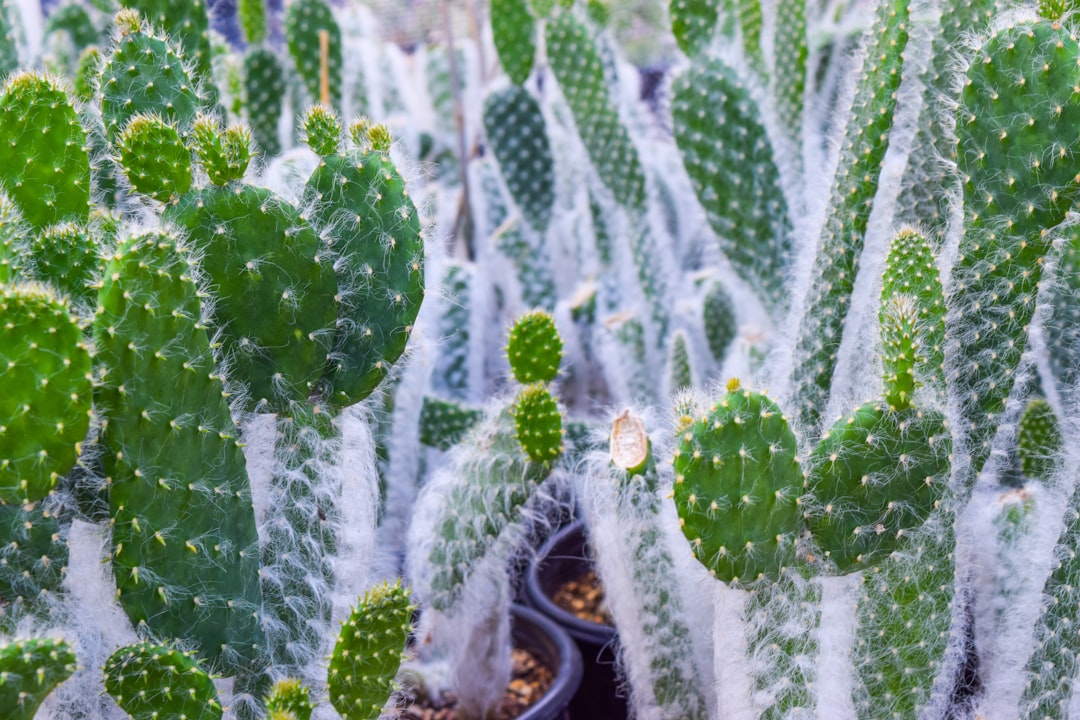
Certain cactus varieties thrive in cold climates. These resilient plants endure low temperatures and even frost. Opuntia and Echinocereus species are notable examples, showcasing nature's adaptability.
Cactus plants often evoke images of sun-drenched deserts and arid landscapes. Yet, did you know that some of these resilient succulents can thrive in colder climates too? Whether you live in a region with chilly winters or just love the look of a cactus garden, cold-hardy cactus varieties might surprise you with their adaptability. Let's dive into the world of these fascinating plants and discover which ones can brave the cold.
Popular Cold-resistant Species
Several cactus species have adapted to withstand freezing temperatures. The Opuntia species, commonly known as prickly pear, is one of the most popular cold-resistant cacti. It can tolerate temperatures as low as -20°F (-29°C). The Echinocereus species, or hedgehog cactus, is another tough contender, enduring temperatures down to -10°F (-23°C). These species add a unique charm to gardens with their vibrant blooms and distinctive shapes.
Characteristics Of Hardy Varieties
What makes some cactus varieties more cold-resistant than others? Hardy cacti typically have thick, waxy skins that protect them from frost and desiccation. Their ability to store water efficiently helps them survive during long, cold winters.
, many cold-hardy cacti grow low to the ground, minimizing exposure to icy winds and maximizing ground warmth. Have you ever considered adding a cactus to your winter garden? With the right cold-hardy species, you can enjoy a splash of desert beauty even in the chilliest months. Choose wisely, and you might find yourself admiring these spiny wonders year-round.
Protecting Cacti From Cold
Cacti are hardy plants but cold weather poses a threat. Many cacti are native to hot, arid climates. They are not built to withstand freezing temperatures. Protecting them during winter is crucial for their survival.
Insulation Techniques
Insulating cacti from the cold is essential. Use burlap or frost cloth to cover them. These materials trap heat and keep cold air out. Wrap the cloth around the plant carefully. Secure it with twine or clips. This method prevents frost damage to the plant.
Mulching is another effective technique. Place a layer of mulch around the base of the cactus. It helps retain soil warmth. Use materials like straw or bark for best results.
Indoor Relocation Strategies
Bringing cacti indoors offers reliable protection. Choose a spot with lots of sunlight. A south-facing window works well. Ensure the room is warm but not too dry. Cacti need some moisture even in winter.
Before moving, check the plant for pests. Inspect the soil and the plant's surface. Remove any bugs to prevent indoor infestations. Use a gentle pesticide if needed.
Soil And Water Considerations
Cactus plants can survive cold weather with well-draining soil and minimal water. These conditions prevent root rot and frost damage. Ensuring dry soil and avoiding excess moisture helps them endure chilly temperatures.
Cacti are known for their resilience, but cold weather presents unique challenges. Understanding soil and water considerations can make all the difference in your cactus surviving the chilly months. Picture this: It's winter, and your cactus is snug in its pot, but how do you keep it thriving? Let's dive into soil and water tips that will help your cactus stay healthy even when the temperature drops.
Proper Drainage For Cold Conditions
Drainage is crucial, especially when the cold hits. Cacti hate sitting in water, which can lead to root rot. Ensure your pot has drainage holes. Use a well-draining soil mix that includes sand or perlite. This helps water flow through easily, preventing soggy soil. Consider raising your pots slightly to allow better airflow underneath. This simple trick can prevent moisture build-up, keeping roots dry and happy.
Watering Tips In Winter
Winter is not the time for frequent watering. Cacti naturally require less water during colder months. Overwatering in winter can harm them. Check the soil moisture before watering. If the top inch of soil feels dry, it's time for a small drink. Use room temperature water to avoid shocking your cactus. Cold water might do more harm than good.
Winter is a time for rest for many cacti. Have you noticed your cactus looking less lively? That's normal. Adjust your watering to suit this dormant phase, and your cactus will be grateful. Remember, every cactus is unique. Observe yours closely and adjust your care routine as needed. Your cactus will thank you with vibrant health and beauty year-round.
Signs Of Cold Stress
Cacti are known for their resilience in harsh environments. Yet, cold weather can stress these hardy plants. Recognizing signs of cold stress is vital for their survival. This stress appears when temperatures drop below their threshold. Symptoms include discoloration and soft patches. These changes signal the plant is struggling with cold exposure.
Identifying Frostbite In Cacti
Frostbite in cacti is a serious issue. It often starts with brown or black spots. These spots can feel mushy to the touch. The plant may appear droopy or wilted. Frostbite damages the plant’s tissues, leading to decay. Early identification can prevent severe damage.
Recovery And Care Post-frost
After frost exposure, cacti need attentive care. First, move them to a warmer spot. Remove damaged sections with clean tools. Ensure the cuts are clean to prevent infection. Avoid watering until the plant shows signs of recovery. Gradually reintroduce sunlight to stimulate growth. Patience is key during recovery.
Long-term Cactus Care
Many people think of cacti as desert plants, basking under the scorching sun. Yet, when the chill of winter arrives, these resilient plants need a bit of extra care to thrive. You might wonder, can a cactus survive cold weather? The answer is yes, with the right long-term care and attention.
Seasonal Maintenance Practices
As winter approaches, it's crucial to adjust your cactus care routine. Start by reducing watering frequency. Cacti need less water in the cold months, as excess moisture can lead to root rot. Consider wrapping outdoor cacti with burlap or frost cloth to shield them from harsh winds and freezing temperatures.
Indoor cacti also require attention. Move them away from drafty windows, and ensure they receive adequate light. A grow light can supplement natural light, offering the warmth they miss from the sun.
Monitoring For Health And Growth
Regular check-ins can help your cactus thrive. Inspect them weekly for signs of distress, like discoloration or soft spots. These could indicate freezing damage or water issues. Adjust your care routine based on their condition.
Keep an eye on growth patterns. Healthy cacti will show slow but steady growth, even in winter. If your cactus seems stagnant, consider repotting in the spring. This can rejuvenate the roots and encourage new growth.
Have you ever noticed how your cactus seems to perk up after a good rain? Even in winter, they respond to the environment. What changes have you observed in your cactus during the cold months?
Understanding and adapting to these signs can make all the difference in your cactus's survival and prosperity through the cold seasons. Are you ready to give your cactus the care it deserves?
Frequently Asked Questions
Can Cacti Tolerate Cold Temperatures?
Cacti can tolerate cold temperatures, but only to a certain extent. Most cacti prefer temperatures above freezing. Some hardy species can survive brief frosts. It's essential to know your cactus type and provide protection during colder months to ensure its survival.
How Do Cacti Survive In Winter?
Cacti survive winter by going dormant, reducing water intake, and slowing growth. This minimizes water loss and protects the plant. In cold climates, they may need additional protection, like covering with frost cloth or moving indoors to ensure they don't freeze.
Do Cacti Need Water In Cold Weather?
In cold weather, cacti require minimal watering. Overwatering can cause root rot, especially in low temperatures. It's best to let the soil dry out completely between waterings. During dormancy, watering should be significantly reduced to prevent damage and promote healthy growth in spring.
What Temperature Is Too Cold For Cactus?
Most cacti can't handle temperatures below 32°F (0°C). Hardy varieties might survive short periods of frost. It's crucial to protect them from prolonged cold exposure. If temperatures drop, consider moving your cactus indoors or using protective coverings to ensure their survival.
Conclusion
Cactus plants can endure the cold with proper care. Some species resist frost better. Choose hardy types for colder climates. Good drainage is crucial; wet roots can freeze easily. Protect cacti with covers or move them indoors. Watch out for temperature drops.
Keep the soil dry during winter months. This helps prevent damage. Cacti adapt well with little intervention. Their resilience makes them unique. With simple steps, they thrive in various conditions. Enjoy the beauty of cacti all year round. These plants offer a touch of the desert, even in chilly weather.