A Survival Kit for the Element.
Imagine finding yourself surrounded by nature's raw beauty and unpredictability. The elements can be as harsh as they are breathtaking.
Whether you're hiking through dense forests, navigating arid deserts, or camping under a canopy of stars, being prepared is crucial. Picture this: a survival kit tailored to meet the challenges of the elements, ensuring your safety and peace of mind.
You might think, "Do I really need a survival kit? " The truth is, when you're out there, far from the comforts of home, a well-prepared kit can be your lifeline. It's not just about survival; it's about thriving, exploring with confidence, and turning potential obstacles into mere bumps on your adventurous journey. What if you knew exactly what to pack? What if every item in your kit served a purpose, making your outdoor experience not just safe, but also enjoyable? This article will guide you through creating the ultimate survival kit for the elements. You'll discover essential tools and tips that cater specifically to your needs, ensuring you're ready for whatever nature throws your way. Curious about what you absolutely must have in your kit? Read on to uncover the secrets of a perfectly packed survival kit that empowers you to face the elements with ease and assurance. Your next adventure could be your best one yet, all thanks to being prepared.
Choosing The Right Backpack
Choosing the right backpack is crucial for survival adventures. A well-chosen backpack can make the difference between comfort and struggle. It is not just about holding your gear. It is about ensuring your journey is manageable and stress-free.
Size And Capacity
The size and capacity of a backpack depend on your adventure length. Short trips require a smaller backpack. Longer journeys need more space. A 30-50 liter backpack suits weekend trips. For extended adventures, opt for 50-70 liters. Evaluate your essentials and choose accordingly.
Material And Durability
Durability is key for surviving harsh elements. Look for backpacks made from sturdy materials. Nylon and polyester are popular options. Water-resistant features protect from rain and moisture. Reinforced seams and zippers add longevity. Ensure your backpack withstands tough conditions.
Comfort And Fit
A comfortable backpack reduces strain on your shoulders. Adjustable shoulder straps are essential. Padding on straps enhances comfort. Look for a backpack with a breathable back panel. A hip belt helps distribute weight evenly. Test the fit before purchasing for best comfort.
Shelter Essentials
Essential gear for surviving harsh conditions includes sturdy shelter materials. This kit offers protection from wind and rain. It ensures warmth and safety in unpredictable environments.
When you're out braving the elements, having a reliable shelter is crucial. Whether you're caught in an unexpected storm or simply spending a night under the stars, the right shelter essentials can make all the difference. Imagine being enveloped in warmth while the world outside rages on. Here's a guide to ensure you're always prepared.
Tents And Tarps
A sturdy tent is your frontline defense against unpredictable weather. Choose a tent that's easy to set up and can withstand strong winds. Lightweight options are great for backpacking, while more robust models might suit car camping. Tarps are a versatile addition to your shelter kit. Use them to create a makeshift shelter or to cover your gear. Always pack some rope or bungee cords to secure them. Remember, a well-pitched tarp can mean the difference between staying dry or getting drenched.
Sleeping Bags And Pads
A good night's sleep is essential, especially in the wild. Opt for a sleeping bag suitable for the coldest temperature you expect to encounter. Synthetic bags dry faster, while down-filled ones provide better warmth. Sleeping pads add both comfort and insulation from the cold ground. Self-inflating pads offer convenience, but foam pads are more durable and lightweight. Ask yourself, would you rather carry a bit more weight for added comfort?
Emergency Blankets
Emergency blankets are compact lifesavers. They're designed to reflect your body heat, keeping you warm when temperatures drop unexpectedly. Use them as a last resort when your sleeping bag isn't enough. Keep a couple in your kit for emergencies. They can also be used to signal for help, thanks to their reflective surface. The question is, how prepared do you want to be when faced with the unpredictable? Equipped with the right shelter essentials, you're ready to face whatever nature throws your way. What will you pack for your next adventure?
Clothing For Survival
Prepare for any situation with essential survival clothing. Protect against harsh weather, stay warm, and remain dry. Choose durable materials that withstand nature's challenges.
When it comes to surviving the elements, clothing is your first line of defense. It’s not just about staying warm or dry; it’s about making smart choices that keep you comfortable and safe in unpredictable conditions. Whether you're facing a chilly mountain ascent or a sweltering desert trek, what you wear can make all the difference. So, what should you consider when assembling your survival wardrobe?
Layering Techniques
Layering is an essential technique for maintaining body temperature. Remember the time I underestimated the cold on a hiking trip? I learned firsthand the importance of layers. Start with a moisture-wicking base layer to keep sweat off your skin. This prevents chills when temperatures drop. Add insulating mid-layers like fleece or wool to trap warmth. Finally, top it off with a waterproof and windproof outer layer. This combination adjusts to changing weather, making it adaptable for various conditions.
Weather-specific Gear
Consider the environment you're heading into. Are you venturing into a rainy forest or a scorching desert? Each requires different gear. In wet conditions, waterproof jackets and pants are a must. They keep you dry and comfortable. In hot climates, lightweight, breathable fabrics prevent overheating. Think of that time you wore heavy cotton on a summer hike—it was unbearable! Light, moisture-wicking clothing is key for survival in the heat.
Footwear Considerations
Your feet are your foundation, so treat them well. Quality footwear can prevent blisters, provide support, and offer protection. Hiking boots are excellent for rough terrains, offering stability and grip. In muddy or wet conditions, waterproof boots with good traction are essential. Remember that time your shoes got soaked in a sudden downpour? A good pair of boots would have made all the difference. For hot and dry conditions, breathable shoes with cushioned soles keep your feet cool and comfortable. When choosing clothing for survival, think about your specific needs and environment. What gear will support you through unexpected challenges? Remember, the right clothing can be a game-changer in your survival kit.
Food And Water Supplies
In survival situations, food and water are crucial. You need to have a plan. Stocking up on the right supplies can make all the difference. The right items keep you nourished and hydrated. Let's explore what you'll need.
Non-perishable Food Items
Choose food that lasts long. Canned goods are a great choice. They don't spoil quickly and provide nutrients. Think of beans, vegetables, and meats. Dried fruits and nuts are good too. They are easy to carry and pack energy. Granola bars can be lifesavers. Compact and full of calories. Stock your kit with a variety.
Water Filtration Systems
Clean water is vital. You can't survive without it. Pack a water filter or purifier. It removes harmful substances. Consider portable straws or bottles. They are easy to use and carry. Tablets or drops also purify water. Make sure to have options. This ensures you have safe water always.
Cooking Equipment
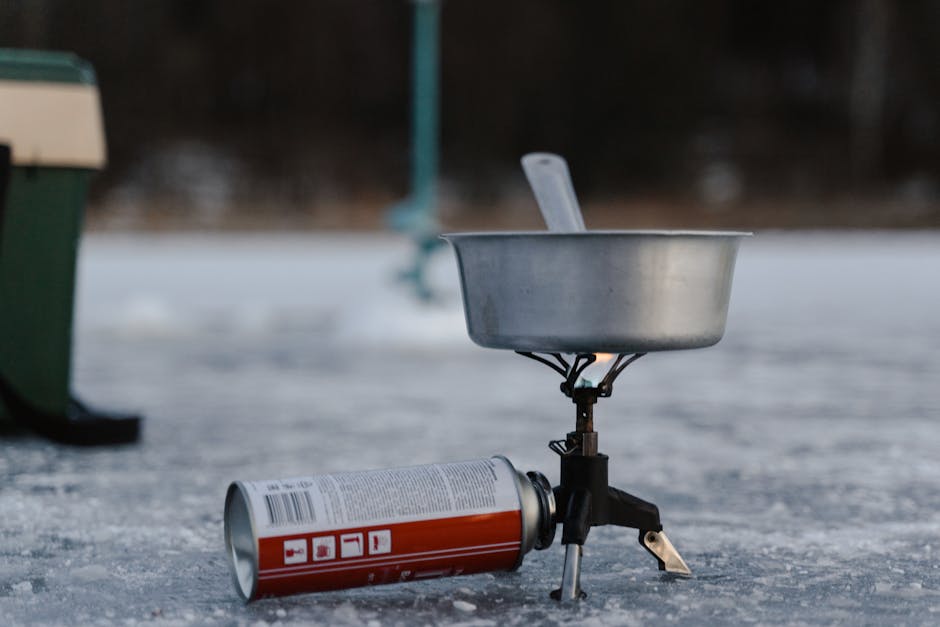
Cooking gear is essential. Simple items work best. A portable stove is handy. It helps prepare hot meals. Don't forget fuel for it. Pack pots and pans that are lightweight. A spork or multi-tool saves space. Bring matches or a lighter. Fire is important for cooking. Keep your gear organized and ready.
Tools And Navigation
Navigating the elements demands reliable tools in your survival kit. Maps, compasses, and GPS devices guide you through unfamiliar terrain. Essential gear enhances your ability to cope with challenging environments, ensuring safety and preparedness.
When venturing into the wild, having the right tools and knowing how to navigate can be the difference between a thrilling adventure and a daunting ordeal. Whether you're hiking through dense forests or exploring vast desert landscapes, being equipped with reliable tools and navigation aids is essential. It ensures not only your safety but also enhances your overall outdoor experience. Let’s dive into the essentials that should be part of your survival kit for mastering the elements.
Multi-tools And Knives
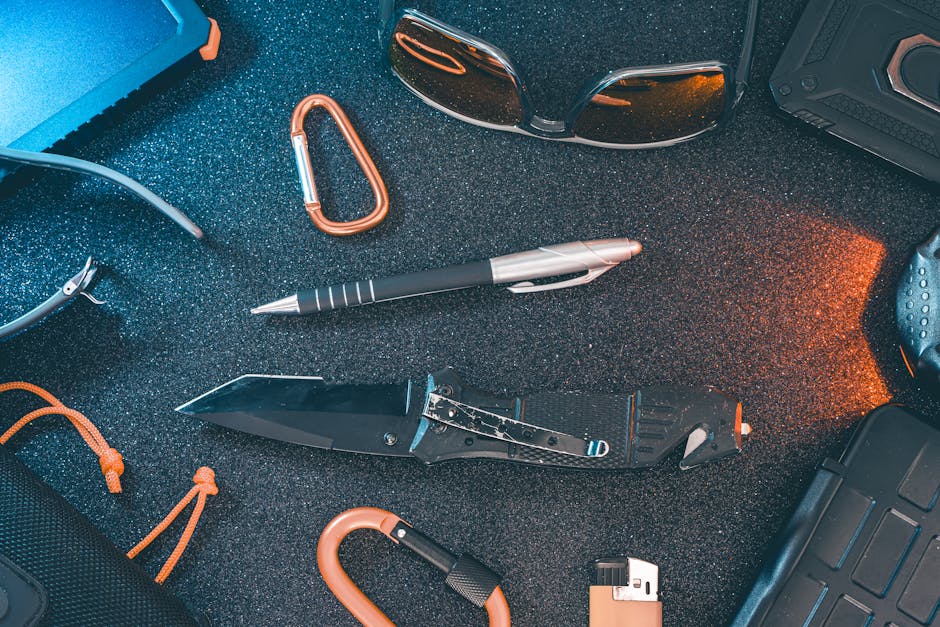
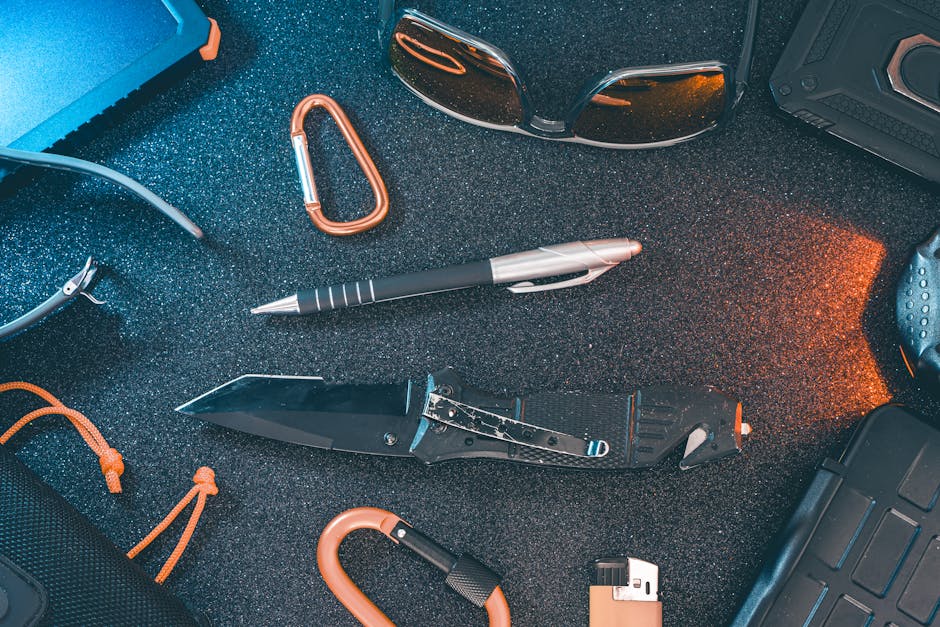
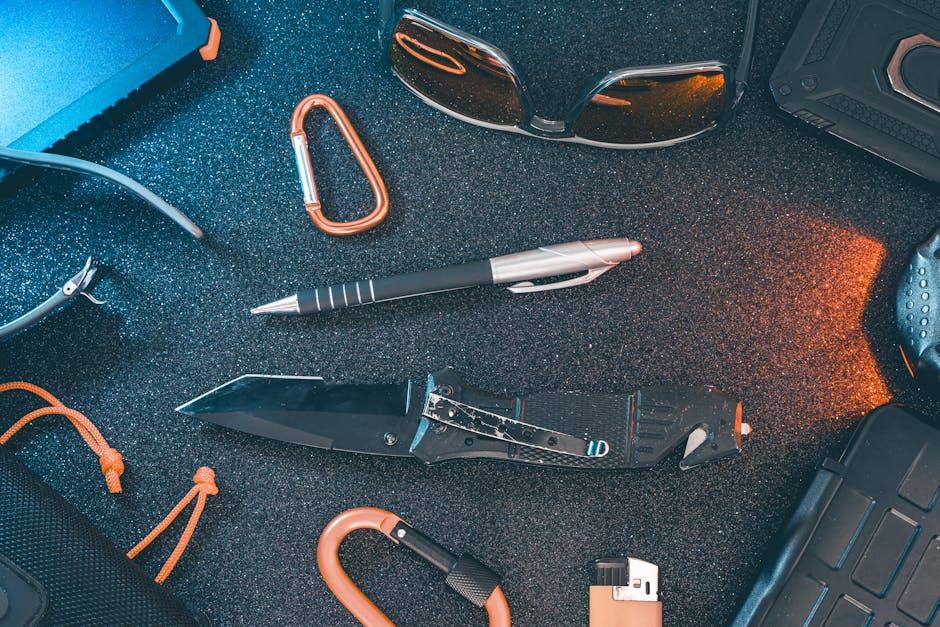
A multi-tool is your pocket-sized toolkit. It can be a lifesaver when you're miles away from civilization. From cutting rope to opening cans, a high-quality multi-tool is indispensable. Choose one that includes a knife, pliers, and screwdrivers. Knives are another must-have. A sturdy, sharp knife can assist with food preparation, crafting shelter, or even as a means of protection. Remember, the best knife is the one you have when you need it.
Maps And Compasses
In an age of digital dependency, maps and compasses might seem outdated. However, they are time-tested tools that don't require batteries or signals. A topographic map of your area can reveal trails, elevation changes, and water sources. A compass complements your map. It helps you maintain your direction even when landmarks are obscured. Practice using both before heading out. It’s a skill that builds confidence in your ability to navigate the unknown.
Gps Devices
GPS devices are like having a personal guide in your pocket. They provide real-time data on your location, helping you track your path and find your way back if you stray off course. Choose a durable, weather-resistant model for outdoor adventures. While GPS is incredibly useful, never rely on it alone. Remember, technology can fail. Always carry a backup, like a map and compass. Have you ever thought about what you would do if your GPS stopped working in the middle of nowhere? Incorporating these tools into your survival kit makes you prepared and boosts your confidence outdoors. Each tool has its purpose and knowing when and how to use them can make all the difference. So, what’s in your survival kit? Are you ready to face the elements with confidence?
First Aid And Safety
Imagine you're out in the wild, surrounded by the raw beauty of nature. Suddenly, you trip and scrape your knee, or the weather takes an unexpected turn. What do you do? This is where a well-prepared survival kit becomes your lifeline. First aid and safety are crucial components of any survival kit, ensuring that you can handle minor injuries and stay secure in unpredictable situations. Let's dive into the essentials that make up this vital aspect of survival.
Basic First Aid Kit
A basic first aid kit is your frontline defense against injuries. It should include:
- Bandages of various sizes for cuts and scrapes
- Antiseptic wipes to clean wounds
- Adhesive tape to secure bandages
- Gauze pads for larger wounds
- A small pair of scissors for cutting tape or gauze
- Tweezers to remove splinters or debris
- Over-the-counter pain relievers like ibuprofen
Think about the last time you had to deal with a blister during a hike. A simple bandage can make a world of difference. Having these items on hand ensures you're prepared to tackle minor injuries and keep going.
Fire Starters And Lighting
Staying warm and visible can be critical, especially when stranded. A reliable fire starter is essential:
- Waterproof matches for wet conditions
- A lighter for quick ignition
- Compact fire starter sticks or blocks
- A flashlight or headlamp with extra batteries
During a camping trip, a friend once struggled to start a fire with damp wood. Thanks to a trusty fire starter stick, we soon had a roaring fire. Can you imagine the comfort of a warm fire in a chilly evening? This not only aids warmth but also signals for help.
Personal Safety Gear
Staying safe involves more than just treating injuries. Consider these items:
- A whistle to signal for help
- A reflective emergency blanket for warmth and visibility
- A multi-tool for various tasks
- Sun protection like sunscreen and sunglasses
I recall a solo hike where I got slightly off trail. A whistle ensured I could alert fellow hikers nearby. How would you handle such a situation? The right safety gear empowers you to navigate challenges and feel secure.
Having a well-equipped survival kit means you're ready for anything nature throws your way. What items do you consider essential for your own survival kit? Your preparedness might just be your greatest ally.
Communication Devices
In a survival situation, communication devices are vital. They connect you to the outside world, signaling help when needed. These tools can be life-saving, ensuring you stay informed and connected. Having reliable communication devices is a must in your survival kit.
Radios And Walkie Talkies
Radios and walkie talkies are essential for survival. They allow you to listen to weather updates and emergency broadcasts. These devices keep you aware of changing conditions. Walkie talkies are great for short-range communication. You can talk to your group even in dense forests. Choose models with long battery life and clear reception. This ensures you can communicate anytime, anywhere.
Emergency Beacons
Emergency beacons alert rescuers to your location. They send signals to search and rescue teams. These devices are compact and easy to use. Activating a beacon can save your life. They work in remote areas where cell phones fail. Always check the battery and functionality. Keeping an emergency beacon in your kit is crucial.
Signal Mirrors
Signal mirrors are simple yet effective. They reflect sunlight to attract attention. Use them to signal planes or distant boats. The bright flash can be seen from miles away. Signal mirrors are lightweight and easy to carry. Practice using them before heading out. Knowing how to use a signal mirror can make a difference in survival situations.
Power And Lighting
In the wilderness, power and lighting are crucial for safety and convenience. Without them, survival becomes challenging and risky. A reliable power source keeps your devices charged. Effective lighting helps you navigate in the dark. Let's explore essential tools for power and lighting.
Portable Chargers
Portable chargers are compact and easy to carry. They ensure your devices stay powered. Choose one with high capacity for longer trips. USB ports allow charging multiple devices. Look for durable and water-resistant models. They withstand harsh environments.
Solar Panels
Solar panels provide eco-friendly power. They use sunlight to charge devices. Perfect for long outdoor adventures. Lightweight and foldable designs are ideal. Ensure they have high efficiency. This maximizes power generation. Some models offer direct USB charging.
Headlamps And Flashlights
Headlamps free up your hands while lighting your path. Look for adjustable brightness settings. This adapts to different needs. Flashlights are versatile and compact. Consider models with long battery life. Waterproof options are best for wet conditions. Always carry spare batteries.
Emergency Preparedness
Being ready for emergencies is more than just having a few supplies on hand. It's about knowing what to do when things don't go as planned. Whether you're facing a natural disaster or an unexpected situation, a well-prepared survival kit can make all the difference. Let's dig into how you can be prepared with essential knowledge and tools.
Survival Guides And Manuals
Having a survival guide can be your lifeline during emergencies. These guides offer detailed instructions on how to handle different scenarios. Keep a guide in your kit for easy access when you need it most.
Choose a manual that covers a wide range of situations. Look for ones with easy-to-follow illustrations. This ensures that you understand what to do, even if you're panicked.
Some people find it helpful to write key points from these guides in a personal notebook. This makes it easier to remember important steps. You can tailor it to your specific needs and environment.
Training And Skills
Imagine having the skills to keep yourself and others safe. Basic first aid and CPR can be life-saving. Consider taking a course to boost your confidence and readiness.
Regular practice is key. Skills can fade if not used often. Set a reminder to refresh your knowledge every few months.
Think about the environment you're most likely to encounter. If you live near water, learning to swim and perform water rescues could be crucial. Tailor your training to suit your lifestyle.
Mental Preparedness
Staying calm during an emergency is challenging. Yet, mental readiness is just as important as physical preparation. How will you react under pressure?
Visualization techniques can help. Picture yourself handling emergencies with composure. This mental exercise can make real situations less daunting.
Connect with others who share your interest in preparedness. This community can offer support and share experiences. Learning from others can prepare you mentally for what might come.
Are you ready to face the unexpected? Taking small steps now can have a big impact later. Equip yourself with the knowledge and skills you need to face any challenge head-on.
Frequently Asked Questions
What Essentials Are In A Survival Kit?
A survival kit should include water, food, first aid supplies, and a multi-tool. Also, add a flashlight, matches, and a whistle. Personal items like medications and important documents are crucial. Proper clothing for the environment is essential. Always customize your kit for specific needs.
How To Choose A Survival Kit Container?
Select a durable, waterproof container with ample space for essentials. It should be easy to carry and organize. Consider containers with compartments for better organization. A backpack or a hard case with a secure closure is recommended. Ensure it's easily accessible during emergencies.
Why Is A Multi-tool Important In Survival Kits?
A multi-tool offers versatility, combining essential tools like knives, pliers, and screwdrivers. It's compact and lightweight, saving space in your kit. Useful for repairs, food preparation, and emergency situations. Having a multi-tool can significantly increase your ability to adapt and survive in challenging conditions.
How Often Should You Update A Survival Kit?
Review and update your survival kit every six months. Check expiration dates on food, water, and medications. Replace items as needed and consider seasonal changes. Update personal items like documents and contact information. Regular updates ensure your kit remains effective and ready for emergencies.
Conclusion
Preparing a survival kit ensures readiness for any situation. Essential items like water, food, and a first-aid kit can make a big difference. Remember to include tools for communication and navigation. Regularly check and update your kit for maximum effectiveness.
Stay informed about the weather and local conditions. Being prepared brings peace of mind. It helps you face challenges confidently. A well-stocked kit is a smart step towards safety. Equip yourself for the elements. Prioritize your safety and well-being. Stay prepared and stay safe.