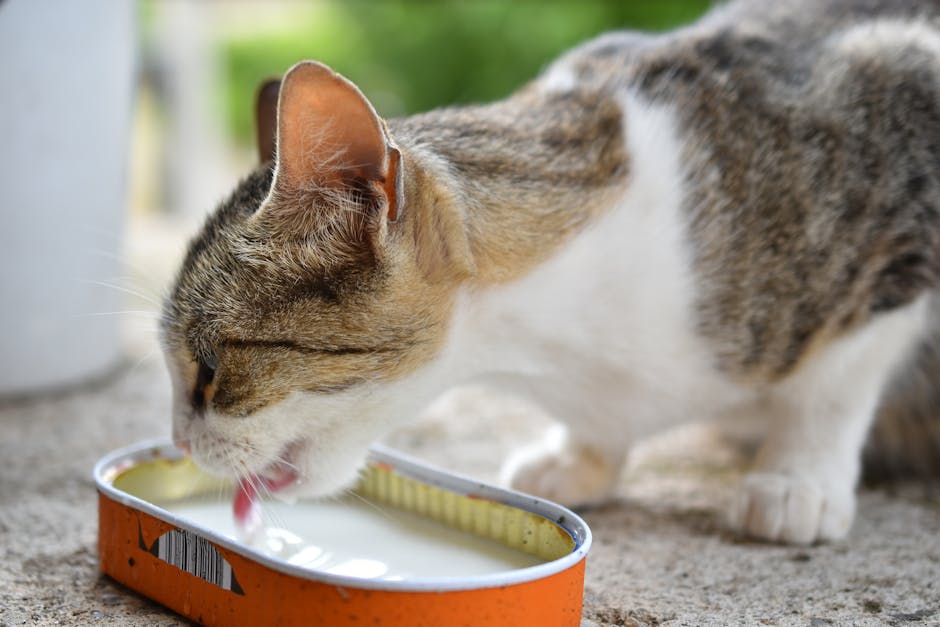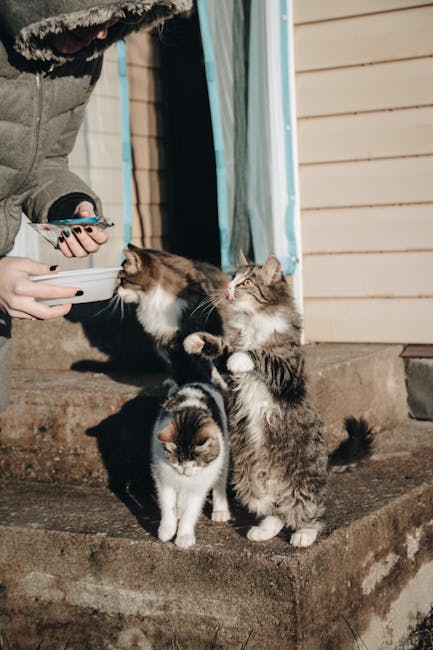
Imagine it's late at night, and you're rummaging through your pantry, only to realize you're out of dog food. Your loyal canine companion is looking up at you with those pleading eyes, and the only pet food you have is cat food.
Panic sets in as you wonder, "Can I feed my dog cat food in an emergency? " You're not alone in this dilemma. Many pet owners have faced similar situations, and the answer isn't as simple as you might think.
In this blog post, we're going to dive into the differences between dog and cat food, explore the potential risks and benefits, and help you make an informed decision when you're caught in a pinch. Keep reading, because understanding this could make all the difference for your furry friend's health and happiness.
Differences Between Dog And Cat Food
Dog and cat food differ in nutrients and ingredients, designed specifically for each species' needs. Dogs may eat cat food in emergencies, but it's not ideal long-term. Cat food lacks certain nutrients dogs need for health.
Feeding your dog cat food in an emergency might seem like a convenient solution, but understanding the differences between dog and cat food is crucial. Dogs and cats have distinct dietary needs, shaped by their evolutionary paths and biological functions. As pet owners, knowing these differences can help you make informed decisions even in unexpected situations.
Nutritional Composition
Dog and cat food are formulated to meet specific nutritional requirements for each species. Dogs are omnivores, while cats are obligate carnivores. This means cats need a diet rich in proteins and certain amino acids, like taurine, that are typically found in animal tissues. Dog food tends to have more carbohydrates and fiber because dogs can digest a wider range of food.
Protein Sources
Protein is essential in both dog and cat food, but the sources can differ. Cat food usually contains higher levels of animal-based proteins, essential for maintaining their health. Dogs can thrive on a diet with a more varied protein source, including plant-based proteins. If you feed your dog cat food, it might get too much protein, which could lead to kidney issues over time.
Fat Content
Fat is another critical component where dog and cat food differ. Cats need more fat in their diet compared to dogs. This is due to their higher energy requirements. Dog food typically has a balanced fat content suitable for dogs' metabolism. Feeding your dog cat food might supply excessive fat, leading to weight gain and other health issues. Think about your pet's long-term health when making emergency feeding choices. Have you ever had to feed your dog cat food? Did you notice any changes in their behavior or digestion? Understanding these differences can prepare you for such unexpected scenarios and ensure your pet stays healthy.
Impact Of Feeding Cat Food To Dogs
Feeding cat food to dogs in emergencies might seem harmless. It is important to understand its impact. Cats and dogs have different nutritional needs. Cat food contains more protein and fat. It lacks essential nutrients dogs require. This can lead to digestive issues and long-term health risks.
Digestive Issues
Dogs may experience stomach upset after eating cat food. Their bodies aren't designed for the high protein levels. Vomiting and diarrhea can occur. Some dogs might handle it better. But many will face discomfort. It can also lead to dehydration. Always watch for signs of distress.
Long-term Health Risks
Feeding cat food regularly poses health risks for dogs. It lacks vital nutrients like vitamin E and zinc. These are essential for a dog's health. Cats need taurine in their diet. Dogs don't need it in the same amount. Over time, inadequate nutrients can affect their organs. Muscle development might be impaired. Obesity is another risk due to high fat content. A balanced diet is crucial for dogs. Always aim for dog-specific food to maintain their health.
Short-term Feeding Solutions
In emergencies, feeding your dog cat food can be a temporary solution. Dogs can digest cat food, but it lacks essential nutrients for long-term health. Always return to dog food as soon as possible.
When you find yourself in a tight spot with an empty dog food bag, it's crucial to know how to handle the situation. Feeding your dog cat food in an emergency is not ideal, but it can be a temporary solution if done cautiously. In these moments, having a backup plan for short-term feeding can be a lifesaver. Let's explore some safe alternatives and homemade emergency meals to keep your furry friend healthy and happy until you can restock.
Safe Alternatives
If you have cat food on hand, you might wonder if it's safe for your dog. While it's not harmful for short-term use, it shouldn't become a regular part of your dog's diet. Cat food is richer in protein and fat, which can lead to digestive upset in dogs if consumed in large amounts. Consider other options that might be available in your kitchen. Plain cooked chicken or turkey, without seasoning, can be a great substitute. Boiled rice or pasta can act as fillers to provide some energy. Canned pumpkin is another safe choice that aids digestion.
Homemade Emergency Meals
Creating a homemade meal for your dog can be easier than you think. A simple combination of protein and carbohydrates can keep your dog satisfied. For instance, you can mix cooked eggs with boiled potatoes for a quick and nutritious meal. Don't forget to add some vegetables like carrots or peas. These are generally safe and offer vitamins and minerals. Just ensure they are cooked and cut into small pieces to prevent choking. You might have a personal story where you realized the importance of being prepared. One evening, I ran out of dog food and had to improvise with what was in my pantry. My dog ended up enjoying a meal of scrambled eggs, rice, and a bit of carrot. That experience taught me to always keep a small emergency stash of dog-friendly foods. What would you do in such a situation? It's always good to think ahead and have a plan ready. Having a few emergency recipes can save the day and keep your pet content until you can get to the store.
Signs Of Nutritional Deficiency
Feeding your dog cat food in an emergency might lead to nutritional deficiencies. Dogs need specific nutrients found in dog food. Long-term feeding of cat food can cause health issues, such as lack of energy or skin problems.
Understanding the signs of nutritional deficiency in dogs is crucial, especially if you find yourself in a situation where you've fed your dog cat food during an emergency. While a one-time meal of cat food might not be harmful, prolonged consumption can lead to nutritional imbalances. Dogs and cats have different dietary needs, and recognizing the early signs of deficiency can help you take timely action to ensure your dog’s well-being.
Behavioral Changes
Your dog's behavior is often a direct reflection of their health. You might notice your normally energetic pooch becoming lethargic. A sudden change in appetite, such as refusing their usual food, can also signal an issue. Some dogs may become irritable or anxious, which is not their usual temperament. If your dog is exhibiting unusual behavioral patterns, it could be due to a lack of essential nutrients. Pay close attention to these changes, as they often speak volumes about their health.
Physical Symptoms
Physical signs of nutritional deficiency can manifest in various ways. A dull coat and dry skin are common indicators that your dog isn’t getting the nutrients they need. You may also notice excessive shedding or dandruff. Weight changes, either gaining or losing weight unexpectedly, can be a red flag. Additionally, recurring digestive issues such as diarrhea or constipation might suggest that your dog's diet is lacking balance. Have you ever noticed your dog showing these signs after a change in their diet? Being proactive and observant is key to ensuring your furry friend stays happy and healthy. Always consult with a vet if you’re unsure about your dog's nutritional needs.
Steps For Switching Back To Dog Food
In emergencies, feeding your dog cat food temporarily is okay. Gradually reintroduce dog food by mixing it with cat food. Slowly increase the dog food portion over several days to help your pet adjust.
In emergencies, you might feed your dog cat food. But it's important to switch back to dog food. Dogs need specific nutrients from their food. Cat food lacks those essential nutrients. Switching back to dog food ensures your dog stays healthy. Follow these steps for a smooth transition.
Gradual Transition
Switch back to dog food gradually. Sudden changes can upset your dog's stomach. Start by mixing a small amount of dog food with cat food. Increase the dog food amount slowly each day. This helps your dog adjust to the new food. Over a week, aim for a full switch to dog food. Patience is key. Your dog's health depends on it.
Monitoring Health
Watch your dog closely during the switch. Look for any signs of discomfort. Vomiting, diarrhea, or lethargy indicate problems. If you notice these, slow the transition. Consult your vet if symptoms persist. Ensure your dog drinks enough water. Hydration is crucial for digestion. A smooth transition leads to a happy, healthy dog.
Preventive Measures For Future Emergencies
In emergencies, feeding your dog cat food can be a temporary solution. Dogs and cats have different nutritional needs. For a short time, cat food may suffice, but dog-specific food should be provided as soon as possible to ensure proper health.
When faced with an emergency where your dog might accidentally eat cat food, it's essential to think ahead and prevent such situations in the future. Taking proactive steps can save you stress and ensure your pet's well-being. By preparing in advance, you can handle emergencies with confidence and keep your furry friend healthy.
Stocking Essentials
Make sure your pantry is always stocked with enough dog food. Calculate how much your dog eats in a week, and keep an extra week’s worth of supply. This buffer helps during unexpected delays in restocking or other emergencies. Consider buying vacuum-sealed packs of dog food. They last longer and are easy to store. Having these on hand ensures your pet always has a meal available. You might also think about keeping some canned dog food. Canned options can last for years and are a great backup when dry food runs low.
Creating A Backup Plan
Identify local pet stores that deliver, especially those with quick turnaround times. Having this information at your fingertips can be a lifesaver in sudden shortages. Consider forming a network with fellow pet owners in your area. A simple call or text might get you access to emergency supplies they have. This community approach ensures mutual support in times of need. Think about setting reminders for regular pet supply reviews. Just like you schedule vet visits, scheduling a monthly check on your pet supplies can prevent future shortages. Have you ever found yourself in a pet food emergency? Share your experiences in the comments and help others learn from them. Your stories could be the reason another pet stays safe and healthy.
Frequently Asked Questions
Is Cat Food Safe For Dogs Short-term?
In emergencies, feeding your dog cat food for a short period is generally safe. However, it's not ideal as cat food lacks specific nutrients dogs need. Always return to dog food as soon as possible to ensure your pet receives a balanced diet tailored to their needs.
What Are The Risks Of Feeding Dogs Cat Food?
Feeding your dog cat food occasionally might lead to digestive issues. Long-term consumption can cause nutritional imbalances and health problems due to excess protein and fat. It's crucial to provide a diet specifically formulated for dogs to maintain their health and well-being.
How To Switch Back To Dog Food?
Gradually reintroduce dog food by mixing it with cat food over a few days. This transition helps avoid digestive upset. Gradually increase the proportion of dog food until it's 100% dog food. Always monitor your dog’s reaction during this transition and consult a vet if needed.
Can Puppies Eat Cat Food In Emergencies?
Puppies have specific nutritional needs for growth. Feeding them cat food in emergencies is not ideal but can be done short-term. Ensure a quick return to puppy-formulated food to support their development and health. Always consult a veterinarian for guidance in such situations.
Conclusion
Feeding your dog cat food once is not ideal. Dogs and cats need different nutrients. Cat food lacks what dogs require. Monitor your dog closely if fed cat food. Seek vet advice if problems arise. Always keep dog food stocked for emergencies.
Prioritize your pet's health and well-being. Learn about their dietary needs. Consider alternatives like homemade meals if stuck. Ensure safe ingredients for your dog. Stay informed about pet nutrition. Balanced diet means a happy, healthy dog. Plan ahead to avoid future food dilemmas.
Your dog's health deserves attention and care.