Imagine you’re faced with a sudden emergency and need to act fast. What items would you grab?
Your ability to respond effectively can make all the difference. Having a well-prepared emergency survival kit is crucial. But what exactly should be in it? You might be wondering if you have everything you need or if you’re missing something important.
By reading further, you'll discover the essential items that should be in your emergency survival kit. This knowledge will give you peace of mind, knowing you're prepared for anything life throws your way. Let's ensure you’re equipped to protect yourself and your loved ones when it matters most.
Basic Necessities
In times of crisis, having an emergency survival kit is crucial. Basic necessities ensure your safety and well-being. These essentials help you survive during unexpected situations. Let's explore the core components of a survival kit.
Water And Hydration
Water is vital for survival. Keep at least one gallon per person daily. Aim for a three-day supply. Consider water purification tablets. These help in case of contamination. Store water in durable, sealed containers. Hydration is key to staying healthy.
Food And Nutrition
Food provides energy and sustenance. Pack non-perishable items like canned goods. Choose foods with high nutritional value. Include protein bars and dried fruits. They offer necessary nutrients and are easy to store. Rotate food supplies regularly. This ensures freshness and quality.
Shelter And Warmth
Shelter protects you from harsh weather. Pack a lightweight tent or tarp. Include a reflective blanket for warmth. These items help maintain body heat. Add extra clothing and a hat. They shield you from the cold. Staying warm is essential for survival.
Safety And Protection
In times of crisis, safety and protection become paramount. An emergency survival kit ensures you're prepared. Equipping yourself with the right items can make a difference. Prioritize safety to protect yourself and your loved ones.
First Aid Supplies
First aid supplies are crucial in any emergency kit. Band-aids, gauze, and antiseptic wipes treat minor injuries. Include pain relievers and allergy medications. A first aid manual guides you in unfamiliar situations. Scissors, tweezers, and adhesive tape are useful tools. Prepare for medical emergencies with these essentials.
Personal Safety Items
Personal safety items offer protection in uncertain times. A whistle alerts others to your location. Pepper spray deters potential threats. Consider a multi-tool for various needs. A flashlight ensures visibility in the dark. Include extra batteries for long-lasting use. Warm clothing and blankets protect against harsh weather.
Tools And Equipment
An emergency survival kit should include essential items like a flashlight, first-aid kit, and water purification tablets. Also, pack non-perishable food, a multi-tool, and a whistle. These tools and equipment are vital for safety and preparedness during unexpected situations.
When preparing an emergency survival kit, tools and equipment are essential for ensuring you can handle unexpected situations. These items are not just add-ons but are crucial for your safety and well-being during emergencies. From finding your way in the wilderness to handling simple repairs, having the right tools can make a significant difference. Imagine finding yourself lost without a map or trying to fix a broken zipper with your bare hands. Equip yourself wisely, and you'll be more confident to face whatever challenges come your way.
Navigation Tools
Getting lost is a real possibility in emergencies. That's why having reliable navigation tools is crucial. A compass is a simple yet effective tool that can help you find your direction. It's lightweight and doesn't rely on batteries, making it a dependable choice. A map of your local area and surrounding regions is indispensable. Digital maps might not always be accessible, so a physical map ensures you know where you are and where you need to go. Keep them in a waterproof container to protect them from the elements. Even though you may rely heavily on your smartphone, a GPS device can be a lifesaver. Unlike phones, dedicated GPS units are designed to work in remote areas with no cell service. They offer precise location details and can guide you back to safety.
Multi-purpose Tools
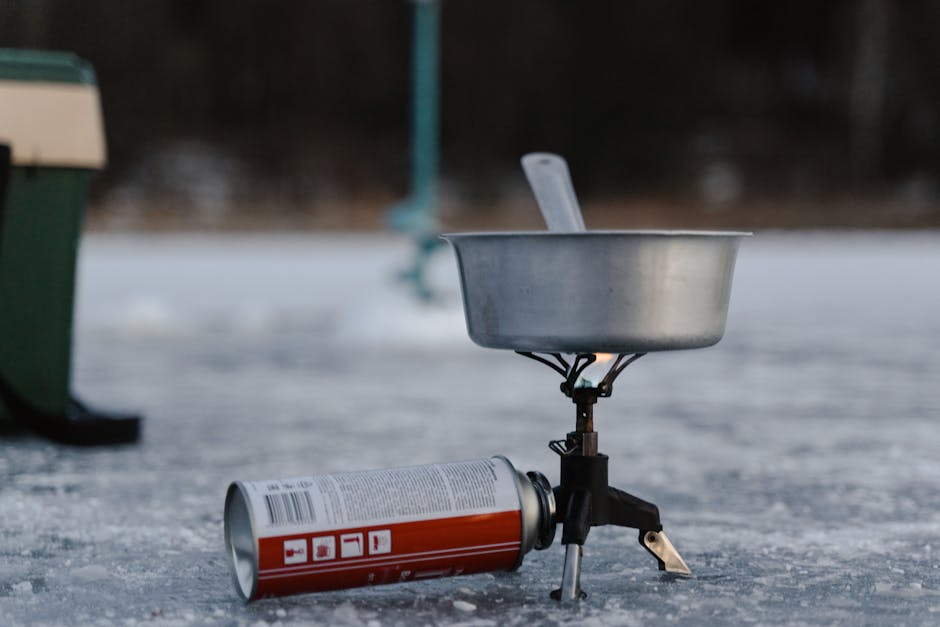
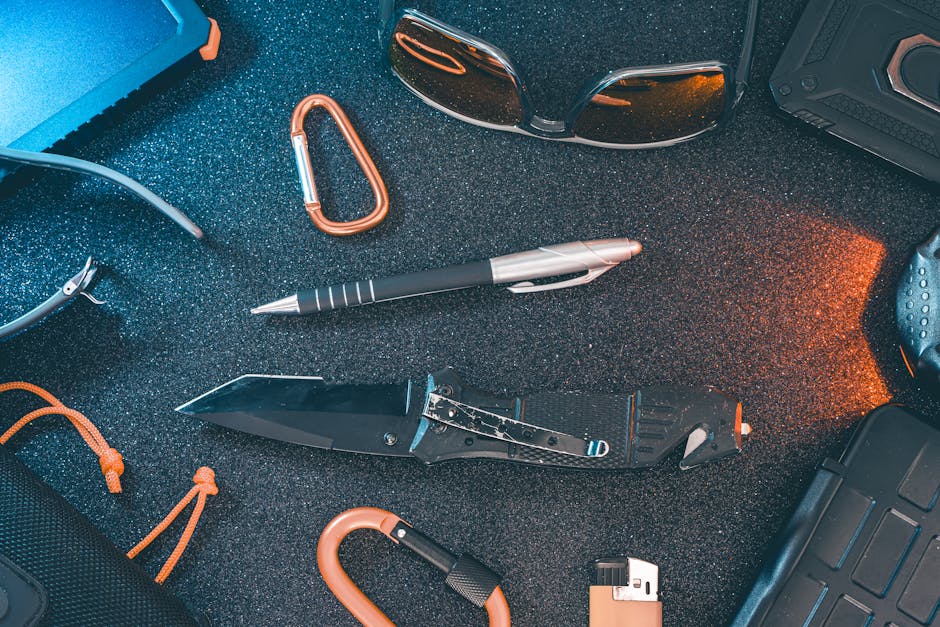
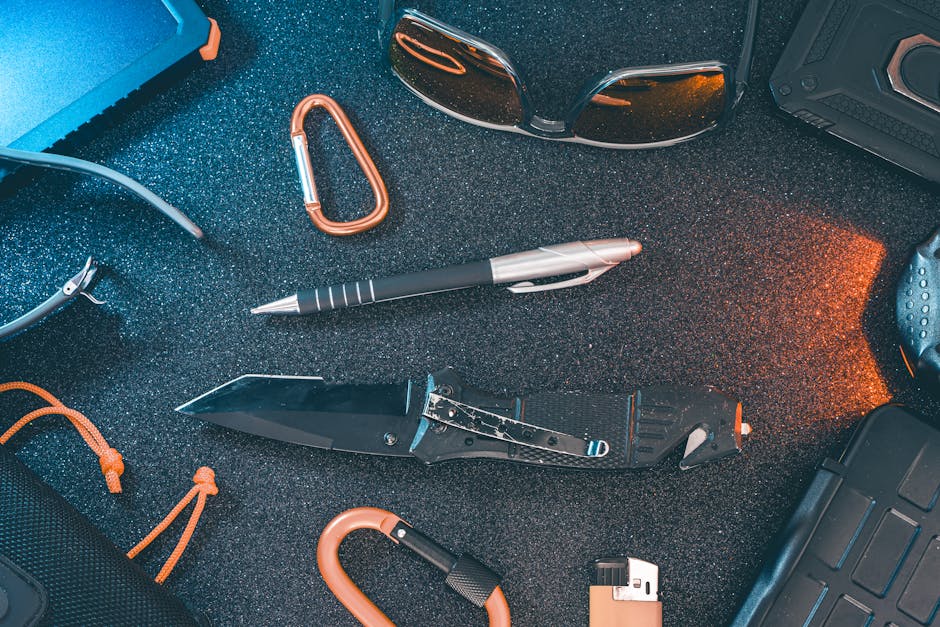
Think about a tool that can do it all. That's what a multi-tool offers, and it's a must-have in any survival kit. With features like a knife, pliers, screwdrivers, and scissors, it can help you tackle various tasks. Whether you're cutting rope or opening a can, a multi-tool is your go-to solution. A fire starter is another versatile tool you should pack. Matches and lighters can fail in wet conditions, but a fire starter ensures you'll have warmth and a way to cook food. Practice using it beforehand so you're not figuring it out when you need it most. Consider including a duct tape roll. It may sound simple, but duct tape's uses are endless. From patching a tent to securing a splint, it's a quick fix for many problems. It's lightweight and easy to carry, yet it packs a punch when needed. What tools have you found indispensable in your survival kit? Equipping yourself with the right tools is about more than just being prepared—it's about being proactive and ready to face the unexpected.
Communication Devices
Having reliable communication devices in your emergency survival kit can be a game-changer. Imagine the peace of mind knowing you can call for help or receive vital information during a crisis. Communication devices keep you connected to the outside world, providing updates and guidance when you need them most. Let's dive into the essential communication tools that should be part of your kit.
Emergency Radios
Emergency radios are your lifeline during a disaster. These gadgets can tune into AM/FM and NOAA weather channels, offering real-time updates. A crank or solar-powered radio ensures you never run out of battery. I remember when a storm knocked out power for days; my radio kept me informed about the situation and rescue efforts. Without it, I would've felt lost. Don't underestimate the power of staying informed.
Signal Devices
Signal devices like whistles or mirrors are critical for attracting attention. Picture yourself stranded in a remote area—how would you call for help? A whistle can be heard over long distances, while a signal mirror reflects sunlight to catch someone's eye. These devices are small but mighty in emergencies. I once hiked in a dense forest and lost my way; a whistle saved me, guiding rescuers to my location. Would you be prepared to signal for help?
Adding these communication devices to your emergency kit ensures you're ready for unexpected situations. Could you imagine facing a crisis without being able to call for help or receive updates? Equip yourself with these essentials and stay connected when it matters most.
Personal Care
Personal care in an emergency is vital. It maintains hygiene and comfort. An emergency survival kit should address these needs. It ensures your well-being in challenging situations. A well-prepared kit boosts resilience and confidence. Let's explore key elements of personal care in your survival kit.
Hygiene Essentials
Basic hygiene items prevent illness and discomfort. A toothbrush and toothpaste are crucial. Clean teeth help you feel fresh. Wet wipes are versatile. They clean hands, face, and other body parts. Hand sanitizer is a must. It kills germs when water is unavailable. Include travel-sized soap. Soap ensures cleanliness and fights bacteria. Pack a small towel for drying. It can double as a cloth for various tasks.
Comfort Items
Comfort items ease stress in emergencies. Pack lip balm to prevent dry lips. Moisturizing lotion soothes dry skin. A small comb or brush keeps hair tidy. Earplugs help you sleep in noisy environments. A sleep mask blocks light for better rest. These items help maintain comfort and morale. They might seem minor, but they make a big difference.
Important Documents
When preparing an emergency survival kit, one crucial aspect often overlooked is the inclusion of important documents. In times of crisis, having quick access to these papers can save you a lot of stress and confusion. Imagine needing to verify your identity or medical history during an emergency without the necessary documents—it's not a situation you'd want to be in. Let's dive into which documents should find a place in your kit.
Identification Papers
Your identification papers are among the most critical items to include. They prove who you are and can be vital in many situations. Consider packing copies of your passport, driver's license, and social security card.
Think about this: if you need to evacuate to another region or country, having these documents handy can make a significant difference in your journey. Are you prepared to show proof of identity at a moment's notice?
Medical Records
Medical records are equally important. These documents can provide life-saving information during emergencies. Include copies of your health insurance card, a list of medications you take, and any critical medical history.
Picture this: you're in a situation where immediate medical care is required, and you can't communicate your medical history. Having these records can ensure you receive the right treatment promptly. How ready are you to share your medical information when it matters most?
Incorporating these important documents into your emergency survival kit ensures you're prepared for whatever comes your way. Don't wait until it's too late to gather these papers. Take action now and make sure you're equipped to handle unexpected challenges with confidence.
Additional Items
Emergency survival kits need more than just basics. Essential items include water purification tablets, a flashlight, and a first aid kit. A multi-tool can be useful for various situations.
When preparing for unexpected situations, having the right items in your emergency survival kit can be a lifesaver. While essentials like food, water, and medical supplies are crucial, additional items can significantly enhance your preparedness. These items might not seem immediately necessary, but they can play a critical role in ensuring your safety and comfort during emergencies. Let's explore two important additions: cash and currency, and local maps.
Cash And Currency
Imagine finding yourself in a situation where digital payment systems are down, and you need to purchase necessities. Having cash on hand can be indispensable. It's wise to keep small denominations so you can easily make transactions without needing change. Consider local currency, especially if you're in a foreign country. You never know when you'll need to pay for a taxi, buy food, or secure a safe place to stay. Do you have enough cash stashed away to help you navigate through a crisis?
Local Maps
In the age of smartphones, you might overlook the importance of physical maps. Yet, when batteries die and signals drop, a local map becomes invaluable. Picture yourself needing to find a safe route out of a disaster zone without digital guidance. A detailed map of your area, including back roads and landmarks, ensures you can orient yourself and plan an escape route. Have you considered how a simple paper map could be your guide to safety when technology fails? Adding these items to your emergency kit might seem like small steps, but they can make a big difference in an emergency. Are you prepared for the unexpected?
Frequently Asked Questions
What Essential Items Should Be In An Emergency Kit?
An emergency survival kit should include water, non-perishable food, a first aid kit, flashlights, and batteries. It's important to have a multi-tool, whistle, and personal documents. Don't forget personal hygiene items and a portable phone charger. Tailor the kit to your family's needs for optimal preparedness.
How Much Water Should Be Stored In A Kit?
Store at least one gallon of water per person per day. Plan for a minimum of three days. This ensures sufficient drinking water and sanitation needs. Consider adding purification tablets or a filter for emergencies. Adjust the quantity based on your family's size and specific requirements.
Why Include A First Aid Kit In Survival Gear?
A first aid kit is crucial for addressing injuries during emergencies. It should contain bandages, antiseptic wipes, and pain relievers. Include scissors, tweezers, and medical gloves. A comprehensive kit helps manage minor injuries, preventing complications. Tailor the contents based on family health needs and potential risks.
Are Non-perishable Foods Necessary In A Kit?
Non-perishable foods are essential for long-term survival situations. Choose items like canned goods, dried fruits, and energy bars. They have a long shelf life and provide necessary nutrients. Consider dietary restrictions and preferences when selecting foods. Regularly check expiration dates and rotate stock to ensure freshness.
Conclusion
An emergency survival kit is essential for safety and readiness. Every home should have one, packed with necessary items. Water, food, and first aid supplies are crucial. Also, include flashlights and batteries. Don't forget a whistle and multipurpose tool. Personal documents and maps are helpful too.
Regularly check and update the kit's contents. Preparedness brings peace of mind. It ensures quick action in emergencies. Stay safe by being ready for any situation. Building a survival kit is a smart step. Always be proactive about your safety.
Your future self will thank you.