Imagine finding yourself in an unexpected situation where having the right tools can make all the difference. Whether you're hiking in the wilderness or facing a sudden emergency at home, a personal survival kit can be your lifeline.
You might be wondering how to create one that's effective and tailored to your needs. You're in the right place. You'll discover simple steps to build your own survival kit, ensuring you’re prepared for anything life throws your way. By the time you finish reading, you'll feel empowered and ready to take on any challenge with confidence.
Let's dive into the essentials that will help you stay safe and secure, no matter where you are.
Choosing The Right Container
Choosing the right container is crucial for your personal survival kit. It's the first step towards ensuring your essentials are safe and accessible when you need them. The container you select can make or break your kit's effectiveness in a crisis. Let's dive into the key aspects you should consider.
Size And Portability
Think about where you'll store and carry your survival kit. Will it be in your backpack, car, or on your belt? The container's size should match its intended location. A bulky container might hold more items but could be a hassle to carry.
Balance is key. Choose a size that accommodates your essentials without becoming cumbersome. A compact container is ideal for portability. You’ll appreciate the ease of carrying it during an unexpected hike or a long commute.
Durability And Waterproofing
Your container needs to withstand the elements. Picture yourself in a sudden downpour or dusty environment. A durable container protects your gear, ensuring it remains functional when you need it most.
Waterproofing is equally important. A leaky container can ruin your supplies. Look for materials like sturdy plastic or metal that offer both durability and water resistance. Imagine the relief of knowing your matches and first-aid supplies are safe from moisture.
Consider these factors carefully. How will your chosen container hold up in different scenarios? By prioritizing size, portability, durability, and waterproofing, you'll build a personal survival kit that stands the test of time and weather. What type of container are you thinking about for your kit?
Basic Survival Tools
Building a personal survival kit? Start with the basics. Basic survival tools ensure safety and preparedness. Choose items that are versatile and effective. They should be lightweight and durable. Let's delve into the essentials.
Multi-tool Selection
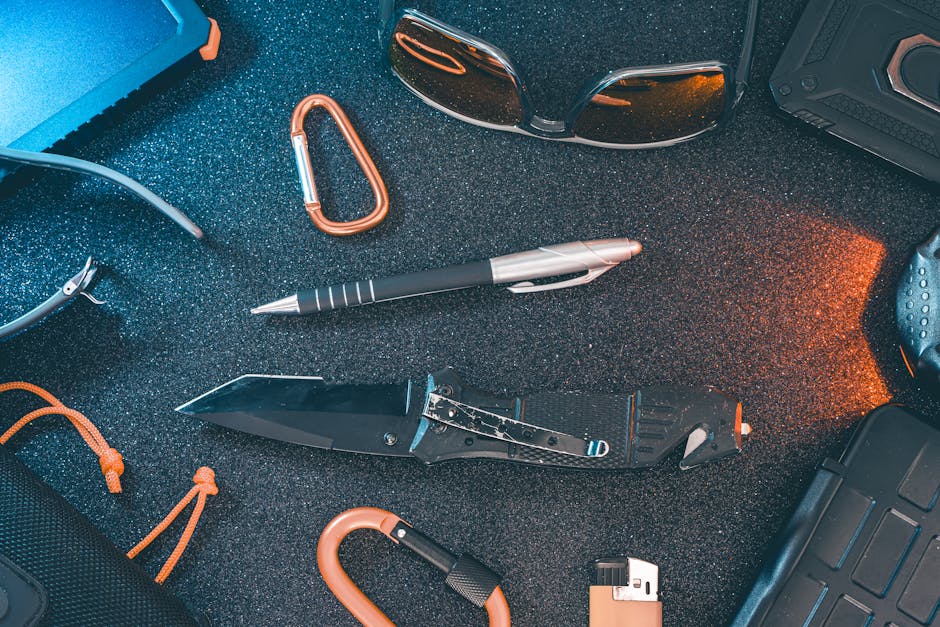
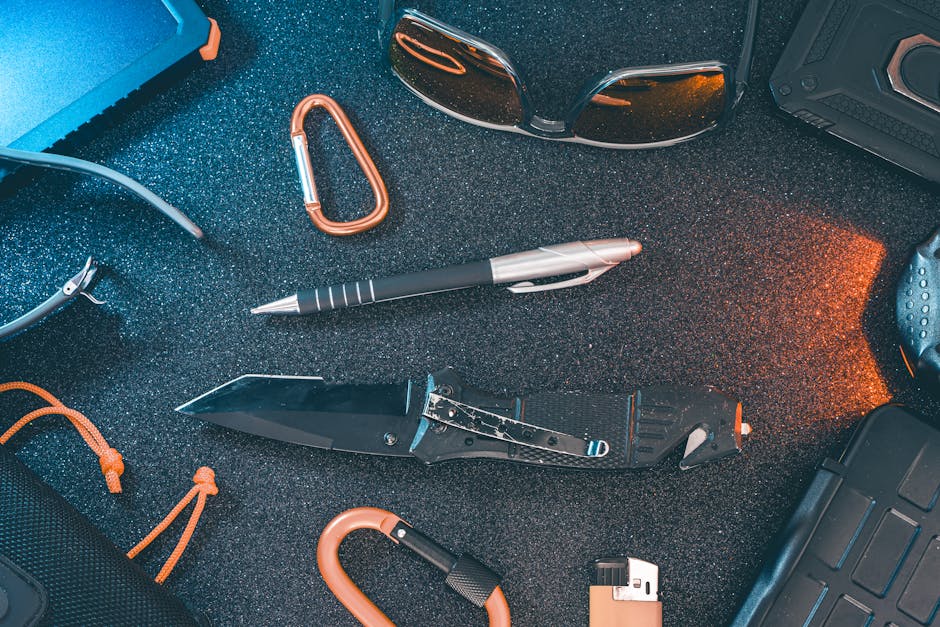
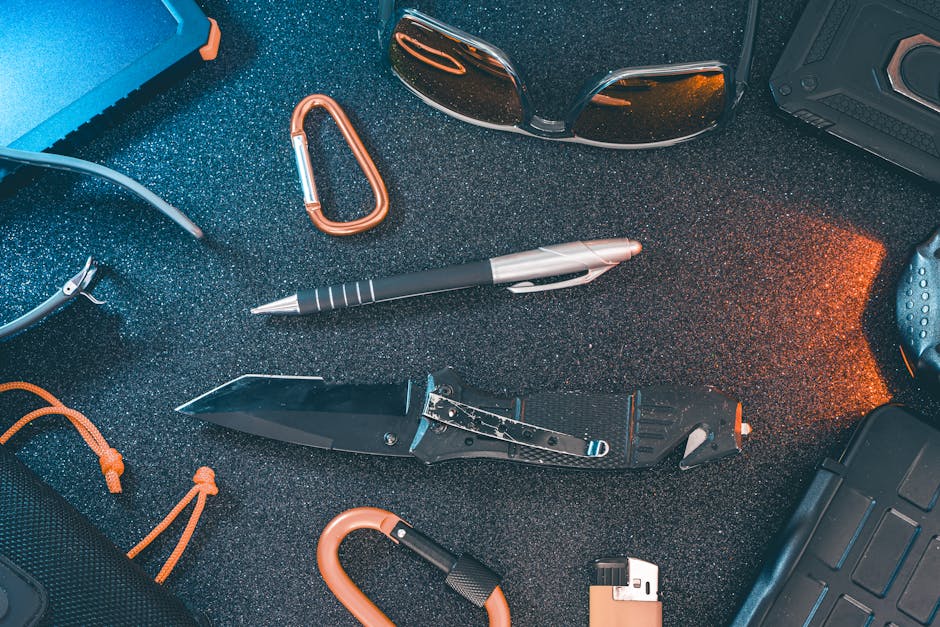
A good multi-tool is vital in survival kits. It combines several tools in one. Look for a multi-tool with a knife, screwdriver, and pliers. Consider its weight and size. Stainless steel is a reliable choice. It resists rust and lasts longer.
Fire Starting Equipment
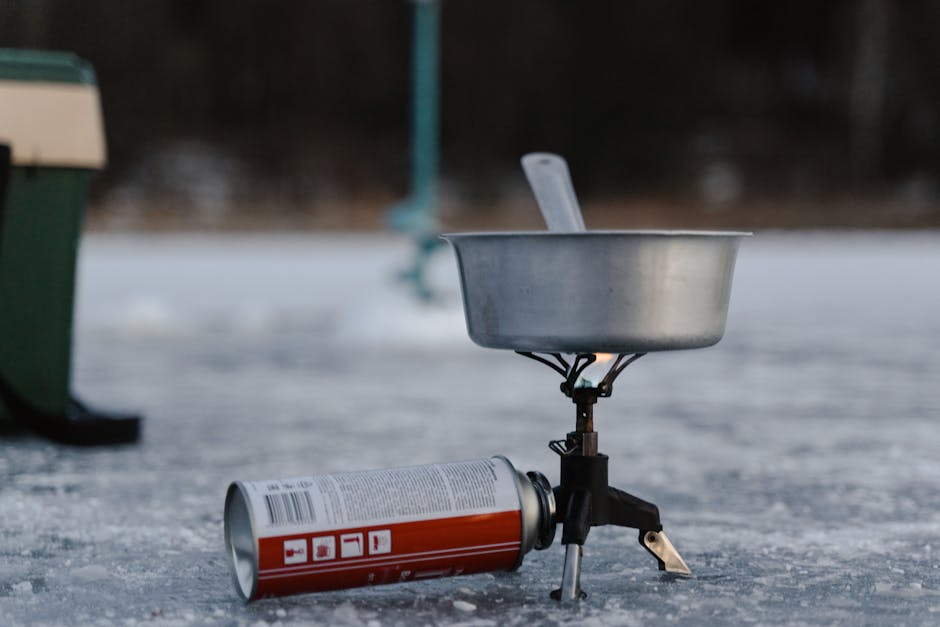
Fire is crucial for warmth and cooking. Carry waterproof matches in your kit. A fire starter rod is also effective. It works even when wet. Pack some tinder in a waterproof bag. Dry leaves or cotton balls work well. Always test your fire-starting tools.
Navigation Aids
Getting lost can be dangerous. A compass is essential for navigation. Choose one that is easy to read. A map of the area is also important. Protect it in a waterproof case. A GPS device adds extra security. Ensure it has charged batteries.
First Aid Essentials
Crafting a personal survival kit ensures readiness for emergencies. Pack essentials like bandages, antiseptic wipes, and a flashlight. Add a multi-tool, whistle, and water purification tablets. Keep everything in a waterproof bag. Stay prepared for any situation with this simple setup.
Creating a personal survival kit is crucial for emergency preparedness, and first aid essentials should be at the top of your list. Imagine finding yourself in a situation where help is delayed. Having the right tools can make all the difference. Whether you're dealing with minor injuries or serious incidents, a well-stocked first aid kit can provide you with the peace of mind that you're ready to handle whatever comes your way. Let's delve into the essential components you should include.
Basic Medical Supplies
Start with the basics. Adhesive bandages of different sizes are essential for minor cuts and scrapes. Sterile gauze pads and adhesive tape help manage larger wounds. Consider adding a small pair of scissors for cutting gauze and tape. Antiseptic wipes or solution are vital for cleaning wounds to prevent infection. Tweezers can be handy for removing splinters or debris from wounds. If you've ever had to deal with a painful splinter, you'll appreciate having a pair on hand.
Emergency Medications
Think about the medications you might need in an emergency. Pain relievers like ibuprofen or acetaminophen are a must for managing pain and reducing fever. Include antihistamines to combat allergic reactions. If you've ever experienced a sudden allergy attack, you'll understand their importance. Prescribed medications should also be part of your kit. If you rely on daily medication, pack a few days' supply in your kit. You never know when you might be stranded without access to a pharmacy. When assembling your personal survival kit, consider the situations you've encountered in the past. Were you prepared? What did you wish you had? Reflecting on these experiences can guide you in creating a kit that truly meets your needs. Are there items you think you’ll need but haven’t included yet? Make sure your kit is a reflection of your personal experiences and potential emergency scenarios.
Food And Water
When preparing a personal survival kit, food and water are crucial elements. They ensure sustenance and hydration in unforeseen situations. Selecting the right items and methods can make a difference in emergencies.
Non-perishable Food Items
Choose foods that have a long shelf life. Canned goods are a great option. They stay fresh for years and require no refrigeration. Granola bars and nuts provide essential nutrients and energy. Dried fruits offer vitamins and a sweet treat. Ensure packaging is durable to prevent spoilage.
Freeze-dried meals are light and easy to carry. They only need hot water for preparation. A variety of flavors keeps meals interesting. Instant soups and noodles are also practical choices. They are quick to prepare and filling. Don't forget to include utensils and a can opener.
Water Purification Methods
Access to clean water is vital in survival situations. Water purification tablets are compact and effective. Just drop one in a bottle and wait. They kill harmful bacteria and viruses. Boiling water is a reliable method too. Heat it for at least one minute to ensure purity.
Portable water filters are handy and efficient. They remove contaminants through a filtration process. Ensure you have extra filters in your kit. Consider a UV light purifier for fast results. It uses ultraviolet light to purify water quickly. Having multiple methods ensures safe drinking water.
Shelter And Warmth
Creating a personal survival kit ensures safety and comfort in emergencies. Include a thermal blanket for warmth. A compact tent or tarp provides shelter from harsh weather.
When you're out in the wild or facing an unexpected emergency, ensuring you have shelter and warmth can be a life-saving priority. Imagine the chill of the night setting in, with temperatures dropping and no immediate protection at hand. This is why a personal survival kit should always include essential items for shelter and warmth. Whether you're an avid hiker, a casual camper, or someone who just wants to be prepared, having these components can make all the difference in your survival experience.
Compact Shelter Options
Finding the right shelter doesn't mean lugging around a heavy tent. You can opt for lightweight, compact options. Consider a simple emergency bivvy bag or a tarp. These items are small enough to fit in a backpack but can provide crucial protection from the elements. A bivvy bag acts like a mini shelter, enclosing your body and retaining heat. Tarps, on the other hand, offer versatility. You can use them to create a makeshift tent or even a ground cover. Have you ever tried setting up a tarp shelter in your backyard just for practice? It’s a fun activity and can be a real eye-opener.
Warm Clothing And Blankets
Packing warm clothing is just as important as your shelter. Think layers. A thermal base layer, fleece jacket, and a waterproof outer layer can keep you both dry and warm. The materials you choose are key; synthetics like polyester or wool are excellent because they insulate even when wet. In addition to clothing, add a compact emergency blanket. These are designed to reflect your body heat back to you, and they take up virtually no space. An experience worth sharing is the surprise of how such a thin sheet can drastically improve warmth in a cold situation. Are you prepared for sudden weather changes? With these items, you will be. The goal is to ensure your body remains at a stable, warm temperature, and this combination of items can help achieve that. Always remember, the right gear can turn a potentially dangerous situation into a manageable one.
Communication And Signaling
Imagine being in a situation where you need help but can't communicate with the outside world. That's where communication and signaling tools in a personal survival kit come in handy. These tools are vital in ensuring you can reach out for assistance when needed. Whether you find yourself in a dense forest or a remote mountain, having reliable communication devices can make all the difference. Let’s dive into some essential items you should consider adding to your survival kit.
Whistles And Mirrors
A whistle is more than just a simple noise maker. It's a powerful tool that can alert rescuers to your location. They are lightweight, easy to carry, and can be heard over long distances. Imagine being lost during a hiking trip; a whistle can quickly grab attention.
Mirrors are another effective signaling device. They can catch the sunlight and direct it towards a potential rescuer. My friend once used a mirror to signal a search helicopter during a camping trip gone wrong. It worked like magic! Ensure the mirror is small, durable, and easy to pack.
Portable Communication Devices
Having a portable communication device can be a game-changer. Walkie-talkies are excellent for keeping in touch with others in your group, especially in areas with no cellphone reception. They're simple to use and can transmit over several miles.
Consider investing in a satellite phone for more remote adventures. They might be pricey, but their ability to connect you to emergency services anywhere in the world is invaluable. Ask yourself, is your safety worth the investment?
Remember, each tool has its unique advantages. Choosing the right ones for your kit depends on where you plan to go. What communication tools can you rely on to keep you safe?
Lighting And Power
A personal survival kit needs effective lighting and power sources. Pack a flashlight and spare batteries for emergencies. Include a portable charger to keep devices running when power is scarce.
Lighting and power are essential components of any personal survival kit. Imagine finding yourself in a pitch-dark situation, where the faintest glow can be a beacon of hope. Having reliable lighting and power sources not only helps you see but also keeps your devices charged for communication and navigation. Let's explore the tools that will illuminate your path and keep your gadgets powered up.
Flashlights And Headlamps
Flashlights are compact and powerful, offering focused beams for specific tasks. Choose a flashlight that's durable, waterproof, and has multiple brightness settings. Rechargeable models save you from the hassle of constantly replacing batteries. Headlamps, on the other hand, are perfect when you need hands-free lighting. They're invaluable for setting up camp or searching for supplies at night. Opt for adjustable headbands and a red-light mode to preserve night vision. Imagine hiking at dusk and realizing you need both hands to navigate rough terrain. A headlamp can be your best companion, freeing your hands while lighting your path. Have you ever tried adjusting your tent in the dark? A headlamp makes that task a breeze.
Backup Power Sources
In a survival situation, keeping your devices charged is crucial. Power banks are compact and lightweight, providing multiple charges for your phone or GPS. Select one with a high mAh rating for more power capacity. Solar chargers are another option, harnessing the sun's energy to keep your devices alive. They're particularly useful if you're outdoors for extended periods. Look for foldable models that easily fit into your kit. Consider the unpredictable nature of emergencies. What happens if you're cut off from the grid? Having a backup power source ensures your gadgets are ready when you need them most. Have you ever needed to make an urgent call, only to find your phone dead? A well-chosen power bank can prevent that frustrating scenario. In crafting your personal survival kit, the right lighting and power solutions can make all the difference. Equip yourself wisely, and you'll be ready for whatever the night throws your way.
Personal Documents And Money
Creating a personal survival kit involves organizing essential items, including personal documents and money. These items ensure quick access during emergencies, offering peace of mind. Always keep copies of ID, medical records, and emergency cash in a waterproof bag.
Creating a personal survival kit is not just about packing food and medical supplies. It’s also crucial to include personal documents and money. Imagine needing to evacuate quickly. Would you have your essential paperwork and emergency cash ready? Having these items organized can make a huge difference in a crisis. In this section, we'll discuss how to effectively prepare these vital components of your survival kit.
Important Document Copies
Start by making copies of critical documents. This includes your ID, passport, birth certificate, and insurance papers. You never know when you might need to prove your identity or access vital services. Store these copies in a waterproof pouch. It's amazing how a little water can ruin paper. Keep the originals in a safe place, but always have copies with you in your kit. Digital copies can be a lifesaver too. Save them on a secure cloud storage or a USB drive. This way, even if the physical copies are lost, you have a backup.
Emergency Cash And Cards
Cash is king in emergencies. ATMs might not work during a power outage. Having small bills can be incredibly helpful. Consider how much cash you might need for a few days. This varies by individual but think about food, transport, and basic supplies. A credit card is also useful. It’s a good backup when cash runs out. Make sure it’s a card that you can easily pay off later. Keep these items secure but accessible. A hidden pocket in your kit can be a smart choice. Think about your last vacation, when you needed just a little extra cash for an unexpected taxi ride. Planning for such scenarios can save you stress in urgent times. What unique methods do you use to keep your documents and cash safe? Share your tips with fellow readers in the comments.
Psychological Preparedness
Building a personal survival kit means more than gathering supplies. Your mindset plays a crucial role in survival situations. Mental strength can be your biggest ally. Staying calm and focused helps in making wise decisions. Keeping your spirits up boosts resilience.
Stress Management Techniques
Stress is inevitable in emergencies. Learning to manage it is vital. Breathing exercises calm the mind. Practice deep breathing to relax. Counting breaths helps to focus. Meditation offers mental clarity. Even a few minutes daily can make a difference. Visualization is another tool. Picture a peaceful scene. Feel the calm wash over you.
Positive Mindset Tools
Positivity is powerful in tough times. Repeating affirmations boosts confidence. Say phrases like "I am strong" or "I can handle this". Journaling is therapeutic. Write down thoughts and feelings. It helps in processing emotions. Gratitude shifts focus from fear. List things you are thankful for. It uplifts spirits and encourages hope.
Frequently Asked Questions
What Items Are Essential For A Survival Kit?
A survival kit should include water, non-perishable food, a first-aid kit, a flashlight, a multi-tool, and a whistle. Pack waterproof matches, a space blanket, and a map. Customize it according to your needs and environment. Ensure all items are in good condition and replace them when expired.
How Should I Store My Survival Kit?
Store your survival kit in a waterproof, durable backpack or container. Keep it in an easily accessible location, such as a closet near your main exit. Ensure everyone in your household knows its location. Regularly check and update the kit’s contents to ensure everything is functional and not expired.
How Often Should I Update My Survival Kit?
Update your survival kit every six months to ensure all items are in good condition. Check expiration dates on food, medicine, and batteries. Replace damaged or expired items promptly. Consider seasonal changes and adjust clothing or gear accordingly. Regular updates keep your kit effective and reliable during emergencies.
What Size Should My Survival Kit Be?
The size of your survival kit depends on your needs and storage space. It should be compact enough for easy transport but large enough to hold essential items. Prioritize lightweight, multi-use items to maximize space. Ensure it's manageable to carry, especially during emergencies requiring quick evacuation.
Conclusion
Creating a personal survival kit is essential. It prepares you for emergencies. Start with basics like food, water, and a first-aid kit. Add tools like a flashlight and a multitool. Customize based on your needs and location. Regularly check and update your kit.
This ensures items are functional and not expired. Practice using the tools in the kit. Familiarity boosts confidence during emergencies. Remember, a well-prepared kit provides peace of mind. Your safety and readiness are priorities. Stay prepared, stay safe.