Imagine waking up to the sound of heavy rain pounding against your windows, only to realize that the water level is rising rapidly outside your door. Floods can strike without much warning, and when they do, being prepared can make all the difference.
But what exactly do you need in a flood survival kit? The answer could mean the difference between safety and chaos for you and your loved ones. In this guide, you'll discover the essential items that could help you stay safe and secure during a flood emergency.
Equip yourself with the knowledge to build a kit that not only meets your needs but also gives you peace of mind in the face of nature's unpredictability. Dive into the details now, and ensure that when the waters rise, you're ready.
Basic Necessities
Flood survival kits are essential for safety during natural disasters. Preparing a kit with basic necessities is crucial. These items ensure you have the essentials to stay safe and healthy.
Water And Purification
Water is vital in any emergency. Store at least one gallon per person daily. Consider including water purification tablets or a portable filter. These tools can help make unsafe water drinkable. Staying hydrated is key to survival.
Non-perishable Food
Food is another critical component. Choose items that don't spoil quickly. Canned goods, dried fruits, and nuts are great options. Easy-to-open packaging can be beneficial. Pack enough to last several days. Nutrition helps maintain energy and focus.
Shelter And Warmth
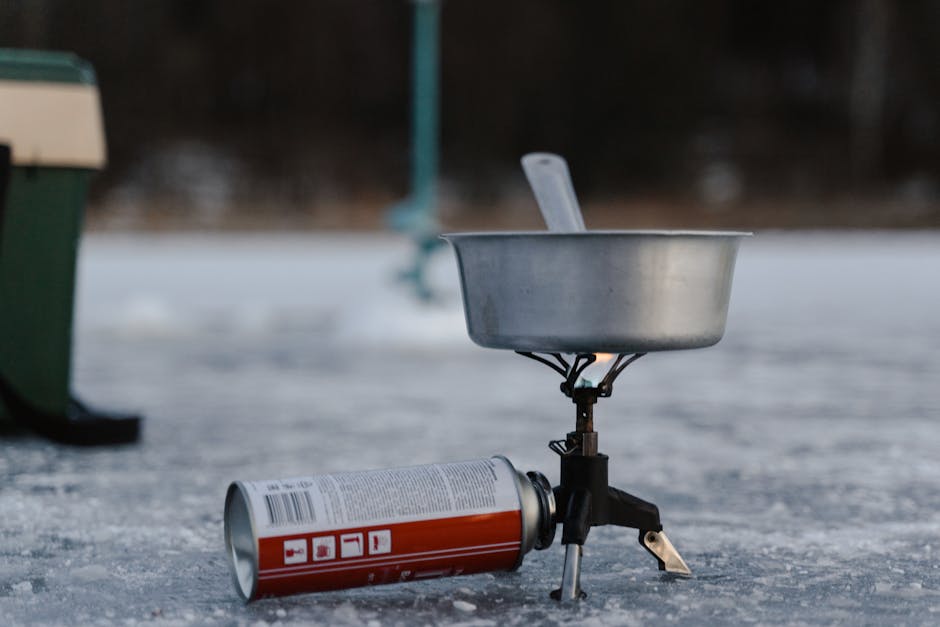
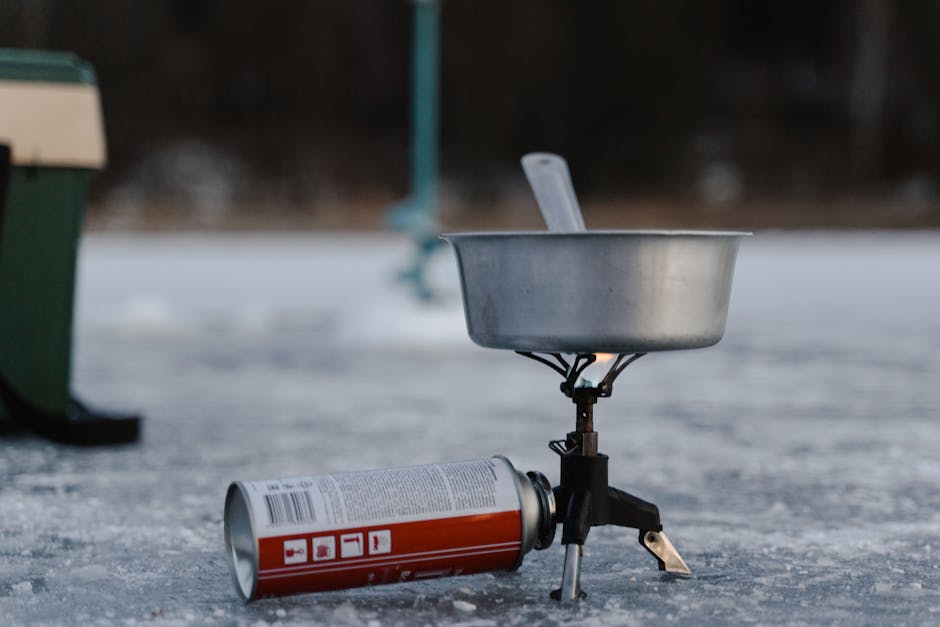
Flood survival kits must prioritize shelter and warmth. Include waterproof blankets, a sturdy tent, and thermal clothing to stay safe. Don’t forget a portable heating source for added warmth during emergencies.
When the unexpected happens and floodwaters rise, having a flood survival kit with the essentials for shelter and warmth can make all the difference. Imagine being caught in the rain without a dry place to sit or a way to stay warm. This is why including items for shelter and warmth is crucial. It's not just about comfort; it's about survival. In this section, we’ll explore two vital components you should have in your kit to ensure you stay protected and warm.
Emergency Blanket
An emergency blanket, often known as a space blanket, can be a lifesaver. It’s compact, lightweight, and designed to retain up to 90% of your body heat. You can easily slip it into your survival kit without taking up much space. Think about a time when the temperature suddenly dropped. An emergency blanket would have kept you warm and dry. These blankets are also waterproof and windproof, providing essential protection against the elements. They're not just for warmth; you can use them as a makeshift shelter by wrapping them around you or draping them over a frame.
Portable Tent
A portable tent is another essential item for your flood survival kit. It offers a temporary, secure space where you can stay dry and sheltered from the wind. Even a small, lightweight tent can provide the protection you need during a flood. Imagine setting up a tent in a matter of minutes as rain pours down. It offers a small sense of security in a chaotic situation. Choose a tent that’s easy to assemble and fits comfortably in your kit. A tent provides not only physical protection but also a psychological boost by giving you a private space in the midst of an emergency. Is your flood survival kit equipped to keep you warm and sheltered? Taking the time to ensure it is could be one of the best decisions you make. Prioritize your safety by preparing ahead of time with these essential items.
First Aid Supplies
Flood survival kits should include essential first aid supplies. Bandages, antiseptic wipes, and pain relievers are crucial. Consider adding a flashlight, water purification tablets, and a multi-tool. These items help address basic needs and emergencies during a flood.
In the face of a flood, having a well-stocked flood survival kit can make a crucial difference. One of the most important elements of this kit is the first aid supplies. Imagine being stuck in a situation where medical help is delayed due to waterlogged roads. Your first aid supplies become your lifeline. They offer immediate relief and can prevent minor injuries from escalating into serious health issues. But what exactly should you include in this essential part of your flood survival kit?
Medical Kit Essentials
A basic medical kit is a must-have. It should include band-aids, antiseptic wipes, gauze pads, adhesive tape, and tweezers. These items can help treat cuts and scrapes that might occur during an evacuation or cleanup. Consider adding a digital thermometer and instant cold packs to manage fevers and swelling. Scissors and safety pins can also be valuable for cutting bandages or securing dressings. Ask yourself: if someone got a small cut during an evacuation, would your kit be ready to handle it? Stocking up on these essentials ensures you are prepared for such eventualities.
Personal Medications
Your flood survival kit should also contain personal medications that you or your family members need daily. If anyone in your household takes prescription medications, pack enough to last at least a week. Include a list of these medications with dosage instructions. This can be useful if you need to get help from others or if a refill is necessary during the emergency. Have you thought about how you would manage without access to a pharmacy? Keeping a supply of your personal medications in your flood survival kit is a proactive step in managing your health during a crisis. Creating a comprehensive first aid section in your flood survival kit is not just about being prepared—it's about peace of mind. By ensuring you have the right supplies, you can focus more on keeping your family safe and less on the ‘what ifs’ of a flood emergency.
Communication Tools
When floodwaters rise, staying connected can be a lifeline. Communication tools are crucial for receiving alerts, calling for help, and staying informed about changing conditions. In a flood survival kit, these tools can make a significant difference in your ability to navigate emergencies.
Battery-powered Radio
A battery-powered radio is a must-have. When power lines go down, your smartphone might lose its charge quickly. A radio can keep you informed about weather updates and evacuation orders. Choose a model that supports AM/FM frequencies and consider one with NOAA weather channels.
Imagine being caught in a sudden flood without internet access. A simple radio can be your source of vital information. Don’t overlook spare batteries; they ensure your radio stays functional when you need it most.
Signal Whistle
A signal whistle is small but mighty. It can help rescuers find you in chaotic conditions. Unlike shouting, a whistle requires less energy and can be heard over long distances.
Picture yourself stranded on a rooftop. A whistle can cut through the noise, drawing attention to your location. It's lightweight, easy to carry, and could be your ticket to safety.
Have you considered how communication tools can directly impact your survival in a flood? Preparing with a radio and whistle might just save your life. These tools are simple, effective, and worth adding to your flood survival kit. Are you ready to stay connected when it matters most?
Lighting And Power
When a flood strikes, having a well-prepared survival kit can make all the difference. Among the essentials, lighting and power are crucial for ensuring safety and communication during power outages. Imagine being in total darkness, unable to navigate your surroundings or communicate with loved ones. This is where a reliable lighting and power setup becomes invaluable. By preparing in advance, you can maintain a sense of normalcy and safety even when conditions are challenging.
Flashlights
A flashlight is more than just a tool; it’s your guide in the dark. Compact and easy to store, flashlights are a must-have in your flood survival kit. Choose a durable, water-resistant model that can withstand the elements. Consider one that has multiple modes, like a strobe or SOS signal, which can be helpful for signaling rescuers.
You might think your smartphone's flashlight is enough, but it’s not always reliable during prolonged outages. A dedicated flashlight won’t drain your phone’s battery, keeping your communication device fully charged for emergencies. Keep at least two flashlights in your kit; one for yourself and one for others in your household. This ensures everyone has a light source when needed.
Extra Batteries
Imagine needing light, but your flashlight is dead. Avoid this nightmare by stocking up on extra batteries. Keeping a fresh supply of batteries in various sizes ensures that your devices will work when you need them most. Check your flashlight's battery requirements and match them with the right type and size.
Store your batteries in a cool, dry place within your survival kit to extend their life. Consider using rechargeable batteries along with a solar-powered charger. This setup allows you to recharge your batteries even during extended power outages. Think about the peace of mind you'll have, knowing your light sources can be recharged without needing electricity.
When preparing your flood survival kit, think about the last time you experienced a power outage. What did you wish you had? Share your thoughts in the comments below. Your experiences can help others prepare for the unexpected.
Personal Hygiene
Floods bring chaos, but maintaining personal hygiene is crucial. Cleanliness helps prevent diseases. A flood survival kit should include essentials for hygiene. These supplies keep you healthy and comfortable.
Sanitation Supplies
Sanitation supplies are vital in a flood survival kit. Include items like toilet paper and hand sanitizer. These keep germs at bay. A portable toilet can be useful. It provides a clean place for sanitation.
Moist Towelettes
Moist towelettes are handy for quick cleaning. They remove dirt and sweat. Towelettes are compact and easy to pack. Use them to clean your hands and face. They help maintain hygiene when water is scarce.
Clothing And Footwear
Flood survival kits must include waterproof clothing and sturdy footwear. Stay dry and protected from debris. Prioritize comfort and durability for safety in wet conditions.
When preparing your flood survival kit, clothing and footwear are vital components that can make a significant difference in your safety and comfort. Imagine wading through knee-high water in the wrong shoes or shivering in soggy clothing. It's not just about staying dry—it's about ensuring you’re equipped to face the challenges a flood might throw your way. Let’s dive into what you need to stay protected and mobile during a flood emergency.
Waterproof Gear
Waterproof clothing is essential. You need items that can repel water and keep you warm. Consider investing in a waterproof jacket with a hood. This will shield you from the rain and help regulate your body temperature. Think about layering. Moisture-wicking base layers can keep sweat off your skin, while a breathable yet waterproof outer layer will protect against external moisture. You want to stay dry, but also be able to move freely. Don’t forget waterproof pants. They offer protection from the rain and any water you might wade through. It’s not just about comfort—it’s about avoiding hypothermia in colder conditions.
Sturdy Footwear
Your choice of footwear can make or break your flood experience. Sneakers might seem comfy, but waterlogged shoes can lead to blisters and discomfort. You need sturdy, waterproof boots that provide ankle support and have a good grip. Rubber boots are a popular choice. They’re waterproof and designed to tackle wet environments. If you've ever tried crossing slippery terrain in flip-flops, you know the importance of a good grip. Consider the terrain you might face. Will you be walking through mud or over debris? Sturdy boots can protect your feet from sharp objects and uneven ground. It's not just about staying dry—it's about staying safe. Have you thought about socks? Waterproof socks can be a game-changer. They add an extra layer of protection and comfort, ensuring your feet stay dry even if water seeps into your boots. Take a moment and imagine being caught in a flood with inadequate footwear. Would you be able to move swiftly or safely? Ensuring your feet are well-protected can make all the difference in a flood scenario.
Tools And Equipment
Flood survival kits are essential for safety. Include waterproof bags, flashlights, batteries, and a first aid kit. Add bottled water, non-perishable food, and a whistle. These tools and equipment can help during emergencies.
When you're preparing a flood survival kit, having the right tools and equipment can make a significant difference in your safety and preparedness. Imagine a situation where the floodwaters are rising, and you're racing against time. Having a well-stocked kit with essential tools means you're ready for unexpected challenges. It's not just about having items; it's about having the right ones that are versatile and practical. Let's dive into some of the crucial tools and equipment that should be part of your flood survival kit.
Multi-tool
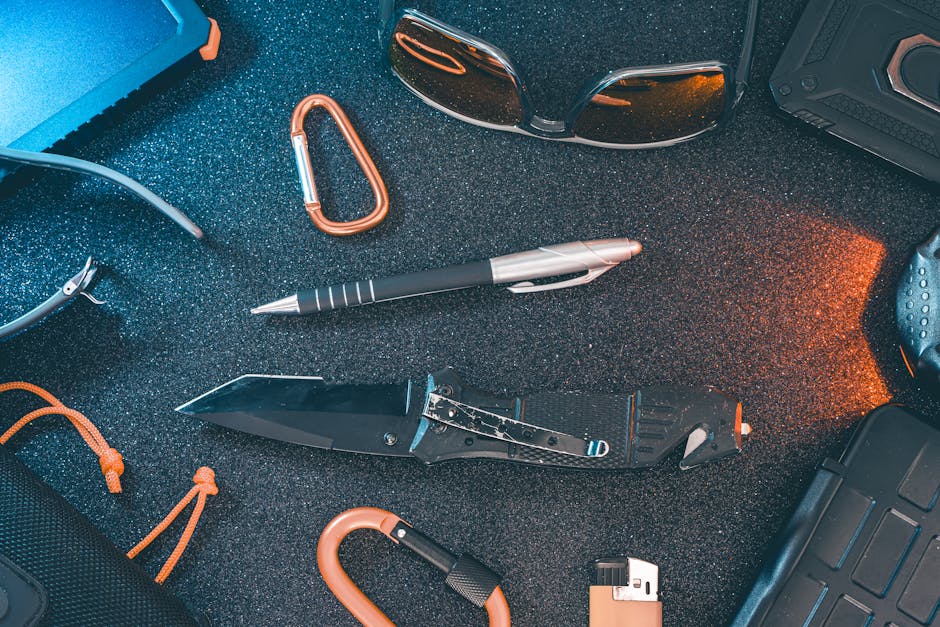
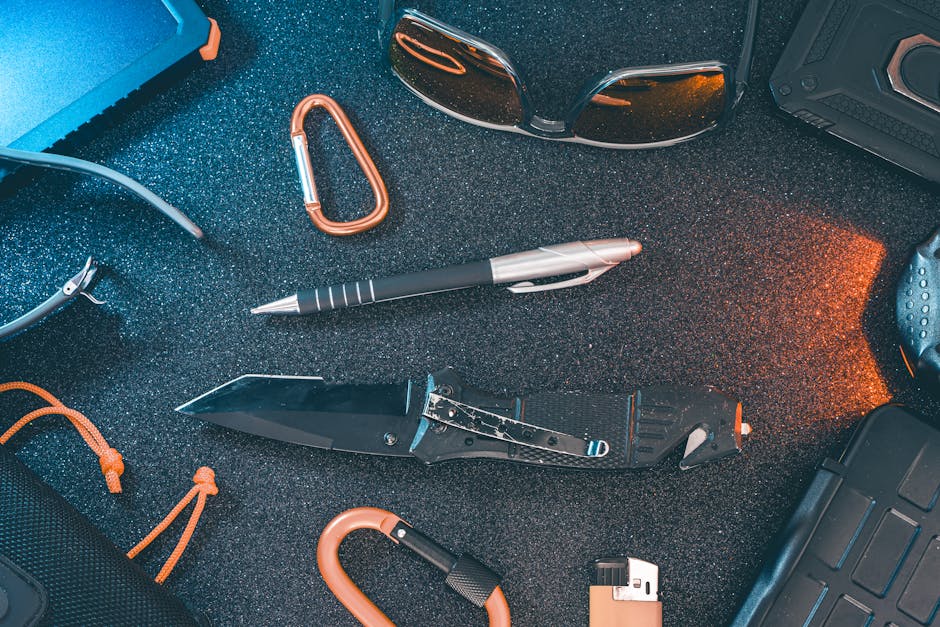
A multi-tool is an indispensable component of any survival kit. Its versatility can save you in numerous situations, from cutting ropes to opening cans. Picture yourself needing to fix a broken piece of gear or cut through a tangled fishing line; a multi-tool can handle it all. Most multi-tools include pliers, knives, screwdrivers, and scissors. These compact tools are lightweight and easy to carry, making them perfect for emergencies. If you've ever been in a situation where you needed a tool but didn't have one, you'll understand the peace of mind a multi-tool provides.
Duct Tape
Duct tape is often underestimated, but it’s a powerhouse in emergency situations. Its strength and versatility allow you to use it for quick repairs, sealing leaks, and even making temporary shelters. Think about how you could patch up a torn raincoat or secure a loose tarp with just a roll of duct tape. It's small, yet incredibly strong. Duct tape can even be used to create a makeshift splint in case of injury. Having a roll in your flood survival kit ensures you're ready for a variety of unexpected situations. Have you ever considered how many uses you can find for a roll of duct tape when you're in a pinch? Incorporating these tools into your flood survival kit can provide you with the resources needed to handle a variety of situations effectively. Whether it's a multi-tool for its all-in-one functionality or duct tape for its myriad of uses, being prepared means being equipped with the right gear. Are you ready to face the unexpected with confidence?
Important Documents
Keep important documents safe in a flood survival kit. Include IDs, insurance papers, and medical records. Store them in waterproof bags to protect against water damage.
In the chaos of a flood, it's crucial to have a flood survival kit ready, packed with essential items to keep you safe and prepared. One key element often overlooked is your important documents. Imagine the anxiety of losing your identity or not being able to contact loved ones during such a crisis. Having your important documents organized and ready can offer peace of mind and facilitate smoother recovery processes. Let's delve into the specifics of what you should include under important documents.
Identification Papers
Your identification papers are not just pieces of paper; they are your gateway to proving who you are. In the aftermath of a flood, you may need these documents for various reasons—accessing emergency services, applying for aid, or even traveling to a safer place. Ensure you have copies of your passport, driver's license, and social security card. Store them in waterproof bags to protect them from water damage. Can you imagine the hassle of replacing these in a flood-stricken area? Safeguarding them now saves you from future headaches.
Emergency Contacts
Having emergency contacts at your fingertips can be a lifesaver. You might think you have everyone's number memorized, but stress can cloud your memory. Write down contact numbers for family, friends, and local emergency services on a card. Include contacts for your doctor, insurance agent, and a nearby relative or friend who can assist. Place this card in your flood survival kit. When the unexpected happens, you'll be grateful to have quick access to those who can help or guide you through the situation. Incorporate these document essentials into your flood survival kit today. You'll gain confidence knowing you're prepared for the unpredictable. Are there any other documents you should consider adding?
Cash And Coins
In challenging times like floods, maintaining mental peace is crucial. A flood survival kit should include items for comfort and entertainment. These can help ease anxiety and pass time. They provide a sense of normalcy amid chaos. Here are some key items to consider for your kit.
Books And Games
Books are a wonderful escape from reality. They can transport you to different worlds. Choose books that are easy to read and engaging. Games are equally important. Card games or board games can be a great distraction. They can keep both adults and children occupied for hours. Ensure these are compact and easy to store.
Notebook And Pen
A notebook and pen serve multiple purposes. They help you jot down essential information. You can also use them to record thoughts or experiences. Drawing or doodling can be soothing. It's a simple way to express creativity. A notebook is lightweight and easy to carry. It provides a personal space to reflect and unwind.
Frequently Asked Questions
What Items Are Essential In A Flood Survival Kit?
A flood survival kit should include essentials like waterproof bags, non-perishable food, bottled water, a flashlight, batteries, a first-aid kit, and a whistle. These items ensure safety and survival during a flood emergency. Always customize your kit based on your family's specific needs and local climate conditions.
How Much Water Should Be Stored For A Flood?
Store at least one gallon of water per person per day, for three days. This amount covers drinking and sanitation needs. It's crucial to have enough water, as floods can contaminate local supplies. Ensure bottles are tightly sealed and stored in a cool, dark place.
Why Is A First-aid Kit Important In Floods?
A first-aid kit is vital for treating injuries during a flood. Floodwaters can cause accidents, and medical help might be delayed. Ensure your kit includes bandages, antiseptics, pain relievers, and any personal medications. Being prepared can prevent minor injuries from becoming severe.
How Can Waterproof Bags Help In Floods?
Waterproof bags protect important documents and electronics from flood damage. They create a barrier against water, keeping items dry. Use them for storing IDs, insurance papers, and electronic devices. These bags are essential for ensuring your valuables remain safe and functional during floods.
Conclusion
A well-prepared flood survival kit can save lives. Essentials like water, food, and first aid are crucial. Don't forget a flashlight and batteries for power outages. Store important documents in waterproof bags. A whistle can signal for help. Pack extra clothes and blankets for warmth.
Keep a map and compass ready. Regularly check and update your kit. Being prepared reduces stress during floods. Remember, safety first. Equip your home with this life-saving kit today. Stay informed and stay safe. Your preparation can make all the difference.