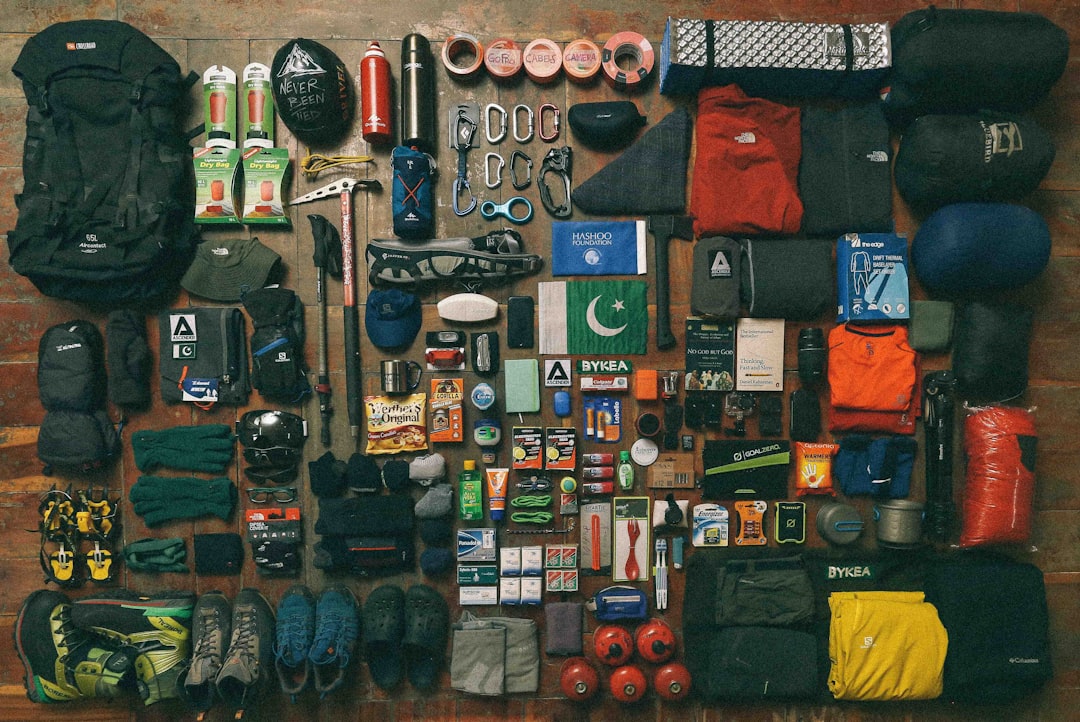
Imagine finding yourself in a situation where every second counts and having the right tools can mean the difference between safety and chaos. It's a scenario none of us want to face, yet being prepared can offer peace of mind and a critical edge.
This is where a survival kit steps in. You might wonder, what exactly does a survival kit include? What essentials should you have at your fingertips to ensure you're ready for the unexpected? By understanding and assembling the right items, you can transform anxiety into assurance.
Dive in with us as we unravel the must-have components of a survival kit, so you can be prepared for whatever comes your way.
Core Components
Survival kits typically contain essential items like food, water, and first aid supplies. Tools like flashlights and multi-purpose knives are crucial for emergencies. Protective gear, such as blankets and raincoats, ensures safety in adverse conditions.
Survival kits are essential for anyone who wants to be prepared for emergencies. They contain items that can help you navigate unexpected situations. Understanding the core components of a survival kit can make all the difference in an emergency. Knowing what to pack can help you face challenges with confidence. Let's break down the essentials in your survival kit.
Food And Water Supplies
Having enough food and water is crucial for survival. You should aim to include non-perishable food items like canned goods, energy bars, and dried fruits. These items can be stored for long periods without spoiling. Water is even more critical than food. It's recommended to have a supply of bottled water, but consider adding water purification tablets or a portable filter. This ensures you have access to clean water if your primary supply runs out.
Shelter And Warmth
In an emergency, shelter and warmth can protect you from harsh weather conditions. Pack a compact, lightweight tent or a waterproof tarp. These can provide immediate protection from rain and wind. Include items like a Mylar blanket or a sleeping bag to keep warm. These are designed to retain body heat and are compact enough to fit in your kit. Remember, staying warm can prevent hypothermia in cold conditions.
First Aid Kit
A first aid kit is a must-have in any survival kit. It should contain basics like bandages, antiseptic wipes, and pain relievers. These are essential for treating minor injuries quickly. Think about adding items specific to your needs. If you have allergies, include antihistamines. If you wear glasses, pack an extra pair. Tailoring your first aid kit to your personal requirements can be lifesaving. Are there items you hadn't considered adding to your survival kit? Being prepared means thinking ahead and customizing your kit to suit your needs. What would you add to ensure your safety and comfort?
Navigation Tools
Survival kits often include essential navigation tools like compasses and maps. These items help find your way in unfamiliar places. Staying oriented is crucial for safety and locating resources.
When you think about survival kits, you might picture food, water, and a first aid kit. But have you ever considered how you'd find your way if you were lost? Navigation tools are a critical part of any survival kit. They help you stay on course and ensure you can find your way back to safety.
Maps And Compasses
Maps and compasses are the backbone of traditional navigation. A detailed map of your area can help you identify landmarks and plan your route. A compass, when used correctly, ensures you stay on track even if the path isn't clear. Have you ever tried to navigate a dense forest? Without a compass, it's easy to walk in circles. Make sure you know how to use these tools before you need them. Practice at home or during short hikes. This preparation can be the difference between finding your way and getting lost.
Gps Devices
In our tech-savvy world, GPS devices are a fantastic addition to any survival kit. They provide precise location data, helping you find the shortest route to safety. But what happens if the battery dies or the device malfunctions? Relying solely on a GPS can be risky. Always have a backup, like a map and compass, to avoid being stranded. Consider investing in a durable, waterproof GPS device. These are designed to withstand harsh conditions, ensuring they work when you need them most. Have you equipped your survival kit with both traditional and modern navigation tools? Doing so can provide peace of mind and a safer adventure.
Emergency Communication
In times of crisis, clear communication can save lives. A survival kit must include tools for emergency communication. These tools ensure you can signal for help or coordinate with others. Here are essential items for effective communication during emergencies.
Whistles And Signaling Mirrors
Whistles are small but powerful tools. Their sharp sound can reach far distances, drawing attention. They are lightweight and easy to carry in a pocket or backpack. Signaling mirrors use sunlight to create flashes, visible from miles away. These mirrors are crucial in open areas where sound might not travel well.
Two-way Radios
Two-way radios allow direct communication between people. They are useful when phone networks fail. Radios can help coordinate rescue efforts or share vital information. They are durable and battery-operated, ensuring reliability in tough conditions.
Lighting And Power
In a survival situation, lighting and power are crucial. They ensure safety and communication. Having reliable light sources is essential. Power keeps devices working for emergency calls.
Flashlights And Headlamps
Flashlights are basic but vital tools. They provide focused light in the dark. Compact and easy to carry, they're perfect for emergencies. Headlamps offer hands-free lighting. Ideal for tasks requiring both hands, they fit snugly on your head. LED versions are energy-efficient and bright. Having both ensures you're prepared for any situation.
Portable Chargers
Portable chargers are lifesavers for your gadgets. They keep phones and devices powered. This is important for contacting help. Solar chargers are excellent for long power outages. They harness sunlight to recharge. Always have a fully charged portable battery in your kit. It can make a difference when you need it most.
Safety And Self-defense
Safety and self-defense are crucial elements of a survival kit. In emergencies, protecting yourself is vital. A well-prepared kit offers tools and devices to enhance safety. These items help maintain peace of mind and increase survival chances.
Multipurpose Tools
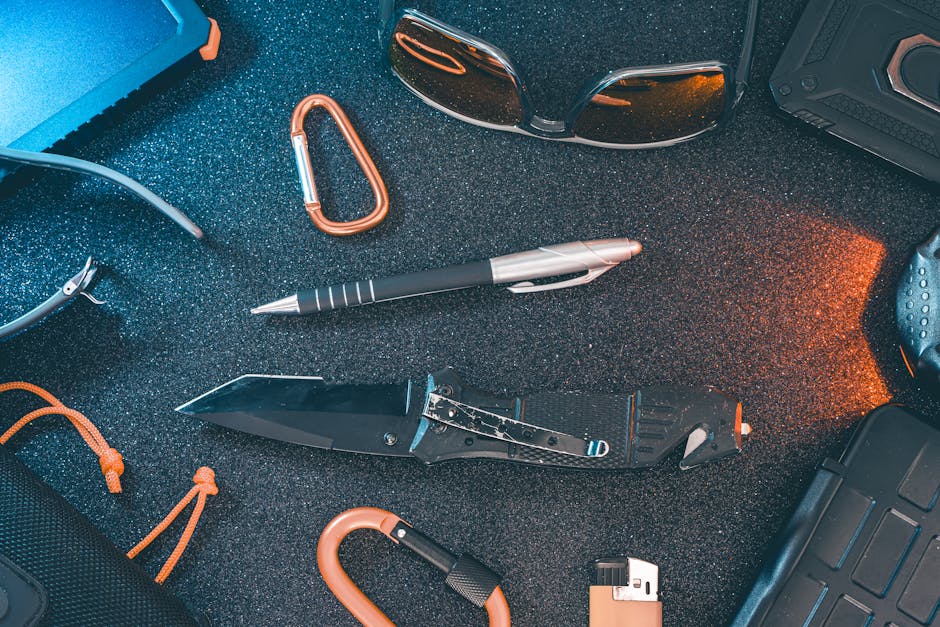
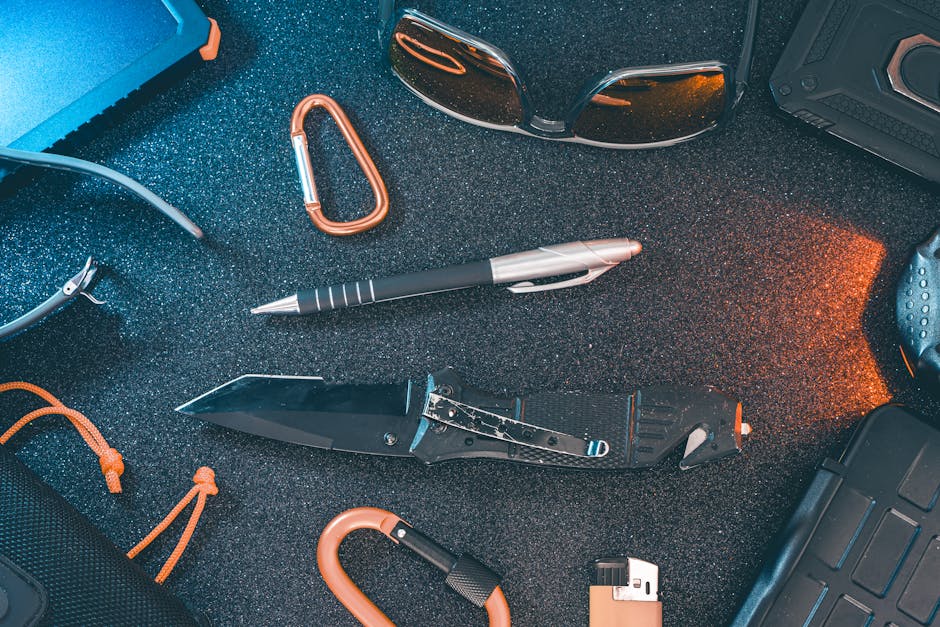
Multipurpose tools are essential in survival kits. They serve various functions. A Swiss army knife is a popular choice. It includes a blade, screwdriver, and scissors. These tools are compact and efficient. They aid in unexpected situations. A good multitool can be a lifesaver.
Another useful tool is a whistle. It signals for help and alerts others. This small device is vital in emergencies. It can fit in any survival kit. A simple yet effective way to attract attention.
Personal Protection Devices
Personal protection devices offer safety assurance. Pepper spray is a common choice. It deters potential threats effectively. Easy to use and carry. It provides a sense of security.
A tactical pen is another option. It functions as a writing tool and a defense weapon. Lightweight and discreet, it's perfect for self-defense. A small, unassuming tool with a big impact.
Clothing And Footwear
A survival kit includes essential clothing and footwear for protection and comfort. Warm layers and sturdy shoes are crucial. They help you stay safe in challenging environments.
When it comes to surviving in the wild, clothing and footwear are not just about style—they're about staying alive. Imagine being caught in a sudden downpour without a raincoat or hiking through rugged terrain in flimsy sandals. Your survival kit should prioritize clothing and footwear that protect and support you in challenging environments. Ready to dive into the essentials? Let's make sure your kit is packed with the right gear.
Weather-appropriate Clothing
Your survival kit must include clothing that suits the climate you'll be facing. If you're heading into cold regions, pack thermal layers and a windproof jacket. These items keep you warm and shield you from harsh winds. On the other hand, if you're venturing into a hot climate, lightweight, breathable fabrics are crucial. They help regulate your body temperature and prevent overheating. Remember, weather can be unpredictable. Always carry a waterproof poncho or jacket. You'll thank yourself when an unexpected storm hits.
Durable Footwear
Your feet are your foundation. The right footwear can make all the difference during a survival situation. Opt for sturdy boots with good ankle support. They protect you from sprains and provide stability on uneven ground. Consider the terrain you’ll be navigating. Hiking boots are great for mountainous areas, while waterproof shoes are essential in marshy regions. Have you ever tried running through the woods in flimsy sneakers? It’s not fun. Invest in quality footwear to avoid blisters and injuries. Think about the weight and comfort of your shoes. You might be covering long distances, and comfort can be the deciding factor between exhaustion and endurance. What’s your footwear strategy for survival? Make sure it’s up to the challenge.
Miscellaneous Gear
A survival kit often contains essential items like a first-aid kit, flashlight, and water purification tablets. Fire starters, multi-tools, and a whistle are common additions for safety. These tools help in emergencies, providing the essentials for basic survival needs.
When you're preparing your survival kit, it's crucial to consider the miscellaneous gear that might make all the difference in an emergency. These items are often overlooked but can be lifesavers. Think about the unexpected scenarios you might face. Having the right tools can transform a dire situation into a manageable one. Let's dive into the specifics of what you should pack under the miscellaneous gear category.
Fire Starting Equipment
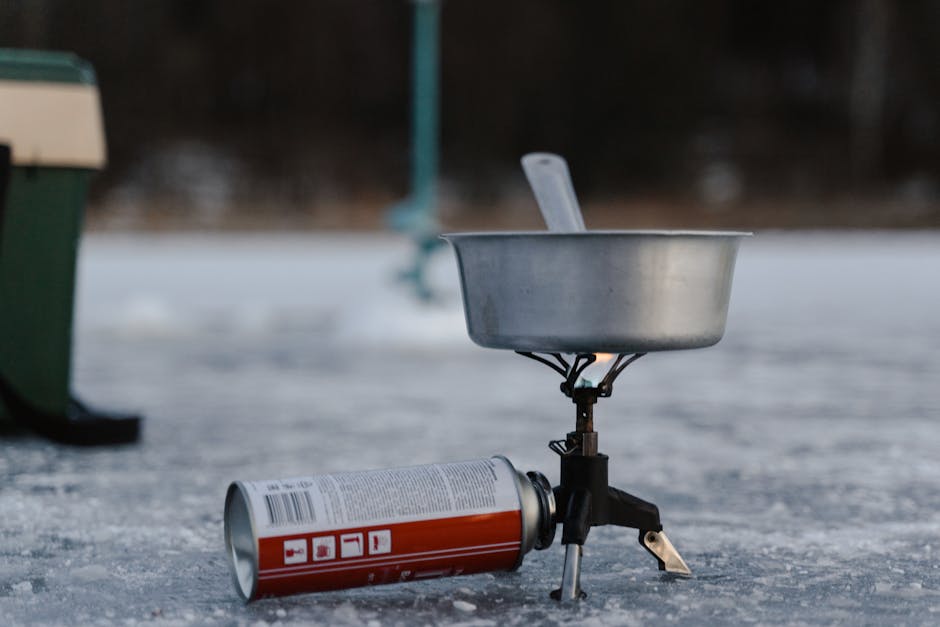
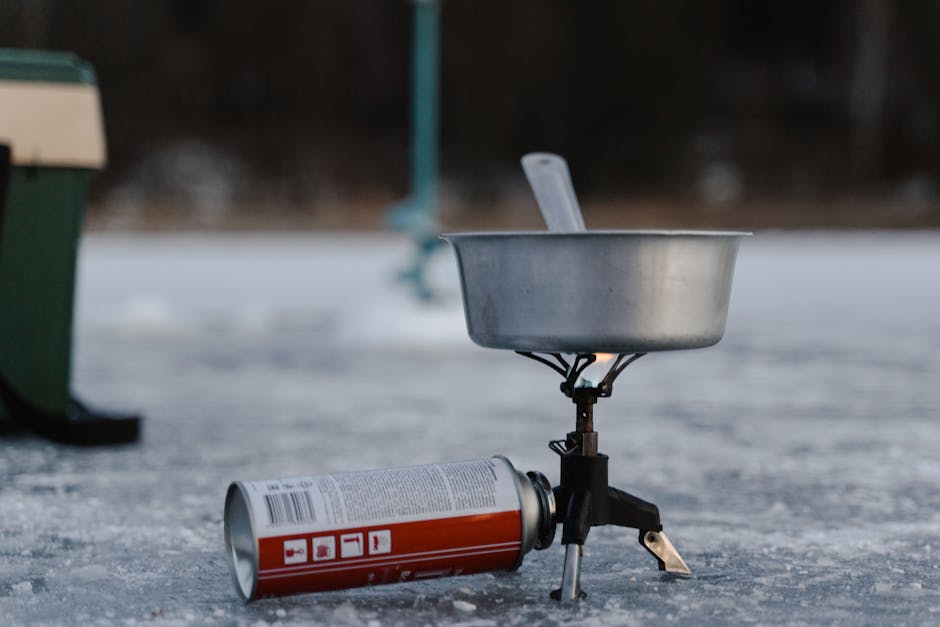
Imagine you're out in the wilderness, and the temperature drops suddenly. Having reliable fire starting equipment could be the difference between staying warm and facing hypothermia. You should pack waterproof matches and a good quality lighter. These are simple yet effective tools. Flint and steel sets offer reliability and can work in all weather conditions. A personal favorite of mine is the magnesium fire starter. It’s lightweight and can produce sparks even when wet. This kit ensures you're never caught off guard when you need to ignite a fire quickly.
Repair Kits
Ever faced a torn tent or a broken backpack strap during a camping trip? Repair kits are your best friend in these situations. Packing a small sewing kit can help you fix tears in fabric, ensuring your shelter remains intact. Include duct tape for quick fixes. It’s versatile and can be used for everything from patching holes to securing gear. A multi-tool, with pliers and screwdrivers, can handle minor repairs on gadgets. Have you thought about what you'd do if your gear fails? With the right repair kit, you can make on-the-spot repairs and keep moving forward. Remember, it's not just about surviving but thriving in challenging environments.
Frequently Asked Questions
What Are The Essentials In A Survival Kit?
A survival kit should include basic necessities like food, water, and a first aid kit. It should also contain tools like a flashlight, multi-tool, and fire-starting equipment. Maps, a compass, and emergency blankets are also recommended.
How Much Water Should A Survival Kit Contain?
A survival kit should have at least one gallon of water per person per day. This amount ensures adequate hydration for a minimum of three days. Water purification tablets are also advisable.
Why Is A First Aid Kit Crucial In Survival Kits?
A first aid kit is crucial for treating minor injuries and preventing infections. It should contain bandages, antiseptic wipes, pain relievers, and medical tape. Having these items helps in emergency situations.
Should A Survival Kit Include Food?
Yes, a survival kit should include non-perishable food items. Options like energy bars, canned foods, and freeze-dried meals are ideal. These foods provide necessary calories and nutrition during emergencies.
Conclusion
A well-prepared survival kit can truly save lives. Essential items like water, food, and first aid are crucial. Tools like flashlights and multi-tools help in emergencies. A map and compass guide you when technology fails. Don't forget personal items that suit your needs.
Keep the kit accessible and update it regularly. Preparation is key for any unexpected situation. Being ready gives peace of mind. Equip yourself for safety and protection. Stay informed, stay safe. Remember, a good survival kit is your best companion in emergencies.