Imagine being caught in an unexpected emergency. The power is out, roads are blocked, and you're cut off from your usual grocery run.
In such times, having a well-prepared survival kit can mean the difference between comfort and crisis. But what makes a survival kit truly effective? It’s the food within it. You might wonder, why prioritize food in your survival kit? The answer is simple yet profound: food provides the essential energy and nutrients your body needs to function during stressful situations.
Without it, your ability to think clearly and act swiftly diminishes. So, before you find yourself in the thick of an emergency, it's crucial to understand why food is a non-negotiable component of your survival strategy. Stay with us as we delve into the importance of food in survival kits and uncover tips that could make all the difference when you need it most.
Importance Of Food In Survival Kits
Imagine being stranded in the wilderness with nothing but a survival kit. Your heart races and your mind spins. You know that food isn't just a source of energy; it's a lifeline. In survival situations, having the right food can mean the difference between life and death. It's not just about filling your stomach—it's about maintaining your strength, morale, and overall well-being. Let's dive into why food in survival kits is crucial.
Importance Of Nutritional Value
When choosing food for your survival kit, nutritional value is key. High-calorie items like nuts and dried fruits provide energy and keep you alert. Protein bars or canned meats help repair your muscles and tissues after physical exertion. A balanced assortment ensures your body gets what it needs to function optimally.
Long Shelf Life
Food in your survival kit must withstand the test of time. Opt for items with a long shelf life like dehydrated meals or vacuum-sealed snacks. These foods can last for years, reducing the need for frequent replacements. This reliability gives you peace of mind, knowing you're prepared for any emergency.
Easy Preparation
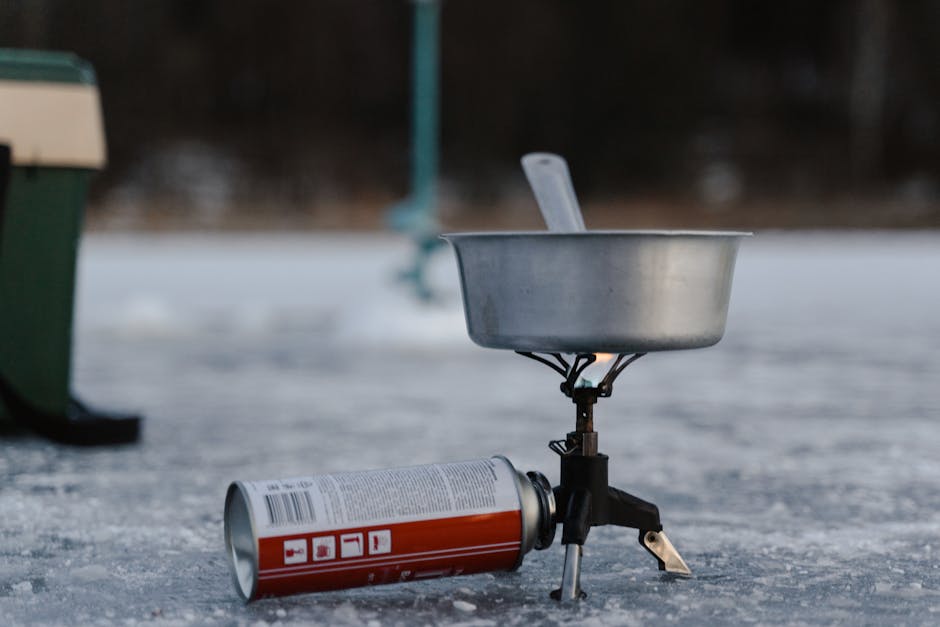
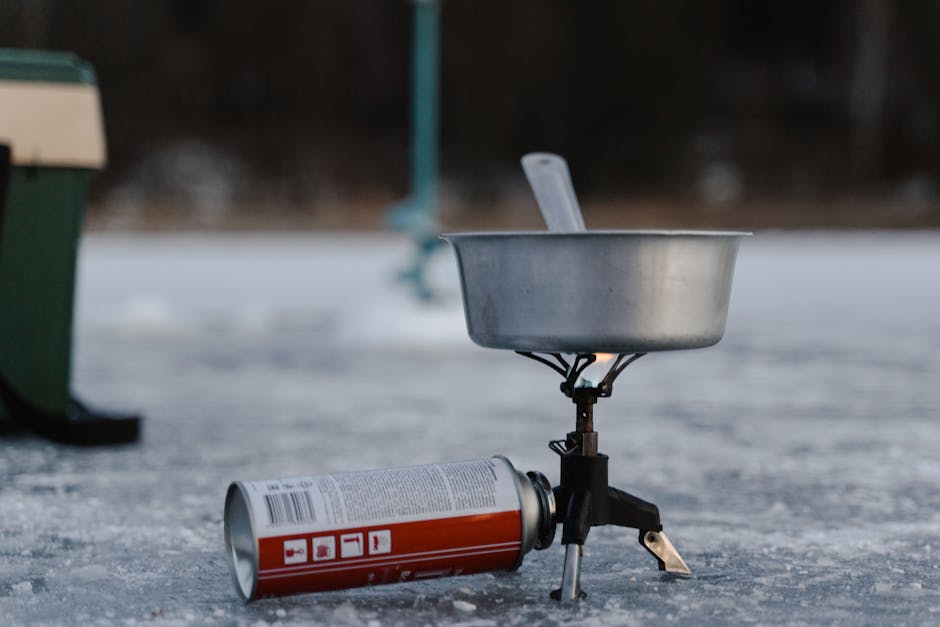
In a survival scenario, time and resources are limited. Choose foods that require minimal preparation, like ready-to-eat meals or instant soups. Boiling water might be your only cooking option, so simplicity is crucial. This ensures you can focus on other survival tasks without the hassle of complex meal prep.
Compact And Lightweight
Your survival kit should be easy to carry. Bulky items can slow you down and deplete your energy. Opt for compact, lightweight food options that fit neatly into your kit. This keeps your pack manageable and allows you to move freely when needed.
Psychological Comfort
Having food you enjoy can boost your morale in tough situations. Familiar flavors provide comfort and remind you of home. This can be a crucial psychological boost, helping you stay positive and focused. It's amazing how a simple snack can lift your spirits when you're feeling low.
Think about your last camping trip. Remember how a warm meal after a long hike rejuvenated you? Now imagine that feeling when you're in a survival situation. Food isn't just nourishment; it's a beacon of hope and strength. So, what items will you choose to ensure your survival kit is as effective as possible?
Nutritional Needs In Emergencies
Emergencies demand quick access to essential nutrients. Food in a survival kit provides energy and sustenance. It helps maintain strength and mental clarity during critical times.
Nutritional Needs in Emergencies When faced with an emergency, having a well-stocked survival kit is essential. But why is food such a crucial component? Your body needs energy to function, especially in stressful situations. This is why understanding nutritional needs becomes vital. Imagine being in a situation where you must think clearly and act quickly. Without the right nutrition, your body and mind might struggle. Let’s delve into what your body requires to maintain its strength and endurance during emergencies.
Caloric Requirements
In emergencies, your body may burn more calories than usual due to stress and increased activity. Your survival kit should account for this by including calorie-dense foods. Think about foods like nuts, dried fruits, and energy bars. These offer a high calorie count in small packages, making them ideal for conserving space. Consider how much energy you exert in a crisis. Is your current food supply enough to keep you going? Keeping your caloric intake sufficient can make a significant difference in your ability to manage emergency situations.
Vital Nutrients
Calories are just part of the equation. Your body also needs a balance of vital nutrients to function properly. Proteins, carbohydrates, and fats each play a role in keeping you strong and alert. Canned beans and peanut butter are great protein sources. Whole grain crackers or instant oatmeal can provide necessary carbohydrates. Don’t overlook vitamins and minerals. An easy way to ensure you have these is by including a multivitamin in your kit. Have you thought about the long-term effects of missing essential nutrients? They can weaken your immune system and slow your recovery from stress or injuries. Packing a variety of nutrient-rich foods can help ensure that your body gets what it needs, even when times are tough.
Types Of Survival Foods
Food is crucial in survival kits for energy and nutrition during emergencies. Canned goods, freeze-dried meals, and protein bars ensure sustenance when resources are scarce. These items are easy to store, have a long shelf life, and provide essential nutrients.
In survival situations, food plays a crucial role. It provides energy and essential nutrients. Different types of survival foods offer various benefits. Each type caters to specific needs. Some foods are chosen for their long shelf life. Others are picked for their compact size. Ready-to-eat meals offer convenience. Let's explore these options further.
Long Shelf Life Options
Foods with a long shelf life are vital. They last for years without spoiling. Canned goods are a popular choice. They are sealed to maintain freshness. Freeze-dried foods are another option. Removing moisture extends their lifespan. Grains like rice and oats store well. They remain edible for a long time. These foods ensure you have sustenance.
Compact And Lightweight Foods
Space is limited in survival kits. Compact foods save room. Lightweight items are easier to carry. Energy bars fit in small spaces. They offer quick calories. Dried fruits pack a nutritional punch. They are light and nutritious. Nuts are dense in energy. They provide essential fats. These foods maximize space and efficiency.
Ready-to-eat Meals
Ready-to-eat meals offer simplicity. No cooking equipment is needed. Meals come sealed and prepared. Just open and consume. MREs (Meals Ready-to-Eat) are popular. They provide balanced nutrition. Canned soups are easy to eat. They warm quickly over a fire. These meals suit immediate hunger needs.
Factors For Choosing Survival Foods
Choosing the right food for a survival kit is crucial. It ensures you stay nourished and healthy during emergencies. Not all foods are suitable for long-term storage or various dietary needs. Several factors must be considered to select the best survival foods. Let's explore these key factors.
Storage Conditions
Storage conditions play a significant role in food selection. Foods must withstand temperature changes and humidity. They should have a long shelf life. Canned goods and dried foods are excellent choices. They can last for years without spoiling. Proper packaging is essential to keep the food fresh. Airtight containers and vacuum seals work best.
Dietary Restrictions
Consider dietary restrictions when choosing survival foods. Some people have allergies or specific dietary needs. Gluten-free, nut-free, or vegan options may be necessary. Check labels for allergens and ingredients. Ensure everyone in your group can eat the food you store. This prevents health risks and ensures adequate nutrition.
Taste And Morale
Taste impacts morale during challenging times. Familiar and tasty foods provide comfort. They boost mental well-being and keep spirits high. Choose foods that are enjoyable to eat. Include a variety of flavors and textures. This makes meals more satisfying and less monotonous.
Packaging And Preservation
Food is essential in any survival kit. Proper packaging and preservation ensure it lasts. This keeps the food safe and nutritious. It is vital during emergencies when resources are scarce.
Choosing the right packaging and preservation methods extends shelf life. This ensures food remains fresh and edible. Effective techniques prevent spoilage and maintain quality.
Vacuum Sealing
Vacuum sealing removes air from packaging. This limits oxidation and bacterial growth. It keeps food fresh longer. Many foods retain flavor and texture through this method.
Vacuum sealing is compact and easy to store. It reduces bulk and protects contents. Airtight seals prevent contamination. Ideal for storing dried fruits, nuts, and grains.
Freeze-drying
Freeze-drying removes moisture from food. This process extends shelf life significantly. It keeps food lightweight and easy to transport. Nutrients and taste remain intact.
Freeze-dried foods rehydrate quickly. Just add water to restore them. This method is perfect for fruits, vegetables, and meats. It ensures a reliable food supply in survival kits.
Diy Vs. Pre-packaged Kits
Food is crucial in survival kits. It provides essential energy and nutrients during emergencies. Pre-packaged kits offer convenience, while DIY options allow customization. Choose wisely based on needs and preferences.
When preparing a survival kit, you face a crucial decision: DIY or pre-packaged? This choice affects the quality, cost, and effectiveness of your emergency supplies. Your kit's food is especially important because it sustains you in dire situations. Let's explore the pros and cons of each option to help you decide which is best for you.
Pros And Cons
DIY kits offer flexibility. You can choose foods you like and are familiar with. If you have specific dietary needs, customizing your own kit ensures you meet them. However, DIY kits require time and knowledge. You need to research shelf life and nutritional value to ensure your food will last and provide necessary energy. Pre-packaged kits save you time and effort. They're designed by experts to provide balanced nutrition and long shelf life. Yet, they may contain items you dislike or can't eat due to allergies. You're stuck with what's included, and adjusting the kit might be challenging.
Cost Considerations
DIY kits can be cost-effective. You have control over the budget and can buy in bulk to save money. But beware—overlooking costs like vacuum sealing bags or containers can add up. Make sure to factor in these hidden expenses. Pre-packaged kits have a higher upfront cost. You're paying for convenience and expertise. However, you avoid additional costs for preservation methods and packaging. If you have a tight budget, this might not be the best choice for you. Have you ever considered how much peace of mind is worth? Investing in a reliable survival kit could be the difference between comfort and chaos in an emergency. Which option aligns with your priorities and resources?
Maintaining Your Survival Kit
Food in a survival kit provides essential energy and nutrients. It helps maintain strength and focus during emergencies. Without it, survival chances decrease significantly.
Maintaining your survival kit is crucial to ensure you're prepared for any unexpected situations. Having a well-stocked kit is one thing, but keeping it updated and functional is another. Whether you're an adventurer or just someone who likes to be prepared, regular maintenance of your survival kit can make all the difference when you need it most.
Regular Checks
Checking your survival kit regularly might sound tedious, but it’s essential. Imagine reaching for food or supplies in an emergency only to find them spoiled or malfunctioning. Set a reminder every few months to inspect your kit. Look for expired items, damaged packaging, or anything that might not work as intended. You might discover that your flashlight batteries have drained or your canned food has gone bad. Regular checks ensure everything is in good condition.
Rotation Of Supplies
Rotating your supplies is a smart strategy to keep your kit fresh and ready. Food items, especially, can lose their quality over time. Consider marking expiration dates on each item and replacing them before they go bad. This practice keeps your survival kit stocked with fresh supplies. You can even swap out items seasonally, thinking ahead about what you might need for different weather conditions. Rotating supplies is not just about food—it includes batteries, medications, and any other time-sensitive items. Maintaining your survival kit is more than just an occasional task; it's a commitment to readiness. By performing regular checks and rotating supplies, you're taking proactive steps to ensure you're prepared for whatever comes your way. What’s your strategy to keep your survival kit in top shape?
Psychological Benefits
Food in a survival kit offers more than just physical nourishment. It provides psychological comfort and reduces anxiety during emergencies. Familiar foods can uplift spirits and help maintain a sense of normalcy in stressful situations.
When you think about survival kits, food might not be the first thing that comes to mind. But it plays an essential role in keeping you sane during difficult times. The psychological benefits of having food in your survival kit go beyond just nourishment. They help you feel safe and secure, even when everything else seems uncertain.
Reducing Anxiety
Imagine being stuck somewhere with no idea when you'll be rescued. The mere presence of food in your kit can drastically reduce anxiety. Knowing you have something to eat calms your mind. It reassures you that hunger won't be a part of your worries. Food gives you a sense of control over your situation. It's like having a safety net that makes challenging circumstances feel less daunting. If you've ever been in a stressful situation, you know how comforting it can be to have one less thing to worry about.
Boosting Confidence
Food doesn't just reduce anxiety; it boosts your confidence. When you have food in your kit, you feel empowered. You know you can survive longer, and that gives you strength. Having food boosts your morale. It reminds you that you're prepared for the unexpected. This confidence can be contagious, positively impacting others who might be with you. Consider a time when you've faced a tough situation but felt prepared. That feeling of readiness fuels your determination. Having food is like having a secret weapon that keeps your spirits high and your resolve unwavering. Have you ever wondered why people recommend carrying comfort foods in survival kits? It's not just about calories; it's about keeping your mental state positive. What would you add to your kit to keep your spirits lifted?
Frequently Asked Questions
Why Is Food Essential In A Survival Kit?
Food is crucial in a survival kit because it provides necessary energy and nutrients. During emergencies, physical and mental stamina is vital. Having calorie-dense food items ensures you're prepared for unexpected situations. It helps maintain body functions and boosts morale in challenging times.
How Does Food In A Survival Kit Help?
Food in a survival kit offers sustenance and energy. It maintains your energy levels during emergencies. Proper nutrition can help reduce stress and enhance decision-making. It supports physical endurance, ensuring you can handle survival tasks efficiently.
What Type Of Food Is Best For Survival Kits?
Non-perishable, high-calorie foods are ideal for survival kits. Choose foods like energy bars, nuts, and dried fruits. These items are lightweight and nutrient-dense. They have a long shelf life and are easy to store. Ensure the food is easy to prepare and consume.
How Long Can Survival Kit Food Last?
Survival kit food can last several months to years. It depends on the type and storage conditions. Check expiration dates regularly and rotate stock. Properly stored, non-perishable items remain safe for extended periods. Always choose foods with a long shelf life for reliability.
Conclusion
Food is crucial in any survival kit. It provides energy and sustenance. Without it, survival becomes harder. Nutritious food keeps you alert and focused. It boosts morale and resilience during tough times. Compact, non-perishable items are best for kits. They offer long shelf life and easy storage.
Remember, food helps maintain strength and health. It's essential for enduring challenging situations. Preparing a survival kit with the right food is wise. It ensures you are ready for unexpected events. Stay safe, stay prepared. Your future self will thank you.