Imagine you're deep in the wilderness, surrounded by the beauty and unpredictability of nature. The thrill of adventure is intoxicating, but so is the challenge of the unknown.
This is where your wilderness survival kit becomes your best ally. It’s not just about having the right gear—it's about preparation, peace of mind, and the confidence to tackle whatever Mother Nature throws your way. But what exactly should you pack in your survival kit to ensure you stay safe and secure?
We’ll unveil the essential items that could be the difference between a memorable outdoor experience and a risky endeavor. Stick with us, and discover how a well-equipped kit can transform your wilderness adventure into a safe and unforgettable journey.
Shelter Essentials
When you're out in the wilderness, shelter is crucial. It protects you from harsh weather and offers a safe space. Packing the right shelter essentials ensures you stay warm and dry. This section explores key items for a survival kit. Let’s delve into what you need.
Tents And Tarps
Tents offer a solid, reliable shelter option. They're easy to set up and provide great protection. Choose a lightweight, compact tent for easy carrying. Tarps are versatile and can be used in many ways. They're perfect for creating a quick, temporary shelter. Pack one for its flexibility and simplicity.
Sleeping Bags
A good sleeping bag keeps you warm through cold nights. Choose one suitable for the climate you'll face. Consider the material and insulation type. Lightweight bags are easy to carry. Ensure it’s water-resistant for unexpected weather changes.
Emergency Blankets
Emergency blankets are compact and vital for warmth. They reflect body heat back to you. They're lightweight and take up little space in your kit. These blankets provide insulation in extreme conditions. Always have one in your survival pack.
Fire Starting Tools
Fire starting tools are essential for any wilderness survival kit. They ensure you can create warmth, cook food, and signal for help. Each tool serves a unique purpose, so choosing the right ones is crucial. Let's explore the best options.
Lighters And Matches
Lighters are convenient and easy to use. They provide instant flame with minimal effort. Choose windproof lighters for reliable performance. Matches are lightweight and simple. Waterproof matches are best for outdoor conditions. Always carry extras for emergencies.
Fire Starters
Fire starters help ignite your fire quickly. Magnesium fire starters are popular. They create sparks when scraped. Ferrocerium rods also work well. They produce hot sparks for easy fire starting. Compact and durable, they're perfect for your kit.
Tinder Options
Tinder is crucial for fire building. Dry leaves and twigs are natural options. Cotton balls soaked in petroleum jelly are effective. They burn longer and hotter. Pack a variety to ensure success in different environments.
Navigation Aids
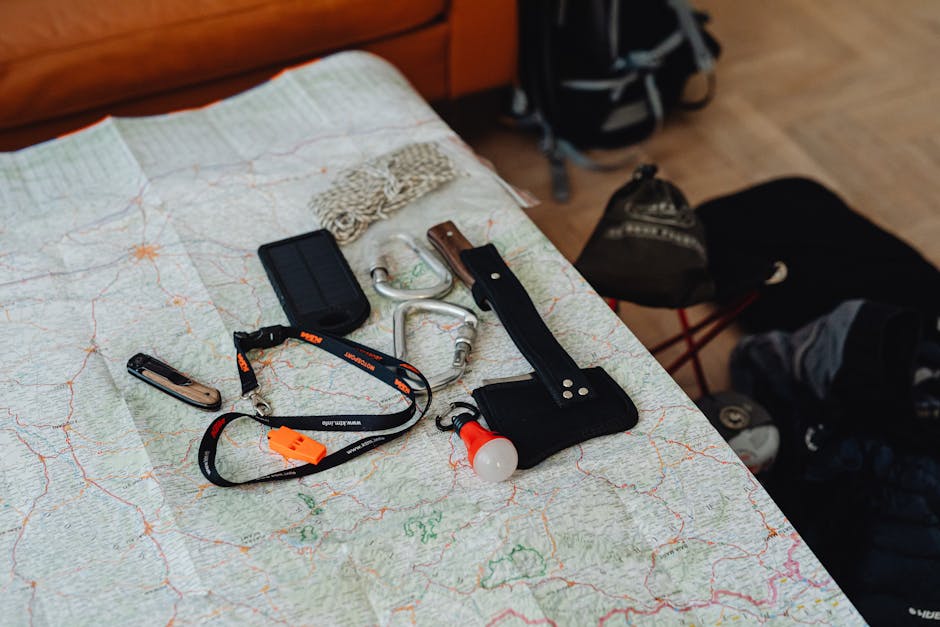
Navigation aids are crucial in a wilderness survival kit. Compasses and maps help pinpoint your location and direction. GPS devices provide real-time positioning, essential for finding your way home.
When you're venturing into the wilderness, navigating effectively is crucial. Getting lost can turn a thrilling adventure into a nerve-wracking ordeal. That's why navigation aids are an essential component of any survival kit. Whether you're hiking through dense forests or exploring vast deserts, having reliable tools to guide you can make all the difference. Let's explore some key navigation aids to include in your kit.
Compasses
A compass is a timeless navigation tool. It's reliable, doesn't require batteries, and is incredibly lightweight. With a compass in hand, you can determine your direction relative to magnetic north. Using a compass can be a skillful art. Have you ever found yourself disoriented after wandering away from the path? A compass can be your savior, helping you regain your bearings. Make sure you know how to read one before you head out.
Maps
Maps are a vital part of your navigation arsenal. Even in the age of digital technology, there's nothing quite like a physical map. It provides a comprehensive view of the terrain and helps you plan your route effectively. Have you ever unfolded a map and felt a sense of adventure? Maps are not just about roads and trails; they tell stories of the landscape. Always carry a waterproof map of the area you're exploring. It could be the key to your survival.
Gps Devices
GPS devices have become increasingly popular for wilderness navigation. These handy gadgets give precise location data, helping you pinpoint where you are. They are particularly useful in unfamiliar territories. However, relying solely on a GPS can be risky. Batteries die, and technology can fail. Always have a backup plan. Combine your GPS device with traditional navigation tools for a failsafe approach. Navigation aids are essential, but they are only as good as your ability to use them. Do you feel confident reading a map or following a compass? Practice these skills before you need them in a real survival situation. Your life could depend on it.
Water And Hydration
Essential for survival, water and hydration are top priorities in a wilderness survival kit. Carry portable water filters or purification tablets. Include a durable water bottle to ensure access to clean drinking water.
When venturing into the wilderness, ensuring proper water and hydration is crucial. Dehydration can lead to severe health issues, making water management a top priority. But how do you ensure you have enough water in the wild? Let’s dive into some essentials that should make it into your survival kit.
Water Bottles
Carrying a reliable water bottle is more important than you might think. Opt for durable, lightweight bottles that can withstand rough conditions. Consider stainless steel options; they are sturdy and can double as a container for boiling water in emergencies. Having a couple of collapsible water bottles can also save space when not in use. What’s your preferred choice for water bottles when hiking or camping?
Purification Methods
In the wild, water sources can be unpredictable, which is why purification methods are essential. Portable water filters and purification tablets are compact and effective. Filters can remove bacteria and protozoa, while tablets are excellent for killing viruses. Have you ever tried a UV light purifier? It’s a tech-savvy gadget that ensures safe drinking water with just a push of a button.
Hydration Packs
For those who prefer hands-free hydration, hydration packs are a game-changer. These packs are especially useful for long treks, allowing you to sip water without stopping. Choose a pack with a large reservoir that fits comfortably on your back. Have you experienced the convenience of a hydration pack on a challenging hike? It can make all the difference in maintaining your pace and energy levels.
By focusing on these water and hydration essentials, you ensure your survival kit is ready for any wilderness adventure. Remember, staying hydrated is not just about quenching thirst—it's about staying healthy and alert. How do you plan to keep hydrated on your next outdoor adventure?
Food Supplies
Packing food supplies for a wilderness survival kit requires careful consideration. Include high-energy snacks like nuts, dried fruits, and protein bars. Lightweight, non-perishable foods such as canned meals are essential for maintaining strength and energy in the wild.
When venturing into the wilderness, one of the most crucial elements of your survival kit is food supplies. Having the right food can make the difference between a successful adventure and a challenging ordeal. You'll want to pack items that are not only nutritious but also lightweight and easy to prepare. Keep in mind that the wilderness won't offer you the convenience of a kitchen, so you need to be prepared with practical solutions.
Non-perishable Items
Stocking up on non-perishable items is essential for any wilderness survival kit. These foods don't require refrigeration, which is perfect for long treks. Consider packing canned beans, dried fruits, nuts, and vacuum-sealed jerky. Have you ever tried rehydrating freeze-dried meals after a long day of hiking? It's a game changer in terms of simplicity and energy replenishment.
Portable Cooking Gear
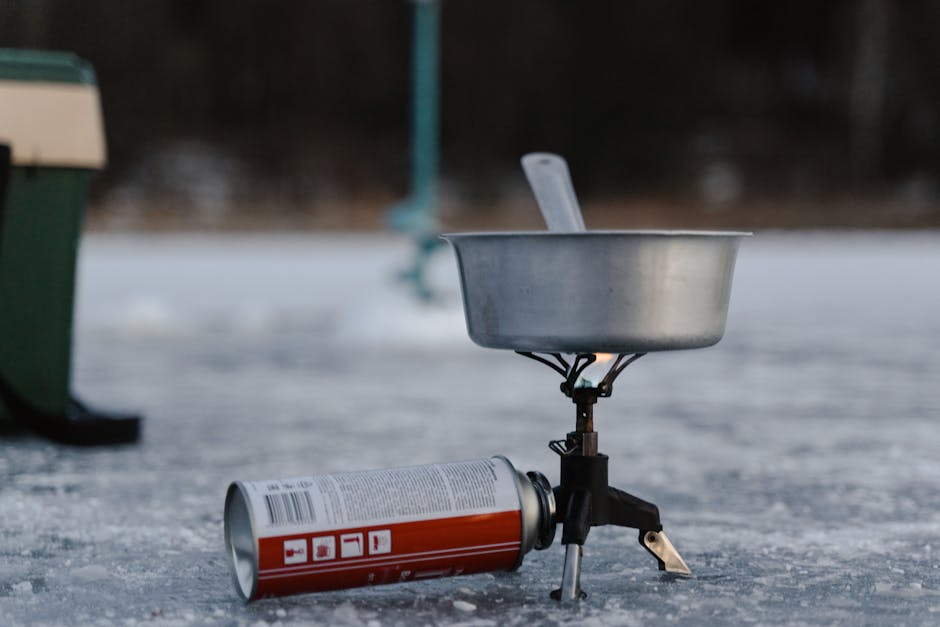
While it's important to have ready-to-eat options, a bit of warm food can boost your morale. A lightweight camping stove or a compact portable grill can make this possible. Imagine sitting under the stars, cooking a simple meal in a small pot—it's a comforting experience that connects you to nature. Ensure your cooking gear is easy to assemble and fuel-efficient, so you can focus on enjoying your surroundings.
Energy Bars
Energy bars are compact yet mighty sources of nutrition. They're designed to provide a quick energy boost, which is vital when you're on the move. Have you noticed how the right energy bar can lift your spirits during a grueling trek? Look for bars high in protein and carbohydrates to keep your energy levels stable. Keep a few in your pocket for quick access during hikes. The wilderness demands respect and preparation. What will you do to ensure your food supplies meet the challenge? Being prepared with the right food can make your adventure not only survivable but enjoyable. Let your food supplies fuel not just your body, but your spirit as well.
First Aid Kit
A first aid kit is crucial in a wilderness survival kit. It provides essential medical supplies for unexpected injuries and illnesses. In the wild, you face unpredictable situations. Having a first aid kit ensures you're prepared. Let's explore what makes a complete first aid kit.
Basic Medical Supplies
Start with basic medical supplies. Bandages of various sizes are essential. Include adhesive tape for securing dressings. Sterile gauze pads help cover wounds. Antiseptic wipes clean cuts and scrapes. Scissors and tweezers are useful tools. A digital thermometer checks for fever. Include a CPR face shield for emergencies.
Insect Repellent
Insects can be a nuisance in the wild. Some may carry diseases. Insect repellent protects your skin from bites. Choose one with DEET for effectiveness. Apply it on exposed skin. Reapply every few hours for best results. It helps keep bugs at bay.
Pain Relief
Pain relief is a must in a first aid kit. Over-the-counter painkillers like ibuprofen are helpful. They relieve headaches and minor pains. Carry an anti-inflammatory cream for strains. It eases muscle aches. Pain relief ensures comfort in the wild.
Clothing And Footwear
A wilderness survival kit must include sturdy clothing and reliable footwear. These essentials protect against harsh weather and rough terrain, ensuring comfort and safety. Durable materials and proper fit are crucial for prolonged outdoor activities.
When venturing into the wilderness, clothing and footwear are critical components of your survival kit. The right gear can make all the difference between comfort and distress. Proper clothing can protect you from harsh elements, while sturdy footwear ensures mobility across rugged terrain. Let's look at what you should consider when packing your wilderness survival kit.
Weather-appropriate Layers
Choosing the right layers is crucial for adapting to changing weather conditions. A base layer that wicks moisture away from your skin is essential. You don't want sweat to make you cold, especially when temperatures drop. On one camping trip, I underestimated the chill of the night and regretted not bringing a thermal layer. Always pack a mid-layer, like a fleece or wool sweater, for warmth. An outer waterproof and windproof layer is your shield against rain and wind. These layers are your best defense against hypothermia. How many layers do you think are enough for a night under the stars?
Sturdy Boots
Your feet are your primary mode of transportation in the wild. A pair of sturdy boots can prevent injuries and ensure you cover ground efficiently. Lightweight hiking boots with good ankle support are ideal for most terrains. On a hike in the Rockies, my friend had to turn back because her shoes couldn't handle the rocky paths. It was a tough lesson learned. Make sure your boots are well broken in before your trip to avoid blisters. Have you ever had to cut an adventure short because of poor footwear choices?
Hats And Gloves
Never underestimate the importance of hats and gloves in your kit. A hat can protect you from sunburn during the day and help retain heat at night. A wide-brimmed hat can also keep rain off your face, enhancing visibility and comfort. Gloves are equally important, offering both warmth and protection. A good pair of gloves can prevent cuts and bruises when navigating through dense underbrush. I once forgot gloves during a cold-weather hike, and my hands were numb within minutes. What small item have you forgotten that made a big impact on your adventure? When planning your wilderness adventure, remember that clothing and footwear are more than just a fashion statement—they are vital for your survival. Choose wisely, and your kit will serve you well in the great outdoors.
Tools And Equipment
A wilderness survival kit includes essentials for safety and comfort in nature. Items like a sturdy knife, reliable fire starter, and compact first aid supplies are crucial. Lightweight water purification tools and a durable shelter add to preparedness.
When you're venturing into the wild, having the right tools and equipment in your wilderness survival kit can make all the difference. It's not just about packing a bag; it's about preparation for unexpected challenges. The right gear can be the key to your safety and success. Let's dive into the essential tools and equipment you need to include in your kit.
Multi-tools
A multi-tool is like having a toolbox in your pocket. Compact and versatile, it includes various tools like pliers, screwdrivers, and scissors. Imagine you're out there and need to fix your gear or prepare food—this little device can save the day. Consider the scenarios you might face in the wilderness. A multi-tool can help you cut through tangled fishing lines or tighten loose bolts on your camping stove. Always choose one that's sturdy and fits comfortably in your hand.
Knives
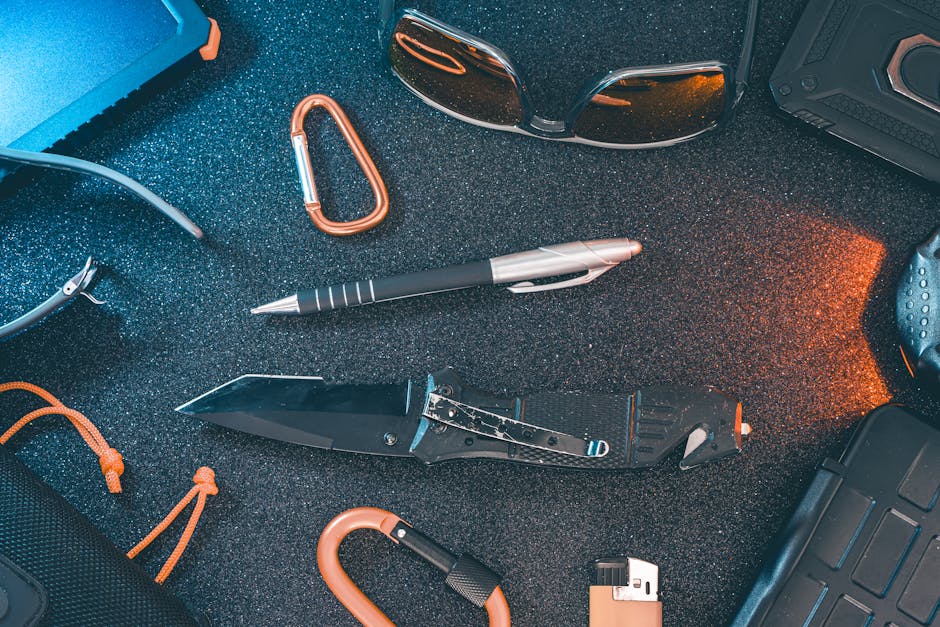
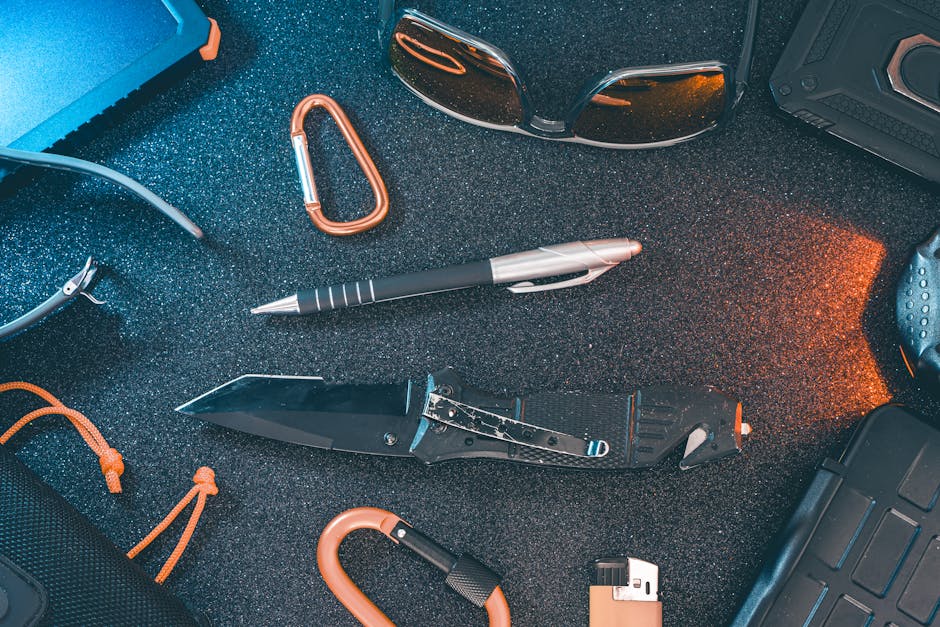
A good knife is an essential survival tool. It helps with tasks like cutting ropes, preparing food, and even self-defense. But not just any knife will do; you need a reliable one with a sharp blade. Think about the last time you needed a knife and didn't have one. Frustrating, right? A high-quality knife can be a lifesaver when you're out in the wild. Make sure it's easy to sharpen and has a good grip.
Rope And Cordage
Rope and cordage are often underestimated but incredibly useful. From building a shelter to securing your gear, the possibilities are endless. A sturdy rope can even help in emergency situations, like crossing rough terrain. Picture yourself needing to set up a makeshift tent quickly. With the right cordage, you can create a stable structure in minutes. Consider packing both heavy-duty rope and lighter paracord for versatility. As you prepare your wilderness survival kit, think about the challenges you might face. What tools would you want by your side? Equip yourself wisely, and you'll be ready for whatever the wilderness throws your way.
Signaling Devices
Signaling devices are crucial for wilderness survival. They help alert rescuers to your location. These tools can save your life during emergencies. Having the right signaling devices in your survival kit is essential.
Whistles
Whistles are lightweight and easy to carry. They produce a loud sound that travels far. This sound can reach rescuers miles away. Choose a whistle made of durable materials. Plastic or metal options work best. Attach it to your backpack or wear it around your neck. This ensures quick access in emergencies.
Mirrors
Mirrors reflect sunlight to signal for help. They are compact and fit in any kit. Aim the reflection towards aircraft or distant rescuers. Practice using the mirror before heading out. This ensures you can signal effectively. Even on cloudy days, mirrors can be useful. They reflect ambient light, which can still be visible.
Flares
Flares provide a bright, visible signal in emergencies. They work well in both day and night conditions. Choose flares designed for wilderness use. These are usually waterproof and wind-resistant. Keep them dry and check expiration dates. Expired flares might not work when needed. Always carry multiple flares for extended signaling.
Personal Items
A wilderness survival kit should include essential personal items. Pack a reliable compass, a sturdy knife, and a waterproof map. Include a first-aid kit and matches. Don’t forget a flashlight and extra batteries. Water purification tablets are crucial. Ensure everything fits in a compact, easy-to-carry bag.
Venturing into the wilderness is an exhilarating experience, but preparation is key to ensure your safety and well-being. Among the crucial components of a wilderness survival kit, personal items play a vital role. These items cater to your individual needs, ensuring you are equipped to handle unforeseen situations. They may seem small, but they are mighty in maintaining your peace of mind and security in the wild.
Identification
Carrying identification is essential, even when you're far from civilization. Imagine a scenario where you need assistance, and first responders need to know who you are. A government-issued ID card or a copy of your passport can be a lifesaver. Secure it in a waterproof bag to protect it from the elements. Consider including a small card with your name, age, blood type, and any medical conditions you might have. This information can be crucial in emergencies.
Emergency Contacts
Who would you call if you were in trouble? It's a question that deserves serious thought. Keep a list of emergency contacts in your kit. This list should include family, friends, and any authorities or organizations relevant to your adventure. In the age of smartphones, it's easy to rely on digital storage. But what happens if your phone loses power? A small, laminated card with these numbers can be invaluable when technology fails.
Personal Hygiene
Maintaining hygiene in the wilderness is not just about comfort; it's about health. A small hygiene kit can prevent infections and keep you feeling fresh. Essentials like biodegradable soap, a toothbrush, toothpaste, and a few packs of wet wipes can make a world of difference. Consider the time when I was on a week-long hike and ran out of wipes. A simple oversight led to discomfort and a lesson in preparedness. Have you ever underestimated the importance of personal hygiene in the wild? What personal items do you consider indispensable for your next adventure? Your insights might just inspire someone else to pack smarter.
Frequently Asked Questions
What Items Are Essential For Survival Kits?
A wilderness survival kit should include water purification tools, a first aid kit, a knife, and a fire starter. Additionally, packing a map, compass, and signaling devices enhances safety. Food supplies like energy bars are crucial, along with a durable shelter.
These essentials ensure preparedness in unpredictable environments.
How Can You Purify Water In The Wild?
Water purification can be achieved using tablets, filters, or boiling. Tablets are compact and easy to use. Filters remove contaminants effectively. Boiling water for at least 5 minutes kills harmful bacteria. Carrying a combination of methods ensures access to clean water in diverse situations.
Why Is A Knife Important In Survival Kits?
A knife is versatile for cutting, building shelter, and preparing food. It serves as a tool for protection and crafting. In emergency situations, it can assist in first aid and signaling. A durable, multi-purpose knife is indispensable for survival in wilderness environments.
How Do You Signal For Help In The Wild?
Use a whistle, mirror, or bright clothing to signal rescuers. A whistle's sound travels far, attracting attention. Mirrors reflect sunlight to indicate location. Bright clothing increases visibility. Combining these methods enhances the likelihood of rescue and ensures safety during emergencies.
Conclusion
Packing a proper wilderness survival kit is crucial. It helps you face unexpected challenges. Essentials like water, food, and a map are vital. Don't forget a first aid kit. A whistle and flashlight can save lives. Matches and a fire starter keep you warm.
A multi-tool offers many solutions. Shelter materials protect you from harsh weather. Always prepare for the unknown. Review your kit before any adventure. Being well-equipped boosts your confidence. Enjoy the wilderness safely and responsibly. Stay ready. Stay safe.