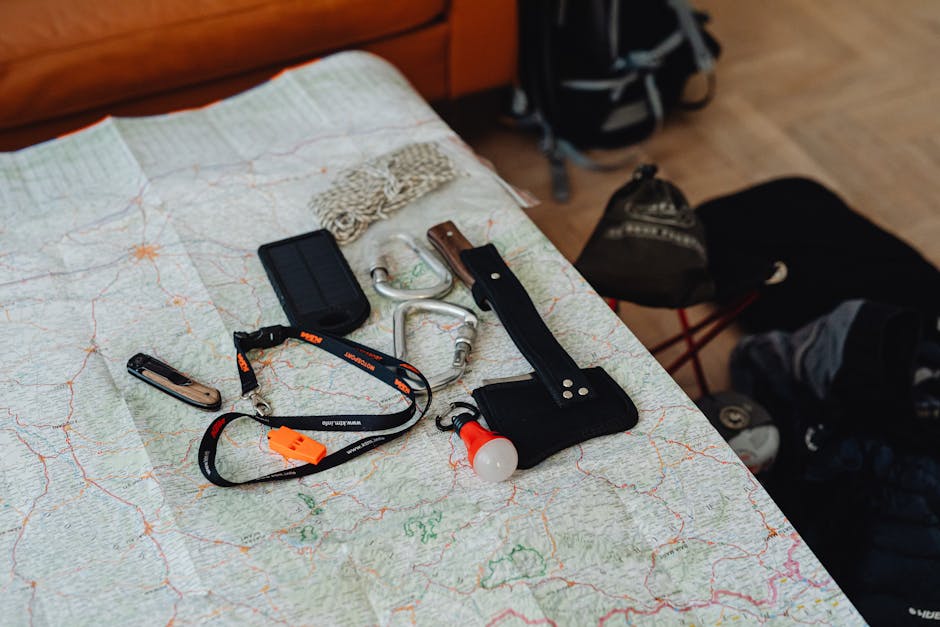
Imagine finding yourself in an unexpected situation where the comforts of modern life are suddenly out of reach. In these moments, having a basic survival kit can mean the difference between safety and vulnerability.
But what exactly should you have in this essential kit to ensure you're prepared for anything? You might think of the usual items like water and food, but there’s much more that could be vital in an emergency. By diving into this guide, you’ll discover the crucial components of a basic survival kit and understand why each item is important.
Whether you're an avid adventurer or someone who simply wants to be prepared, this knowledge will empower you with confidence and peace of mind. Ready to uncover what every basic survival kit should include? Let's explore the must-haves that could make all the difference for you and your loved ones.
Core Survival Tools
When preparing for unexpected situations, having the right tools in your survival kit can make all the difference. Core survival tools are essential elements that can help you navigate challenges and increase your chances of staying safe. These tools are not just for adventurers; they're crucial for anyone wanting to be prepared for emergencies.
Multi-tool Essentials
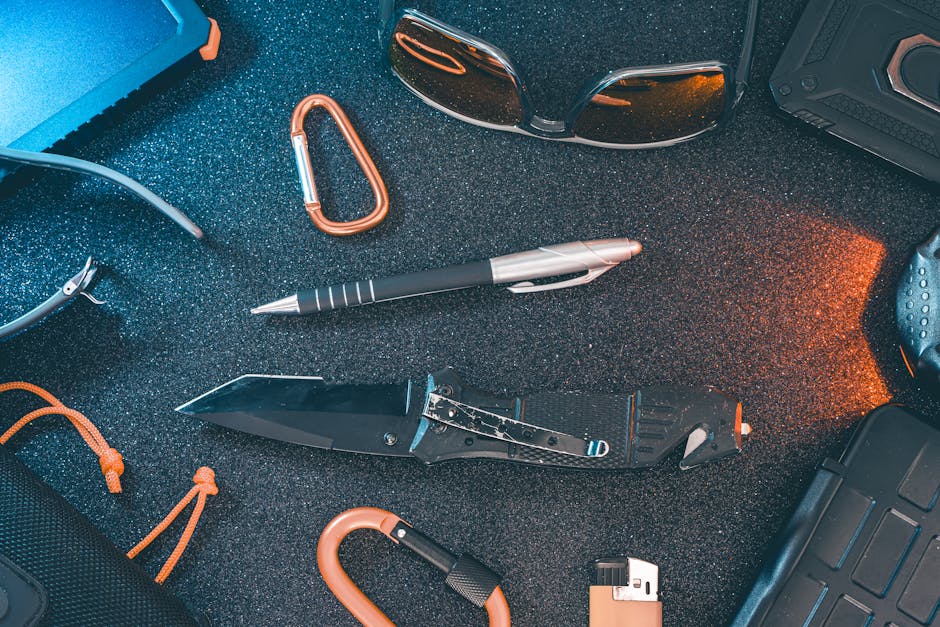
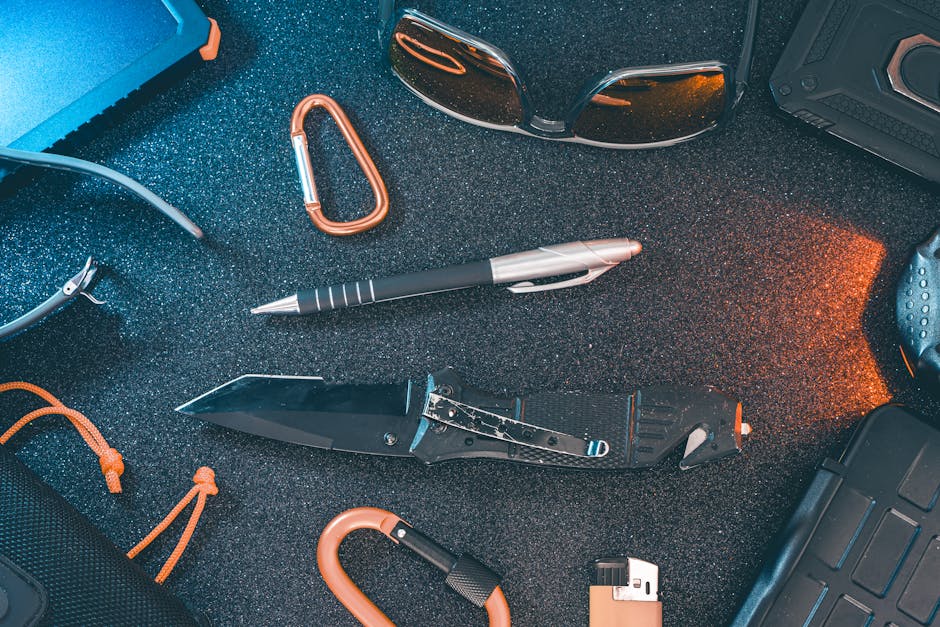
A multi-tool is a compact and versatile piece of equipment that every survival kit should include. Imagine being stranded in the wilderness without easy access to the tools you need. A multi-tool can be your best friend in such scenarios. It typically features a combination of pliers, screwdrivers, knives, scissors, and more.
Think about the last time you needed a screwdriver or a knife unexpectedly. Having a multi-tool means you're always prepared. Choose one that fits comfortably in your hand and has the tools you find most useful. With a multi-tool, you can tackle a variety of tasks without lugging around a toolbox.
Reliable Fire Starters
Fire is a crucial element in any survival situation, providing warmth, cooking options, and even a signal for help. But how do you ensure you can start a fire when you need it? Reliable fire starters are the answer. Matches can get wet, and lighters can run out of fuel. You need something more dependable.
Consider using magnesium fire starters or fire steels, which work even in wet conditions. These tools can ignite kindling with a spark, giving you a consistent way to start a fire. Have you ever tried lighting a fire without them? It can be a real challenge. With reliable fire starters, you're equipped to overcome obstacles that nature might throw your way.
Core survival tools are about being prepared for the unexpected. With a multi-tool and reliable fire starters, you're ready to face challenges head-on. What tools have you added to your survival kit, and how have they helped you in tricky situations? Your insights could inspire someone else to be better prepared.
Shelter And Warmth
In a survival situation, staying warm and sheltered is vital. The elements can be unforgiving. Cold, rain, and wind can threaten health and safety. A basic survival kit should include items for shelter and warmth. These items help protect against harsh conditions. They ensure comfort and survival.
Portable Shelters
Portable shelters offer protection from the weather. They are lightweight and easy to carry. Tents are a popular choice. They provide a barrier against rain and wind. Look for waterproof and durable materials. Another option is a bivvy bag. It's compact and fits in small spaces. Tarps are versatile. They can create a roof or a wall. Choose one that is strong and tear-resistant.
Thermal Blankets
Thermal blankets are essential for warmth. They reflect body heat back to you. Made from materials like mylar, they are lightweight. They pack easily into a survival kit. They are waterproof and windproof. Thermal blankets can prevent hypothermia. Wrap yourself or line a shelter with them. They are effective in emergencies. Keep a couple in your kit for extra safety.
Water And Hydration
Water is essential for survival. In emergencies, access to clean water is crucial. A basic survival kit should have tools for water and hydration. These tools ensure you have safe water to drink.
Water Filtration Systems
Water filtration systems clean contaminated water. They remove dirt, bacteria, and chemicals. Portable filters are ideal for survival kits. You can use them in various water sources, like rivers or lakes. Choose a filter with a long lifespan. This ensures it works when you need it most. Some filters are small and easy to carry. They fit in your backpack without taking much space.
Collapsible Water Containers
Collapsible water containers save space. They are light and easy to pack. Use them to store water from safe sources. These containers are durable and reusable. Some have wide openings for easy filling. When empty, they fold flat. This feature makes them convenient in small kits. Always check for leaks before use. A reliable container ensures you can carry enough water.
Food Supplies
Essential food supplies in a basic survival kit include non-perishable items like canned goods, dried fruits, and nuts. These foods provide necessary energy and nutrients. Consider portable snacks for easy access during emergencies.
When assembling a basic survival kit, food supplies are a critical component. They provide the energy and nutrients needed to stay alert and active in challenging situations. Imagine finding yourself in an unexpected emergency—your food supplies will be your lifeline. Choosing the right items for your kit can make all the difference in the world. Let's explore some practical food supply options and the gear to prepare them.
Non-perishable Food Options
Non-perishable foods are a cornerstone of any survival kit. They last longer and require minimal preparation. Think canned beans, dried fruits, and instant noodles. These items can withstand different temperatures and are easy to store. A few years ago, I was on a hiking trip where we unexpectedly got caught in heavy rain. My non-perishable food supplies were a lifesaver. They kept us nourished until we were able to find shelter. Have you considered the shelf life of your food items? Always check expiration dates to ensure they're good when you need them. A quick checklist for your non-perishable options: - Canned goods like tuna and vegetables - Dried foods such as nuts and fruits - Instant meals like soup packets
Portable Cooking Gear
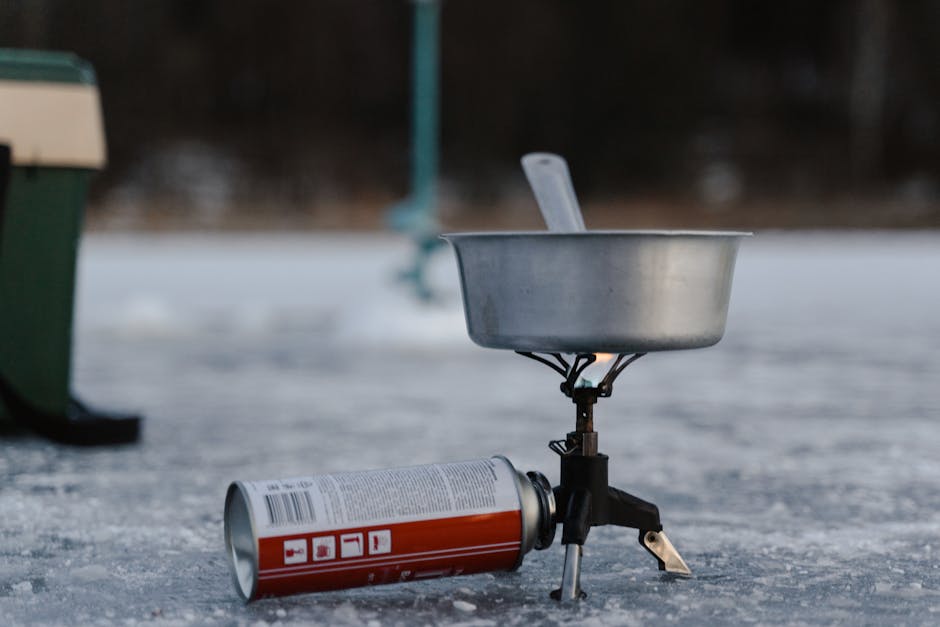
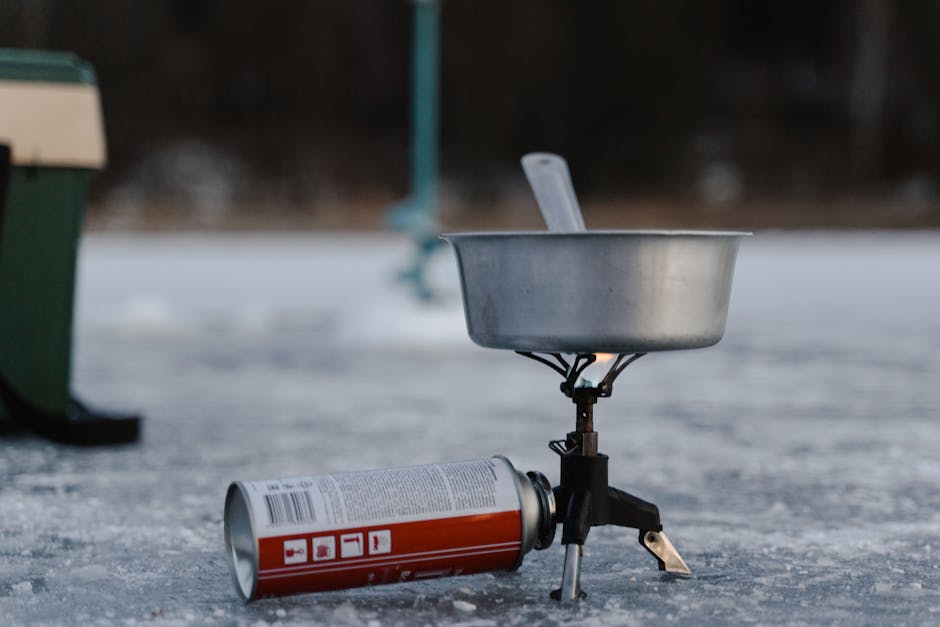
While non-perishable foods are essential, having portable cooking gear can elevate your survival game. A small camping stove or a portable grill can turn basic ingredients into a hot meal. This can boost your morale in an emergency. Portable cooking gear doesn't need to be bulky. Look for lightweight and compact options that fit easily into your kit. On another trip, my friend had a portable stove that cooked a warm meal in under 10 minutes. It was a game-changer. Do you have the right tools to prepare your food on the go? Consider these tools for your survival kit: - Mini stove with fuel canisters - Collapsible cookware like pots and pans - Utensils that are durable and easy to clean Integrating these food supplies and cooking gear into your survival kit can make a significant difference. It’s not just about having food, but the right kind of food and equipment to keep you going when it matters most. What items will you add to your kit today?
First Aid Components
A basic survival kit must include first aid components. They play a crucial role in emergencies. First aid items help manage injuries and health issues until help arrives. Knowing what to include can make a big difference. This section will guide you through the essentials.
Basic First Aid Supplies
Band-aids and adhesive bandages are essential. They cover small cuts and scrapes. Sterile gauze pads are useful for larger wounds. They help control bleeding. Include a roll of medical tape. It secures the gauze in place. Antiseptic wipes clean wounds and prevent infection. They are a must-have. Pain relievers, like ibuprofen, help with headaches and minor pain. Always check expiration dates.
Emergency Medical Tools
A pair of tweezers is handy for removing splinters. Scissors are useful for cutting bandages. A digital thermometer checks for fever. A first aid manual provides guidance in emergencies. Include disposable gloves to maintain hygiene. A CPR face shield offers protection during mouth-to-mouth resuscitation. These tools can be life-saving in critical situations.
Navigation And Communication
Basic survival kits often include a compass and map for navigation. Communication tools, like a whistle or a mirror, help signal for help. These essentials ensure safety in the wild.
Navigating through the wilderness can be daunting without the right tools. Effective navigation and communication are essential components of any basic survival kit. They can mean the difference between getting back to safety or wandering aimlessly. Imagine being lost and trying to find your way without a clue. How do you ensure you stay on the right path and can signal for help if needed?
Compasses And Maps
A reliable compass and a detailed map are indispensable in any survival kit. Compasses provide a sense of direction when landmarks are hard to find. They're easy to use, even for beginners. Pair it with a map of the area, and you have a powerful navigation duo. Maps offer a bird's-eye view of the terrain, showing paths, water sources, and elevation changes. Ensure the map is waterproof or stored in a waterproof case. Regularly checking your compass and map can prevent you from straying too far from your intended route.
Emergency Signaling Devices
In a survival situation, communicating your location to rescuers is crucial. Emergency signaling devices like whistles, mirrors, and flares can capture attention from miles away. Whistles are lightweight and can be heard over long distances. Mirrors reflect sunlight to create a visible signal. They're particularly useful in open areas. Flares are effective at night, providing a bright signal that can be seen from afar. Have you ever thought about how prepared you are to signal for help? Consider adding a combination of these devices to your kit. They could be your lifeline in a critical moment. Always test and familiarize yourself with their use before heading out.
Lighting And Power
A basic survival kit should include reliable lighting and power sources. Flashlights and portable chargers are essential for visibility and communication. Batteries and solar chargers ensure lasting power during emergencies.
When planning for emergencies, having reliable lighting and power sources in your survival kit is crucial. Imagine being plunged into darkness during a power outage or lost in the wilderness with no light. The right tools can help you find your way and keep essential devices operational. Let's explore two indispensable components: durable flashlights and portable solar chargers.
Durable Flashlights
A flashlight is a must-have in any survival kit. It's your beacon when everything else fails. Choose a flashlight that's waterproof and impact-resistant. This ensures it can withstand harsh conditions, whether you're caught in a storm or navigating rough terrain. LED flashlights are a great option. They provide bright, long-lasting light, and their batteries last longer than traditional bulbs. Consider flashlights with adjustable brightness settings. This feature helps conserve battery life and provides just the right amount of light for different situations. Don't forget to pack extra batteries. Keeping your flashlight powered is as important as having it in the first place.
Portable Solar Chargers
In an era where technology is intertwined with survival, keeping your devices charged is vital. Enter portable solar chargers. These chargers harness the power of the sun to keep your gadgets running. They are lightweight, compact, and perfect for off-grid adventures. Look for chargers with multiple USB ports. This allows you to charge several devices at once, saving you time and hassle. Check the solar panel's efficiency rating. Higher efficiency means faster charging even in low light conditions. A personal experience highlighted the importance of these chargers. During a camping trip, my phone died just as I was about to capture a stunning sunset. A solar charger would have saved the moment. Have you ever missed capturing a special moment due to a dead battery? By investing in reliable lighting and power sources, you're better prepared to face whatever comes your way. So, what's the first item you'll add to your survival kit?
Personal Protection
A basic survival kit must include personal protection items like a whistle, flashlight, and emergency blanket. These tools help ensure safety in challenging situations. Keeping a compact first aid kit is also crucial for immediate medical needs.
When you're out in the wild or facing an unexpected emergency, your personal protection becomes a top priority. Imagine finding yourself in a situation where the environment is harsh, and potential threats are real. Would you be prepared to defend yourself and stay safe? A basic survival kit should include essentials for personal protection. This not only boosts your confidence but also ensures your safety in unpredictable situations.
Protective Clothing
The right clothing can be your first line of defense against nature's elements. Choose items that are weather-appropriate and durable. A waterproof jacket and thermal layers are invaluable in cold, wet conditions. Comfortable, sturdy boots will protect your feet on rough terrains. Consider adding gloves and a hat for additional protection. These might seem like small details, but they significantly impact your ability to move and function in challenging environments.
Self-defense Tools
Carrying self-defense tools can make a difference in your sense of security. A compact, easily accessible pepper spray can ward off potential threats. It's lightweight and simple to use, making it ideal for quick responses. A multi-tool with a knife is another essential item. It serves multiple purposes, from cutting ropes to aiding in self-defense. Always ensure you know how to use these tools effectively and legally. Are you confident in your ability to protect yourself in an emergency? Equip yourself with these essentials and practice using them. The peace of mind they offer is invaluable when facing the unknown.
Frequently Asked Questions
What Should Be In A Survival Kit?
A basic survival kit should include essential items like a first aid kit, water purification tablets, non-perishable food, a flashlight, batteries, and a multi-tool. These items help ensure safety and provide necessary resources during emergencies, making your survival kit effective and reliable for unexpected situations.
How Do I Choose Survival Kit Essentials?
When choosing survival kit essentials, consider your environment and personal needs. Prioritize items for safety, nourishment, and shelter. Include versatile tools and gear suitable for various situations. Customize your kit based on climate, terrain, and likely scenarios to ensure you’re adequately prepared for emergencies.
How Often Should I Update My Kit?
Update your survival kit every six months to ensure items are in good condition and relevant. Check expiration dates on food and medicine. Replace used or outdated items. Regular updates help maintain a reliable kit, providing peace of mind and readiness for unforeseen situations.
Can I Buy A Ready-made Survival Kit?
Yes, ready-made survival kits are available and convenient. They usually contain essential items needed for emergencies. However, tailor the kit to your specific needs by adding personal items. This ensures comprehensive preparedness, accommodating your unique requirements and environmental factors.
Conclusion
A basic survival kit is crucial for safety in emergencies. It includes essentials like water, food, and a first aid kit. Packing a flashlight and batteries ensures you have light. Don't forget a whistle to signal for help. Maps and a compass guide your way.
Keep a multi-tool for various tasks. Include matches or a lighter for fire. These items provide security and confidence. Prepare your kit wisely. Stay ready for unexpected situations. Safety first, always. Equip yourself with knowledge and the right tools. Your survival kit is your lifeline.
Stay safe, stay prepared.