Picture this: you're out in the wilderness, surrounded by the beauty of nature, when suddenly, you find yourself in a situation where you must rely on your own skills and resources. It's a scenario none of us want to face unprepared.
That's why having a well-equipped wilderness survival kit is crucial. But how do you put together a kit that truly meets your needs? In this guide, we'll walk you through the essential items you need to include, ensuring you're ready for anything the great outdoors throws your way.
By the end of this article, you'll know exactly what to pack and why each item is important. Imagine the peace of mind you'll feel knowing that you have the tools and knowledge to handle any unexpected challenges. Stay with us, and let's make sure you're prepared for your next adventure.
Choosing The Right Container
Selecting the right container for your wilderness survival kit is crucial for safety. Opt for a durable, lightweight option that resists water. Ensure it fits essentials like a first aid kit, tools, and food supplies securely.
Choosing the right container for your wilderness survival kit is a crucial step that can make or break your adventure. Imagine reaching for your kit only to find it's too bulky or not waterproof. Your container should be durable, compact, and able to withstand the elements. With the right choice, you'll feel confident knowing your essentials are protected and easily accessible when you need them most.
Durability And Material
Your survival kit container must be tough. Consider using a metal tin, which is resistant to crushing and can double as a cooking pot. Plastic containers are lightweight but prone to cracking in extreme conditions. Test the material's strength before committing. A friend once discovered that his plastic container shattered in the cold, leaving him scrambling for a makeshift solution.
Size And Capacity
The size of your container is vital. It should be large enough to hold all your essentials yet small enough to carry comfortably. Evaluate what you plan to include—bandages, fire starters, a knife—and ensure they fit without overstuffing. Picture yourself in a survival situation; you don't want to waste time digging through a cluttered kit.
Waterproofing
Waterproofing can save you from disaster. Choose a container with a rubber seal or consider using a zip-lock bag inside your main container. A properly waterproofed kit ensures that your matches and electronics stay dry, even if you cross a stream or get caught in a rainstorm. Have you ever faced the frustration of wet matches when trying to start a fire? Waterproofing prevents those moments.
Portability
Your survival kit should be easy to carry. Look for containers with handles or straps to attach them to your backpack. Portability is key when you're hiking or climbing. Reflect on times when you’ve struggled with carrying gear; a portable container will make your journey smoother.
Visibility
Opt for a container in a bright color. It helps you locate your kit quickly, especially in dense forests or low-light conditions. A friend once shared how his bright orange container saved him time during a night hike. Can you afford to waste precious minutes searching for your kit? Choosing the right container involves careful consideration of various factors. Each choice impacts your preparedness and peace of mind. With the right container, your wilderness survival kit becomes a reliable companion in any adventure.
Essential Tools And Equipment
Creating a wilderness survival kit requires careful planning. Essential tools and equipment can mean the difference between struggle and safety. Choose wisely, as each item plays a crucial role in survival.
Consider the environment and the possible challenges. These tools help you navigate, protect, and provide for yourself in the wild.
Knives And Multi-tools
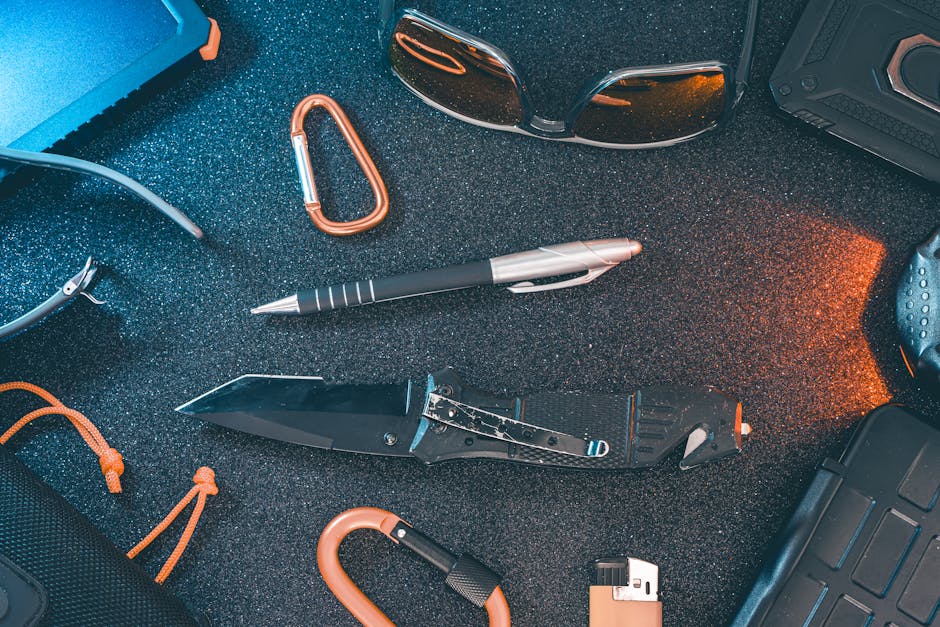
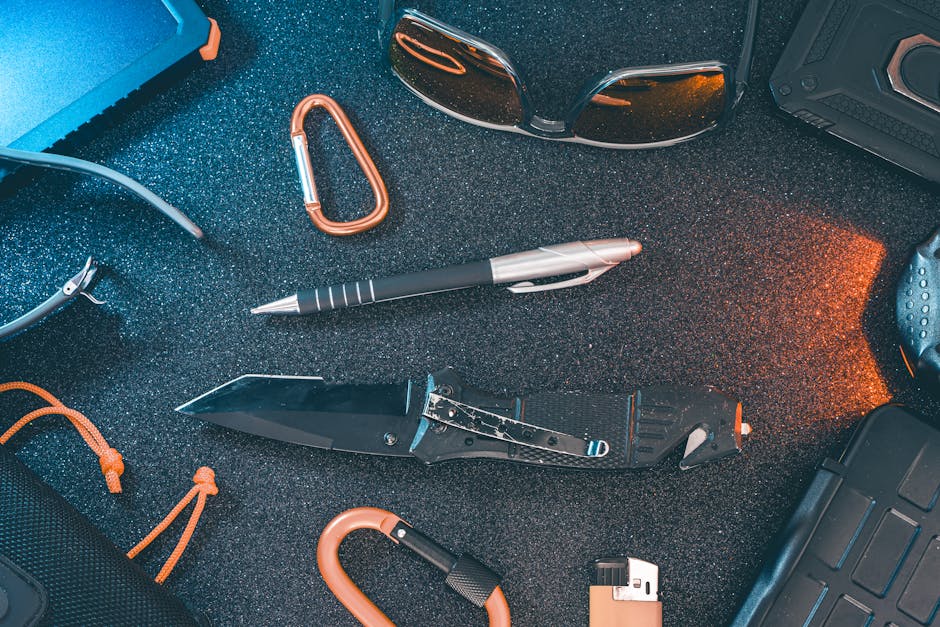
A sturdy knife is invaluable. It cuts, slices, and helps with food preparation. Multi-tools offer various functions such as screwdrivers, pliers, and scissors. They are compact and versatile. Ensure your tools are durable and easy to use.
Fire Starters
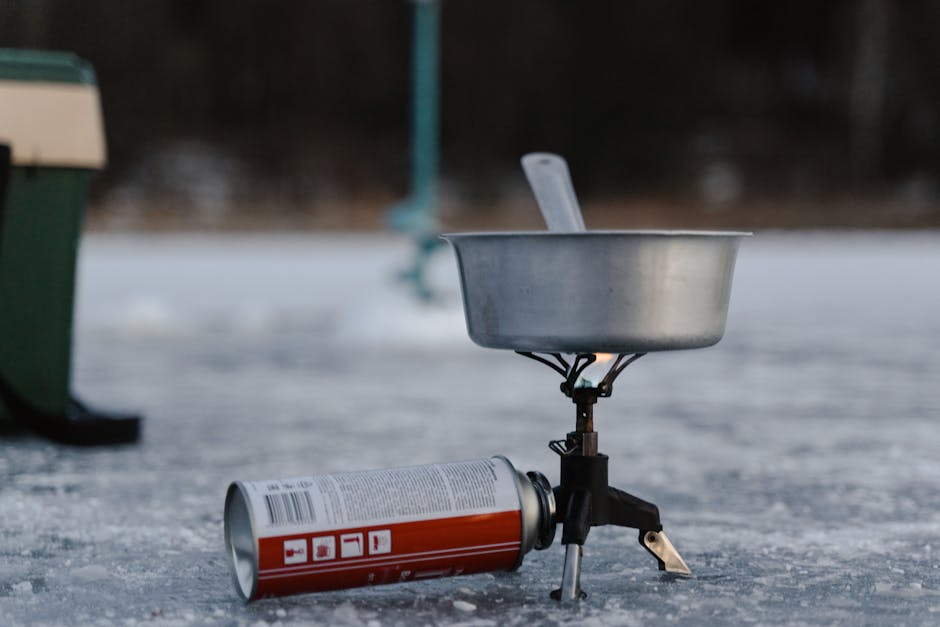
Fire is essential for warmth and cooking. Matches and lighters are basic but reliable. Magnesium sticks and fire steel provide spark even in wet conditions. Practice using them before heading into the wilderness.
Water Purification
Clean water is vital for health. Water purification tablets are compact and effective. Portable filters remove bacteria and debris. Boiling water is another simple method. Always prepare for unexpected water sources.
Navigation Aids
Staying on course is key. A map and compass are traditional but dependable. GPS devices offer modern convenience. Learn to read maps and understand compass directions. Practice navigating before relying on digital tools.
Shelter And Warmth Supplies
In the wilderness, staying warm is crucial for survival. Exposure to cold can lead to hypothermia. You need the right supplies to stay warm and dry. Having a well-prepared survival kit can make a big difference. Here are essential items to include for shelter and warmth.
Emergency Blankets
Emergency blankets are lightweight and compact. They are also known as space blankets. They reflect body heat back to you. This helps to keep you warm in cold conditions. Always have a few in your survival kit. They're affordable and take up little space.
Tarp And Rope
A tarp can serve multiple purposes. Use it as a shelter to protect against rain and wind. It's easy to set up with some rope. You can create a makeshift tent or a simple cover. This setup can keep you dry and warm. Ensure the tarp is durable and waterproof.
Clothing Essentials
Proper clothing is key for wilderness survival. Pack layers of clothing to adjust to the weather. Include thermal underwear and a waterproof jacket. Wool socks and gloves are essential too. Choose materials that wick moisture away from the skin. This helps maintain body heat and comfort.
Food And Nutrition Essentials
Surviving in the wilderness requires more than just skill. You need energy, too. Carrying the right food can make a big difference. Your survival kit should have foods that last long. Also, include tools to catch your own food.
Non-perishable Foods
Non-perishable foods are crucial for survival. They stay fresh for a long time. Pack items like nuts, dried fruits, and granola bars. These provide quick energy. Canned foods are also a good choice. Choose cans with pull-tabs. You won't need a can opener.
Include some powdered drink mixes. They add flavor and nutrients to water. Instant oatmeal packs are lightweight. They’re easy to prepare. Just add hot water. Choose foods that are high in calories and nutrients.
Fishing And Trapping Gear
Fishing can be a reliable food source. Include a small fishing kit in your survival pack. This could have a fishing line, hooks, and some weights. Small lures or artificial bait can attract fish.
Trapping gear can catch small animals. A few snares or wire can be useful. Learn basic trapping techniques before heading out. Knowledge helps you make the most of your gear.
Both fishing and trapping require patience. But they can provide fresh food, adding variety to your diet.
First Aid Kit Components
Crafting a wilderness survival kit requires essential components, such as bandages, antiseptic wipes, and adhesive tape. A compact first aid guide is also vital, ensuring quick and effective response to injuries. Including tweezers and scissors adds versatility, helping manage unexpected situations efficiently.
When venturing into the wilderness, having a well-prepared first aid kit is non-negotiable. Accidents can happen, and being ready can be the difference between a minor mishap and a major emergency. A thoughtfully assembled first aid kit ensures you are equipped to handle unexpected health issues, allowing you to focus on the adventure at hand. But what should you include in this essential part of your wilderness survival kit?
Basic Medical Supplies
Your first aid kit should start with basic medical supplies. These are the essentials that you need for treating cuts, scrapes, and minor injuries. Band-aids, sterile gauze, and adhesive tape are must-haves. Don't forget antiseptic wipes to clean wounds before dressing them. Include a pair of tweezers for removing splinters or ticks. A small pair of scissors can be invaluable for cutting bandages or tape. Think about how you would handle a cut or scrape in the wild. Is your kit ready for such a situation? A small CPR face shield can also be a lifesaver. It’s compact and can protect both you and the person you're helping. Don't overlook the importance of safety pins for securing bandages or slings.
Pain Relief And Allergy Medication
Pain relief and allergy medications are crucial for any first aid kit. Whether it's a headache from dehydration or an allergic reaction to an unknown plant, being prepared is key. Ibuprofen or acetaminophen can help manage pain and reduce fever. They’re small, lightweight, and easy to pack. Consider your own allergies or those of your companions. Antihistamines can alleviate allergic reactions that might occur from insect bites or plant exposure. How many times have you been caught off guard by a sudden allergy attack? Don't let it ruin your trip. Include antacid tablets for unexpected stomach issues. Wilderness adventures can sometimes lead to digestive discomfort from new foods or stress. Are you ready to handle such surprises with ease? By considering these components, you ensure your first aid kit is comprehensive and ready for the wilderness. What other items would you consider essential in your kit? Share your thoughts and keep exploring the world safely.
Signaling And Communication Tools
A wilderness survival kit needs good signaling and communication tools. Items like whistles and mirrors help you get noticed. Bright fabric can make a flag to signal help.
When venturing into the wild, ensuring you have reliable signaling and communication tools is crucial for your survival. Imagine being lost in the wilderness with no way to signal for help. Scary, right? That's why having the right tools in your survival kit can make all the difference. Let’s dive into some practical tools that can help you signal for help and communicate with rescuers effectively.
Whistles And Mirrors
A whistle is a lightweight tool that can save your life. Its sharp, piercing sound can travel much farther than your voice. Choose a whistle that’s durable and weather-resistant. Attach it to your backpack or wear it around your neck for easy access. You never know when you might need to use it. Mirrors, on the other hand, are silent yet powerful signaling devices. They can reflect sunlight to catch the attention of rescuers from miles away. Make sure your survival kit includes a small, high-quality mirror with a sighting hole. Practice signaling with it so you’re prepared in a real emergency. Have you ever signaled with a mirror before?
Portable Radios
Portable radios are essential for staying informed and connected. In a survival situation, a radio can provide you with weather updates and emergency broadcasts. Opt for a hand-crank or solar-powered model to ensure you’re never out of power. They are small enough to fit in your kit but mighty in their utility. Consider a two-way radio for direct communication. These allow you to send and receive messages, increasing your chances of getting timely help. They can be particularly useful if you’re in a group that needs to split up. Always check the battery life and range before heading out. How would you feel knowing help is just a call away?
Lighting And Illumination
Crafting a wilderness survival kit involves choosing essential lighting tools. Include a compact flashlight and extra batteries. Consider solar-powered lanterns for reliable illumination in remote areas.
In the wild, where the sun sets without a warning, having reliable lighting and illumination can be your guiding star. Whether you're setting up camp, navigating a trail, or responding to an emergency, proper lighting is crucial. You never know when you'll need to shed light on a situation, so it's best to be prepared.
Flashlights And Headlamps
Flashlights and headlamps are your best allies when darkness falls. A flashlight is handy for focused tasks, like finding something in your bag or signaling for help. Headlamps, on the other hand, free up your hands, making them perfect for tasks like setting up a tent or preparing a meal. Choose a flashlight with a strong beam and durable casing. It's worth investing in a waterproof model for those rainy nights. A headlamp with adjustable brightness can be a lifesaver when you need to conserve battery life. I once found myself on an unexpected night hike. My headlamp allowed me to keep my hands free and adjust my path without fumbling with a flashlight. It was a small choice that made a big difference.
Spare Batteries
Imagine your flashlight dimming just as you spot a trail marker. Spare batteries are not just a convenience; they're a necessity. Ensure you pack enough batteries to keep your devices running through the night. Organize your batteries in a waterproof container to prevent damage. Consider rechargeable batteries if you're on a longer journey with access to solar chargers. It’s a sustainable choice that can save weight and space. Reflect on this: how many times have you wished for a backup power source in your daily life? In the wilderness, this foresight can be your saving grace. Always check the compatibility of your batteries with your devices before setting off. In the wilderness, every piece of your survival kit matters. Lighting is one area where you should not skimp. It can illuminate not just your path, but also lead you to safety.
Additional Survival Items
Wilderness survival kits need extra items like waterproof matches, a compact flashlight, and a multi-tool. These tools increase your chances of staying safe and comfortable in the wild. Compactness and efficiency are key for fitting these essentials into your kit.
When venturing into the wilderness, a well-prepared survival kit is your best companion. While the basics like food, water, and shelter are crucial, additional survival items can significantly enhance your chances of thriving in the wild. These items often go unnoticed but can make all the difference in unforeseen situations. Have you ever thought about what extra items could turn a challenging scenario into a manageable one?
Insect Repellent
In the wilderness, insects can be more than just an annoyance. They can pose serious health risks through bites and stings. An effective insect repellent can protect you from mosquitoes and ticks, which can carry diseases. Choose a repellent with DEET or natural options like lemon eucalyptus oil for long-lasting protection. Imagine sitting by the campfire, swatting away bugs instead of enjoying the peaceful evening. A small bottle of repellent can make your outdoor experience more enjoyable and safe. Pack it in an accessible spot in your kit, so you're ready whenever those pesky bugs appear.
Sewing Kit
A sewing kit might seem out of place in a survival situation, but its utility is unmatched. Think about a torn backpack or a ripped jacket in the middle of a trek. A simple needle and thread can save the day, allowing you to repair gear and clothing on the spot. Consider the time you might have spent trying to improvise with duct tape or other materials. A compact sewing kit takes up minimal space and can include essentials like needles, thread, and safety pins. You can even use it to create makeshift fishing lures or repair a damaged tent. Including these additional items in your survival kit can ensure you're prepared for a wide range of challenges. What other unexpected items could prove invaluable in the wild?
Regular Maintenance And Updates
Regular maintenance keeps your wilderness survival kit ready for emergencies. Check supplies regularly to ensure they're not expired. Update your kit as your needs change or you find better tools.
Regular maintenance and updates are crucial for ensuring that your wilderness survival kit is always ready for use. Just like any other piece of equipment, your survival kit needs regular attention to stay effective. This includes checking expiry dates, making seasonal adjustments, and routinely inspecting the condition of the items inside.
Checking Expiry Dates
Have you ever opened a can of food only to find it's past its prime? Your survival kit is no different. Many items, like food and medicine, have expiry dates. Regularly check and replace any expired items. You don't want to be stuck in the wilderness with spoiled food or ineffective medicine. Create a simple checklist and mark the expiry dates clearly. Set reminders in your calendar to check these dates every few months. This proactive step can save you a lot of trouble in an emergency.
Seasonal Adjustments
Your survival needs change with the seasons. A kit packed for summer won’t serve you well in the dead of winter. Consider swapping items according to the weather. In colder months, add extra layers, hand warmers, and a thermal blanket. For warmer weather, include sunblock, insect repellent, and extra water. Think about the last time you went on a winter hike. Did you wish you had something extra? Use those experiences to guide your adjustments. This way, your kit remains relevant and effective all year round. Remember, your survival kit is a living tool. It should evolve with your needs and the environment. What steps will you take today to keep it updated?
Frequently Asked Questions
What Essentials Should Be In A Survival Kit?
A survival kit should include items like a first aid kit, water purification tablets, and a compass. Also pack a multi-tool, flashlight, and a fire starter. These essentials are crucial for safety and navigation. Adjust your kit based on the specific wilderness conditions you’ll face.
How Do I Choose A Survival Backpack?
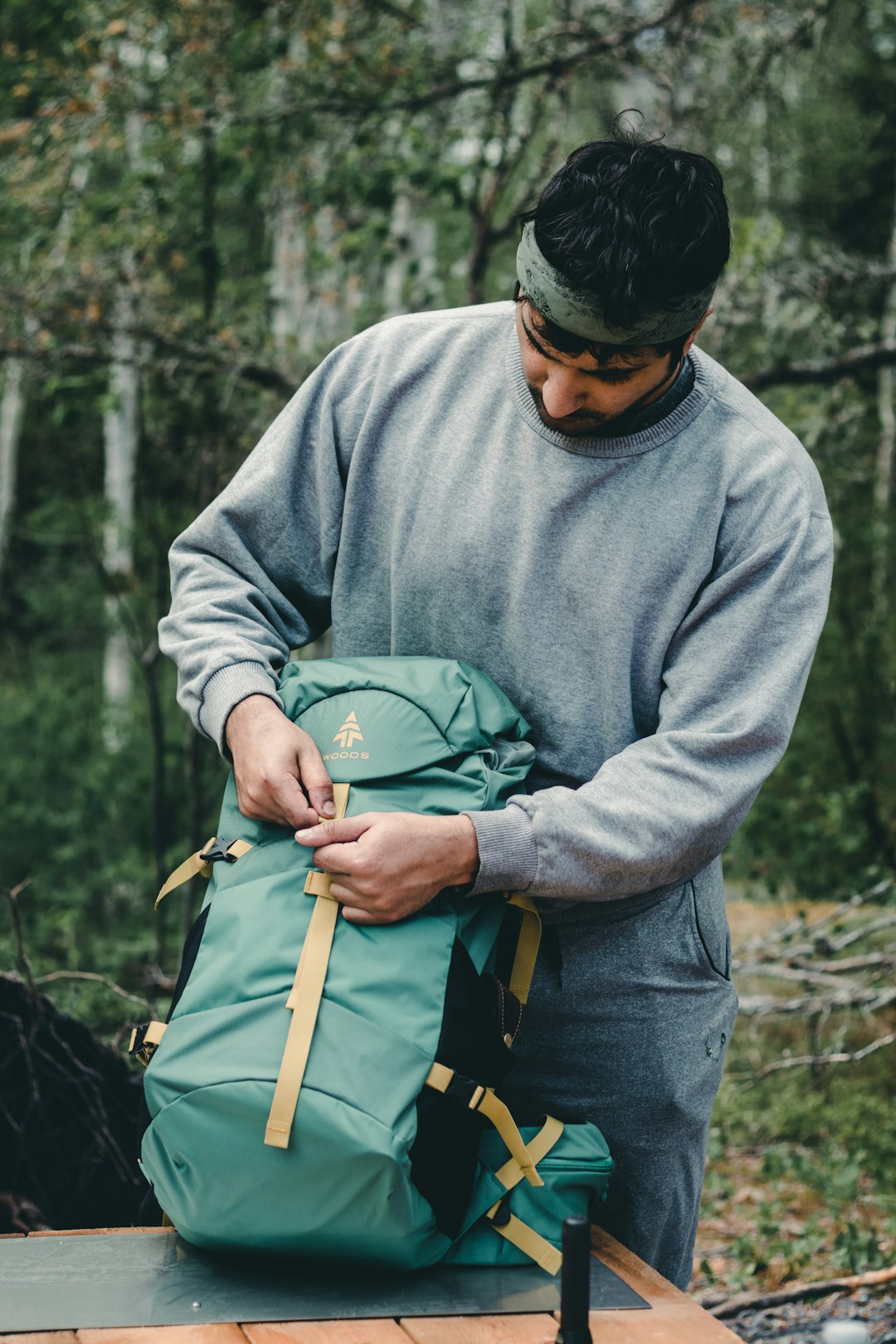
Choose a backpack that is durable, lightweight, and water-resistant. Look for adjustable straps for comfort and multiple compartments for organization. Ensure it’s large enough to fit all necessary gear but compact for easy carrying. Test the backpack before your trip to confirm comfort and fit.
Can I Make A Diy Survival Kit?
Yes, you can make a DIY survival kit by gathering essential items like a first aid kit, water purifier, and fire starter. Customize your kit based on your needs and the environment. Ensure all items are compact and easily accessible, and regularly check and update your supplies.
How Often Should I Update My Survival Kit?
Update your survival kit every six months to ensure all items are functional and in good condition. Replace expired items like food and medications promptly. Regularly assess your kit to adapt to seasonal changes and new wilderness locations. Maintain readiness for unexpected emergencies.
Conclusion
Creating a wilderness survival kit is essential for outdoor adventures. It ensures safety and preparedness. Start by gathering basic items. Consider a sturdy knife, waterproof matches, and a first aid kit. Include a compass, flashlight, and extra batteries. Don't forget water purification tablets.
Pack non-perishable food and a thermal blanket. A whistle and signal mirror can help in emergencies. Regularly check and update your kit. Practice using each item. This boosts confidence in real situations. Stay prepared and enjoy your wilderness adventures safely.