Have you ever wondered if your furry friend can handle the biting chill of below-freezing temperatures? As a cat owner, you're naturally concerned about your pet's well-being in harsh weather conditions.
While cats are known for their independence and adaptability, freezing weather can pose real risks. This isn't just about keeping them cozy; it's about ensuring their survival. We'll explore how cats cope with extreme cold and what you can do to protect them.
Discover the surprising truths and essential tips that could make all the difference for your beloved feline during those frosty days. Keep reading to ensure your cat stays safe and sound, even when the mercury drops.
Cat Physiology And Cold Weather
Cats are remarkable creatures with unique adaptations to various climates. Their physiology plays a key role in surviving cold weather. Understanding these adaptations can help you keep your feline friends safe during winter months.
How Cats Maintain Body Temperature
Cats have thick fur coats that act like insulators. These coats trap heat close to their bodies. This helps them stay warm even when temperatures drop. Their bodies also produce heat through increased metabolism. This ensures they maintain a stable body temperature.
The Role Of Fat In Insulation
Fat layers provide additional insulation for cats. This layer helps conserve body heat. It acts as a barrier against the cold. Cats tend to store more fat in the winter. This natural adaptation helps them stay warm.
Paws And Ears: Vulnerable Areas
A cat's paws and ears are more exposed to cold. These areas have less fur and are prone to frostbite. Cats instinctively tuck paws under their bodies. This helps protect them from freezing temperatures. Their ears are sensitive and can get cold quickly.
The Importance Of Shelter
Even with these adaptations, cats need shelter in freezing weather. A warm, dry place is essential for their survival. Providing shelter keeps them safe and comfortable. A simple insulated box can make a big difference.
Behavioral Adaptations
Cats are intriguing creatures with fascinating behavioral adaptations. These adaptations help them survive in below-freezing temperatures. Through instinct and experience, cats have learned to navigate cold environments. Their survival strategies are a testament to their resilience.
: Seeking Shelter
Cats often find warm places to rest. They may choose barns, garages, or under porches. These spots provide protection from the wind and snow. By seeking shelter, cats conserve body heat. This is crucial in freezing weather.
: Reduced Activity
Cats become less active during cold weather. They save energy by limiting movement. This helps them maintain body warmth. Reduced activity means less exposure to harsh elements. It's a smart strategy for survival.
: Curling Up
In cold temperatures, cats often curl up tightly. This position minimizes exposed body surface. It reduces heat loss significantly. Curling up helps retain warmth effectively. It's a simple yet effective behavior.
: Thickening Fur
Some cats grow thicker fur in winter. This natural response enhances insulation. Dense fur provides better protection from cold. Cats with thicker coats can endure lower temperatures. It's an adaptive advantage.
: Increased Appetite
Cold weather triggers increased hunger in cats. They eat more to fuel their bodies. Extra calories help generate body heat. This increased appetite supports their survival. Proper nutrition is essential in winter.
Risks Of Freezing Temperatures
Freezing temperatures pose significant risks to cats. Cold weather can be deadly for these beloved pets. Understanding these risks helps in taking better care of your feline friend.
Hypothermia
Hypothermia occurs when a cat's body temperature drops dangerously low. It can happen quickly in below-freezing weather. Symptoms include shivering, weakness, and lethargy. Severe hypothermia may lead to unconsciousness. Immediate warmth and veterinary care are crucial. Prevention is the best strategy to avoid hypothermia.
Frostbite
Frostbite affects a cat's extremities like ears, paws, and tail. These areas are vulnerable in icy conditions. Frostbite can cause tissue damage. Early signs are pale skin and coldness to touch. If untreated, it can lead to serious complications. Seeking veterinary care immediately is essential. Keeping cats indoors during extreme cold reduces frostbite risk.
Safe Outdoor Exploration
When the temperature drops, cats need special care outdoors. Safe outdoor exploration becomes crucial. Cats are curious creatures. They love to explore outside. But freezing weather can be dangerous. Understanding how to keep them safe is important. Let's explore some ways to ensure their well-being.
Time Limits
Limit your cat's time outside during freezing weather. Short periods are safer. Ten to fifteen minutes is ideal. This minimizes exposure to extreme cold. Prolonged exposure can lead to hypothermia. Monitor your cat's behavior closely. If they seem uncomfortable, bring them inside.
Shelter Options
Provide a warm shelter for your cat. A small, insulated house works well. Ensure it's elevated off the ground. Use straw for bedding as it retains heat. Avoid blankets; they can get damp and cold. Make sure the shelter is windproof. Position it in a sheltered area for added protection.
Nutrition And Hydration
Cats face challenges in below-freezing temperatures. Proper nutrition and hydration are crucial for their survival in cold weather. Well-fed cats maintain better energy levels, helping them withstand harsh conditions.
Cats are resilient creatures, but surviving freezing weather requires special care. Nutrition and hydration play vital roles in their well-being during cold months. Proper diet and adequate water intake help maintain their energy levels. This section explores essential nutritional needs and hydration tips for cats in freezing weather.
Provide High-calorie Food
Cats need more calories in cold weather. Their bodies use extra energy to stay warm. Offer high-calorie food to meet these energy needs. Wet cat food can be a good option. It provides both calories and moisture. This helps keep your cat hydrated.
Ensure Constant Access To Fresh Water
Hydration is crucial for cats in freezing temperatures. Ensure your cat has access to fresh water at all times. Water can freeze quickly in cold weather. Check their water dish often. Refill it with fresh, unfrozen water.
Consider Warming The Water
Warming your cat's water can encourage them to drink more. Cats prefer warm liquids in cold weather. Use a heated water bowl to prevent freezing. This ensures your cat stays hydrated throughout the day.
Supplement With Essential Nutrients
Cold weather can deplete certain nutrients in cats. Supplement their diet with omega-3 fatty acids. These support healthy skin and fur. A strong coat helps insulate against the cold. Consult your vet for advice on proper supplements.
Monitor Eating And Drinking Habits
Keep an eye on your cat's eating and drinking habits. Changes can indicate health issues. If your cat eats less, it might need medical attention. Ensure they consume enough food and water daily.
Signs Of Cold Stress
Cold stress in cats includes shivering, lethargy, and pale skin. They can suffer frostbite and hypothermia below freezing. Protect cats with shelter, warmth, and proper care during cold weather.
Understanding the signs of cold stress in cats is crucial, especially as temperatures drop below freezing. Cats, with their independent nature, might not always show when they're uncomfortable or in distress. It's vital to recognize the subtle cues that indicate your feline friend is too cold.
Shivering And Trembling
If your cat is shivering or trembling, it's a clear sign they are cold. Cats use shivering as a way to generate heat when their body temperature drops. Keep a close eye on them and consider bringing them inside or providing extra warmth.
Cold Ears And Paws
Touch your cat’s ears and paws; they should feel warm to the touch. Cold extremities can indicate that your cat's body is struggling to maintain a healthy temperature. Consider warming up their environment and offering cozy blankets.
Lethargy And Sluggishness
A cat that is unusually lethargic or sluggish could be experiencing cold stress. They may move less to conserve energy and maintain warmth. Ensure they have a warm, quiet place to rest and recover.
Seeking Warmth
Notice if your cat is constantly seeking warmth, such as curling up next to heaters or burrowing under blankets. This behavior is a strong indicator that your cat is feeling cold and is trying to warm up. Make sure they have access to a warm space at all times.
Changes In Eating Habits
Cold stress might also cause changes in your cat's eating habits. They may eat less due to the stress of being cold. Monitor their food intake closely and provide warm, nutritious meals to help them maintain energy levels.
Excessive Grooming
Some cats may groom excessively when they are cold, trying to stimulate circulation and generate warmth. If you notice this behavior, consider increasing the temperature in their environment or providing a heated pet pad.
What Can You Do?
Are you prepared to help your cat in cold weather? Ensure they have access to warm spaces and check for signs of cold stress regularly. Your attentive care can make all the difference in keeping your feline friend safe and comfortable in freezing temperatures.
Emergency Care Tips
When temperatures plunge below freezing, cats face serious risks. Ensuring their safety involves understanding emergency care tips. These tips can be lifesaving. Quick action is crucial to protect your feline friend from severe cold-related injuries.
Immediate Actions
If your cat is exposed to freezing weather, act fast. First, bring your cat indoors. Warm them gradually. Avoid using direct heat. Wrap them in a warm blanket. Offer lukewarm water to drink. Monitor their breathing and responsiveness.
Check their paws for frostbite. Look for signs like pale skin. Gently dry any wet fur. Wet fur increases risk of hypothermia. Create a cozy, warm spot for your cat to rest. Use a heated pet bed if available.
When To Contact A Vet
Call a vet if your cat shows signs of distress. Symptoms of hypothermia include shivering, lethargy, and weak pulse. Frostbite can cause swelling or blackened skin. If your cat is not warming up, seek veterinary help.
Prompt action can prevent long-term damage. Always err on the side of caution. Professional guidance ensures the best care for your cat. Remember, a vet's intervention can be crucial.
Preventive Measures
Cats can endure cold, but freezing temperatures pose dangers. Ensuring shelter and warmth is crucial for their survival. Provide insulated spaces and check their health regularly to prevent frostbite or hypothermia.
Preventive Measures Cats are naturally resilient, but below-freezing temperatures can be a real threat to their health. As a cat owner, it’s your responsibility to ensure your feline friend stays warm and safe during the cold months. Taking preventive measures not only keeps your cat cozy but also prevents potential health issues like hypothermia or frostbite.
Creating A Warm Environment
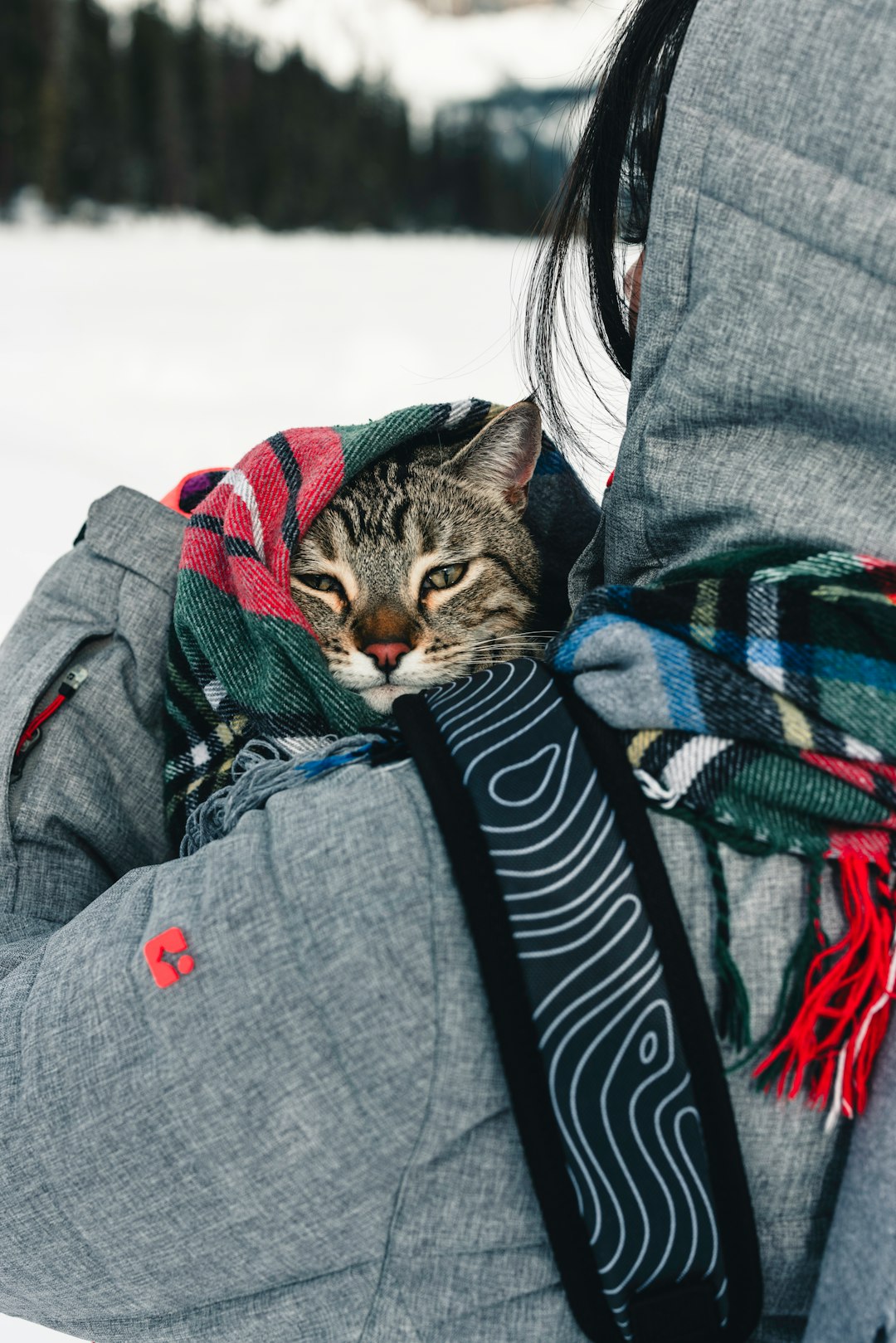
Start by setting up a warm space inside your home where your cat can retreat. Find a spot away from drafts, like a cozy corner or a sunny windowsill. You can add blankets or a soft bed to make it even more inviting. Consider using a heated cat bed. These beds provide consistent warmth, ideal for those extra chilly nights. Ensure the bed isn’t too hot, as cats appreciate gentle warmth. If your cat spends time outdoors, provide an insulated shelter. Use materials like straw for insulation, as they help retain heat better than blankets or towels. Check the shelter regularly to ensure it's dry and secure.
Winter Clothing For Cats
You might wonder if cats need clothes. For some cats, especially those with short fur or health issues, clothing can be beneficial. A snug-fitting sweater or jacket can provide that extra layer of warmth. Choose materials that are soft and breathable. Avoid anything that might restrict your cat’s movement or irritate their skin. Remember, not all cats will tolerate clothing, so monitor their comfort closely. If your cat hates clothing, focus on keeping their environment warm. You can also try booties for outdoor adventures to protect their paws from ice and salt. Have you ever seen a cat in booties? It’s both adorable and practical!
Ensuring your cat’s safety in cold weather is crucial. What other steps do you take to keep your pet comfortable during winter? Share your tips in the comments!
Frequently Asked Questions
Can Cats Survive In Freezing Temperatures?
Cats can endure cold weather but not extreme cold for long periods. Their fur provides some insulation, but hypothermia is a risk. It's essential to provide shelter, warmth, and food during cold weather. If temperatures drop below freezing, bring outdoor cats inside to ensure their safety.
How Do Cats Stay Warm In Cold Weather?
Cats maintain warmth by seeking shelter and curling up in small spaces. Their fur offers some protection, but they need extra help in freezing conditions. Blankets, heated pads, or insulated shelters can help outdoor cats. Ensure they have access to fresh water and food for energy.
What Are Signs Of Cat Hypothermia?
Signs of hypothermia in cats include shivering, lethargy, and pale gums. Their body temperature drops, leading to weakness and confusion. Immediate warmth and veterinary attention are crucial. If you notice these symptoms, bring your cat indoors and consult a vet promptly for treatment.
Can Indoor Cats Handle Cold Weather?
Indoor cats are generally safer from cold weather risks. However, cold drafts and low indoor temperatures can still affect them. Ensure your home is warm and comfortable. Provide blankets or heated beds to keep indoor cats cozy, especially during winter months.
Conclusion
Cats can handle cold, but extreme cold is dangerous. Always provide shelter. Warm bedding keeps them comfortable. Ensure they have access to fresh water. Check for frostbite on ears and paws. Keep them indoors during severe weather. Outdoor cats need extra food for energy.
Monitor their health closely. Their safety depends on your care. Remember, a warm cat is a happy cat. Prioritize their comfort in freezing temperatures. These simple steps help them survive and thrive. Stay attentive and caring. Your cat relies on you for warmth and safety.