Are you worried about your furry friend's well-being during the cold months? You're not alone.
Many dog owners like you wonder if their pets can handle freezing weather. As temperatures drop, ensuring your dog's safety and comfort becomes a top priority. The thought of your beloved pet shivering outside is enough to make anyone anxious.
But don't worry; we're here to help you navigate this chilly challenge. We'll explore everything you need to know about keeping your dog safe and warm, even when the mercury plummets. So, grab a cozy blanket, settle in, and discover how to protect your canine companion this winter. Your dog's happiness could depend on it!
Dog's Cold Tolerance
Dogs can handle cold weather, but freezing temperatures are risky. Some breeds have thicker coats, providing better insulation. Always monitor your dog's comfort and limit exposure in extreme cold.
Understanding your dog's cold tolerance is essential, especially as the temperatures start to dip. Dogs, like humans, have varying abilities to withstand cold weather. While some breeds are naturally equipped to handle colder climates, others might shiver at the slightest breeze. Knowing what your dog can handle ensures their safety and comfort during the chilly months.
How Cold Is Too Cold For Your Dog?
When the mercury drops, it's crucial to know your dog's limits. Different breeds have different cold tolerances. For instance, a Siberian Husky might revel in the snow, while a Chihuahua could find it unbearable. Monitor your dog for signs of discomfort like shivering or whimpering. If you notice these, it's time to bring them indoors.
Breed And Size Matter
Your dog's breed and size significantly affect their cold tolerance. Larger, furrier breeds like Saint Bernards are naturally better insulated against the cold. Their thick coats provide an extra layer of protection. On the other hand, smaller or short-haired breeds, such as Greyhounds, are less equipped to handle freezing temperatures. They lose body heat rapidly, making them more vulnerable.
The Role Of Age And Health
A dog’s age and health also play a role in their ability to cope with the cold. Puppies and older dogs are generally more sensitive to low temperatures. Their bodies struggle to regulate heat effectively. If your dog has a medical condition, like arthritis, the cold can exacerbate their discomfort. Always consider their overall health when planning outdoor activities in winter.
What You Can Do To Help
Help your dog adjust to colder weather with simple measures. Invest in a quality dog sweater or coat for additional warmth. It's a small step that can make a big difference. Limit outdoor time during extreme cold. Instead, engage them in indoor activities to keep them active and entertained.
Signs Your Dog Is Too Cold
Recognizing when your dog is too cold can prevent health issues. If your dog is lifting their paws off the ground, it's a sign they're cold. Excessive shivering, lethargy, or whining also indicate discomfort. Pay attention to these signals and act promptly. Your dog relies on you to keep them safe and warm.
Is Your Dog Cold Tolerant?
Reflect on your experiences with your dog in cold weather. Have you noticed any patterns or preferences? Understanding your dog's unique cold tolerance can help you make informed decisions. Share your observations with others. Your insights could help another dog owner keep their furry friend comfortable during winter. Every dog is unique, and what works for one might not work for another. Always prioritize your dog's well-being and comfort in cold weather. You are their best advocate and protector against the chill.
Recognizing Signs Of Hypothermia
Dogs are incredible creatures, but even they have their limits when it comes to enduring cold weather. Understanding the signs of hypothermia in your dog is crucial for ensuring their safety during freezing conditions. As temperatures plummet, your furry friend’s health can be at risk, and recognizing the early signs of hypothermia can make all the difference in preventing serious health issues.
Behavioral Changes
Pay close attention to your dog's behavior during cold spells. Are they acting unusually lethargic or slow? If your usually energetic pup is suddenly reluctant to move, it might be a sign that they’re struggling with the cold.
Have you noticed excessive whining or barking? These could indicate discomfort or distress. Dogs often communicate their discomfort through vocalization and behavior, so it's important to listen to them.
Are they seeking out warmth more than usual? If they’re constantly trying to snuggle up in blankets or near heat sources, it might be their way of telling you they’re cold.
Physical Symptoms
Keep an eye on your dog's physical condition. Is their skin cold to the touch, especially around the ears or paws? This could be a sign of hypothermia setting in.
Observe their breathing. Is it shallow or labored? Breathing difficulties can be a serious indicator that your dog is not coping well with the cold.
Check for shivering. While a little shivering is normal when they first get cold, prolonged shaking is a major warning sign that your dog is losing body heat fast.
Have you ever wrapped your dog in a warm blanket only to see them relax almost instantly? This small act can be lifesaving, highlighting the importance of warmth in battling hypothermia.
Your dog's well-being is in your hands. Are you ready to recognize these signs and act promptly to protect them? Keeping them warm and safe during freezing weather is your responsibility, and it starts with awareness and observation.
Breeds And Cold Weather
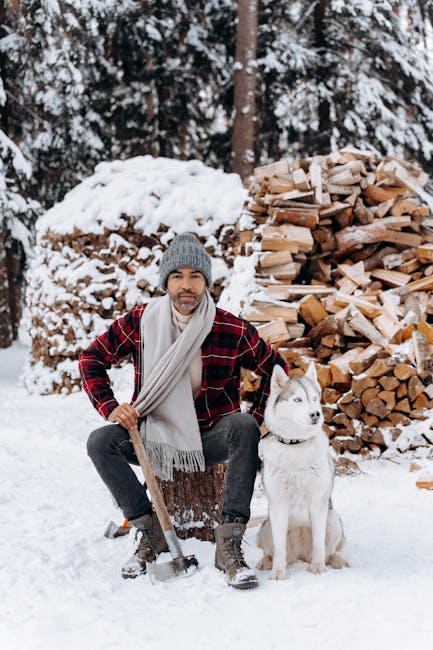
Certain dog breeds handle cold weather better than others. Huskies and Malamutes thrive in freezing temperatures. Thick coats and strong paws keep them warm and safe.
As winter approaches, you may wonder how your dog will cope with the biting cold. Some breeds thrive in chilly conditions, while others might struggle to stay warm. Understanding which breeds are cold-resistant and which are at risk can help you prepare for winter walks and outdoor adventures with your furry friend.
Cold-resistant Breeds
Certain breeds have evolved to handle cold climates. Dogs like the Siberian Husky, Alaskan Malamute, and Saint Bernard are well-equipped for winter. These breeds have thick coats that act like natural insulation, keeping them warm even in freezing temperatures. Their bodies are built to conserve heat, with features like bushy tails and dense fur. You might notice these dogs enjoying the snow, as their paws are designed to grip icy surfaces. If you're considering a winter adventure, these breeds might be the perfect companions. Their natural cold resistance means less worry about frostbite or hypothermia.
Breeds At Risk
On the other hand, breeds like Greyhounds, Chihuahuas, and Dachshunds are less suited to cold weather. These dogs have thin coats and less body fat, making it difficult for them to maintain body warmth. You may see them shivering even in moderately cold temperatures. Owners often dress these dogs in sweaters or jackets to help them cope with the chill. If your dog falls into this category, consider limiting their outdoor time during cold spells. You might ask yourself, is my dog comfortable? Keeping them cozy indoors or providing warm bedding can make a big difference. Knowing your dog's breed and their ability to handle cold weather is crucial. It empowers you to make informed decisions, ensuring your furry friend's comfort and safety all winter long. What steps will you take to protect your dog from the cold?
Winter Gear For Dogs
As winter approaches, dog owners must prepare for cold weather. Dogs need protection from freezing temperatures. Winter gear can help keep them warm and safe. Investing in proper clothing is essential. It ensures your furry friend stays comfortable during chilly days.
Coats And Jackets
Coats keep dogs warm in cold weather. Choose waterproof materials for rainy or snowy days. Fleece-lined jackets provide extra warmth. Adjustable straps ensure a snug fit. Reflective strips enhance visibility during dark winter walks. Different sizes accommodate all breeds.
Boots And Paw Protection
Boots protect paws from ice, snow, and salt. Non-slip soles prevent slipping on icy surfaces. Insulated boots keep paws warm in freezing temperatures. Velcro straps make them easy to put on and take off. Paw balm helps soothe cracked pads.
Safe Outdoor Activities
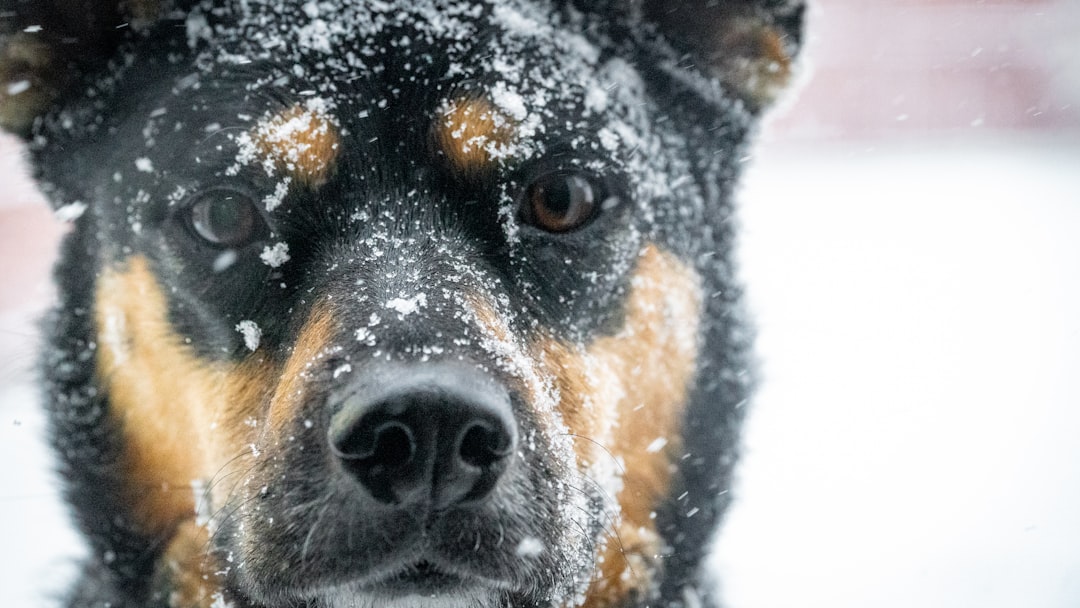
Dogs can face challenges in freezing weather. Their fur provides some protection, but not enough for extreme cold. It's crucial to monitor their time outdoors to ensure safety.
Taking your dog outside in freezing weather can be a refreshing experience, both for you and your furry friend. However, safety should always come first. By choosing the right activities, you can ensure your dog enjoys the chilly outdoors without risking their well-being.
Duration And Intensity
Limit the time your dog spends outside in freezing temperatures. Short, frequent play sessions are better than extended ones. Monitor your dog closely; if they start shivering or lifting their paws, it's time to head indoors. Consider the intensity of the activity. A brisk walk is safer than a long hike in icy conditions. Always adjust the intensity based on your dog's breed and health. Larger, thicker-coated breeds might handle the cold better than smaller, short-haired dogs.
Appropriate Toys And Games
Choose toys that can withstand the cold. Rubber balls and durable tug toys can provide endless fun without becoming brittle in the cold. Avoid metal toys, as these can get too cold for your dog's mouth. Interactive games, like hide and seek, can stimulate your dog's mind while keeping them moving. Try hiding treats in the snow to give them a fun challenge. Do you have a favorite game that keeps your dog happy and active during winter? Share your experiences in the comments. Remember, every dog is different. What works for one might not work for another. Keep your dog's comfort and safety in mind, and you'll both enjoy the frosty weather to the fullest.
Shelter And Warmth
Dogs face challenges in freezing weather. Their fur provides some protection, but extreme cold can be dangerous. Shelter and warmth are essential for survival.
When temperatures drop and icy winds blow, providing proper shelter and warmth for your dog becomes crucial. Dogs, like humans, are susceptible to the harshness of freezing weather. Ensuring they have a warm place to retreat can be a lifesaver. Whether indoors or outdoors, creating the right environment can make all the difference in your dog's comfort and safety.
Indoor Options
Bringing your dog indoors is often the safest choice. A cozy corner in your home can serve as an ideal spot. Use a soft blanket or a dedicated dog bed to keep them warm. Consider setting up their area away from drafts. Windows and doors can let in cold air. Opt for a place that's warm and dry. If space is limited, a crate with a warm cover can mimic a den-like environment. Make sure it's large enough for your dog to stand and turn around comfortably.
Outdoor Shelter Tips
If indoor housing isn't possible, an outdoor shelter must be well-prepared. Ensure the dog house is elevated from the ground to prevent moisture buildup. This helps keep the interior dry and warm. Insulate the shelter using straw or blankets. Avoid using towels as they can freeze and become damp. Regularly check and replace any bedding that becomes wet. Position the dog house with the entrance facing away from the wind. Adding a flap or door can also help block the cold air. Remember to provide fresh water that doesn't freeze. Do you know a neighbor who keeps their dog outside? Sharing these tips could help another furry friend stay warm this winter.
Nutrition And Hydration
Dogs need proper nutrition and hydration to face freezing weather. Adequate food and water help maintain energy and body heat. Ensuring your dog is well-fed and hydrated supports their ability to endure cold conditions safely.
When winter's chill sets in, ensuring your dog has the right nutrition and hydration is crucial for their survival. Cold weather increases energy demands, and hydration can become a challenge when water sources freeze. Just like you bundle up in layers to stay warm, your dog needs extra care in their diet and water intake to thrive in freezing weather.
Dietary Adjustments
Consider adding more calories to your dog's diet during winter. Dogs burn more energy just to keep warm, which means they need more fuel. Look for high-quality dog food with a good balance of protein and fat. If your dog is active or spends a lot of time outdoors, this is even more important. Have you ever noticed your dog's energy levels dropping in the cold? Adjusting their diet can make a huge difference.
Importance Of Water
Water might not be the first thing you think about in cold weather, but it's vital. Dehydration can sneak up on your dog when you least expect it. Ensure your dog's water bowl doesn't freeze. Heated water bowls can be a lifesaver in extreme temperatures. Regularly check your dog’s hydration by observing their skin elasticity and energy levels. Have you ever been surprised by how much water they need even when it's cold? By focusing on these aspects of nutrition and hydration, you're not just helping your dog survive the cold—you're helping them thrive. So, what changes will you make to your dog's winter care routine?
Emergency Measures
Freezing weather poses serious risks to dogs. Quick action is crucial. Emergency measures can save their lives. Below, we explore immediate actions and signs for veterinary care.
Immediate Actions
Bring your dog indoors quickly. Shelter them from the cold. Wrap them in warm blankets. Create a cozy space for them. Use a heating pad on low. Ensure it’s not too hot.
Offer warm water to drink. It helps regulate their body temperature. Check their paws for ice or snow. Remove any with a towel. Dry their coat thoroughly.
Look for signs of hypothermia. These include shivering and weakness. Act promptly if they appear cold.
When To See A Veterinarian
Severe shivering signals trouble. Consult a vet immediately. Persistent lethargy is another red flag. It requires professional attention.
If your dog’s skin turns pale, seek help. Frostbite is dangerous. It needs urgent care. Difficulty breathing is a serious concern. Contact your vet right away.
Early intervention can prevent complications. Keeping your dog safe is paramount.
Frequently Asked Questions
Can Dogs Tolerate Freezing Temperatures?
Dogs can handle cold to some extent, depending on breed and health. Smaller or short-haired dogs are more vulnerable. Always monitor your pet for signs of discomfort, such as shivering or lethargy, and provide adequate shelter. Consider dog clothing for added warmth during extreme weather conditions.
How Long Can Dogs Stay In Cold Weather?
The duration a dog can stay outside depends on breed, size, and weather conditions. Generally, it's best to limit exposure to freezing temperatures to 30 minutes or less. Always ensure your dog has access to a warm shelter and monitor for signs of distress.
What Are Signs Of Hypothermia In Dogs?
Signs of hypothermia in dogs include shivering, lethargy, and pale gums. Severe symptoms may involve confusion or difficulty breathing. If you suspect hypothermia, warm your dog gradually and seek veterinary care immediately. Always monitor your dog closely during cold weather outings to prevent hypothermia.
Are Some Dog Breeds More Cold-resistant?
Yes, some breeds are more cold-resistant. Breeds like Huskies and Malamutes have thick coats suited for cold climates. These dogs can tolerate freezing weather better than short-haired breeds. However, all dogs need protection and care during extreme cold to prevent health issues.
Conclusion
Dogs can survive cold weather with the right care. Provide them with warmth. Ensure their shelter is insulated. Keep their time outside short. Feed them well for energy. Watch for signs of discomfort. Shivering or lethargy need attention. Keep their paws safe from ice.
Booties or paw balm can help. Fresh water is essential, not frozen. Always stay alert to their needs. Understanding these basics keeps your dog safe. Enjoy winter with your furry friend. Stay prepared and keep them cozy. Happy and healthy pups make happy owners.