Imagine you're deep in the wilderness, far from civilization and surrounded by nature's raw beauty. Suddenly, you realize you're on your own, and every decision you make could be crucial.
What would you do? How would you survive? This is where a well-equipped wilderness survival kit becomes your lifeline. But what exactly should you have in it to ensure your safety and well-being? You might be surprised by the essentials that can make all the difference between thriving and just surviving in the wild.
You'll discover the must-have items that will empower you to face any challenge nature throws your way. Get ready to transform your outdoor adventures into experiences of confidence and security. Dive in and find out what you need to conquer the wilderness!
Core Items For Survival
Embarking on a wilderness adventure can be thrilling, but it also requires preparation to ensure safety and survival. Your survival kit is your lifeline in the wild, and having the right core items can make all the difference. Each item serves a specific purpose, enhancing your ability to navigate challenges. Are you prepared to face the unexpected?
Multi-tool Or Knife
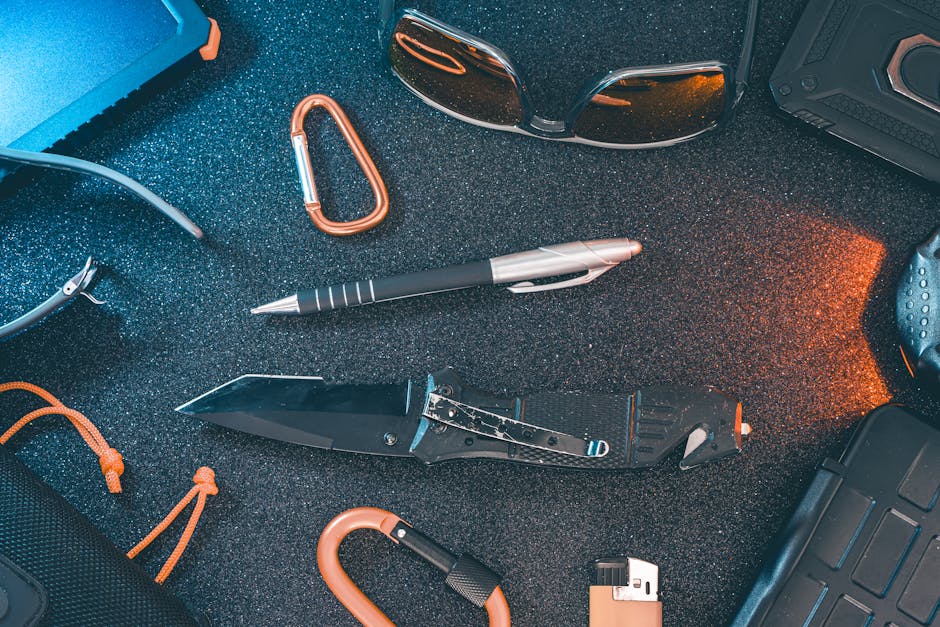
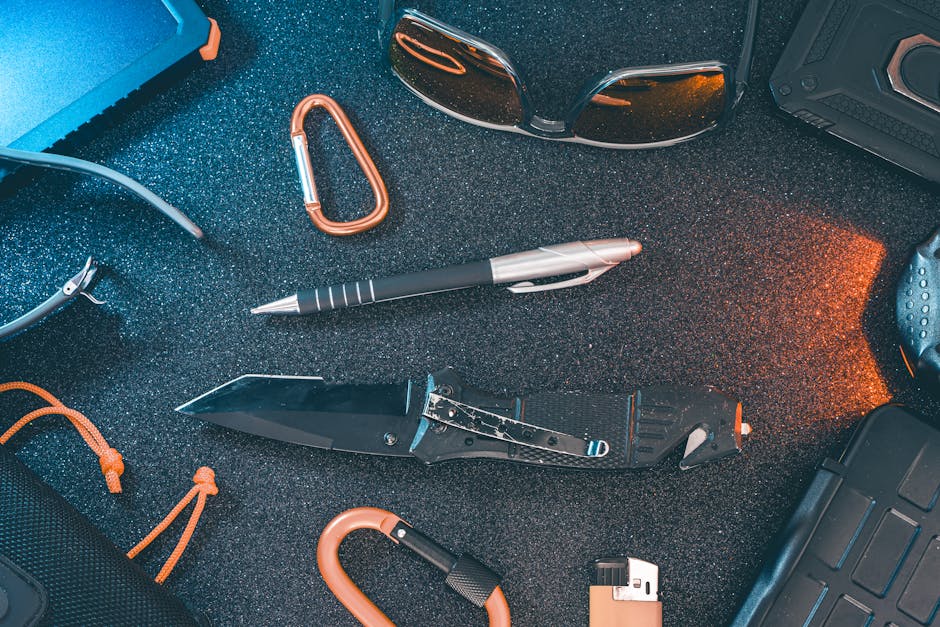
A multi-tool or knife is essential for survival. It provides versatility in various situations, whether you need to cut rope, open canned food, or fix gear. Imagine needing to build a shelter or prepare a meal without a reliable tool. A sturdy, sharp knife can be your best friend in these moments.
Think about a time when you needed to improvise. A multi-tool can help you adapt swiftly. Consider models that include pliers, screwdrivers, and scissors. These additional functions can be invaluable when you're miles away from civilization.
Fire Starters
Fire is crucial in the wilderness for warmth, cooking, and safety. Matches or a lighter might seem obvious, but have you thought about weatherproof options? Wet conditions can render traditional matches useless. Fire starters like magnesium sticks or flint ensure you have a reliable source in any weather.
Picture this: night falls, temperatures drop, and you need to build a fire quickly. Having a fire starter that works in rain or snow can be lifesaving. Keep it accessible and practice using it before you head out.
Shelter Materials
Your ability to create shelter can impact your survival. Whether you’re caught in a storm or need protection from insects, shelter materials like tarps or emergency blankets are vital. Picture yourself needing cover in an unexpected downpour. A tarp can provide instant relief and security.
What will you do if you can't find natural materials for shelter? Pack lightweight options. Emergency blankets are compact and easy to carry. They reflect body heat and can be a game-changer during cold nights.
As you prepare your wilderness survival kit, remember that each item plays a crucial role. Have you thought about what you might need if plans change unexpectedly? Equip yourself with these core items to enhance your resilience and readiness for whatever the wild throws your way.
Navigation Tools
Exploring the wilderness can be thrilling. But it's vital to stay on track. Having the right navigation tools is crucial. These tools guide you safely back. They ensure you don't get lost in unknown terrains. Let's dive into some essential navigation tools for your survival kit.
Map And Compass
A map and compass are timeless tools. They don't rely on batteries or signals. Maps provide a visual layout of the area. They show paths, landmarks, and terrains. A compass points you in the right direction. Together, they help you navigate effectively. Mastering these tools boosts confidence in the wild.
Gps Device
Modern technology offers GPS devices. These gadgets pinpoint your exact location. They work anywhere, even under dense canopies. GPS devices are user-friendly and reliable. They store waypoints and track your path. Always carry extra batteries or a solar charger. This ensures your device remains powered during your adventure.
Food And Water Supplies
Surviving in the wilderness requires careful planning. Food and water supplies are essential. These resources are your lifeline in the wild. They must be compact, nutritious, and easy to carry. Without them, survival becomes challenging. In this section, we focus on two critical components: water purification methods and non-perishable food. These elements ensure you stay nourished and hydrated.
Water Purification Methods
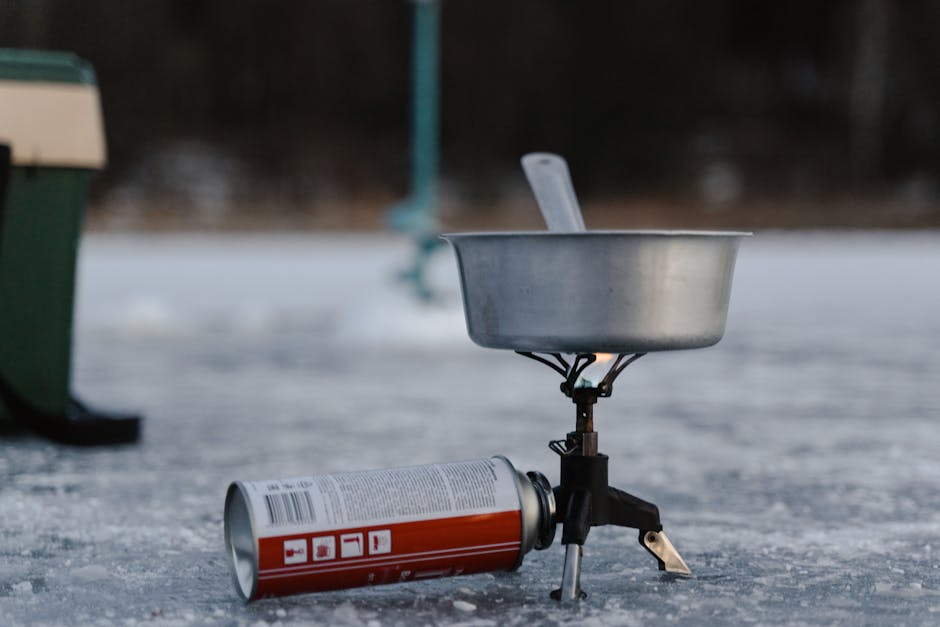
Finding clean water is crucial in the wilderness. Not all natural water sources are safe. You need effective purification methods. Boiling water is the simplest technique. It kills bacteria and parasites. Another method is using water purification tablets. They're lightweight and easy to pack. A portable water filter is also useful. It removes impurities and makes water drinkable. Choose a method that suits your needs and environment.
Non-perishable Food
Pack non-perishable food items for your survival kit. They last longer and don't spoil easily. Dried fruits are a great option. They are nutritious and lightweight. Canned goods are reliable but can be heavy. Consider instant oatmeal or granola bars. These are easy to prepare and consume. Keep your energy levels up with these food choices. Always check expiration dates before packing.
First Aid Essentials
A wilderness survival kit needs essentials like bandages, antiseptic wipes, and a multi-tool. Pack emergency blankets for warmth and a whistle for signaling. Don't forget water purification tablets and a compact flashlight.
Venturing into the wilderness can be an exhilarating experience, but it also requires preparation. One of the most critical components of your adventure is your wilderness survival kit, and at the core of that kit should be your first aid essentials. Having the right first aid supplies can be the difference between a minor inconvenience and a major emergency. Imagine you're miles away from civilization, and a mishap occurs. Would you be ready to handle it? Let's break down the essential first aid components that should always be in your survival kit.
Basic Medical Supplies
Your kit should start with basic medical supplies. Bandages, antiseptic wipes, and adhesive tape are non-negotiable. They help you manage cuts, scrapes, and minor injuries effectively. Include sterile gauze pads and medical scissors. These are crucial for dressing wounds. A compact first aid manual can guide you in using these items correctly. Tweezers and safety pins are small but mighty tools. They assist in removing splinters or securing bandages. A digital thermometer is also a wise addition to monitor for fever, a sign of potential infection.
Emergency Medications
Consider what emergency medications you might need. Pain relievers like ibuprofen or acetaminophen can ease discomfort from injuries or headaches. They’re lightweight and easily packable. Antihistamines are essential for allergic reactions. Even if you don’t suffer from allergies, they can be a lifesaver if you encounter unexpected allergens in the wild. Include any personal prescription medications in your kit. Pack an extra supply, just in case your trip lasts longer than planned. This small step ensures you’re prepared for the unexpected. Are there any specific medications that have saved you in the past? Including them might just be the key to a safer adventure. Ensuring your survival kit is well-stocked with these first aid essentials not only prepares you for the unexpected but also gives you peace of mind. As you plan your next wilderness adventure, what other items would you consider indispensable?
Signaling Devices
A wilderness survival kit needs signaling devices for emergencies. These tools help rescuers find you when lost. Consider whistles, mirrors, or flares to alert help effectively.
In the heart of the wilderness, ensuring you're seen or heard can be a lifesaver. Whether you’re an avid hiker or a casual camper, having the right signaling devices in your survival kit is crucial. These tools can make all the difference when you're trying to attract the attention of rescuers. But what exactly should you pack? Let’s explore two essential signaling devices you should always have on hand.
Whistle
A whistle is a small but mighty tool. It can cut through ambient noise and travel further than a shout. Imagine you're lost in a dense forest, your voice drowned by rustling leaves and chirping birds. A whistle can pierce through, reaching rescuers who might not otherwise hear you. Not all whistles are created equal. Look for a durable, high-decibel model that works even when wet. Attach it to your backpack or clothing for quick access. Remember, three short blasts is the universal signal for help.
Signal Mirror
A signal mirror is an underestimated gem in survival kits. It's not just for checking your reflection—it's a powerful way to attract attention from miles away. In open spaces, a flash from a signal mirror can be seen from over 15 miles away on a sunny day. Using a signal mirror effectively requires practice. Aim the reflection towards aircrafts or distant rescuers by sighting through the hole in the middle. But what if it’s cloudy? Don’t worry. Even a small glimpse of sunlight can create a noticeable flash. Have you ever been in a situation where you needed to signal for help? What did you use? Having reliable signaling devices can be the difference between being found quickly or facing prolonged uncertainty. Prioritize them in your wilderness survival kit and enhance your safety and peace of mind.
Clothing And Personal Items
Preparing a wilderness survival kit involves careful planning. Clothing and personal items are crucial for safety and comfort. The right gear ensures you stay warm, dry, and clean. These essentials help you handle unexpected challenges in the wild.
Weather-appropriate Clothing
Weather changes quickly in the wilderness. Pack layers to adapt to temperature shifts. Lightweight, waterproof jackets are essential. They protect you from rain and wind. Choose breathable fabrics to manage sweat. Wool socks keep your feet warm and dry. A hat and gloves offer extra warmth in cold conditions. Always pack a sun hat for hot climates. It shields your face from harmful rays.
Personal Hygiene Products
Maintaining hygiene in the wild is challenging but necessary. Bring a small, biodegradable soap. It keeps you clean without harming nature. A travel-sized toothbrush and toothpaste are must-haves. They help maintain oral health. Include a pack of wet wipes. They are handy for quick clean-ups. Hand sanitizer is crucial for germ control. Keep a small towel in your kit. It's useful for drying off after a wash. Don't forget lip balm and sunscreen. They protect against sunburn and chapped lips.
Emergency Communication
In the wilderness, staying connected can save lives. Emergency communication is vital for survival. It ensures you can reach help when needed. Imagine being lost or injured. Having the right tools is crucial.
Devices for communication are essential in your survival kit. They help you alert rescuers. They bridge the gap between you and safety. Let's explore two key tools.
Satellite Phone
A satellite phone is a powerful tool. It connects even in remote areas. Unlike mobile phones, it uses satellites. This ensures a signal almost everywhere. It is reliable during emergencies. It allows you to make calls for help. Ensure it is charged and in your kit.
Two-way Radio
Two-way radios are also important. They allow communication between you and others. Handy in group settings or with rescue teams. They don't rely on cell towers. Make sure to check the frequency range. Some models have long-distance capabilities. Always pack spare batteries.
Miscellaneous Gear
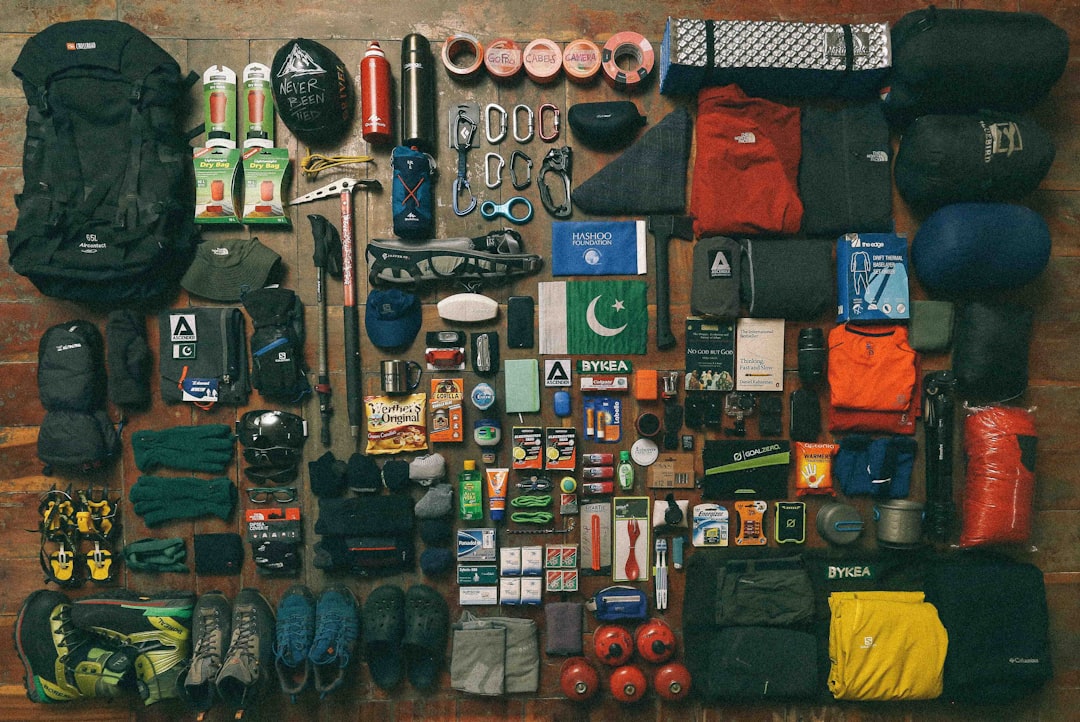
Navigating the wilderness requires essential gear for survival. Include a quality knife, firestarter, and water purifier. Pack a first aid kit and reliable flashlight. Compact shelter and extra clothing can offer protection from the elements. Always be prepared for the unexpected in nature.
When you're preparing for the unpredictable challenges of the wilderness, your survival kit becomes your lifeline. While the essentials like food, water, and shelter are obvious, miscellaneous gear often gets overlooked. This gear, however, is just as crucial. It can make the difference between comfort and distress, or even life and death. Here, we discuss two indispensable items: paracord and duct tape.
Paracord
Paracord is a versatile, lightweight rope that can be a game-changer in survival situations. Its strength and flexibility make it suitable for a multitude of uses. You can use it to build a shelter, set traps, or even as a makeshift clothesline. I once used paracord to secure a broken backpack strap during a hike, saving my gear from spilling out. Have you thought about how you would handle unexpected gear failures? With paracord, you'll always have a reliable solution at hand.
Duct Tape
Duct tape is another essential item that often finds its way into a survival kit. Known for its incredible adhesive properties, it's a quick fix for tears in tents, clothing, or even shoes. You can create waterproof seals or patch up almost anything that might break in the wild. During a camping trip, a friend's tent developed a hole, allowing rain to seep in. With a few strips of duct tape, the problem was quickly solved. Imagine being able to repair almost anything with just a roll of tape. Duct tape provides that peace of mind, ensuring you’re not left exposed to the elements. Both paracord and duct tape are lightweight, making them easy to carry. Have you included these items in your survival kit yet? If not, it might be time to rethink your packing list. The wilderness is unpredictable, and having the right tools can significantly impact your experience.
Frequently Asked Questions
What Items Are Essential In A Survival Kit?
A survival kit should include a knife, fire starter, water purifier, and first aid supplies. These items help you navigate emergencies. A multi-tool, signaling device, and food rations are also crucial. Keep your kit lightweight and portable for easy carrying.
How Do You Purify Water In The Wild?
Use water purification tablets or a portable filter to clean water. Boiling water is effective but requires a heat source. Collect rainwater when possible. Avoid stagnant water sources. Always prioritize clean drinking water to prevent illness.
Why Is A Fire Starter Important?
A fire starter helps you create warmth and cook food in the wilderness. It can signal for help and deter wild animals. Having multiple fire-starting methods increases reliability. Matches, lighters, and flint are popular options. Always keep them dry and accessible.
How Should You Pack A First Aid Kit?
Include bandages, antiseptic wipes, and pain relievers in your kit. Pack items to treat cuts, burns, and insect bites. Consider personal medical needs, like prescriptions. Keep your first aid kit organized and in a waterproof container. Regularly check expiry dates.
Conclusion
Every wilderness adventure needs a well-packed survival kit. It ensures safety and readiness for unexpected events. Essentials like water, food, and first aid should always be included. Don't forget tools for navigation and shelter. A flashlight and a whistle are vital for signaling.
Packing wisely means being prepared for anything nature throws your way. Always test and familiarize yourself with the kit contents. This builds confidence and enhances survival chances. Stay smart and safe. Your adventure awaits! Equip yourself well, and let the wilderness be your playground.